Le Tre Frecce: Bologna's Mysterious Embedded Arrows
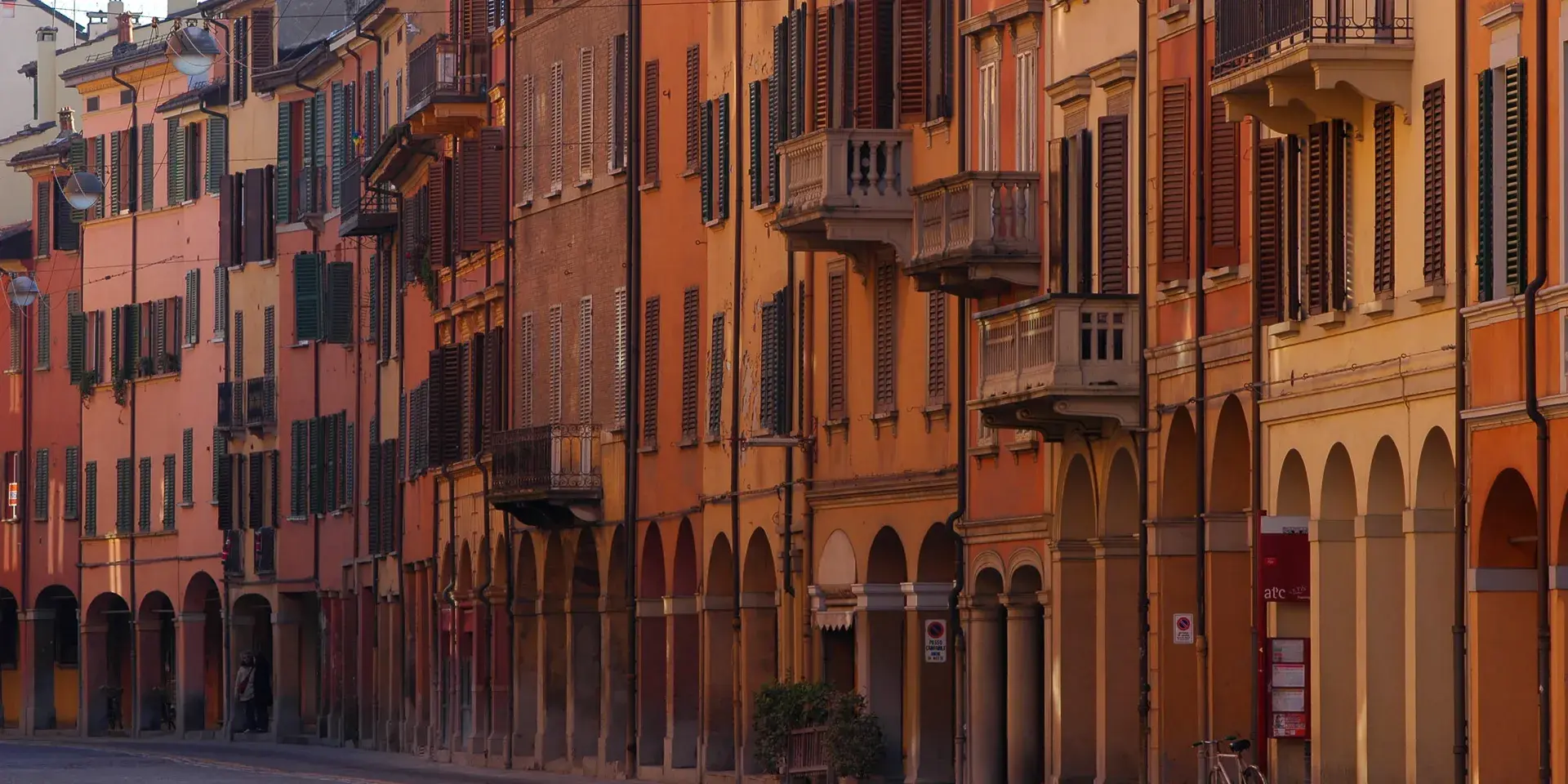
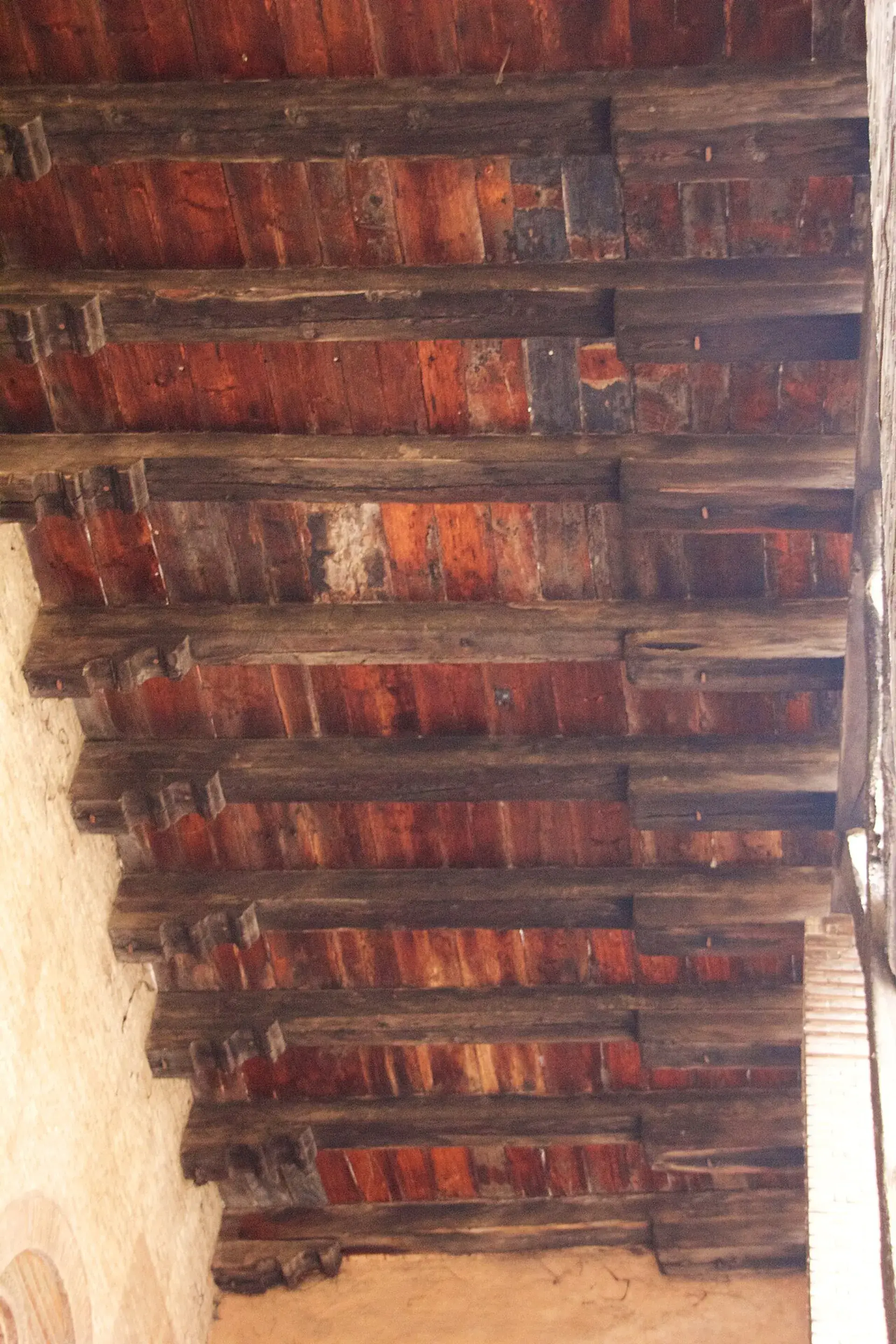
Along Bologna's bustling Strada Maggiore, a curious detail awaits those who look up. Embedded in the dark wooden ceiling of a historic portico are Le Tre Frecce, or The Three Arrows. This small but intriguing feature is lodged within Casa Isolani, part of the larger Corte Isolani complex, and offers a glimpse into the city's layered history of fact and folklore.
The Historic Setting of Casa Isolani
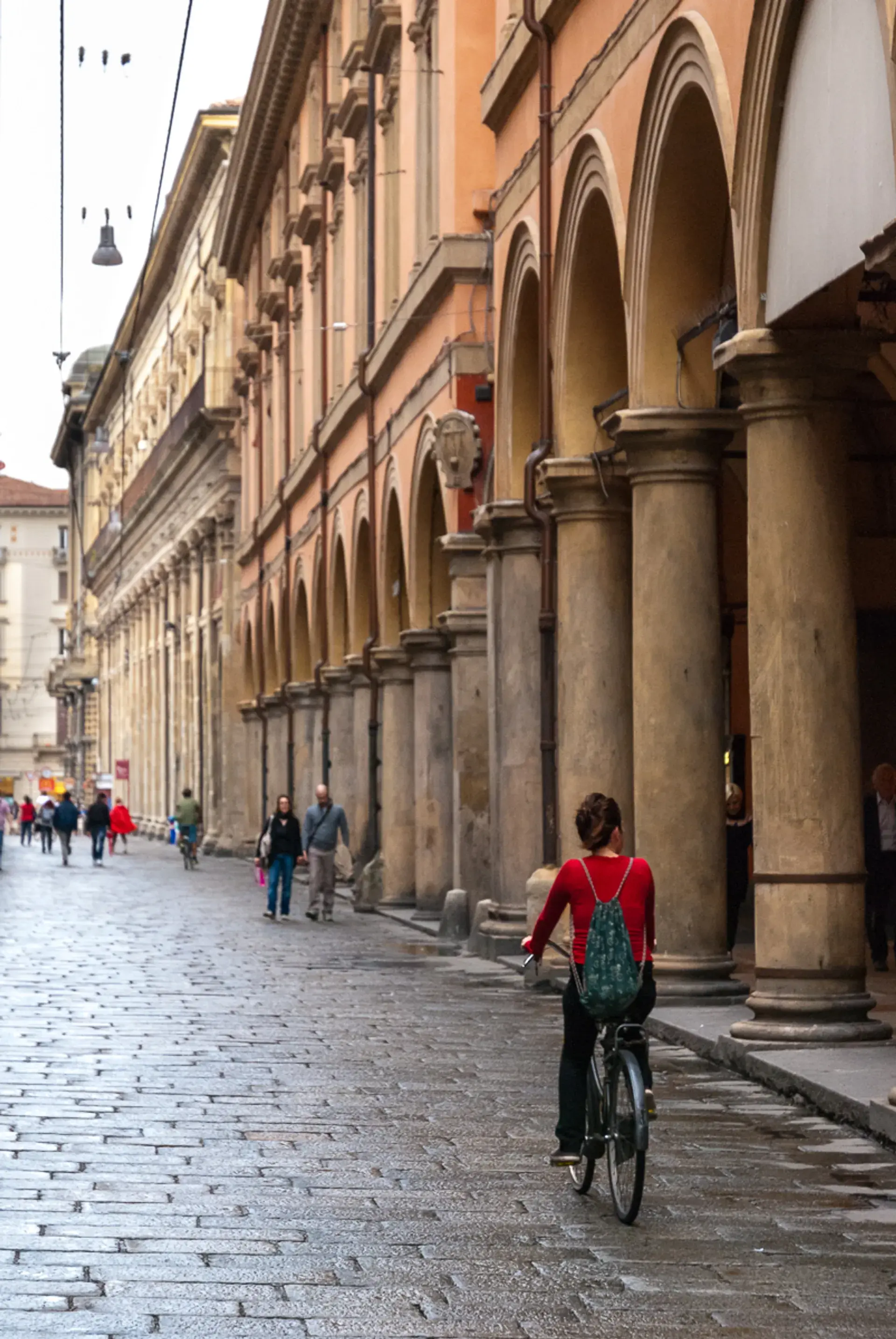
Le Tre Frecce are found within one of Bologna's most significant medieval structures. Casa Isolani dates back to the mid-13th century and boasts one of the city's oldest and tallest wooden porticoes. Supported by impressive oak beams that soar nine meters high, the portico is a prime example of the architectural innovation that defines Bologna. These covered walkways were a spontaneous urban development in the early Middle Ages, designed to expand living and commercial space.
Legends of the Arrows
The mysterious origin of the arrows has given rise to several popular legends. The most widely told story involves three assassins hired to kill a noblewoman. As they took aim from beneath the portico, the woman supposedly exposed herself from a window above, causing the distracted archers to miss and send their arrows into the wooden ceiling.
Another tale, dating to the 19th century, suggests that a group of rowdy students placed the arrows as a prank during restoration work on the building. While these stories add a dramatic flair to the site, the true origin remains a subject of debate.
A 19th-Century Prank?
Despite the romantic legends, a more verifiable account points to a much simpler explanation. Research suggests the arrows were likely inserted during a 19th-century restoration of the facade, overseen by Raffaele Faccioli. It is believed that the arrows were placed as a joke by the restorer himself, creating a lasting myth that has captivated visitors for generations.
Le Tre Frecce Today
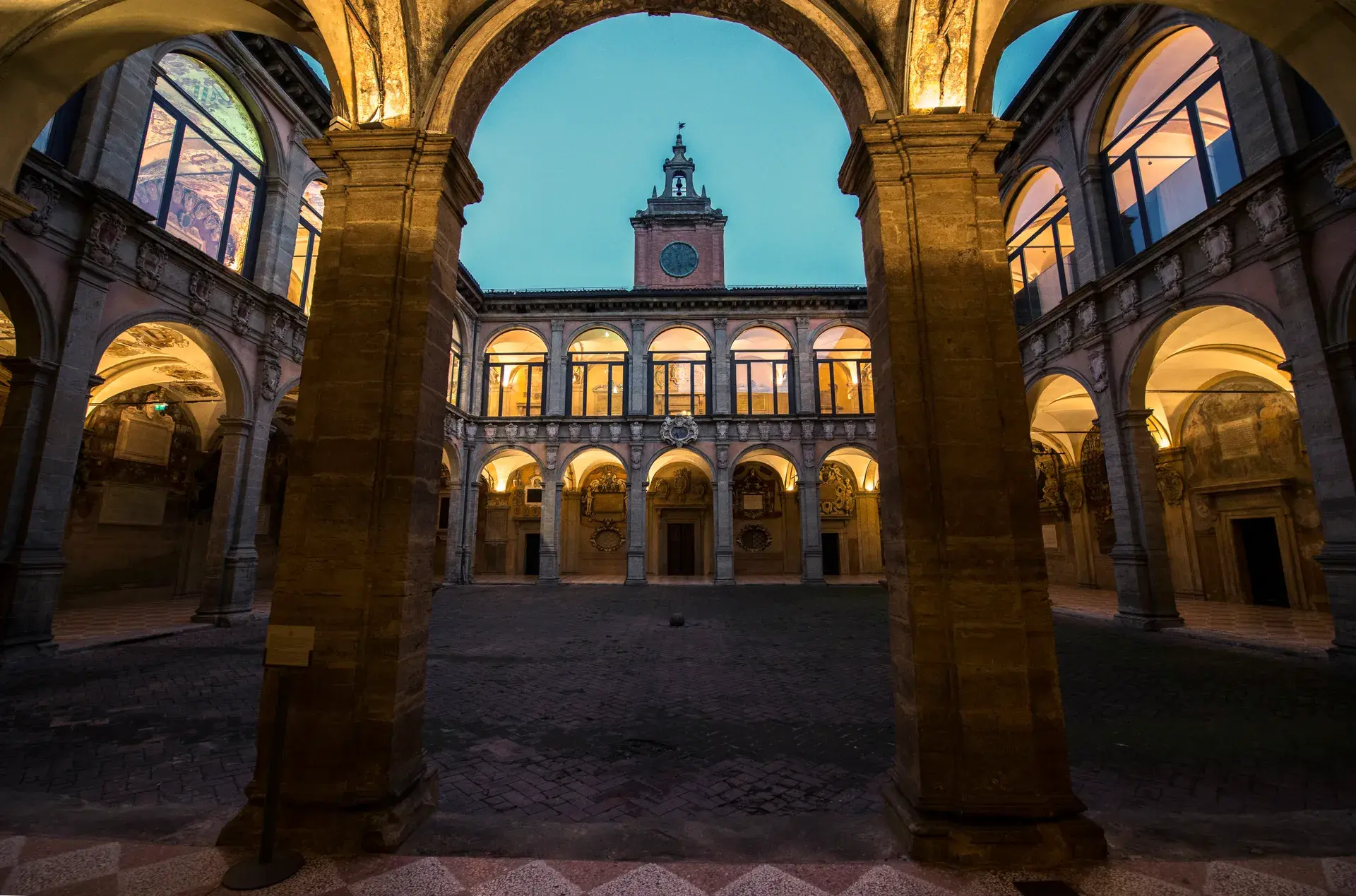
Today, the portico housing Le Tre Frecce serves as a public walkway along Strada Maggiore. The associated Corte Isolani complex, opened to the public in 1995, now contains shops, boutiques, and restaurants. Spotting the three small, dark arrows in the high, shadowy ceiling has become a popular quest for locals and tourists, who can often be seen with their heads tilted upwards, searching for this piece of Bologna's hidden history.
The portico of Casa Isolani is part of the extensive network of covered walkways that earned Bologna a UNESCO World Heritage Site designation in 2021. These structures are integral to the city's identity, and Le Tre Frecce add a unique story to their rich heritage.
FAQ
Where exactly are Le Tre Frecce located?
Le Tre Frecce are embedded in the wooden ceiling of the portico of Casa Isolani, which is located at Strada Maggiore 19 in Bologna, Italy.
What is the most likely origin of the three arrows?
While colorful legends exist, the most credible explanation is that the arrows were placed as a prank by the restorer Raffaele Faccioli during renovation work on the building in the 19th century.
How old is the portico where the arrows are found?
The arrows are lodged in the portico of Casa Isolani, a structure dating to the mid-13th century. It is one of the oldest and tallest wooden porticoes in Bologna.
Are the porticoes of Bologna a UNESCO World Heritage Site?
Yes, in 2021, the porticoes of Bologna were designated a UNESCO World Heritage Site for their unique cultural and architectural importance to the city.
Discover Bologna like never before
Dive into Bologna hidden stories and secret spots with Ciceru interactive tours.
Explore tour
Audioguide
Quizzes
Maps
Solo
Couples
Groups & families

© Photograph by Mike Peel (www.mikepeel.net). | CC BY-SA 4.0