Santa Giulia Museum: Brescia's Historic UNESCO Site
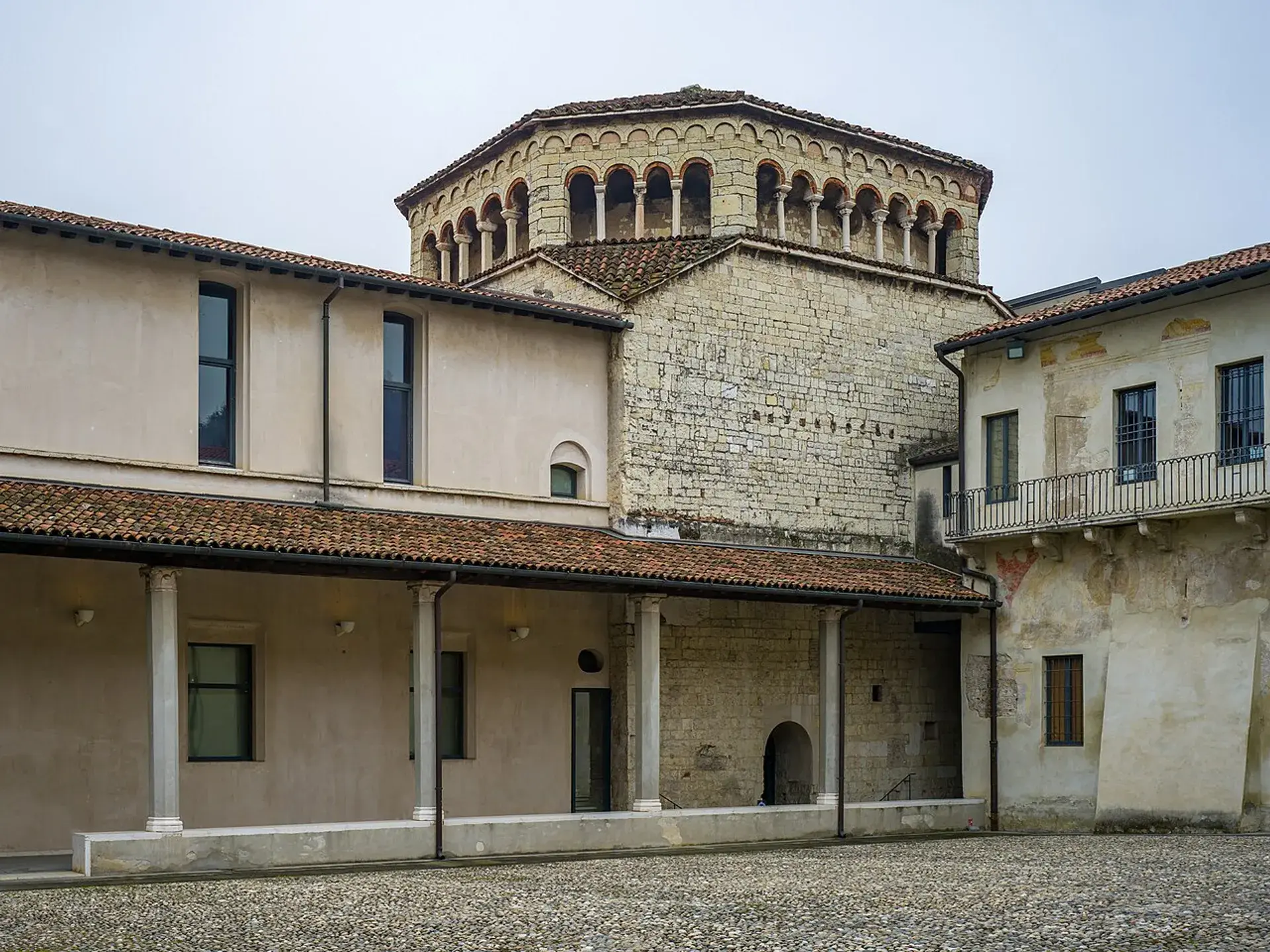
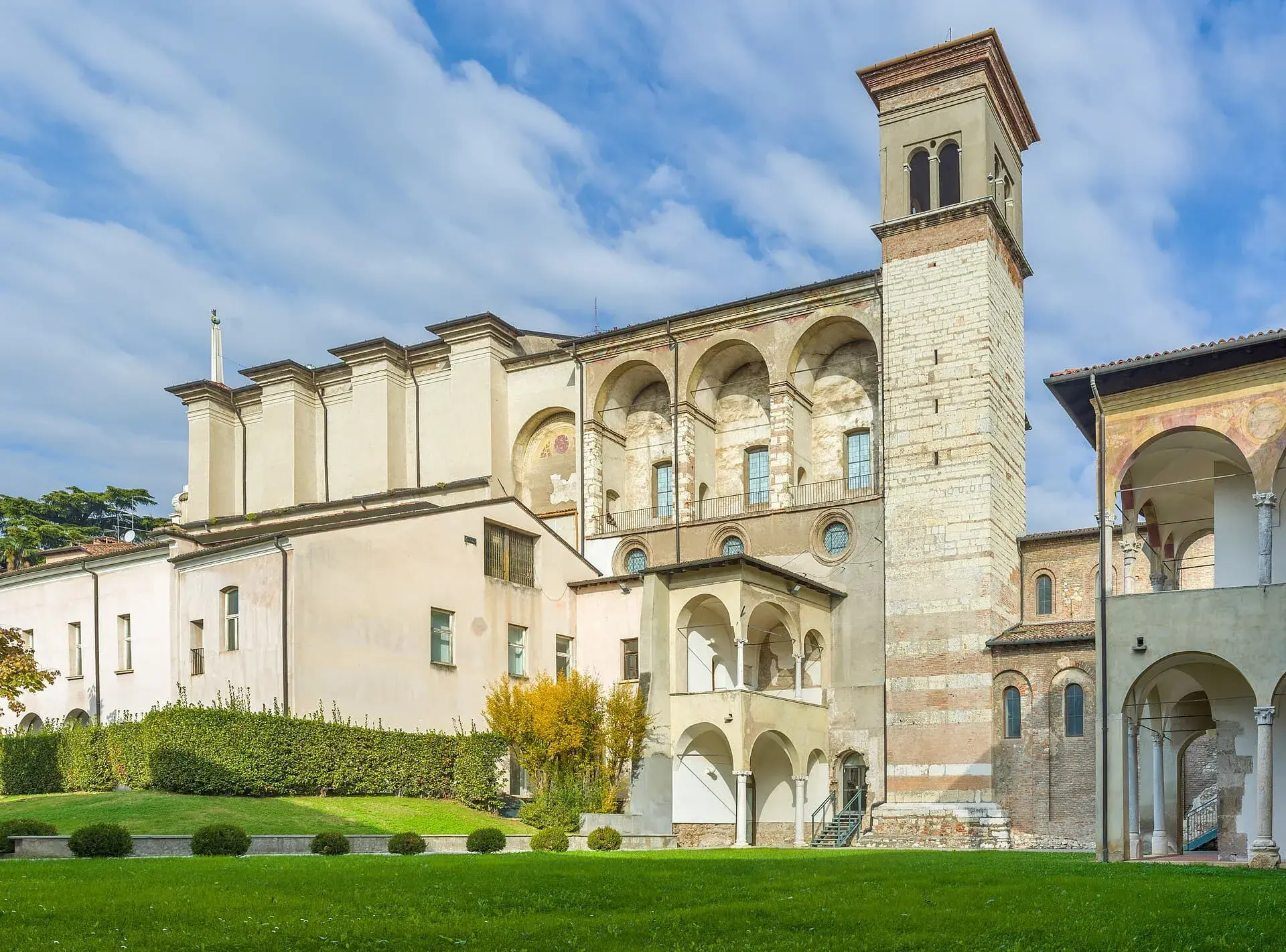
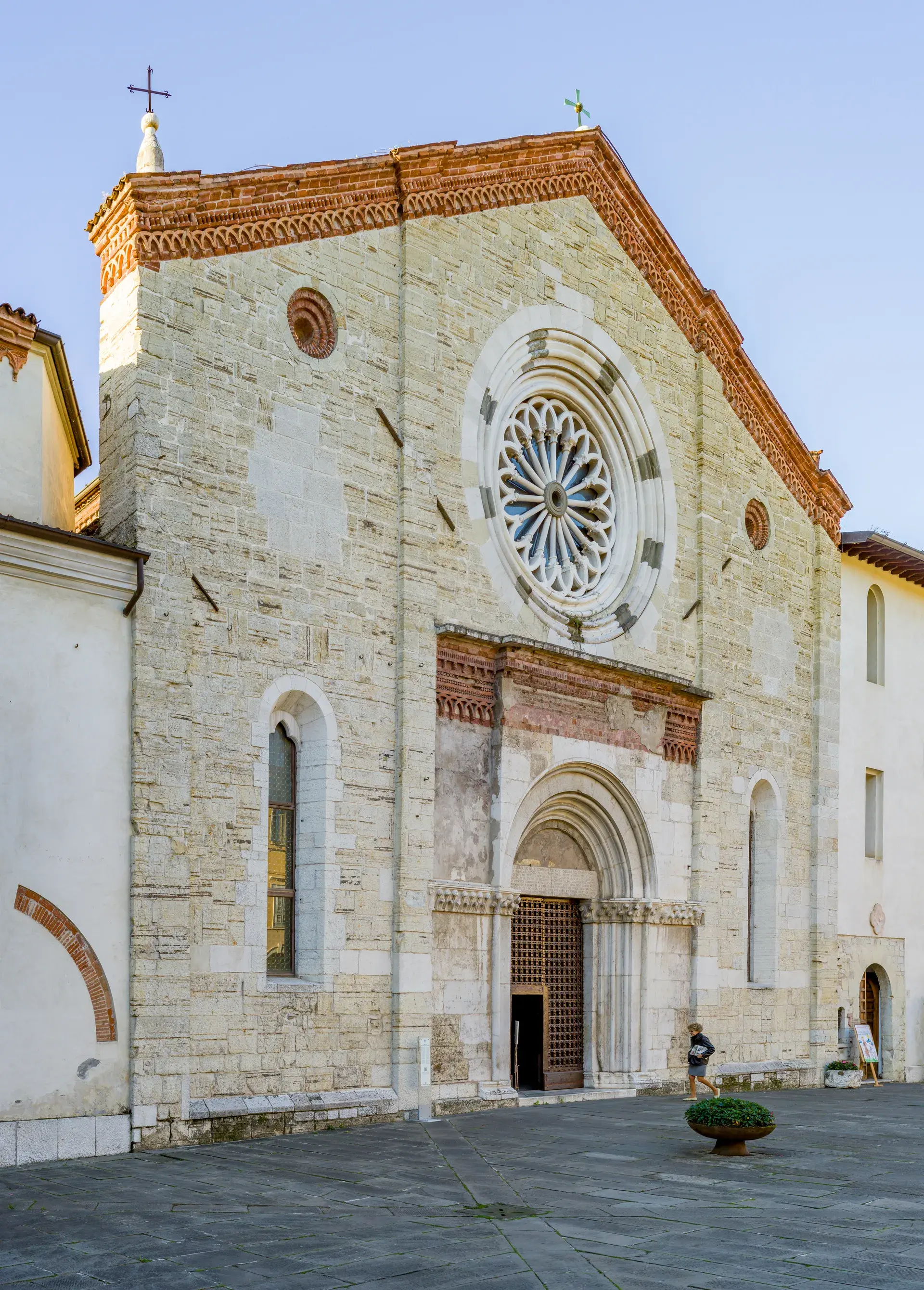
View the imposing exterior of the Santa Giulia Museum complex on Via dei Musei, hinting at the vast Lombard Benedictine history contained within. Spanning two millennia of history in a single 14,000-square-meter footprint, the royal convent of the last Lombard king was built directly over ancient Roman townhouses. Located atop the ancient Roman city of Brixia, the museum bridges Brescia's transition from Roman antiquity through the Lombard era and into the Renaissance.
The Royal Lombard Convent
Founded in 753 CE by Duke Desiderius and Queen Ansa, the site originally served as a Benedictine royal nunnery. Desiderius established the complex as a dynastic powerhouse and family mausoleum, appointing his daughter Anselperga as its first abbess. In 761, the relics of Saint Julia were brought to the church, expanding its dedication. Following the fall of the Lombard kingdom to Charlemagne in 774, the convent retained its massive wealth and continued to house imperial nobility for centuries. Monastic life ultimately ended with suppression during the Napoleonic era in 1798.
Two Millennia of Architecture
The vast museum complex incorporates multiple architectural layers. Below the former monastery vegetable garden lie the Domus dell'Ortaglia, preserved 1st- to 4th-century Roman townhouses uncovered during late-20th-century excavations. Modern metal walkways are suspended directly above these excavated ruins, revealing Roman mosaic floors, ancient fountain channels, and hypocausts used for heating.
Above the Roman layer, the complex features the 8th-century Lombard Basilica of San Salvatore and the late 16th-century Church of Santa Giulia. The 15th- to 16th-century Choir of the Nuns showcases an elevated space heavily modified during the Renaissance to enforce strict claustration, featuring an entirely frescoed interior.
Rare Treasures and Relics
Operating today as Brescia's primary city museum, the Museo di Santa Giulia displays artifacts spanning from prehistory to the Venetian period. The 12th-century Romanesque Oratory of Santa Maria in Solario serves as a highlight, featuring an upper chamber with a barrel-vaulted ceiling painted as a deep blue sky covered in shimmering gold stars. This space houses the Cross of Desiderius, a 9th-century processional cross encrusted with 212 ancient cameos and engraved gems spanning from the Roman Empire to the medieval era. Another significant artifact preserved in the museum is the Lipsanotheca, a 4th-century ivory reliquary casket carved with biblical scenes.
A UNESCO Heritage Destination
The historical significance of the complex led to its inscription as a UNESCO World Heritage site in 2011. It operates within an integrated archaeological park in the heart of Brescia. A pedestrian route known as the UNESCO Corridor, inaugurated in 2023, seamlessly connects the Santa Giulia Museum to the nearby Roman Capitolium. The site also holds literary significance; Alessandro Manzoni's tragedy 'Adelchi' is set at this convent, depicting the death of Charlemagne's repudiated wife, Ermengarda, in the arms of Abbess Anselperga.
FAQ
When was the Santa Giulia complex founded?
The complex was founded in 753 CE by Duke Desiderius and Queen Ansa, originally serving as a Benedictine royal nunnery.
What Roman ruins are visible at the Santa Giulia Museum?
The museum encompasses the Domus dell'Ortaglia, which are 1st- to 4th-century Roman townhouses. Modern metal walkways allow observation of ancient mosaic floors, fountain channels, and heating conduits called hypocausts.
What is the Cross of Desiderius?
The Cross of Desiderius is a 9th-century processional cross encrusted with 212 ancient cameos and engraved gems. It is housed under a star-painted ceiling in the museum's Oratory of Santa Maria in Solario.
Is the Santa Giulia Museum connected to other historical sites?
Yes, it is part of an integrated archaeological park. In 2023, a pedestrian UNESCO Corridor was inaugurated, connecting the museum to the nearby Roman Capitolium.
Gallery