Brixen Cathedral: History and Art in South Tyrol
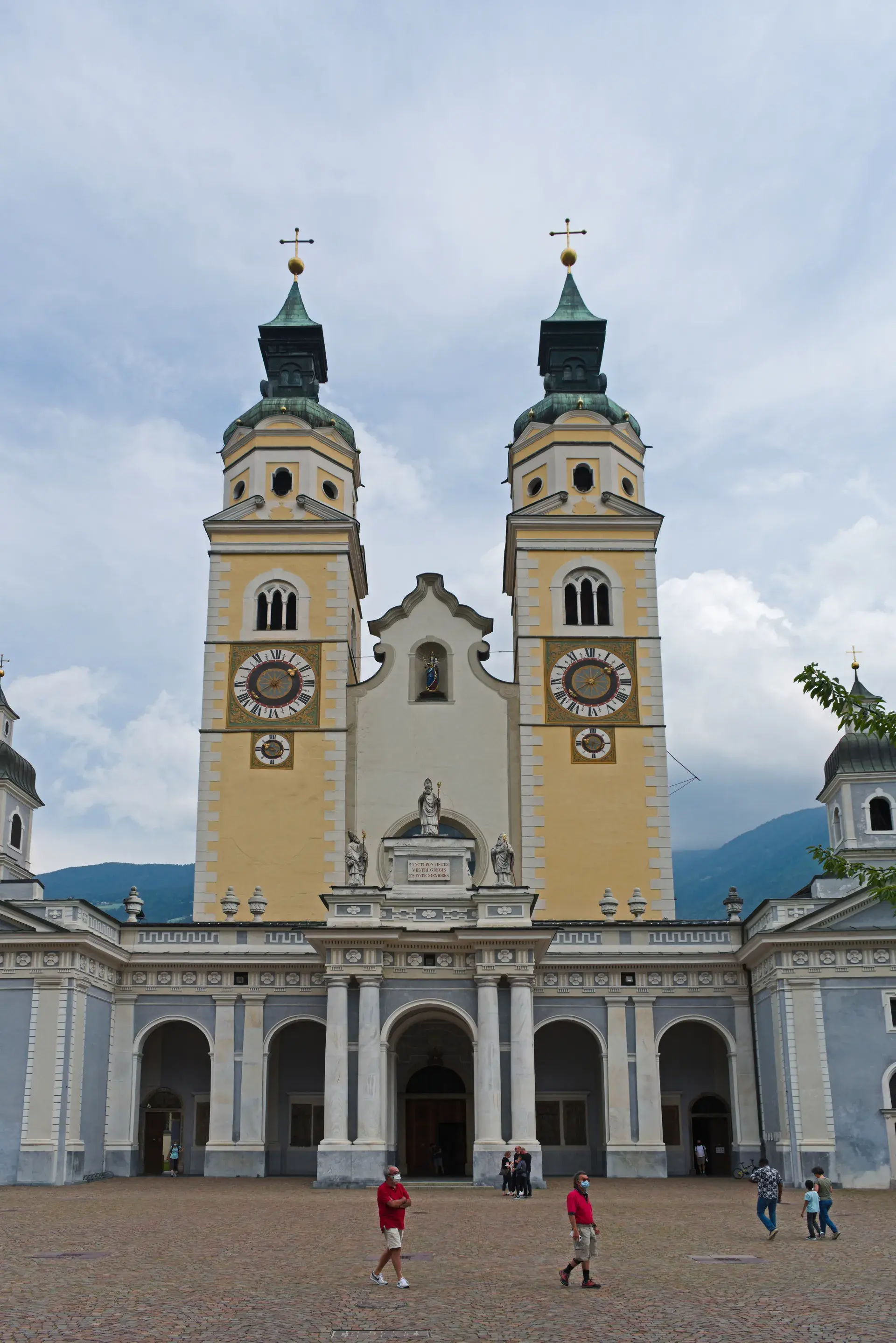
Brixen Cathedral, officially the Cathedral of the Assumption of the Blessed Virgin Mary and St. Cassian, stands as the largest sacred building in the city of Brixen. This minor basilica is a testament to centuries of architectural evolution and ecclesiastical power, reflecting the region's deep history.
A Millennium of Transformation
The cathedral's story begins around 980 AD. After a fire, it was rebuilt as a Romanesque basilica by 1174, and following another major fire in 1444, it was reconstructed in the Gothic style. The building's current, opulent Late Baroque appearance is the result of a massive restoration project between 1745 and 1754. This transformation was not without debate; clerical canons were divided between proponents of the Baroque and Rococo styles, resulting in a stylistic compromise. A Classicist narthex, designed by Jakob Pirchstaller, was the final major addition between 1785 and 1790.
The Seat of Prince-Bishops
The cathedral's grandeur is directly linked to Brixen's history as a Prince-Bishopric. The episcopal see was moved from Saben to Brixen around 990 AD, establishing the city as an ecclesiastical center. In 1179, Emperor Frederick I Barbarossa granted the Bishop of Brixen the title of Prince of the German Empire, formalizing his dual secular and religious authority. This immense influence was demonstrated in 1080 when a synod held in Brixen declared Pope Gregory VII deposed. The Prince-Bishops' power lasted until the secularization of the territory in 1803.
Artistic and Architectural Highlights
The interior of Brixen Cathedral is a treasure trove of art. Between 1748 and 1750, artist Paul Troger created the magnificent 200-square-meter ceiling frescoes, famously refusing to provide preliminary sketches until a written contract was secured. The high altar, a work by Theodor Benedetti, is crafted from 30 distinct types of polished marble. The cathedral also features nine individual marble side altars.
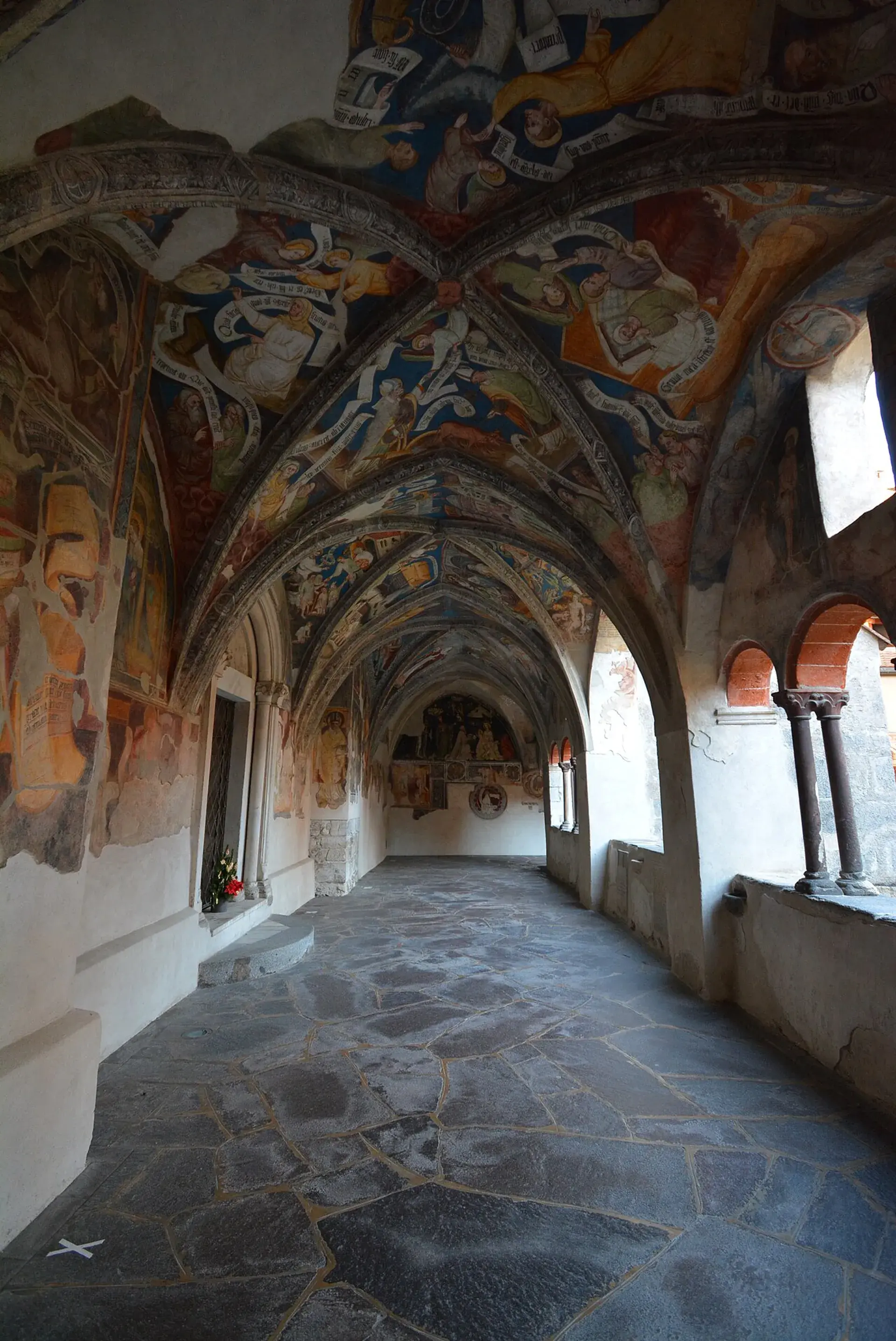
The adjacent cloister contains remarkable Gothic frescoes dating from the 13th to the 15th centuries. Among these is a unique depiction of an elephant on the 3rd arcade. During the 18th-century reconstruction, historian Joseph Resch successfully saved numerous medieval tombstones from destruction, which can still be seen around the cathedral area.
The Cathedral Today
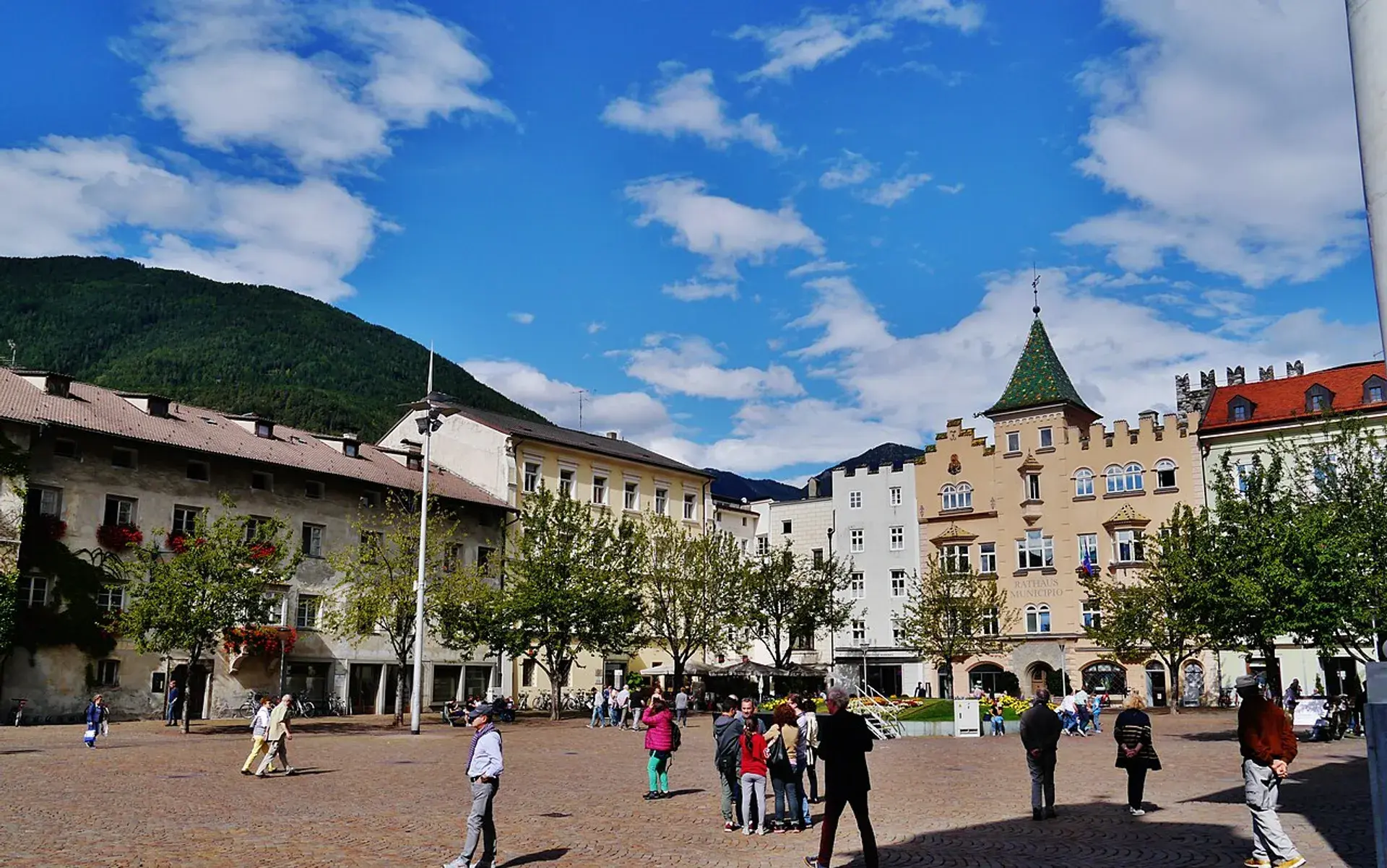
While the episcopal see of the Diocese of Bolzano-Brixen was transferred to Bolzano in 1964, the cathedral remains a vital religious and cultural hub. It is open to the public daily for visits, with admission being free except during liturgical services. The cathedral square, or Domplatz, is a vibrant center for community life, hosting events such as Christmas markets, light festivals, and culinary gatherings throughout the year.
FAQ
When was Brixen Cathedral built?
The cathedral's origins date to around 980 AD. Its current Late Baroque appearance is the result of a major reconstruction between 1745 and 1754, following earlier Romanesque and Gothic phases.
What is Brixen Cathedral famous for?
Brixen Cathedral is renowned for its magnificent Late Baroque architecture, the monumental 200-square-meter ceiling frescoes by Paul Troger, and a high altar crafted from 30 different types of marble.
Is there an entrance fee for Brixen Cathedral?
No, admission to the cathedral is generally free. It is open to the public daily, though access may be restricted during liturgical services or special events.
What is the significance of the elephant fresco?
Located in the adjacent cloister, the Gothic fresco of an elephant is a unique artistic curiosity. It dates from between the 13th and 15th centuries and is a notable feature of the cloister's medieval art.