Domplatz Brixen: History of a Prince-Bishop's Square
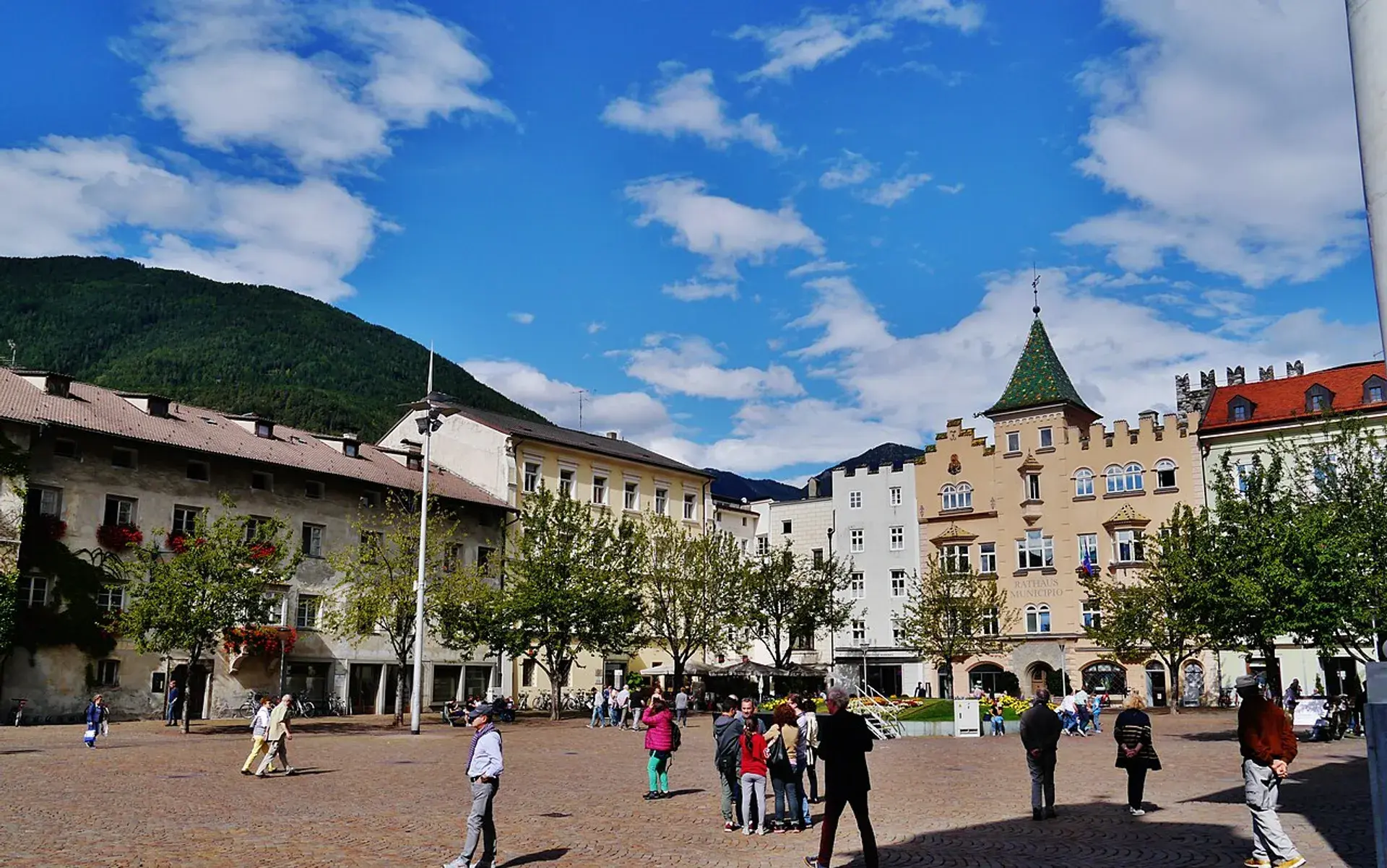
Domplatz, or Cathedral Square, has been the historical, spiritual, and cultural heart of Brixen since the 11th century. Its origins as a center of power began when the episcopal seat was transferred from Säben to Brixen between 967 and 1006. The square's grand scale was intentionally designed to project the authority of the Prince-Bishops, whose secular power was consolidated in 1027 when the Prince-Bishopric of Brixen gained imperial immediacy, making it directly accountable to the Holy Roman Emperor.
Architectural Evolution
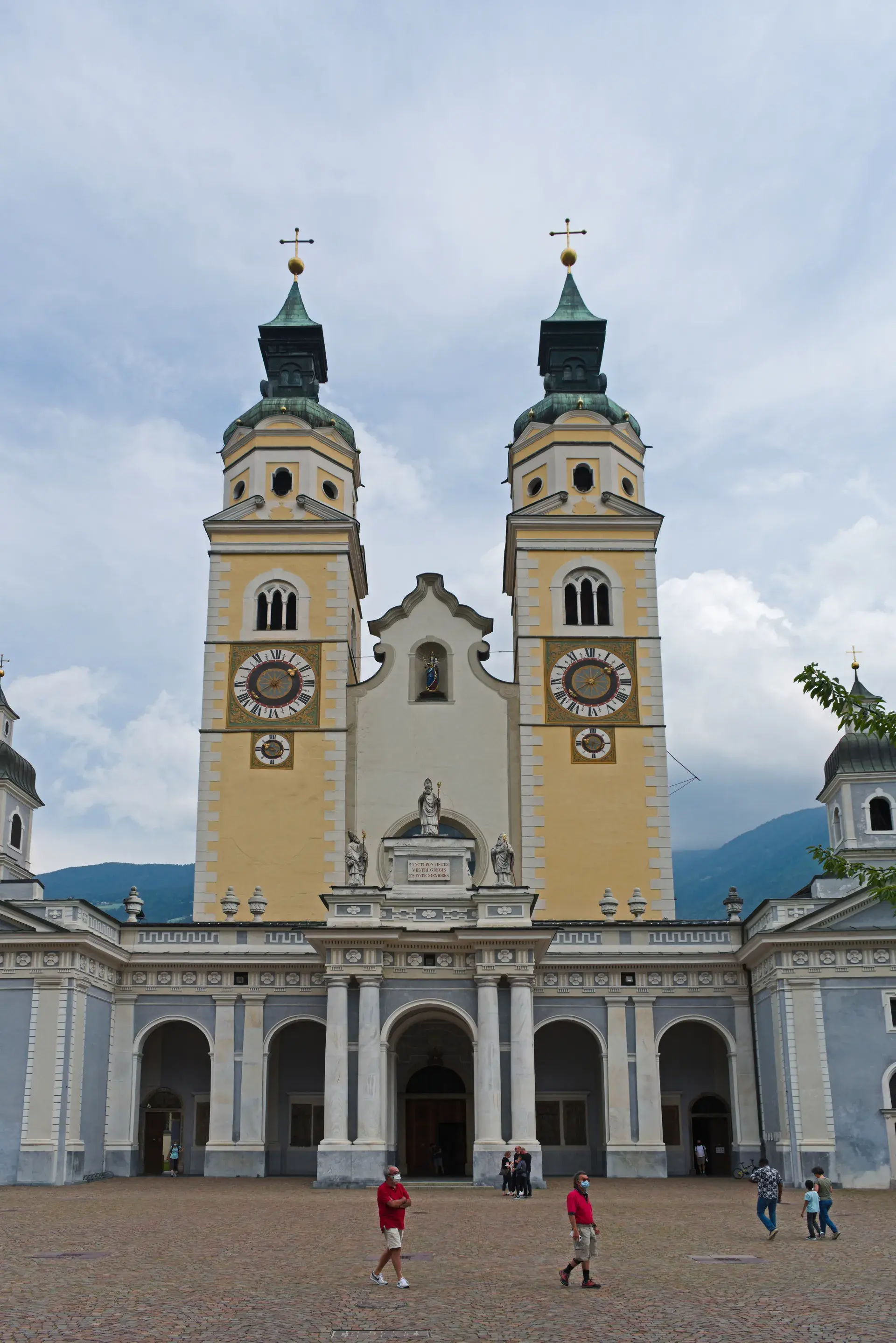
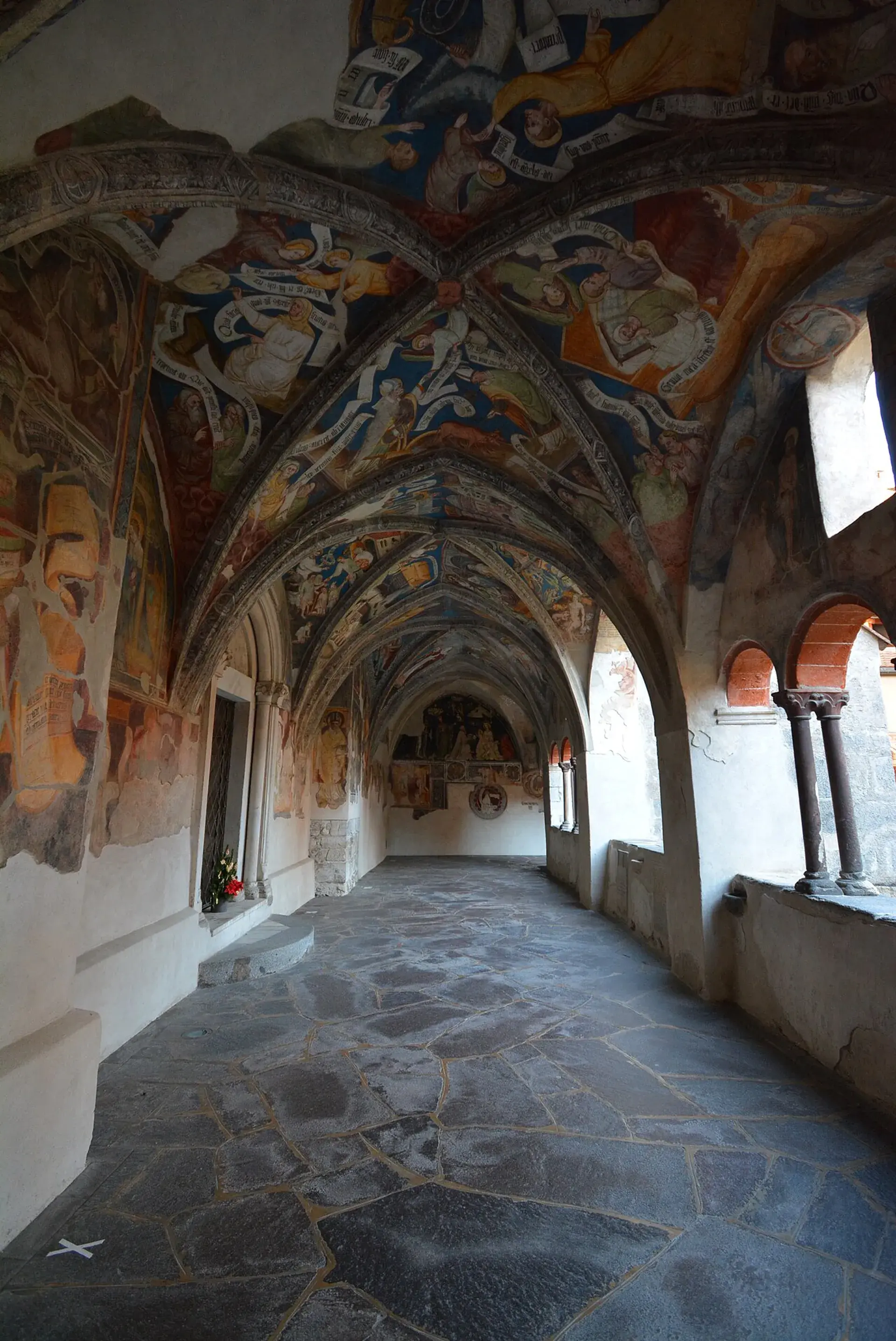
The square is dominated by the Cathedral of Brixen, a building that narrates centuries of architectural history. Its foundations are Ottonian, dating to the 980s. Following a fire in 1174, it was rebuilt as a three-nave Romanesque basilica with two towers. Another fire in 1444 prompted a Gothic reconstruction. The cathedral's current, predominant Baroque appearance is the result of a major rebuilding project between 1745 and 1754, which included the addition of monumental frescoes by Paul Troger depicting the Adoration of the Lamb. A final Classicist vestibule, designed by Jakob Pirchstaller, was added between 1785 and 1790.
A Stage for Power and Piety
Domplatz served as the epicenter for the Prince-Bishops' dual religious and secular authority. For about 500 years, it was known as "Am Hofe" (At the Court), as the bishops held court here before moving to the nearby Hofburg. The square's history is marked by notable figures, including Bishop Poppo of Brixen, who became Pope Damasus II in 1048. In a stark display of temporal power, the square was also the site of public executions, including the leaders of the 1525 peasant uprising, an Anabaptist, and three freedom fighters in 1809.
Domplatz in Modern Times
Today, Domplatz is a vibrant, traffic-calmed public space often called the "living room of the city." The west side is lined with cafes and restaurants, making it a social hub from morning to night. The square continues to host important public events, processions, and celebrations, including the annual Christkindlmarkt (Christmas market). It also features the Millennium Column, erected in 1909, and the "Brunnen des Lebens" (Fountain of Life), a 1998 work by artist Martin Rainer depicting the human life journey. The cathedral ceased to be an episcopal see in 1964 when the seat was moved to Bolzano.
FAQ
What is the history of the Brixen Cathedral on Domplatz?
The cathedral's history spans over a millennium. It began as an Ottonian structure in the 980s, was rebuilt in Romanesque style after a 1174 fire, underwent a Gothic reconstruction after 1444, and received its current Baroque form between 1745 and 1754.
Why was Domplatz important for the Prince-Bishops?
Domplatz was the strategic and symbolic center of the Prince-Bishopric, embodying the dual religious and secular authority of the bishops. Its large size was designed to project power and accommodate grand events.
What is Domplatz used for today?
Today, Domplatz is a lively public square referred to as the "living room of the city." It is a traffic-calmed area with cafes and restaurants, and it hosts events like processions, celebrations, and the annual Christmas market.
Were there any surprising events on Domplatz?
Yes, despite its spiritual role, the square was the site of numerous public executions. These events, including the execution of peasant uprising leaders in 1525 and freedom fighters in 1809, demonstrated the Prince-Bishops' temporal power.