Brixen Cathedral Cloister: A Gothic Art Treasure
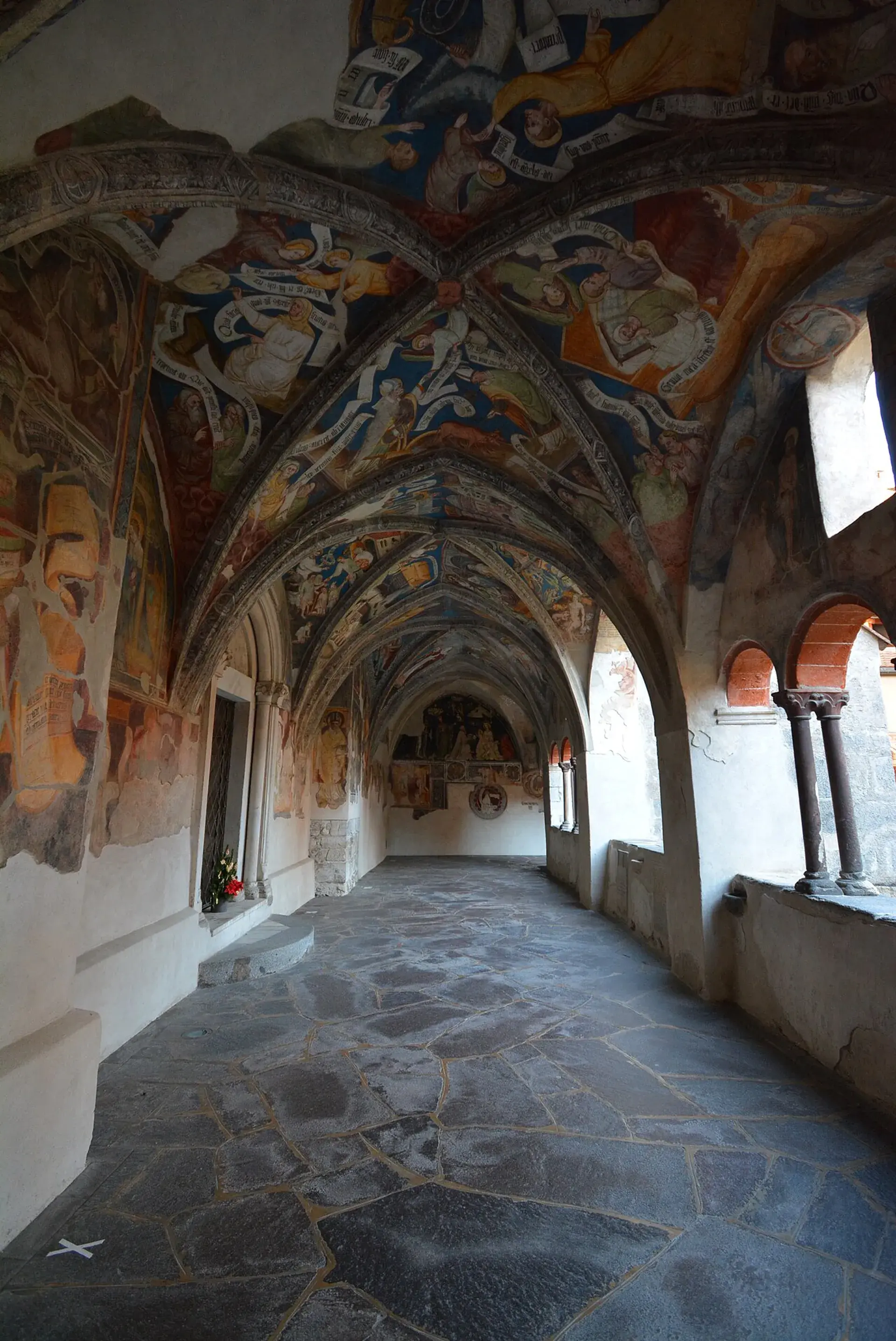
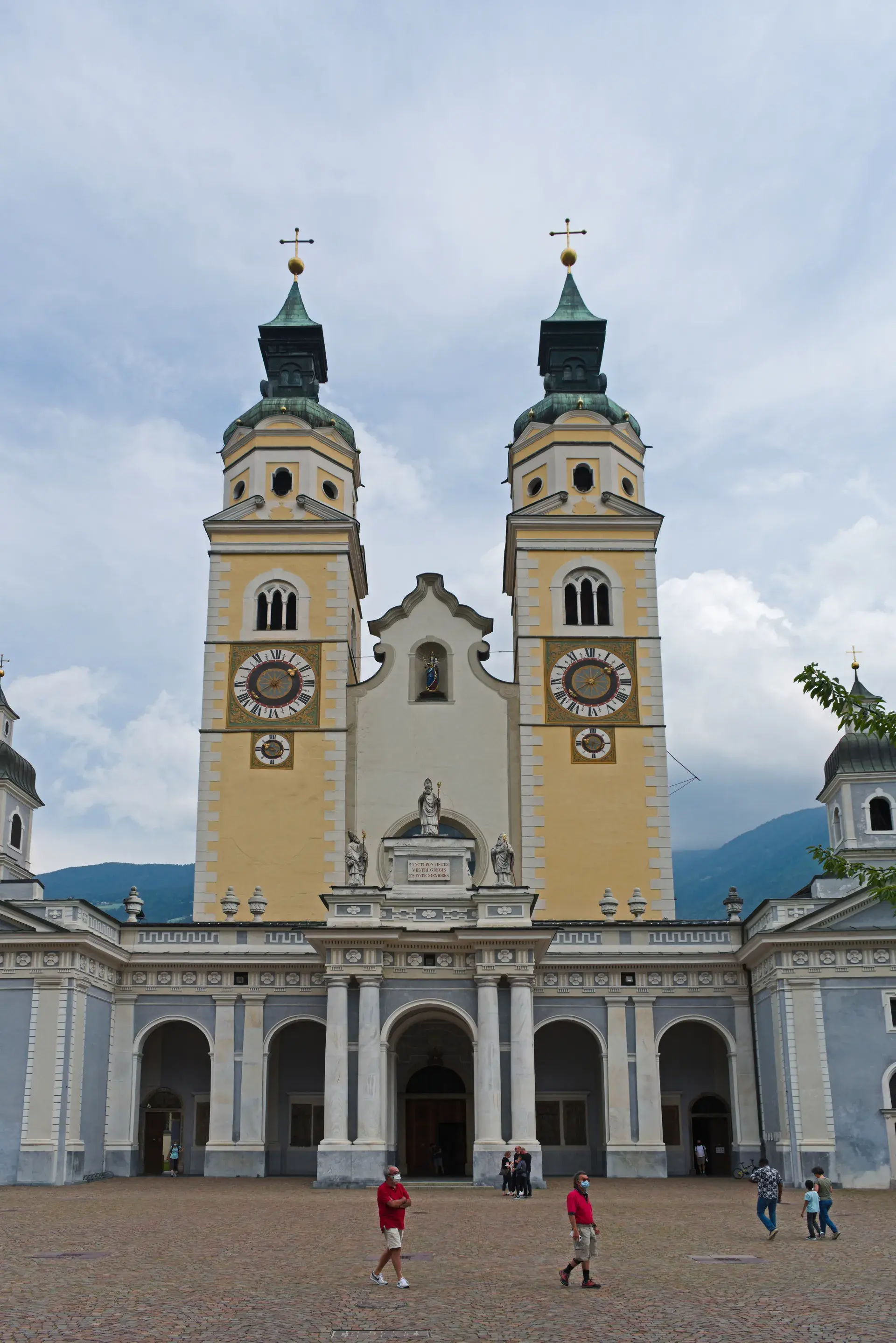
The Chiostro del Duomo di Bressanone, or Brixen Cathedral Cloister, stands as one of South Tyrol's most significant art monuments. Attached to the Brixen Cathedral, this medieval structure recounts centuries of religious devotion and artistic patronage by the city's powerful Prince-Bishops. Its walls, adorned with extensive Gothic frescoes, offer a vivid glimpse into the region's past.
Architectural Evolution
The cloister's origins date back to pre-Romanesque times. It underwent a significant Romanesque-style reconstruction in the 12th century before a major Gothic overhaul in the 14th century largely defined its current appearance. This pivotal transformation was commissioned by Bishop Frederick of Erdingen and included the addition of a Gothic groined vault. A leading artisan during this renovation was a master named Utz(o), whose tomb is located in the cloister's 13th arcade.
A Medieval "Picture Bible"
The cloister is renowned for its extensive cycle of Gothic frescoes, primarily from the 14th and 15th centuries. Created by a host of regional artists including Leonardo da Bressanone, Giovanni, and Ruprecht Potsch, these artworks served as a "picture Bible" for a largely illiterate population. The frescoes do not form a single coherent narrative; instead, they often functioned as individual tomb decorations commissioned by members of the cathedral clergy. These works frequently depict the donors alongside their patron saints.
A Hub of Sacred and Secular Life
During the Middle Ages, the cloister served multiple functions. It was a vital covered passageway connecting the cathedral with the bishop's residence, chapter house, and school. It was also a revered burial site for the cathedral's clergy. Uniquely, a portion of the cloister had a non-religious purpose. Arcades 16 through 20 were designated as a "profane area," where students from the cathedral school could congregate and peddlers were permitted to sell their goods tax-free.
Notable Details Within the Frescoes
Among the many artistic treasures, some details stand out. A particularly unusual fresco in the 3rd arcade depicts an elephant. This image is believed to be inspired by the biblical account in 1 Maccabees, which describes war elephants used in battle. This detail showcases the diverse sources of inspiration for the medieval artists who worked here.
The Cloister Today
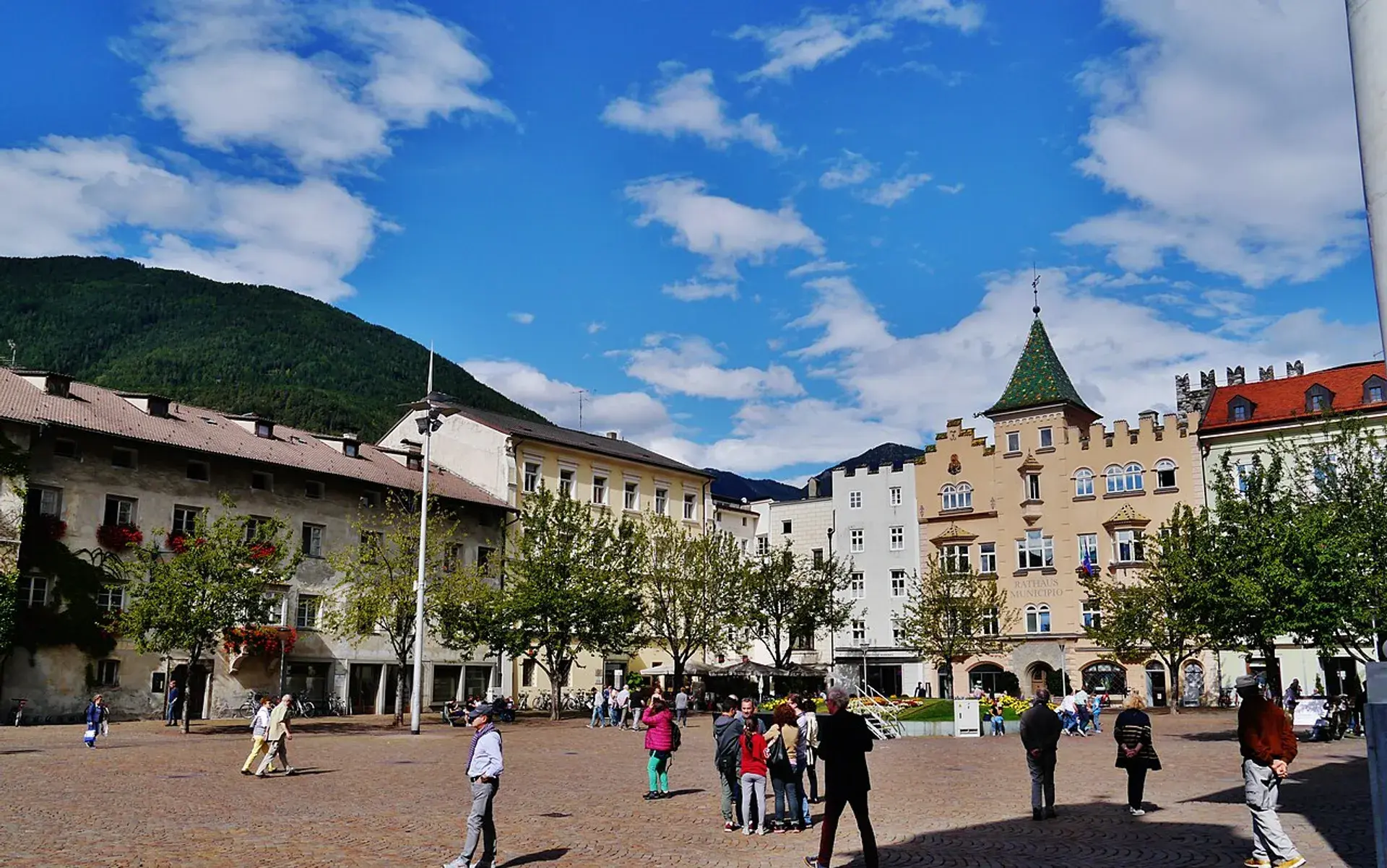
Today, the Chiostro del Duomo di Bressanone remains an integral part of the city's cathedral district, a major attraction for visitors. The inner yard of the cloister is freely accessible to the public. Adjacent to the complex, the Cathedral Square (Piazza Duomo) continues to be a vibrant center for the community, hosting events like the annual Christmas Market and the South Tyrolean Bread and Strudel Market.
FAQ
What is the most surprising feature of the Brixen Cloister?
A section of the cloister, specifically arcades 16 through 20, was a designated "profane area" where students gathered and merchants sold tax-free goods, a unique feature for a sacred space.
Are the frescoes in the cloister a single continuous story?
No, the Gothic frescoes are not a single narrative. They are mostly individual tomb decorations commissioned by different patrons, resulting in a collection of standalone artistic works.
Who commissioned the cloister's Gothic reconstruction?
The major Gothic overhaul in the 14th century, which gave the cloister its current appearance with its distinctive groined vault, was commissioned by Bishop Frederick of Erdingen.
Is there an unusual animal depicted in the cloister's frescoes?
Yes, a fresco in the 3rd arcade features an elephant, which is believed to be inspired by a biblical account of war elephants in the Book of Maccabees.