Stufles: Discovering the Ancient Heart of Brixen
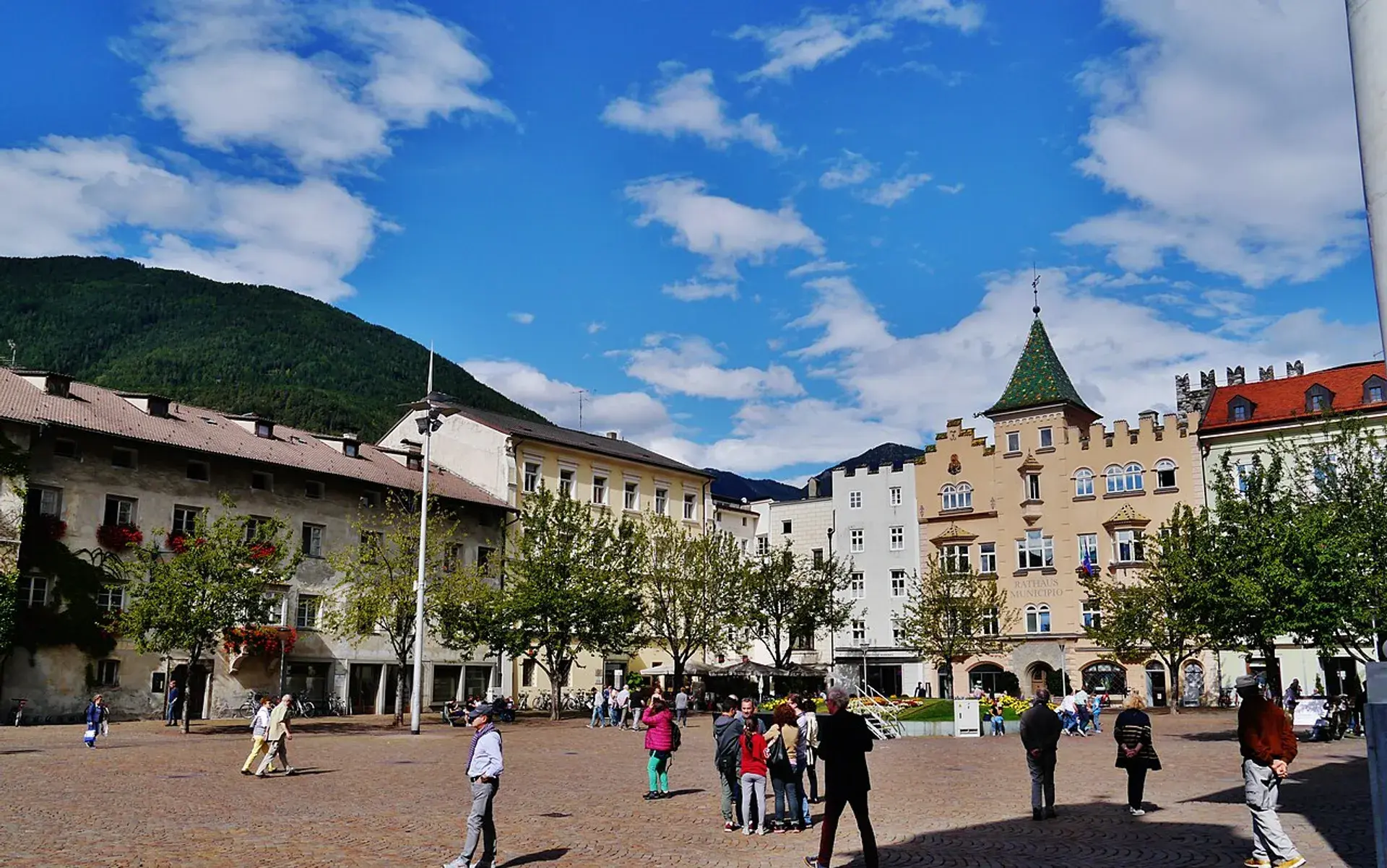
Stufles is the primordial core of Brixen (Bressanone), a picturesque district whose charming medieval facade conceals a history stretching back to prehistoric times. As the city's oldest quarter, it has been continuously inhabited long before Brixen's first official documentation, offering a unique window into the region's deep and layered past.
Ancient Origins and Strategic Importance
Long before Brixen was referenced as "Prihsna" in 901 AD, settlements existed in Stufles during the Hallstatt period. Its strategic location at the confluence of the Eisack and Rienz rivers, along with its position on the key Roman road Via Claudia Augusta and the Brenner alpine route, made it a site of early and continuous human activity. Archaeological findings from the Stone Age, Roman, and medieval periods confirm its ancient origins.
The name 'Stufles' itself may hint at this deep past, possibly deriving from the Latin 'ad stubulas,' meaning 'at the steam baths' or 'heated rooms,' suggesting the presence of Roman-era facilities.
The Era of the Prince-Bishops
Stufles was fundamental to the development of Brixen as a powerful ecclesiastical state. The foundation was laid in 901 AD when King Louis IV the Child granted the royal court of "Prihsna" to Bishop Zacharias of Säben. A century later, Bishop Hartwig (1020–1039) elevated Brixen to a city and encircled it with fortifications.
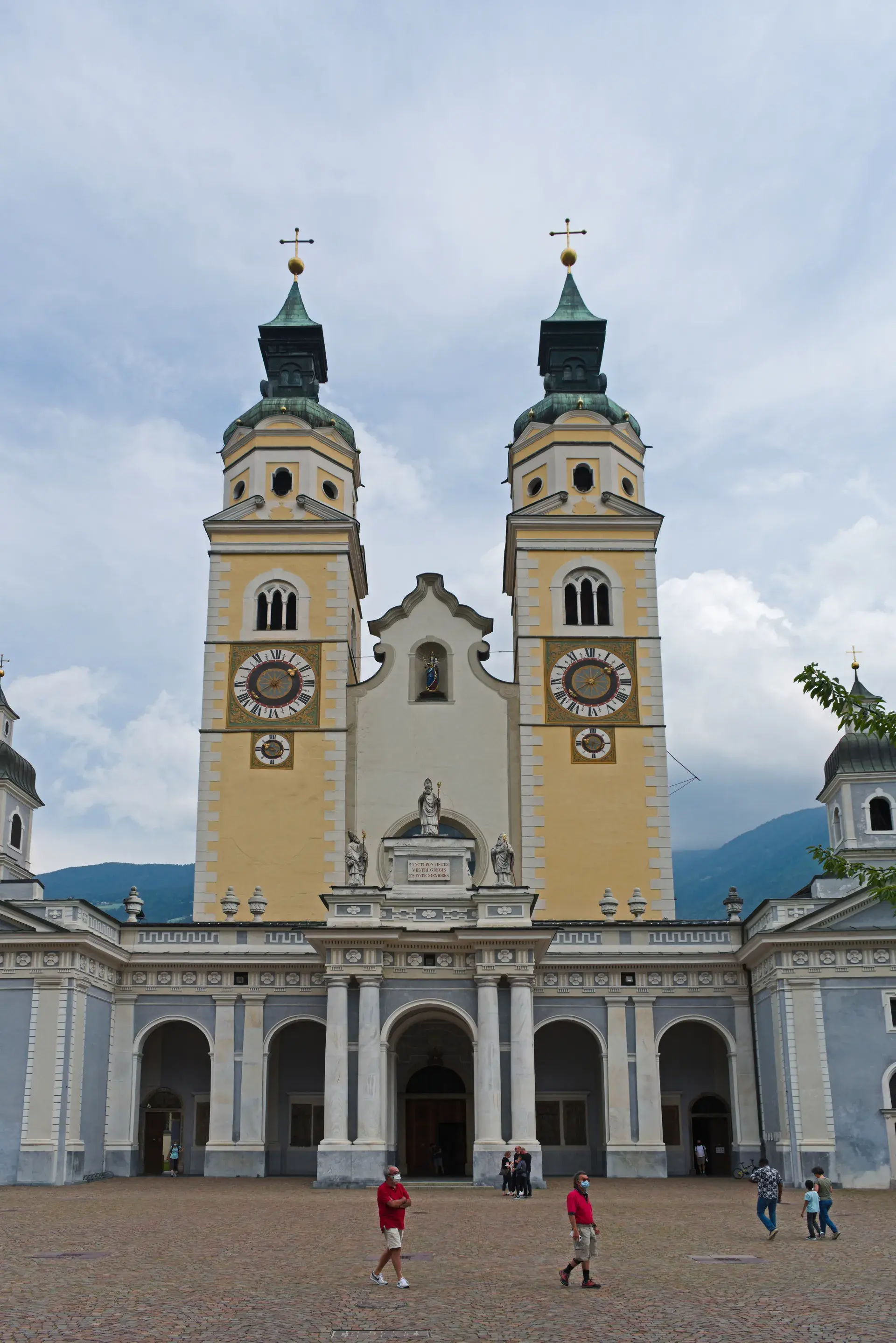
In 1027, Emperor Conrad II granted suzerainty to the bishops, formally establishing the Prince-Bishopric of Brixen. This gave the bishops significant secular and religious authority, an power they would hold for nearly eight centuries until the principality's secularization in 1803. The Prince-Bishops left an indelible mark on the character and development of the entire city, including its ancient heart, Stufles.
Layers of History Unearthed
Beneath the quaint streets of Stufles lies dramatic evidence of its long history. Following a fire in the district, archaeological excavations unearthed not only carbonized beams and numerous loom weights but also a startling discovery. Below the fire layer, a burial site was found containing two individuals. One was placed in a prone position with their hands tied behind their back, a stark and mysterious glimpse into a distant past.
Stufles in the Modern Era
Today, Stufles is celebrated as one of Brixen's most charming districts. Its historic building stock is recognized for its value and placed under the protection of the Fine Arts. The area functions as a pedestrian zone and a vibrant creative hub, featuring small ateliers, cozy cafés, and attractive shops along its narrow alleys and picturesque riverbanks.
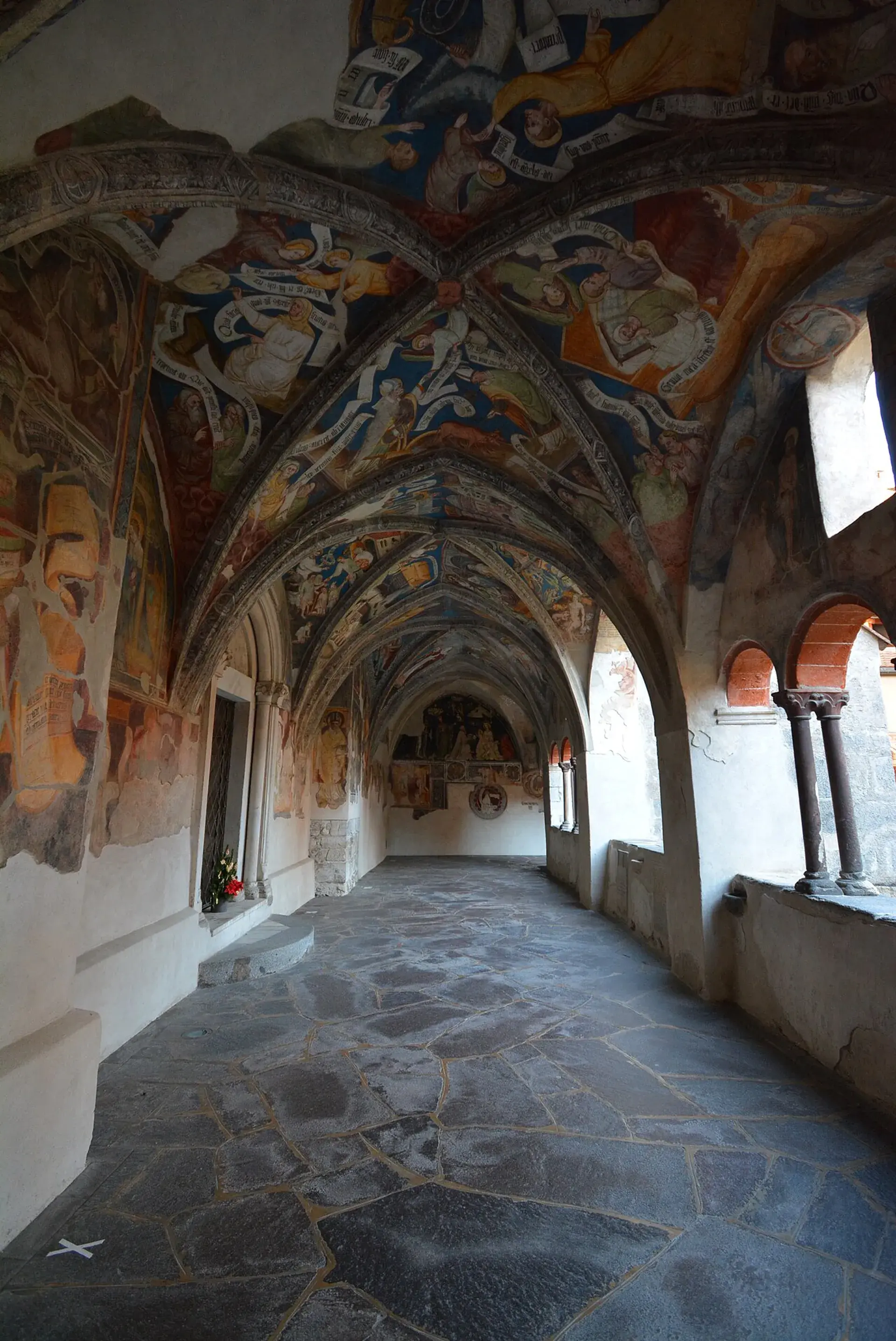
Visitors can explore artistic highlights like the Guardian Angel Church. For those interested in its ancient past, an "Archeopfad" (archaeological path) in the vicinity provides informational tables detailing the area's significant archaeological finds.
FAQ
What is Stufles?
Stufles is the oldest district of Brixen (Bressanone), with a history of continuous habitation that dates back to the Neolithic and Roman periods, predating the city's first documented mention.
What is the origin of the name Stufles?
The name 'Stufles' is thought to derive from the Latin 'ad stubulas,' which translates to 'at the steam baths' or 'heated rooms,' hinting at the presence of Roman facilities in the area.
What surprising discovery was made in Stufles?
Following a fire, archaeological excavations in Stufles uncovered a burial site containing two individuals. One of them was found in a prone position with their hands tied behind their back.
How long was Brixen a Prince-Bishopric?
Brixen was the capital of a Prince-Bishopric, where bishops held both secular and religious power, from its establishment in 1027 AD until its secularization in 1803, a period of nearly eight centuries.