Chioggia Cathedral: Santa Maria Assunta Guide
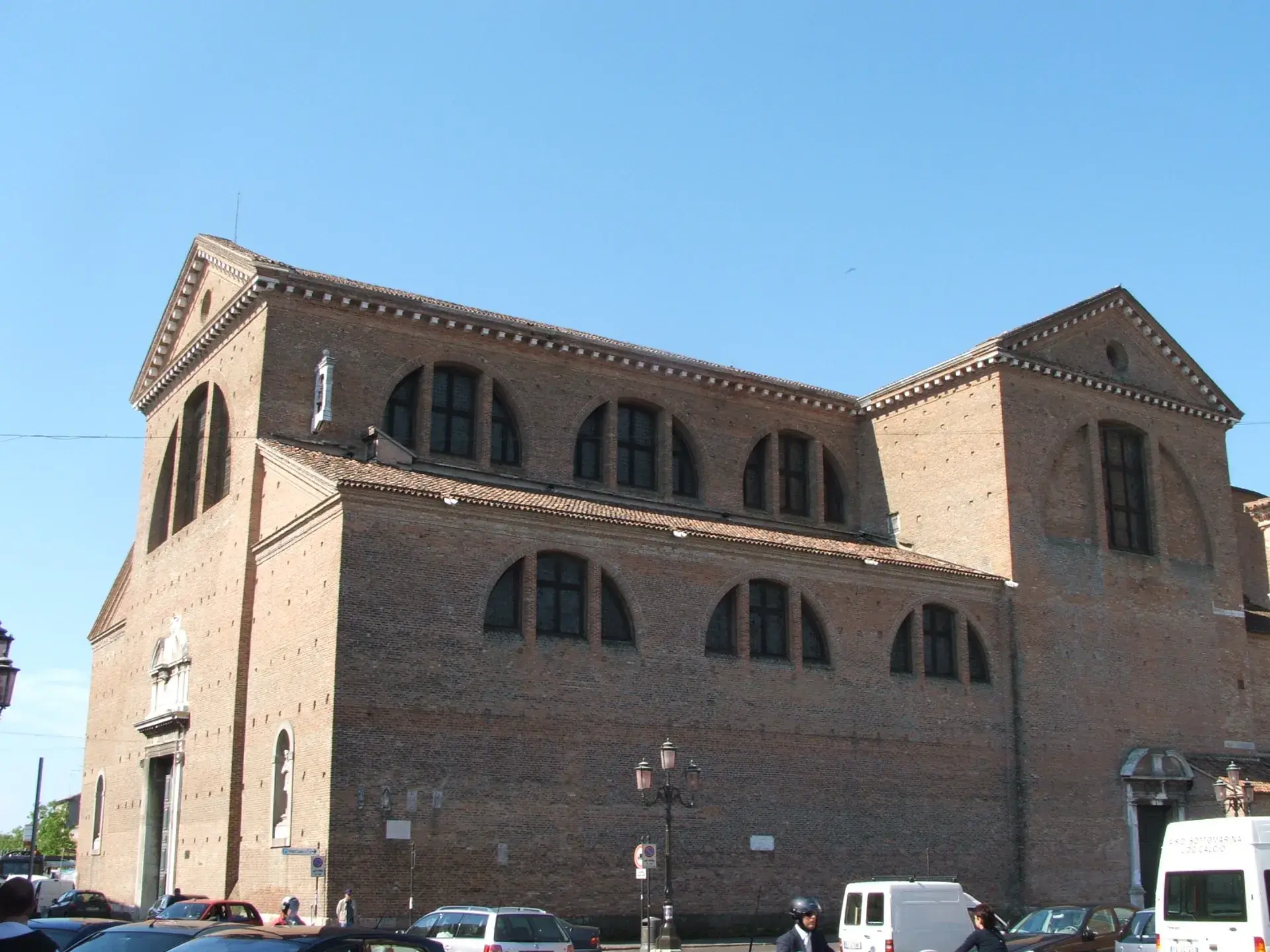
The Cattedrale di Santa Maria Assunta, also known as the Duomo of Chioggia, is the city's principal place of worship and a designated Italian national monument. This imposing Baroque structure was designed by the celebrated architect Baldassare Longhena, marking a significant landmark in the historic center.
A History of Fire and Rebirth
The site has a long ecclesiastical history, serving as a cathedral since the early 12th century. The original Romanesque church, dating to around 1090, was tragically destroyed by a fire on Christmas night in 1623. Reconstruction began promptly the following year, with the first stone of the new cathedral laid in 1624 under the direction of Baldassare Longhena. While the new church was consecrated in 1674, final completion works continued until 1802. In a more recent event, the roof of the left transept collapsed in 1988, leading to a restoration that concluded in 1992.
Architectural Grandeur
Longhena's design is a masterful example of Baroque style, blending Corinthian and Ionic architectural orders. The cathedral is an imposing structure, measuring 66 meters in length, 33 meters in width, and 30 meters in height. Standing separately is the Romanesque-style campanile, or bell tower, which predates the current cathedral. Its construction began in 1347, and it rises 56 meters, crowned with an octagonal dome. The tower features a large clock with a diameter of over four meters, installed in 1686, and a bass-relief commemorating Pope Alexander III's visit in 1177.
A Unique Interior Layout
A surprising feature of the cathedral is the placement of its main altar. Designed by Alessandro Tremignon between 1671 and 1674, the altar is not positioned against the back wall but stands in the center of the presbytery. This unusual arrangement is a direct result of Longhena's decision to invert the medieval church's orientation. He moved the main entrance to face the city's primary street, but to uphold tradition, the presbytery remained oriented to the east, necessitating the central placement of the altar.
Art and Artifacts
The interior of the cathedral houses significant artistic treasures. Notable works include pieces by artists Jacopo Palma il Giovane and Francesco Rosa. Visitors can also admire a pulpit sculpted by Bartolomeo Cavalieri in 1677, a baptistery created by Alvise Cattajapietra between 1700 and 1708, and an organ built by Gaetano Callido in the mid-18th century. Testifying to the site's long history, a sarcophagus from 1474 and some 15th-century statues can be found on the cathedral's left side.
FAQ
Who designed the Chioggia Cathedral?
The current Cattedrale di Santa Maria Assunta was primarily designed by the celebrated Baroque architect Baldassare Longhena. He began the reconstruction in 1624 after a fire destroyed the previous Romanesque structure.
Why is the main altar in the center of the presbytery?
The altar's central placement is a result of the 17th-century reconstruction. Architect Baldassare Longhena inverted the church's orientation to have the entrance on the main street, but the presbytery remained oriented to the east by tradition, leading to this unique layout.
Is the bell tower part of the main cathedral building?
No, the Romanesque-style campanile, or bell tower, stands separate from the main cathedral. Its construction began in 1347, predating Longhena's Baroque cathedral.
What is the Cattedrale di Santa Maria Assunta used for today?
It continues to function as the primary place of Catholic worship for the Diocese of Chioggia, hosting daily masses. It is also an Italian national monument, open daily for visitors to explore its historical and artistic treasures.