Corso del Popolo: The Vibrant Heart of Chioggia
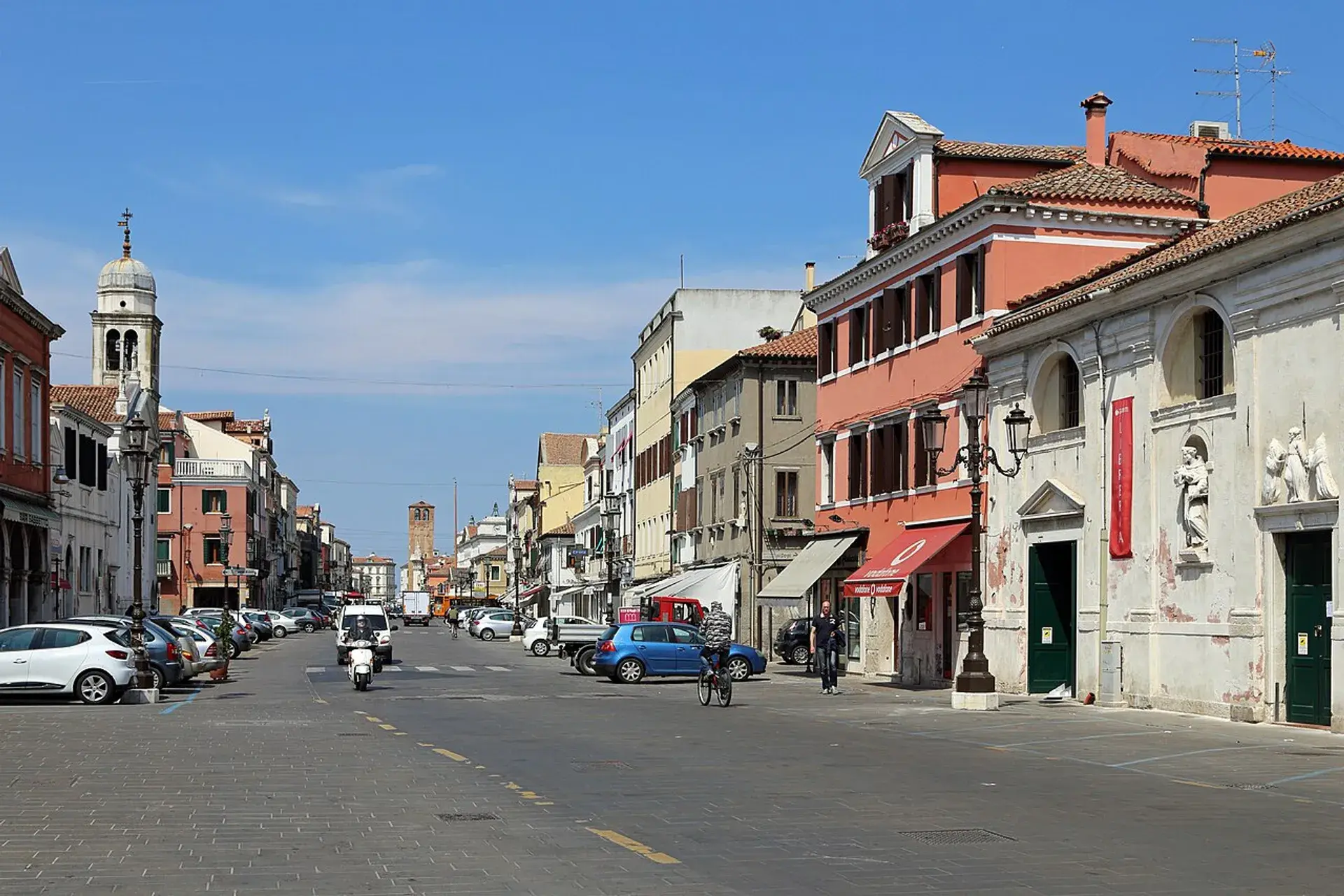
The Corso del Popolo is the principal street and civic heart of Chioggia, a bustling thoroughfare that functions as the city's "piazza-street." Stretching approximately 830 meters from the Porta Garibaldi to the lagoon, it serves as a central hub for social life, commerce, and local services. Often referred to by locals simply as the 'piazza,' this street embodies the city's long and rich history, connecting ancient foundations with contemporary life.
A History Etched in Stone
The origins of the Corso del Popolo trace back to the Roman settlement of Clodia, where it followed the direct path of the ancient north-south axis, or cardo. The city's importance grew significantly after the episcopal see was transferred from Malamocco to Chioggia in 1110. The street's current architectural character largely took shape between the 17th and 18th centuries, a period when many adjacent palaces were reoriented to face this central artery, solidifying its prominence.
Architectural Landmarks
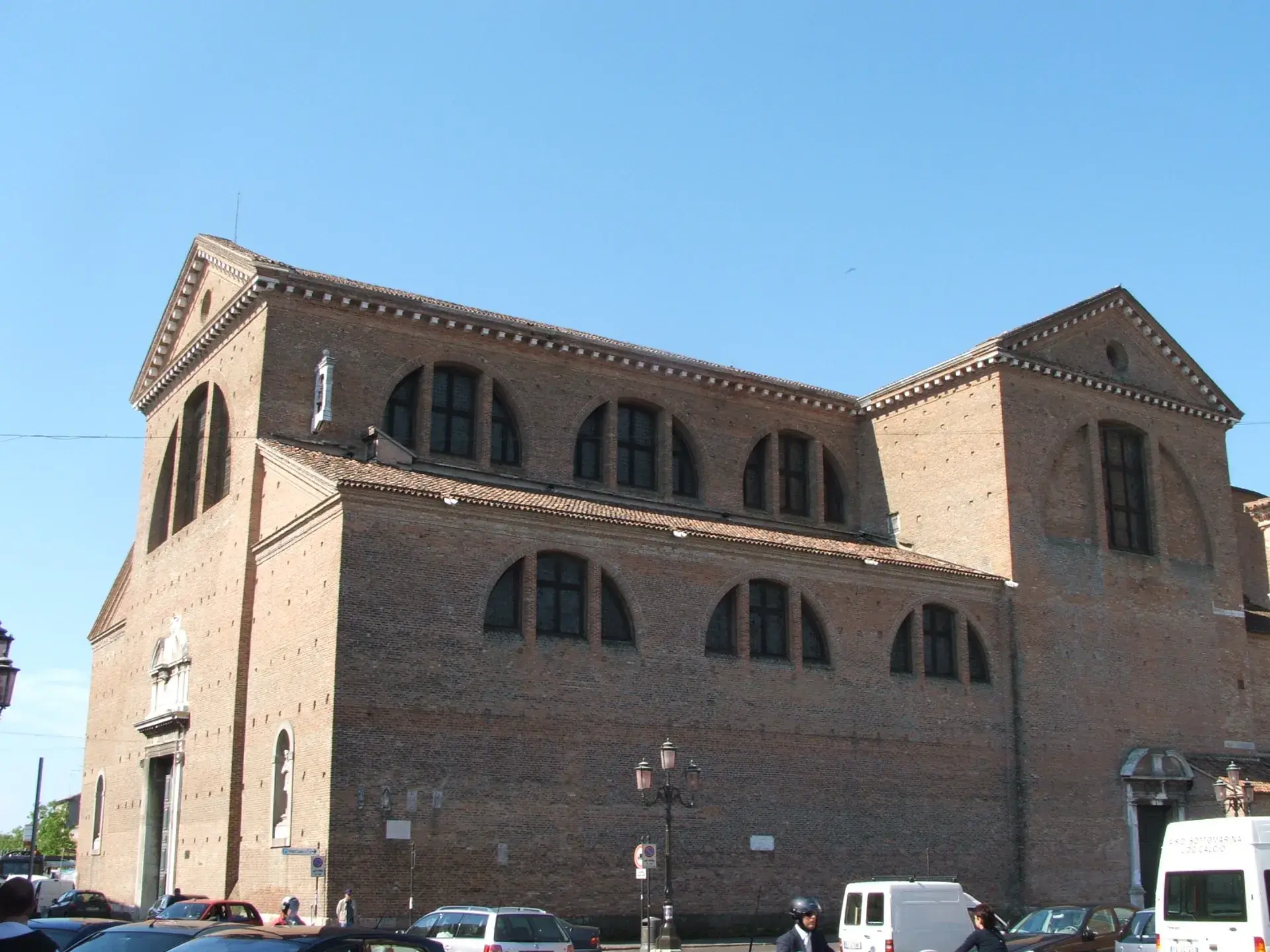
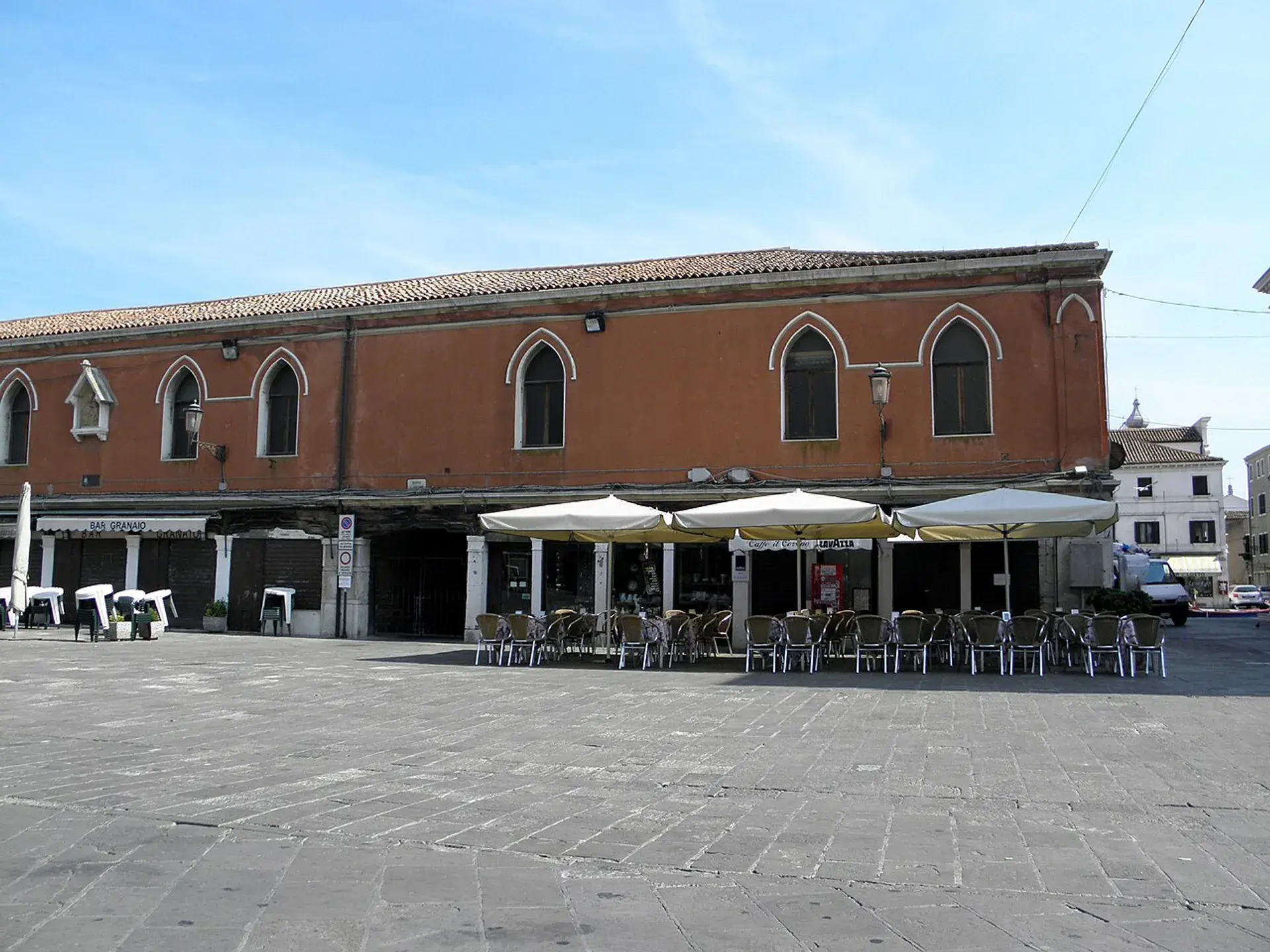
A stroll along the Corso del Popolo reveals a mix of architectural styles. At the southern end stands the Cathedral of Santa Maria Assunta, designed by Baldassare Longhena starting in 1623, which houses a remarkable Callido organ with 1,617 pipes. Another historic structure is the Granaio, an ancient building from 1322, notable for its Gothic tabernacle featuring a 'Madonna col Bambino' attributed to sculptor Jacopo Sansovino.
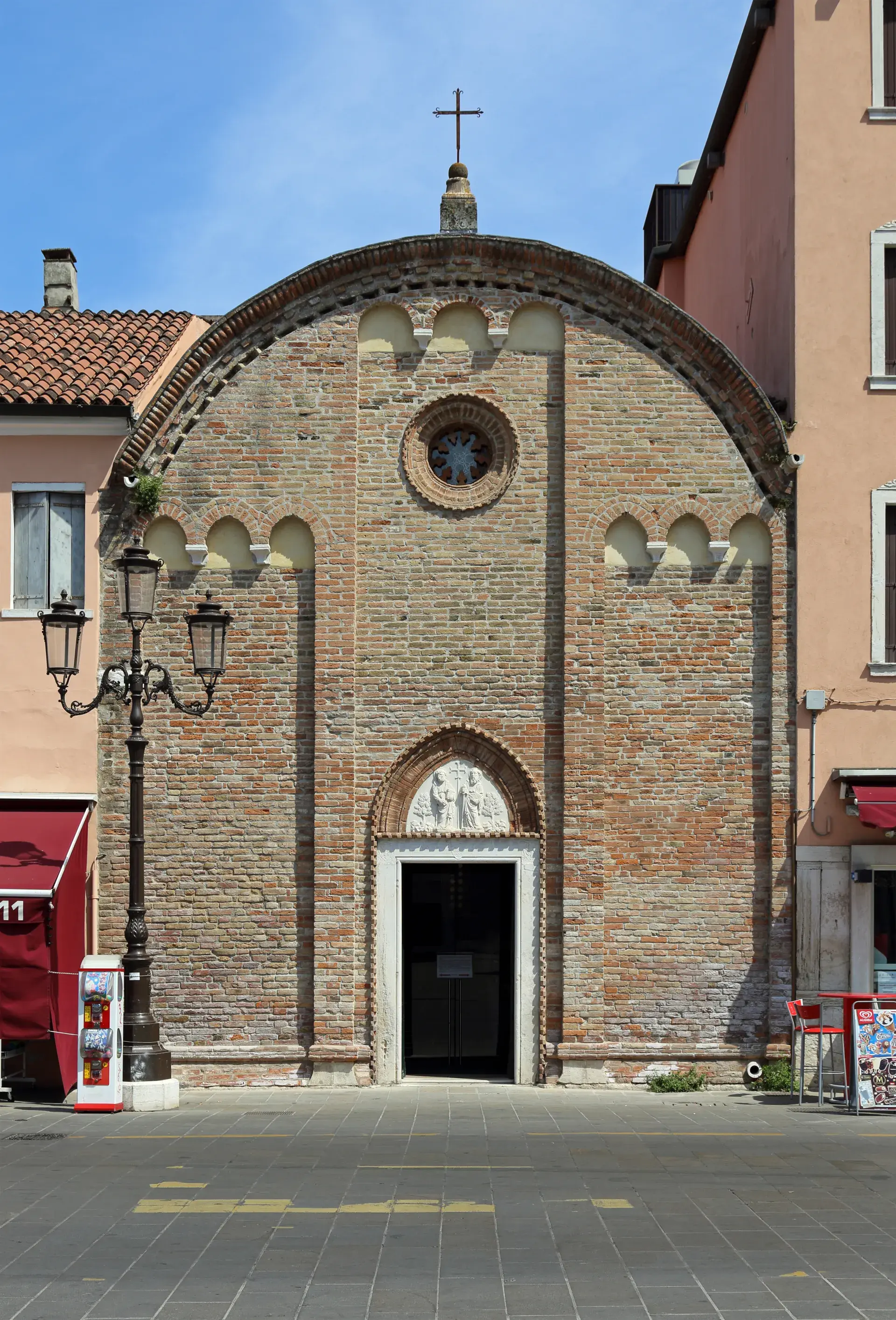
Other significant buildings include the neoclassical Palazzo Comunale and the Church of SS. Trinità, which was rebuilt in 1703 by Andrea Tirali. A surprising highlight is the Torre dell'Orologio, which contains one of the oldest working tower clocks in the world, believed to date from 1386.
The Corso Today
Today, the Corso del Popolo is Chioggia's vibrant "open-air lounge," bustling with activity from morning until night. The street is lined with an array of shops, boutiques, cafes, bars, and restaurants. It is a primary destination for both locals and visitors to stroll, dine, and socialize. The scents of freshly baked bread and the nearby sea from the fish market behind the Granaio add to the atmosphere.
The Corso regularly hosts events, including a large weekly market on Thursday mornings. Visitors may be surprised to find that, unlike car-free Venice, a significant portion of the street is accessible to cars and public transport. Local shops offer traditional Chioggian specialties, including biscuits, handcrafted lace, and unique terracotta pipes known as "chioggiotte."
A Fishbone City Plan
The distinctive urban layout of Chioggia's historic center gives it the appearance of a fishbone. The Corso del Popolo forms the central spine, with narrow streets, or calli, branching off perpendicularly like the bones of a fish. This unique structure is a fundamental part of the city's character, distinguishing it even from its famous neighbor, Venice.
FAQ
What is the Corso del Popolo?
The Corso del Popolo is the main street and civic heart of Chioggia, Italy. Stretching about 830 meters, it functions as a central promenade for social life, commerce, and services, often called a "piazza-street."
What is special about the clock on the Corso del Popolo?
The Torre dell'Orologio, located along the Corso del Popolo, houses one of the oldest working tower clocks in the world, believed to date back to 1386.
Are there markets on the Corso del Popolo?
Yes, the Corso del Popolo regularly hosts markets. The most notable is a large weekly market that takes place on Thursday mornings.
Can you drive on the Corso del Popolo?
Yes, unlike many historic centers in the region, a significant portion of the Corso del Popolo remains accessible to cars and public transportation.