Ponte Caneva: A Classic View of Chioggia's Canal Vena
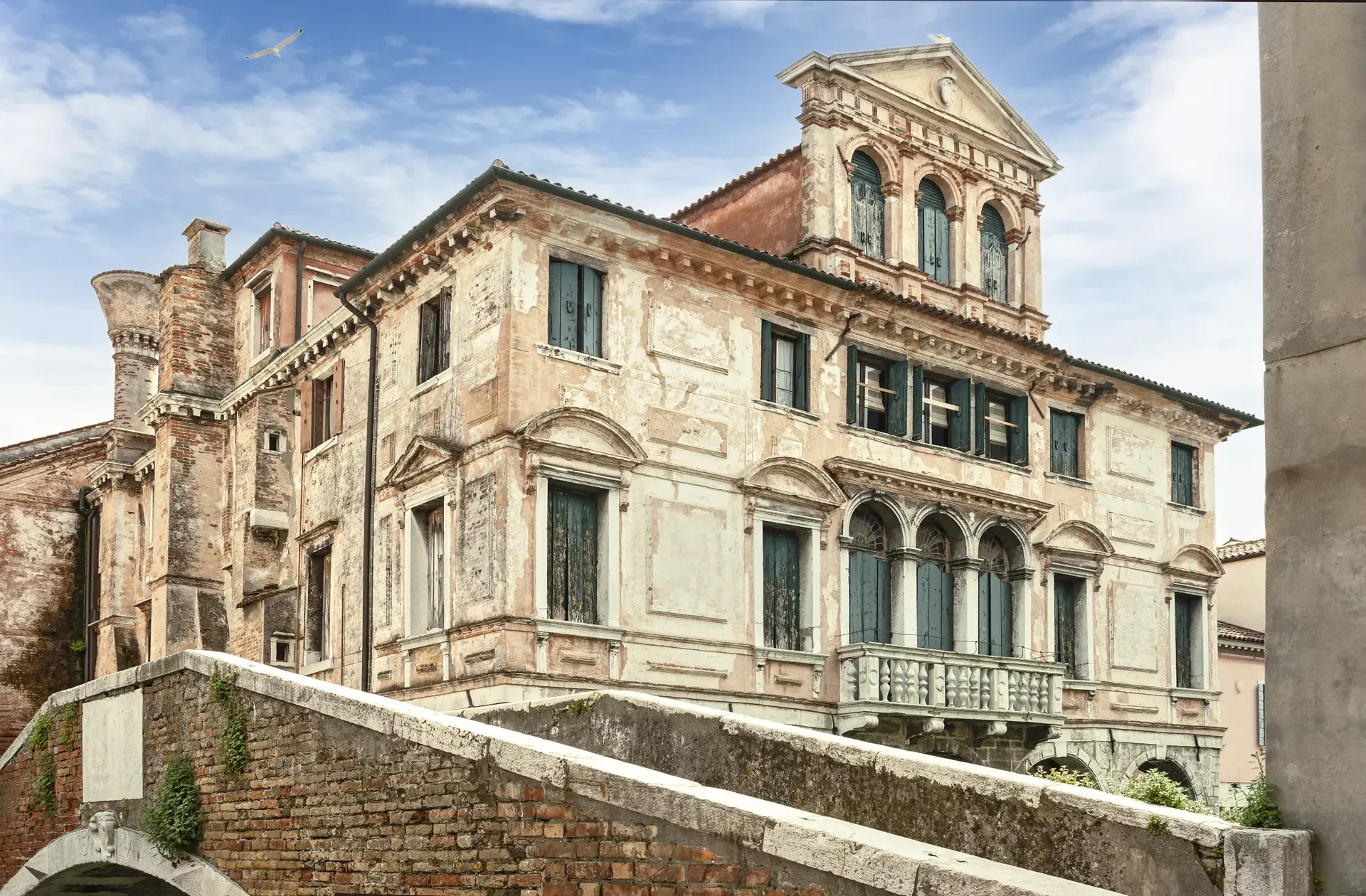
The view from Ponte Caneva offers a picturesque glimpse of Canal Vena, Chioggia's main waterway, characterized by its vibrant, colorful buildings and a series of charming bridges. This vantage point provides a scene often compared to a miniature Venice, capturing the essence of this unique maritime city.
The Historic Ponte Caneva
Ponte Caneva stands as a testament to Chioggia's history. Originally a wooden structure, the bridge was rebuilt using fired stone in 1721 and underwent further modifications in 1741. Its final masonry form, a classic arch design, was completed between 1759 and 1764 under Podestà Lorenzo Memmo. The bridge features brick walls, with handrails and steps made of Istrian stone and paving of trachyte. Recent restoration efforts, which included replacing deteriorated stones, were completed around November 2024.
The bridge's name likely comes from the local Chioggiotto dialect word 'càneva,' meaning 'cellar,' referencing a nearby cantina. It was also historically known as 'Ponte del Crocifisso' due to a significant wooden crucifix once housed under the porticoes of the nearby Palazzo Mascheroni.
Canal Vena: The Heart of Chioggia
For centuries, Canal Vena was the vital center of life and commerce in Chioggia. Its daily fish and fruit markets were historically crucial for provisioning the city of Venice. The city's unique urban layout, often described as a 'fishbone' with streets running perpendicular to the main canal, has Roman origins. The Roman historian Pliny the Elder even made early references to the area.
Along the canal, the buildings showcase a distinct Venetian architectural style. A surprising detail can be found in the canal's retaining stones, where ancient ammonite fossils are visibly embedded.
A Modern-Day Attraction
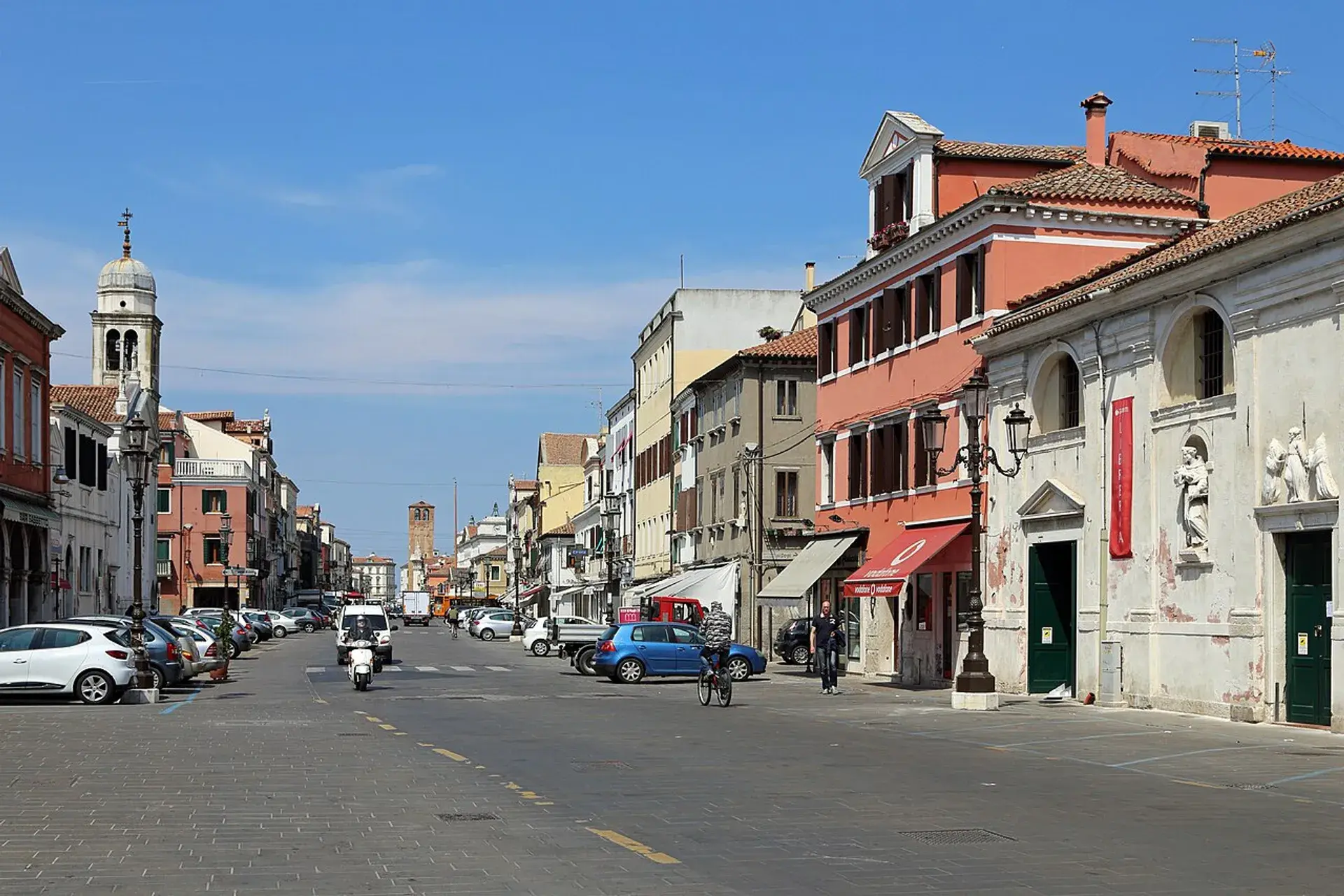
Today, Canal Vena is a prominent attraction for visitors. The area is a lively hub filled with restaurants, ice cream parlors, local shops, and 'bacari' (wine bars). The atmosphere is particularly vibrant in the evenings, with 'cicchetterie' offering small snacks and wine. Ponte Caneva serves as a popular location for photography and acts as a gateway to the authentic local culture found in the surrounding alleys.
To protect the historic center from frequent high tides, Canal Vena is equipped with a 'Baby Mose' system. Installed in 2012, this system consists of two disappearing gates capable of defending against tides up to 130 centimeters. The iconic view has also been immortalized in art, notably in Emanuel Vidović's 1898 painting 'Chioggia (Vena Canal in Chioggia)'.
FAQ
Why is Chioggia called 'Little Venice'?
Chioggia is often called 'Little Venice' because of its canals, bridges, and Venetian-style architecture. However, it is primarily a maritime and fishing city with its own distinct, authentic character and is generally less crowded than Venice.
What is the history of Ponte Caneva?
Ponte Caneva was originally made of wood. It was rebuilt in fired stone in 1721, and its final masonry arch structure was established between 1759 and 1764. The name 'Caneva' likely derives from the local dialect word for cellar.
What is the 'Baby Mose' system in Canal Vena?
The 'Baby Mose' is a flood protection system installed in 2012. It consists of two disappearing circular sector gates that can protect Chioggia's historic center from high tides.
Are there any unusual details to see along Canal Vena?
Yes, if you look closely at the retaining stones along the canal, you can see ancient ammonite fossils embedded within them.