Church of St. Nicholas in Cortona: Art and History
A Peaceful Landmark on Cortona’s Hillside
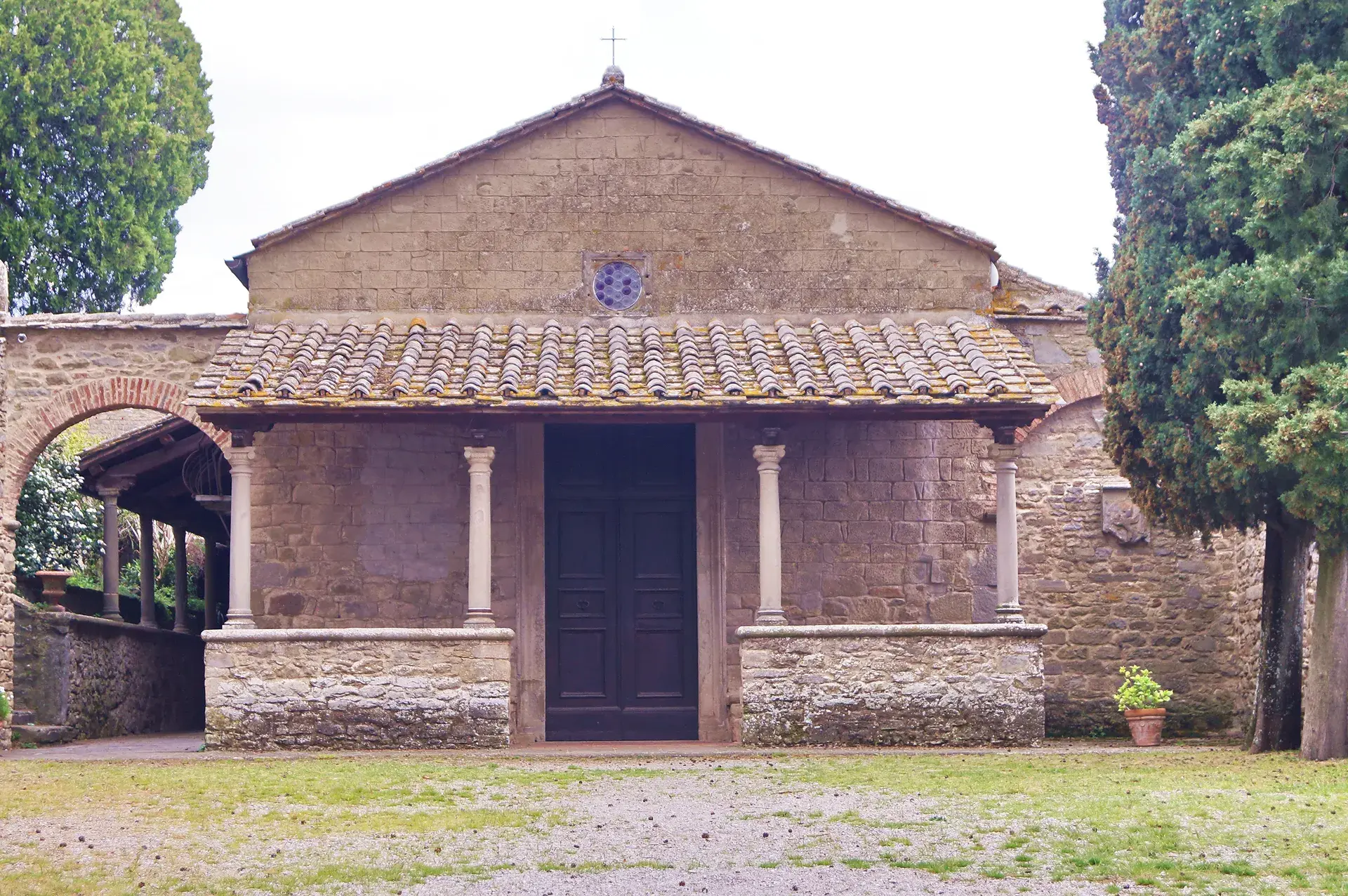
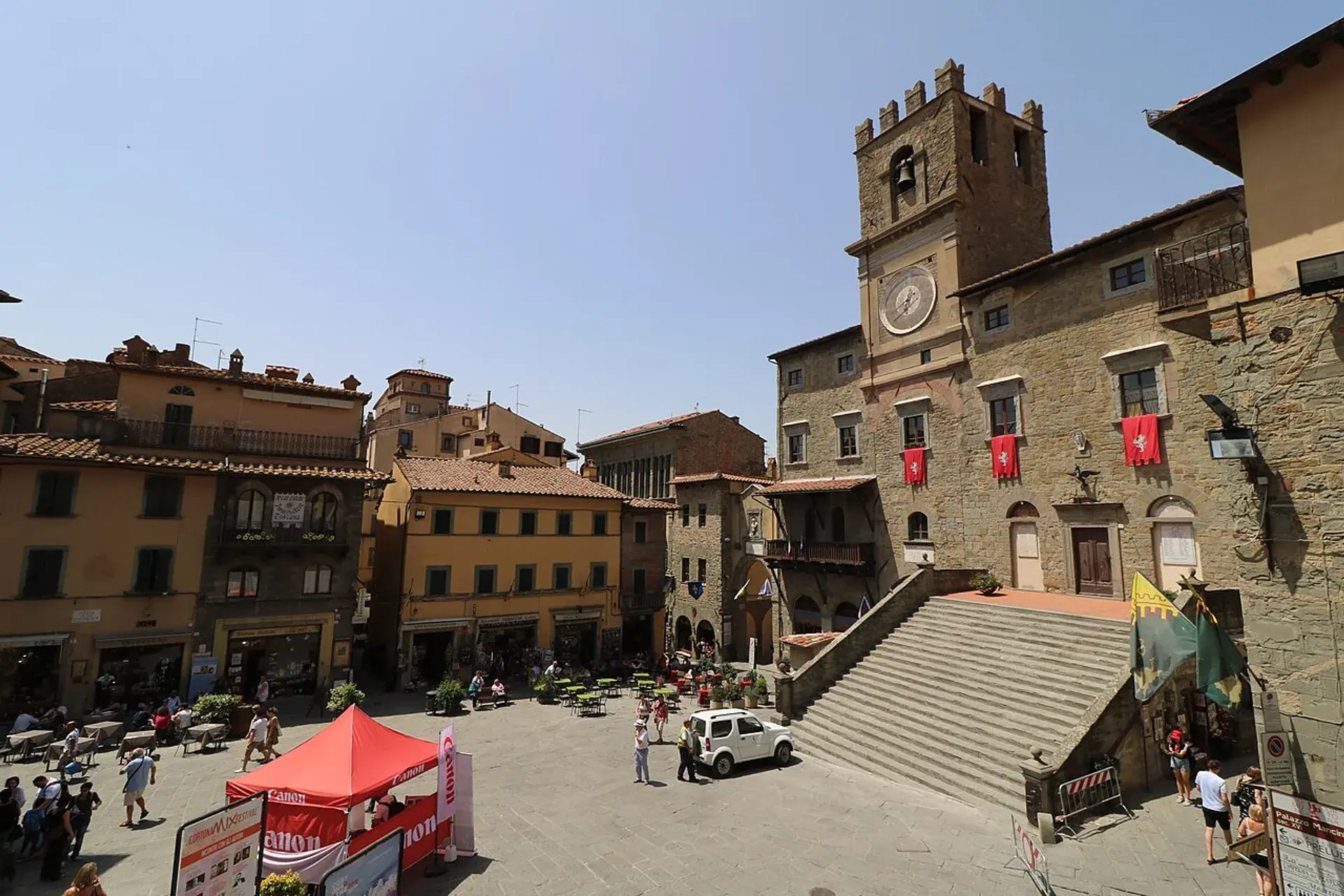
The Church of St. Nicholas (Chiesa di San Niccolò) is situated along Via San Niccolò in the steep upper quarter of Cortona. Marking the midpoint of the walking ascent from central landmarks such as Piazza della Repubblica and Via Berrettini toward the Basilica of Santa Margherita and the Girifalco Fortress, the church occupies a tranquil position within Cortona's historic artisan district.
Fronted by a stone retaining wall and framed by cypresses, the church features a rectangular grassy churchyard (sagrato) overlooking the rooftops of Cortona and the surrounding Valdichiana. Along the facade and left flank runs an L-shaped exterior portico, which was reconstructed in 1930 utilizing architectural elements from a 15th-century cloister.
Confraternity Roots and Historical Evolution
The site originated in 1440, when Franciscan preacher Saint Bernardino of Siena established the lay confraternity known as the Compagnia di San Niccolò during his ministry in Cortona. Dedicated to Saint Nicholas of Myra, the church served as the primary gathering place for the confraternity's brothers.
Native Renaissance painter Luca Signorelli lived and worked in this upper neighborhood and was an active brother (confratello) of the company. Around 1510, the confraternity commissioned Signorelli to produce a painted processional banner (gonfalone) for their liturgical use.
Although the building has 15th-century roots, the interior underwent a comprehensive decorative transformation during the 17th and 18th centuries. The earlier medieval and Renaissance fittings were replaced with Baroque ornamentation, including three ornate altars and a lacunar coffered ceiling installed in 1768.
The Signorelli Altarpiece and Sacred Interior
Passing from the bright Tuscan hillside into the church reveals a cool, single-nave hall beneath dark coffered wooden vaults. The church's focal point is Signorelli’s double-sided altarpiece (opera opistografa) from circa 1510, positioned directly behind the high altar.
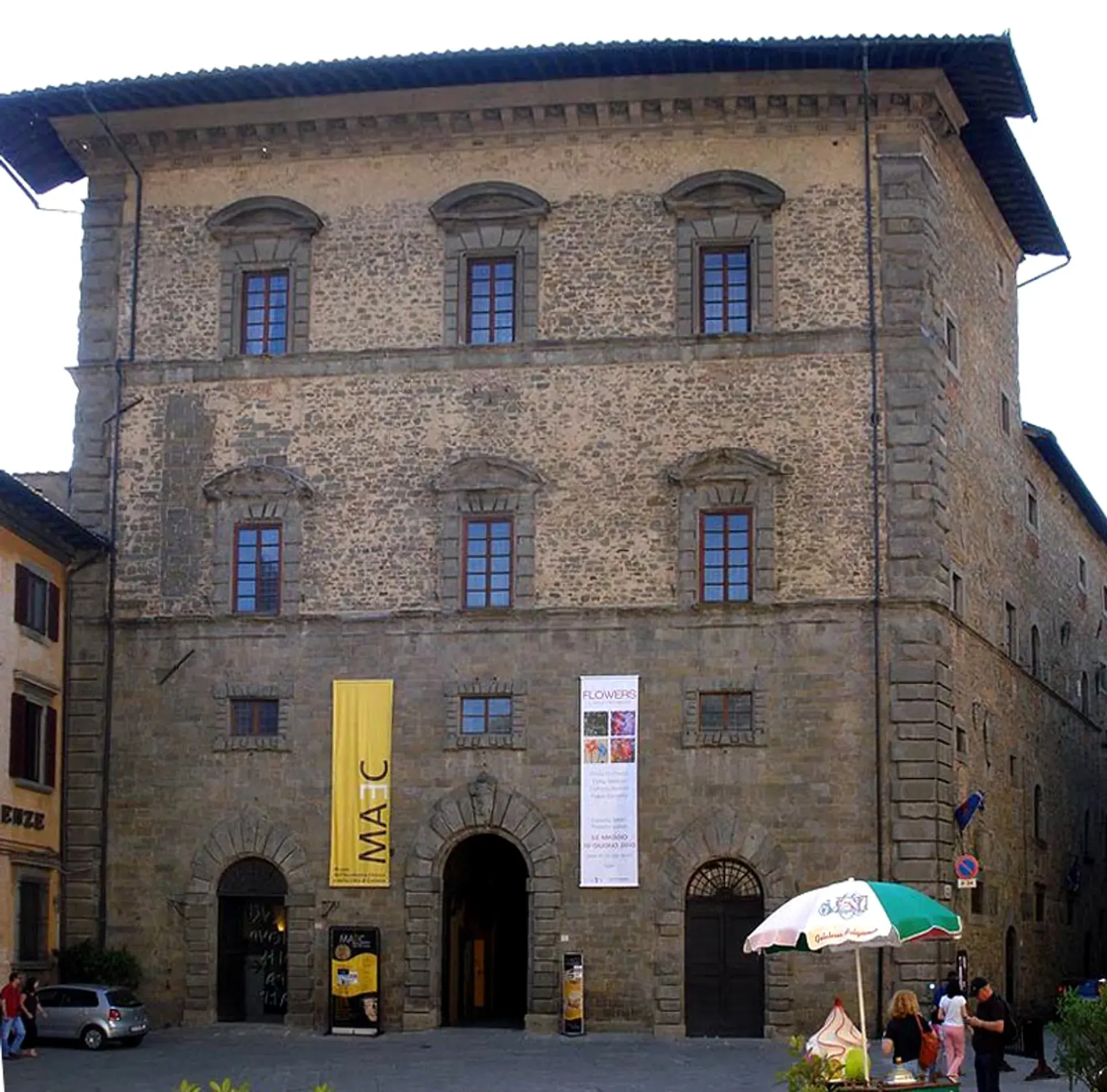
One side of the heavy panel depicts the Lamentation over the Dead Christ (Compianto), while the reverse shows the Madonna and Child enthroned between Saints Peter and Paul. To make both compositions accessible within a fixed altar space, the panel is mounted on a mechanical swivel hinge that allows custodians to rotate the artwork. While many of Signorelli's Cortonese paintings have been relocated to museums such as the Museo Diocesano and the MAEC, this altarpiece remains preserved in situ within the specific religious setting for which it was created.
In addition to the central altarpiece, the interior preserves other Renaissance artwork. The left interior wall features a large fresco showing the Madonna and Child surrounded by eight saints, produced by artists from Luca Signorelli’s workshop.
Practical Information and Access
The Church of St. Nicholas remains a consecrated Catholic place of worship administered by the Diocese of Arezzo-Cortona-Sansepolcro and maintains its long-standing connection to the Compagnia di San Niccolò. Because of its active religious status and modest size, general public access is typically restricted to weekends, major liturgical seasons, or via special arrangements with local guides and caretakers.
FAQ
Why does the altarpiece in the Church of St. Nicholas rotate?
The panel painted by Luca Signorelli is double-sided, depicting the Lamentation over the Dead Christ on the front and the Madonna and Child with Saints Peter and Paul on the back. It is mounted on a mechanical swivel hinge behind the high altar so custodians can turn the artwork to reveal both sides.
What is the history of the Church of St. Nicholas?
The church was established following the foundation of the lay Compagnia di San Niccolò by Saint Bernardino of Siena in 1440. The interior was later redesigned in the Baroque style during the 17th and 18th centuries, including the addition of three altars and a 1768 coffered ceiling.
Where is the Church of St. Nicholas located in Cortona?
It is located along Via San Niccolò on the hillside ascent connecting Cortona's historic center with the Basilica of Santa Margherita and the Girifalco Fortress.
How can visitors see inside the church?
The church is an active place of worship under the Diocese of Arezzo-Cortona-Sansepolcro. Interior access is primarily available on weekends, during religious celebrations, or through arrangements with local custodians and guides.