Museo del Violino: Cremona’s Lutherie Heritage
The Home of Cremonese Lutherie
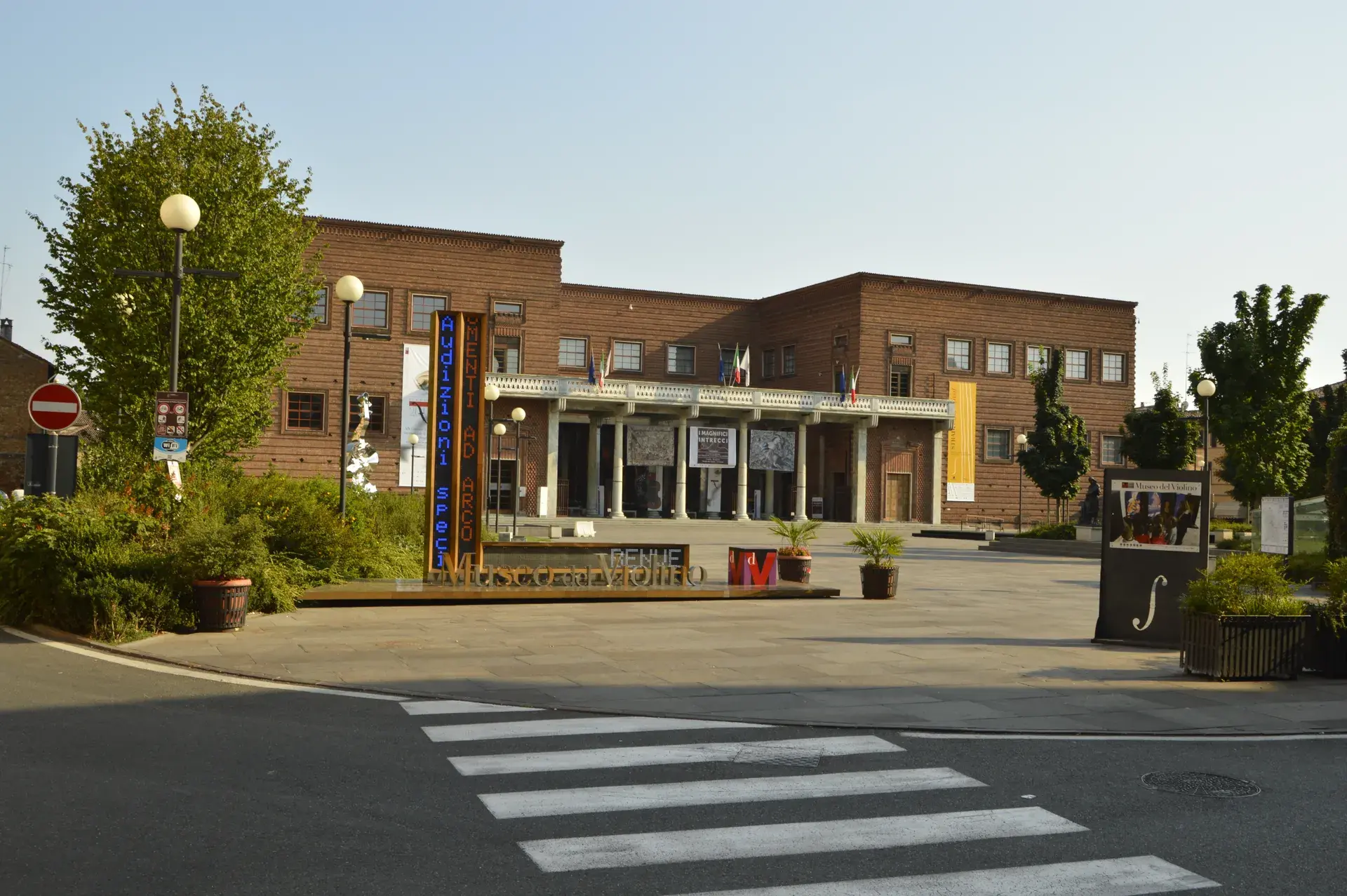
Situated on the southern side of Piazza Guglielmo Marconi in Cremona, the Museo del Violino stands as the civic and cultural focal point for centuries of Italian violin making. Between the mid-16th and mid-18th centuries, Cremona developed into Europe's preeminent center of lutherie. Master craftsman Andrea Amati standardized the modern violin form in the 1500s, initiating a tradition carried forward across generations by the Amati dynasty, the Guarneri family, and Antonio Stradivari. Today, this tradition is recognized on UNESCO's Representative List of the Intangible Cultural Heritage of Humanity and remains active across approximately 150 to 200 artisanal workshops throughout the city.
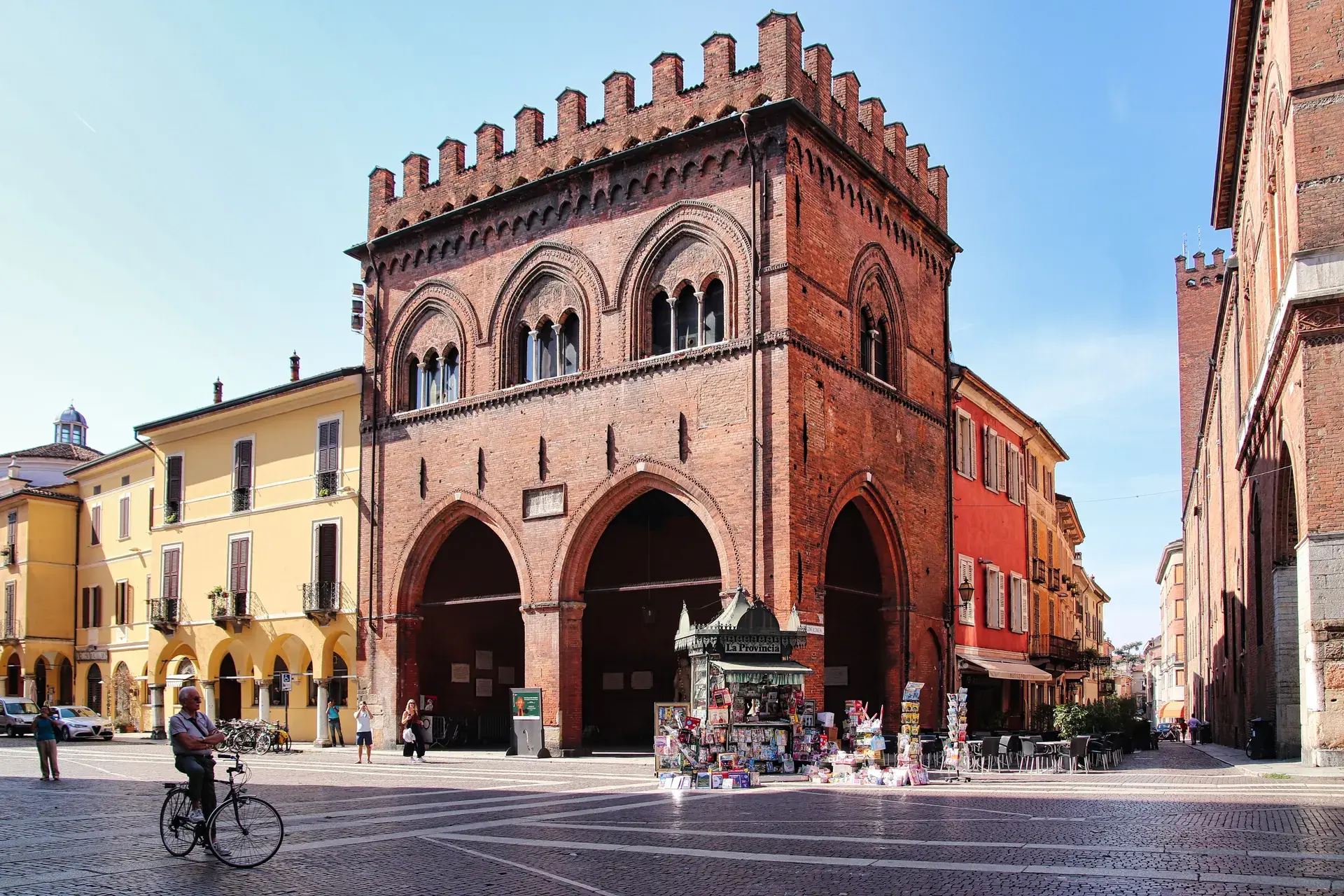
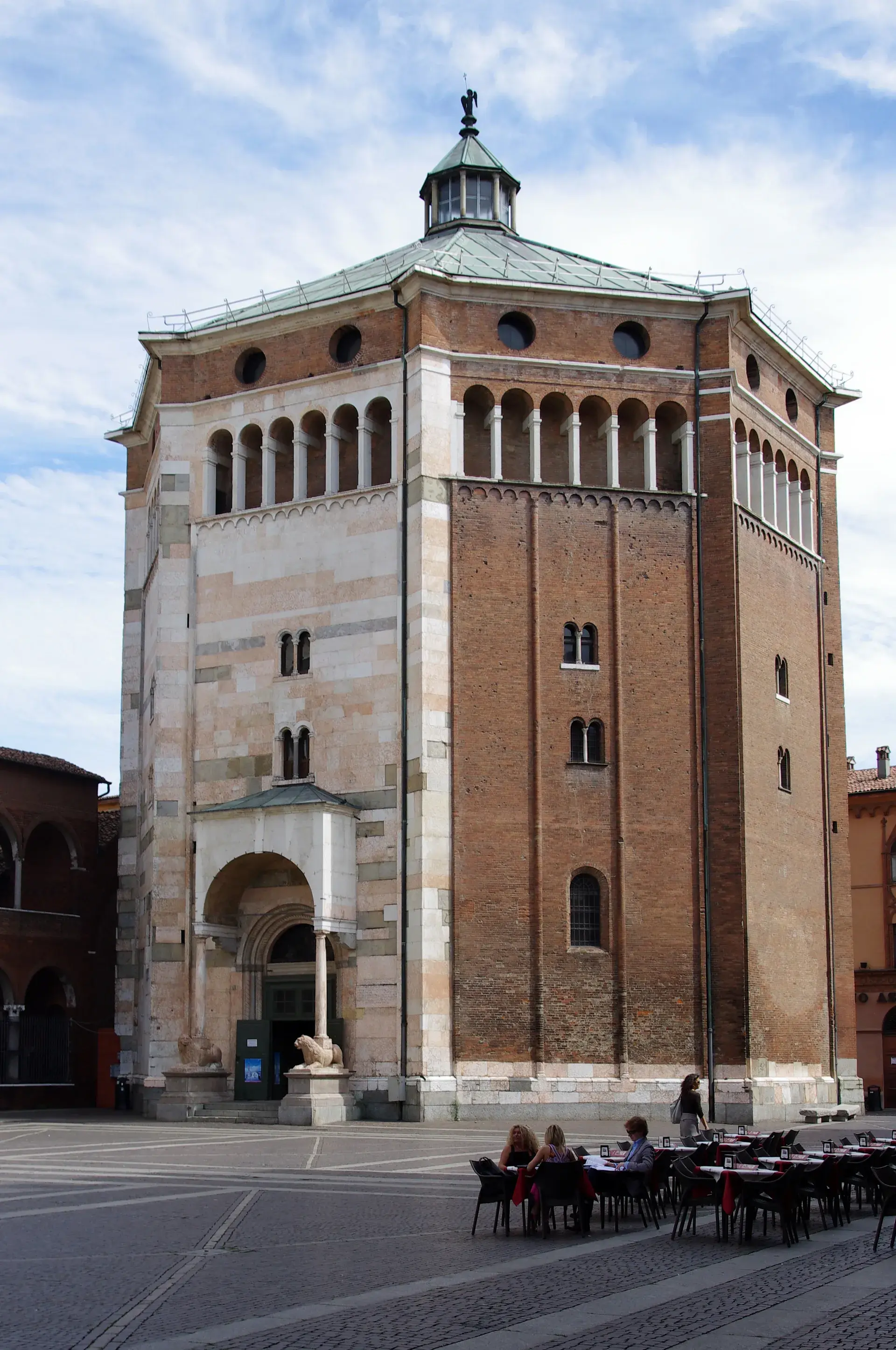
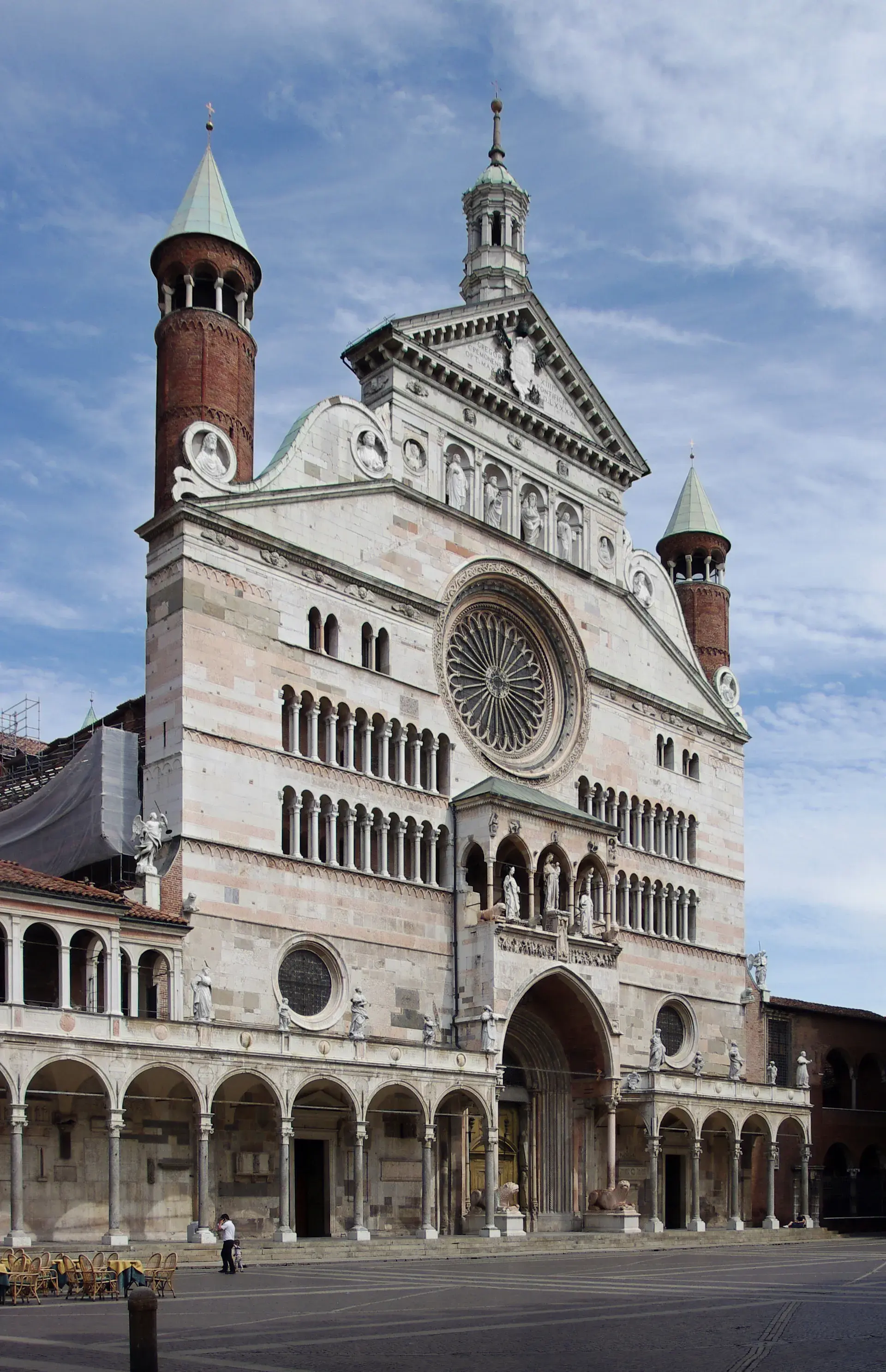
Opening on September 14, 2013, the museum brought together Cremona's historic collections into a single dedicated institution. Located a short walk southwest of the Duomo, the Torrazzo, and Piazza del Comune, the museum features multimedia exhibits that guide visitors through the history of instrument construction from the Renaissance to the modern era.
From Rationalist Pavilion to Cultural Landmark
The museum is housed inside the Palazzo dell'Arte, a rationalist brick-and-marble complex designed in 1941 by architect Carlo Cocchia. The structure was constructed between 1941 and 1946 on land cleared during the 1930s, when the Fascist regime demolished the medieval church and monastery of Sant'Angelo to lay out Piazza Marconi. Following decades of varied municipal uses—including a long period as a sports hall and neighborhood gym—the complex eventually fell into disuse.
In 2009, Cremona patron and industrialist Giovanni Arvedi, through the Fondazione Arvedi Buschini, financed an extensive overhaul of the site. Architects Giorgio Palù and Michele Bianchi restored and reconfigured the building between 2010 and 2013, transforming the historic rationalist shell into a purpose-built home for the city's musical treasures.
Masterworks and Stradivari's Workshop Relics
The museum preserves an extraordinary assembly of stringed instruments, including works by Andrea Amati, Nicolò Amati, and Giuseppe Guarneri "del Gesù". Antonio Stradivari's craftsmanship is highlighted by several masterworks, most notably the 1715 violin "Il Cremonese". When "Il Cremonese" was transferred to the Palazzo dell'Arte in 2013, municipal police cordoned off surrounding streets and provided an armed vehicle escort to secure the priceless instrument.
Beyond finished instruments, the museum holds over 700 original paper patterns, drawings, wood forms, and hand tools directly from Stradivari's workshop. Following Stradivari's death in 1737, these artifacts passed to his son Paolo and later through collector Count Ignazio Alessandro Cozio di Salabue. The city's civic collection expanded in 1893 with a bequest of tools and models from dealer Giovanni Battista Cerani, followed in 1930 by luthier Giuseppe Fiorini's major donation of Stradivari relics, anchoring the craftsman's working heritage permanently in Cremona.
Unlike many collections where instruments remain purely static artifacts, the historical violins in the Museo del Violino are maintained in playable condition. Luthiers and musicians routinely play them to keep the wood and joints resonance-fit, and the instruments are regularly removed from their vitrines for solo recitals.
The Giovanni Arvedi Auditorium
Occupying the exact structural shell of the Palazzo dell'Arte's former assembly hall and gym is the 464-seat Auditorium Giovanni Arvedi. Designed around an elliptical stage, the hall features acoustic engineering directed by Yasuhisa Toyota. The interior perimeter is lined with undulating ribbons of pale and honey-toned molded wood, sculpted to eliminate parallel surfaces and carefully direct acoustic reflections.
The auditorium hosts regular audition concerts where historical instruments by Stradivari and Guarneri are performed live. It also serves as the venue for the Triennale Internazionale di Liuteria, a major international violin-making competition whose winning instruments enter the museum's permanent collection.
Scientific Diagnostics and the Quiet City
In addition to exhibition and performance spaces, the Museo del Violino functions as a scientific center. The building houses diagnostic laboratories and an anechoic chamber operated in collaboration with the Polytechnic University of Milan and the University of Pavia, using non-invasive techniques to analyze the acoustical and material properties of historical instruments.
This commitment to acoustic precision was demonstrated in 2019 during the Stradivarius Recording Project, an initiative designed to digitally archive the sound profiles of rare instruments. To prevent external noise from corrupting recordings made inside the auditorium, the mayor ordered surrounding street closures, rerouted public bus lines, and requested that local residents maintain quiet throughout the city center.
FAQ
What master luthiers are represented in the Museo del Violino?
The museum holds instruments crafted by master luthiers of the Cremonese tradition, including Andrea Amati, Nicolò Amati, Giuseppe Guarneri "del Gesù", and Antonio Stradivari.
Are the historical instruments in the museum still played?
Yes. The instruments are maintained in playable condition rather than kept as static displays. Luthiers routinely play them to keep the wood and joints resonance-fit, and soloists perform on them during recitals in the Giovanni Arvedi Auditorium.
What was the Palazzo dell'Arte used for before becoming the museum?
Built between 1941 and 1946 under the Fascist regime, the rationalist building hosted various civic functions over the decades, including serving as a municipal sports hall and gym before its restoration.
Why were the streets of Cremona closed during the 2019 Stradivarius Recording Project?
The city ordered street closures, altered public transit routes, and asked residents to minimize noise so that sound engineers could capture pure, uncorrupted audio recordings of historical instruments inside the auditorium.