Salone dei Quadri: Cremona's Historic Council Hall
Civic Autonomy and Medieval Origins
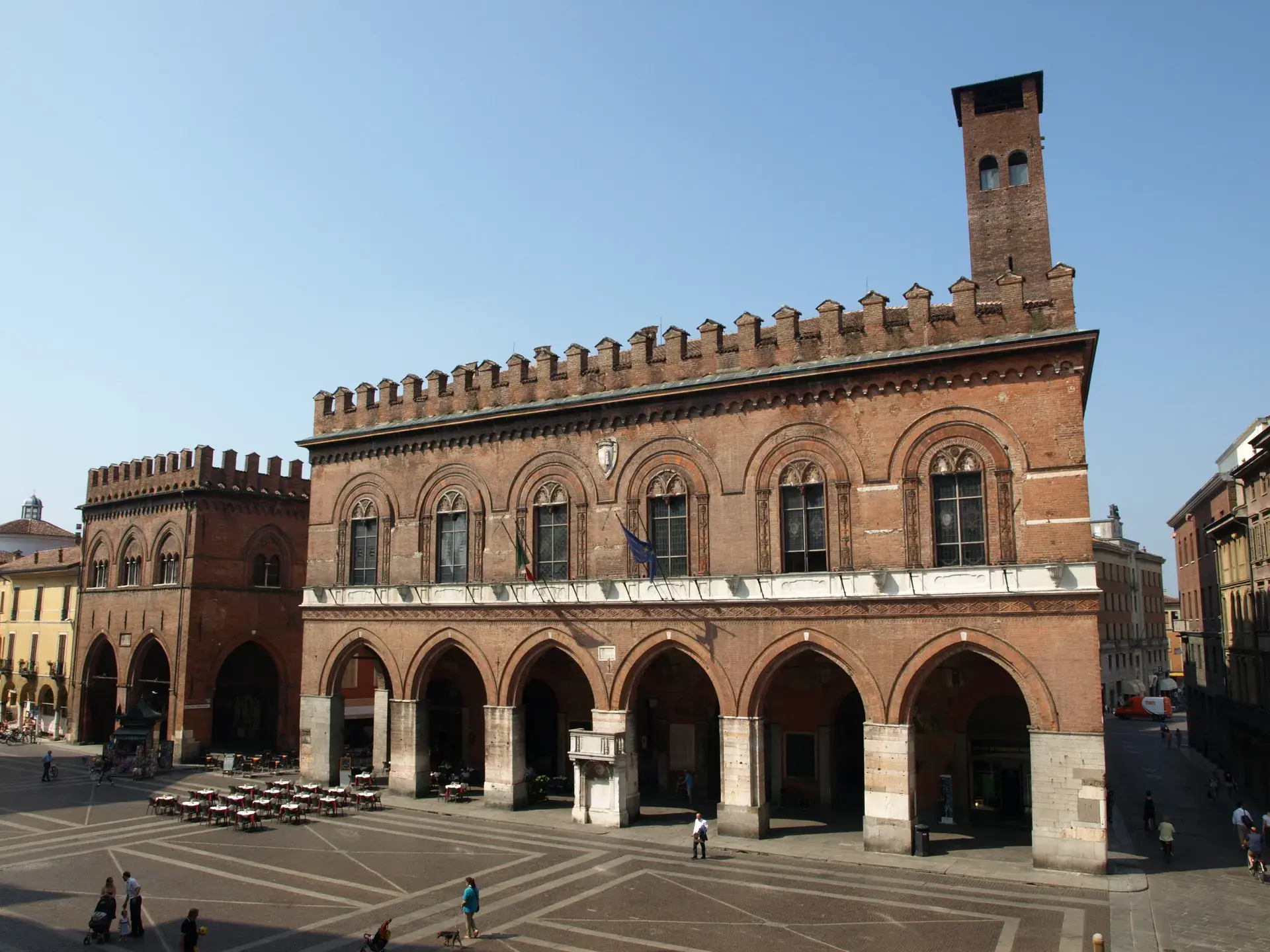
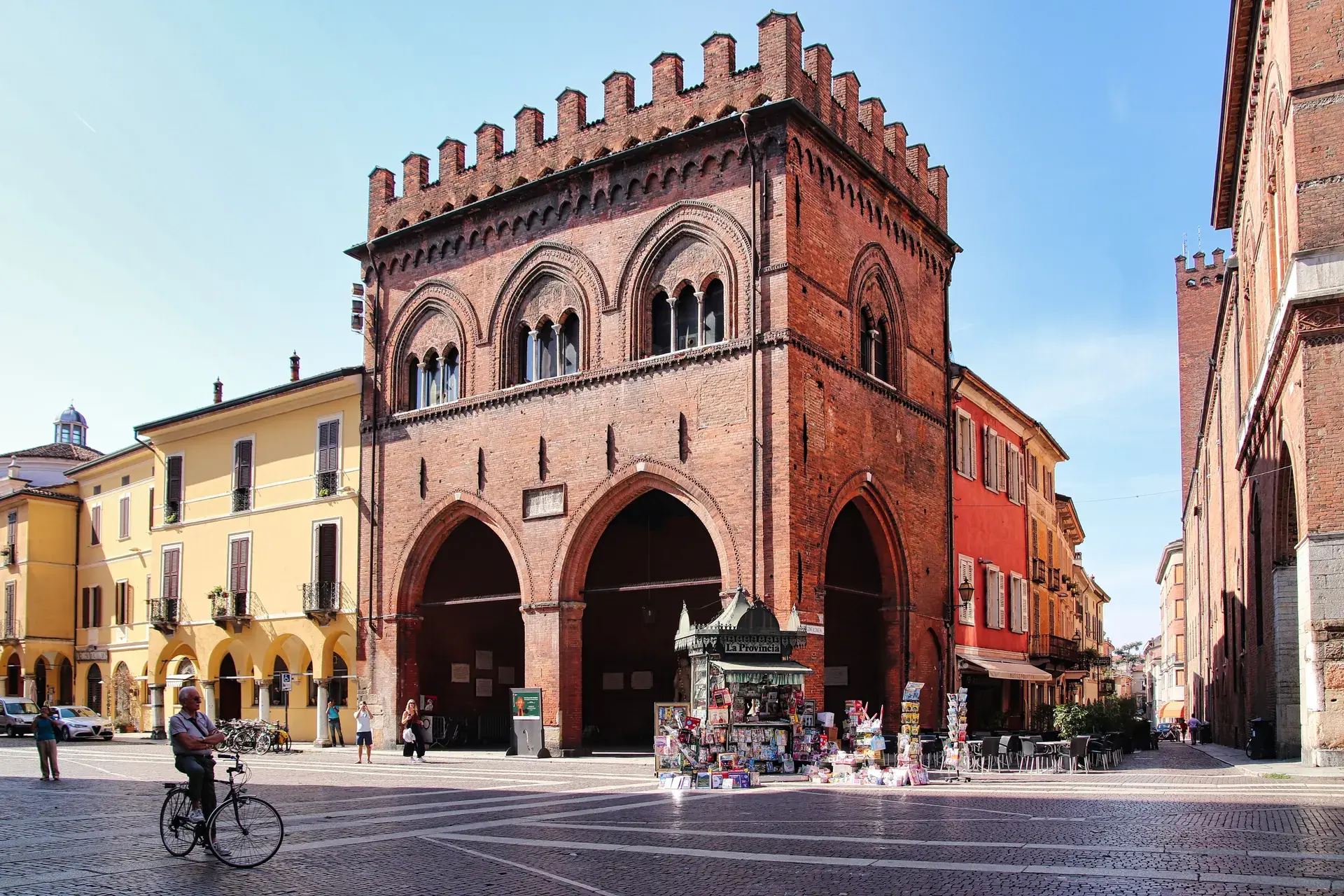
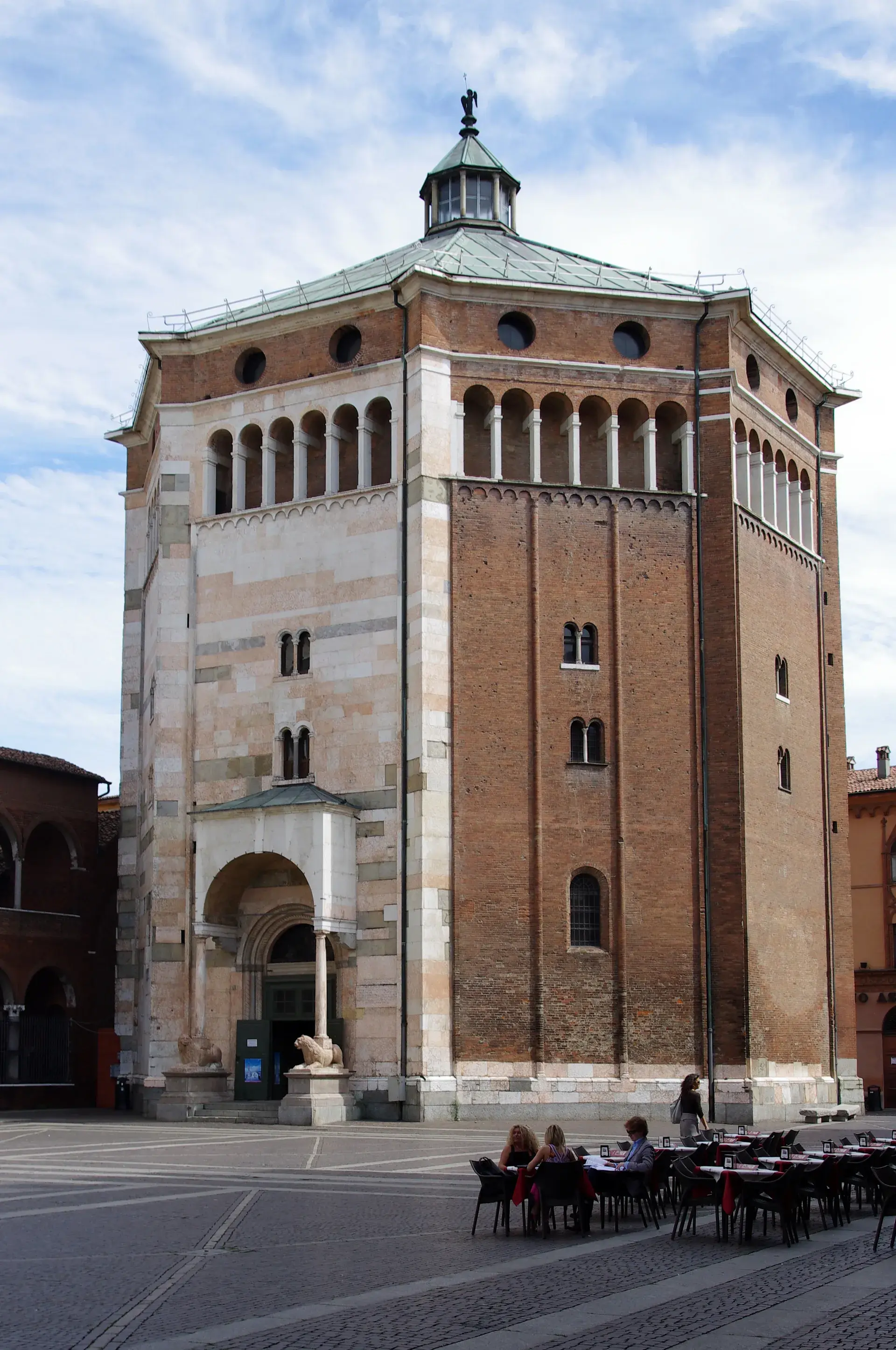
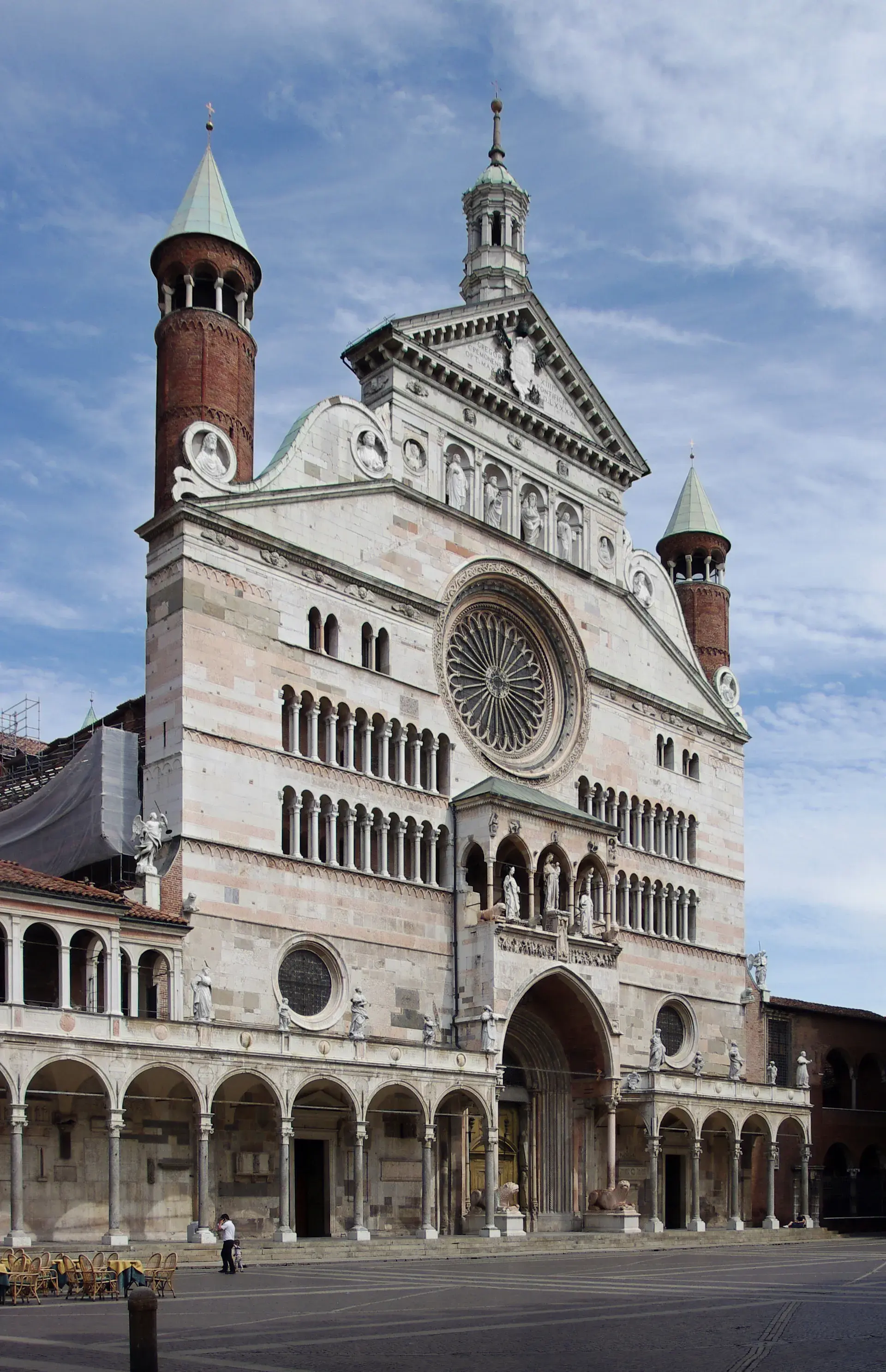
The Salone dei Quadri, also known as the Salone del Consiglio, is the principal council chamber within Cremona's Palazzo Comunale. Founded in 1206 as an assertion of communal autonomy, the building was historically known as the Palazzo dei Ghibellini or simply the broletto. Positioned directly on Piazza del Comune opposite Cremona's Cathedral, Baptistery, and the Torrazzo bell tower, the complex was conceived as a symbol of medieval secular authority directly confronting ecclesiastical power.
Originally built according to the Lombard broletto layout, the structure featured a single vast hall elevated over an open, vaulted brick ground-floor loggia used for public gatherings and commerce. Between 1245 and 1246, the palazzo underwent significant expansion, adding three western wings arranged around an interior courtyard and absorbing an existing 13th-century civic tower on Via Baldesio.
Architectural Evolution and the 1838 Redesign
The building transitioned from a medieval civic hall to a monumental Renaissance seat during extensive remodeling in 1496 and the early 16th century. Gothic triple-lancet windows (trifore) were replaced with rectangular openings, the open interior was partitioned into administrative chambers, and a white marble arengario (proclamation balcony) was added to the facade, allowing civic leaders to address gatherings in the piazza below.
In 1838, Cremonese architect Luigi Voghera carried out a sweeping renovation. Voghera embellished the red-brick facade with neo-Renaissance terracotta ornamentation, pilasters, and a white marble entablature. Inside, he replaced the 16th-century steps with a grand neo-Renaissance staircase. To reduce the steep natural incline caused by Cremona's underlying Roman fluvial terrace, Voghera's renovation project lowered the pavement of the central courtyard and the adjoining square by nearly one meter.
Art and Heritage of the Salone dei Quadri
The Salone dei Quadri serves as the modern municipal council hall (Consiglio Comunale). The room derives its name from its display of large 17th-century paintings, featuring canvases by prominent artists such as Luigi Miradori (known as Il Genovesino), Giovanni Battista Trotti (known as Il Malosso), and Boccaccino. The dark oil tones and gilded frames of these works create a stately administrative atmosphere.
At the back of the chamber stands a full-scale plaster cast of the Porta Stanga. The original marble portal was carved in the 1490s by sculptor Pietro da Rho for Cremona's Palazzo Stanga. After the original masterpiece was sold abroad in 1875 and transferred to the Musée du Louvre in Paris, this faithful reproduction was installed in the 1870s to preserve the memory of the city's Renaissance craftsmanship within the civic hall.
Monumental Chambers and the Violin Legacy
The Salone dei Quadri is flanked by several other historically significant chambers within the Palazzo Comunale:
- Salone degli Alabardieri: Contains fragments of late 13th-century frescoes, including depictions of Saint Christopher, the Madonna with Child and Saints, and the Crucifixion, set against bare plaster walls.
- Sala della Giunta: Serves as the executive committee room, retaining an intact marble fireplace carved in 1502 by sculptor Gaspare Pedone.
- Sala della Consulta: Historically served as the meeting chamber for the city's magistrates, known as the decurioni.
- Ex Sala dei Violini: Formerly the civic chapel, this room became the home of the municipal Raccolta degli Archi in 1961 following the acquisition of Antonio Stradivari's 1715 violin, Il Cremonese. Alongside historic instruments by Andrea Amati and Giuseppe Guarneri, the collection remained on view here until September 2013, when it was relocated to Cremona's dedicated Museo del Violino.
Public Access and Current Civic Use
The Palazzo Comunale continues to serve as the active seat of local government, housing the offices of the Mayor, the City Executive (Giunta), and the Municipal Council. The vaulted brick portico below funnels the bustling sounds of Piazza del Comune toward the monumental stone staircase.
The historic state rooms, including the Salone dei Quadri, remain open to the public free of charge for self-guided visits, provided official municipal meetings are not in session. Meanwhile, the ex Sala dei Violini functions as a venue for temporary cultural and civic exhibitions.
FAQ
Can visitors enter the Salone dei Quadri?
Yes. The historic halls of the Palazzo Comunale, including the Salone dei Quadri, are open to the general public free of charge for self-guided visits, subject to ongoing municipal council meetings and official civic events.
Why is there a cast of the Porta Stanga in the Salone dei Quadri?
The doorway is an 1870s plaster reproduction of the Renaissance Porta Stanga, originally sculpted in the 1490s by Pietro da Rho for Palazzo Stanga. The original marble doorway was sold abroad in 1875 and is preserved in the Musée du Louvre in Paris.
Are master violins still displayed in the Palazzo Comunale?
No. Antonio Stradivari's 1715 violin Il Cremonese and historic instruments by Andrea Amati and Giuseppe Guarneri were exhibited in the building's Sala dei Violini from 1961 until September 2013, when the civic collection was permanently transferred to the Museo del Violino.