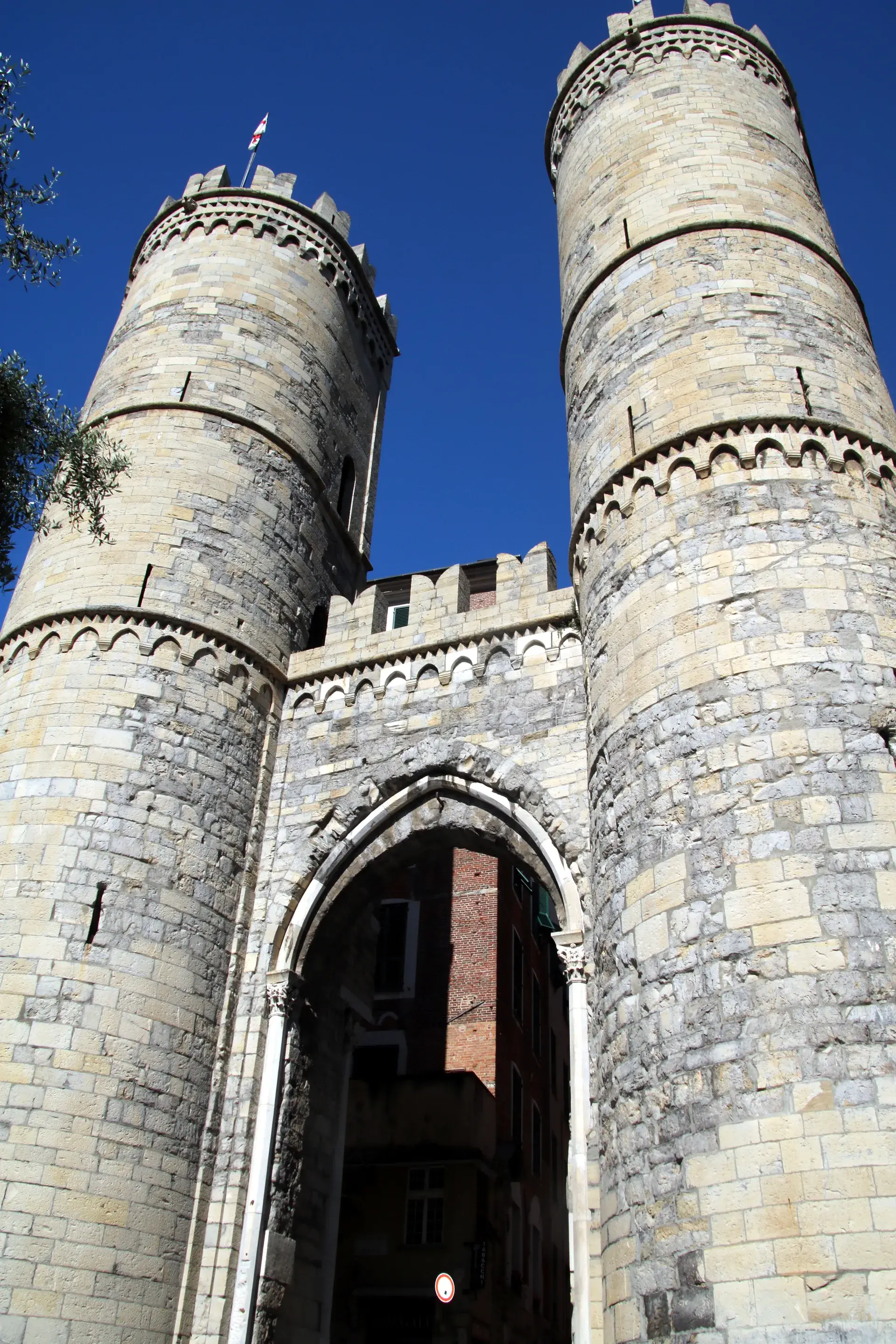
Porto Antico: Genoa's Revitalized Historic Harbor
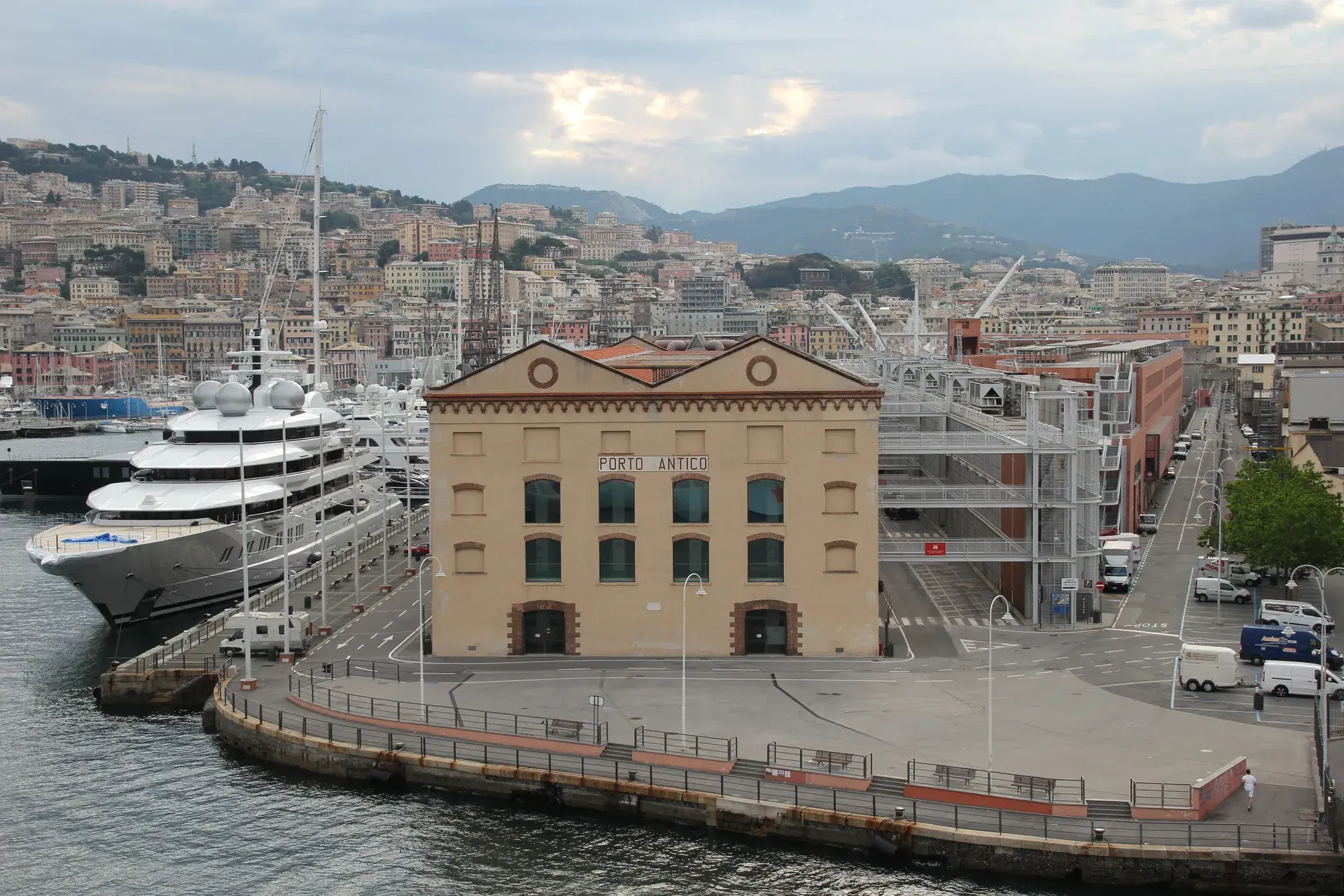
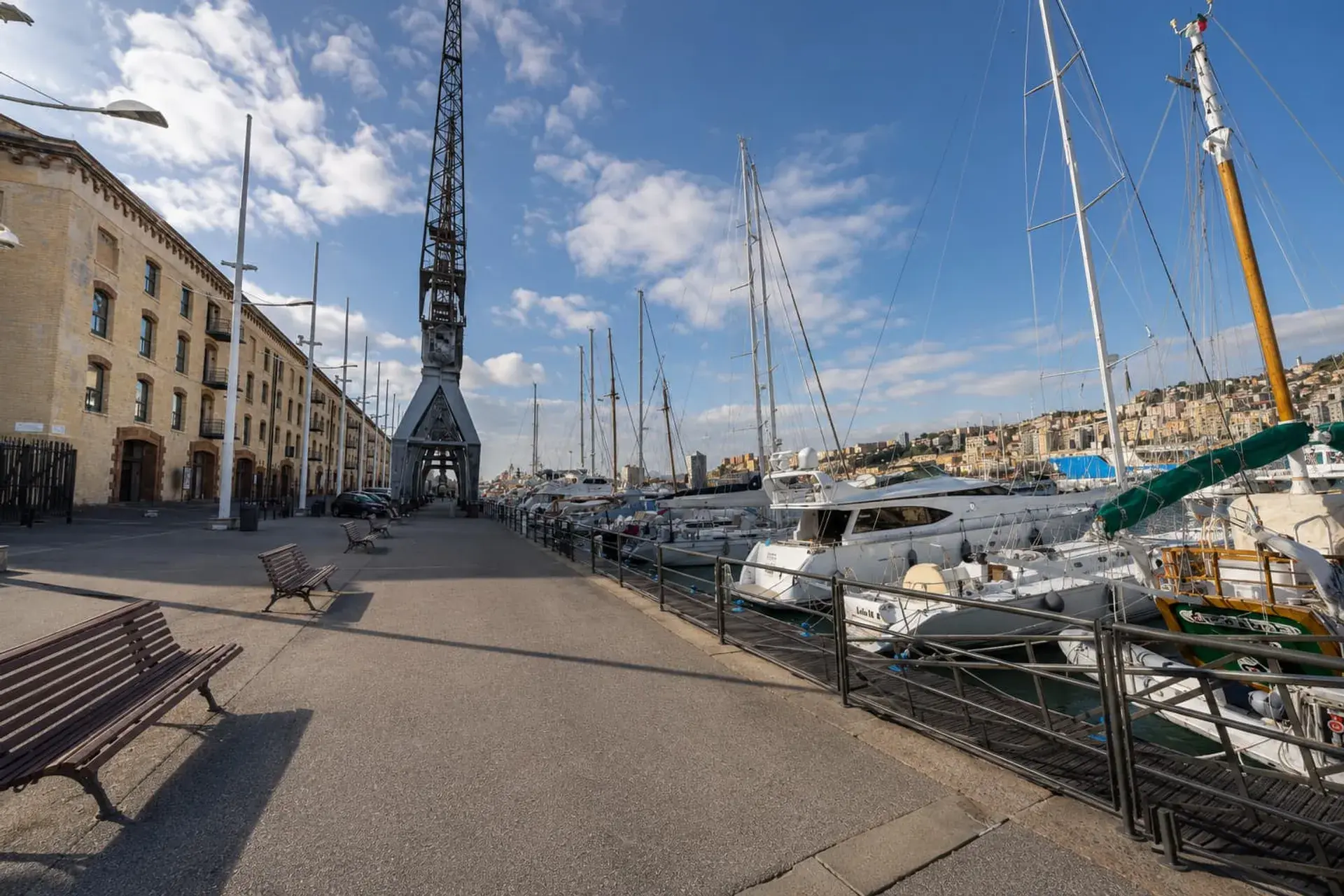
Genoa's Porto Antico, or Old Harbor, is a vibrant waterfront district that seamlessly blends centuries of maritime history with modern architectural innovation. Once the city's commercial heart, this area has been reborn as a bustling hub for culture, leisure, and tourism, reconnecting Genoa with its sea.
A Storied Maritime History
The harbor's origins trace back to the 5th century B.C. in a natural inlet known as the Mandraccio. By the 12th century, with the construction of wooden jetties, Genoa began to establish its dominance as a maritime republic. The port saw significant expansion during the 16th century, but its importance later declined as global trade shifted towards the Atlantic.
After suffering extensive damage during World War II and the relocation of commercial traffic, the historic port area fell into disuse. The area is also tied to notable historical figures. While imprisoned near the port, Marco Polo dictated his famous book, "The Travels of Marco Polo." The powerful guild of port workers, the Camalli, were also a fundamental part of the harbor's commercial success for centuries.
The Rebirth by Renzo Piano
The catalyst for the port's transformation was the 1992 Expo, held to commemorate the 500th anniversary of Christopher Columbus's voyage to the Americas. Genovese architect Renzo Piano spearheaded the visionary redevelopment project, which began in 1988. His master plan aimed to break down the physical barriers that had separated the city from its waterfront, rehabilitating old structures and introducing new ones to create an accessible public space.
Modern Attractions and Activities
Today, the Porto Antico is a primary destination for both locals and visitors. It is home to some of Genoa's most famous attractions, including the Aquarium of Genoa, one of the largest in Europe. Other key structures from Piano's redevelopment include the Bigo, a panoramic lift offering 360-degree views of the city and port, and the Biosfera, a glass and steel sphere containing a miniature tropical ecosystem.
The area also hosts the Galata Museo del Mare (Sea Museum) and the Nazario Sauro, the only submarine in Italy that can be visited in the water. The renovated Magazzini del Cotone (Cotton Warehouses) now house a multiplex cinema, shops, and numerous restaurants and bars. Throughout the year, spaces like the Piazza delle Feste and the Arena del Mare host concerts, festivals, and even a winter ice-skating rink.
FAQ
Why was the Porto Antico redeveloped?
The Porto Antico was redeveloped for the 1992 'Colombian Celebrations,' which marked the 500th anniversary of Christopher Columbus's voyage. The project, led by architect Renzo Piano, transformed the disused industrial area into a public cultural and tourist hub.
Who designed the modern Porto Antico?
The major redevelopment of the Porto Antico was masterminded by the renowned Genovese architect Renzo Piano. His project began in 1988 with the goal of reconnecting the city to its historic waterfront.
What are the main attractions at Porto Antico?
Key attractions include the Aquarium of Genoa, the Bigo panoramic lift, the Biosfera glass sphere, the Galata Museo del Mare, and the Nazario Sauro submarine. The area also features shops, restaurants, a cinema, and event spaces.
What is the story behind Porta Siberia's name?
The 16th-century gate, designed by Galeazzo Alessi, was originally named Porta Cibaria, meaning 'food gate,' as it was an entry point for foodstuffs. Over time, the name was linguistically corrupted to Porta Siberia, which has no actual connection to the Russian region.
Gallery