Sottoripa: Genoa's Medieval Waterfront Arcades
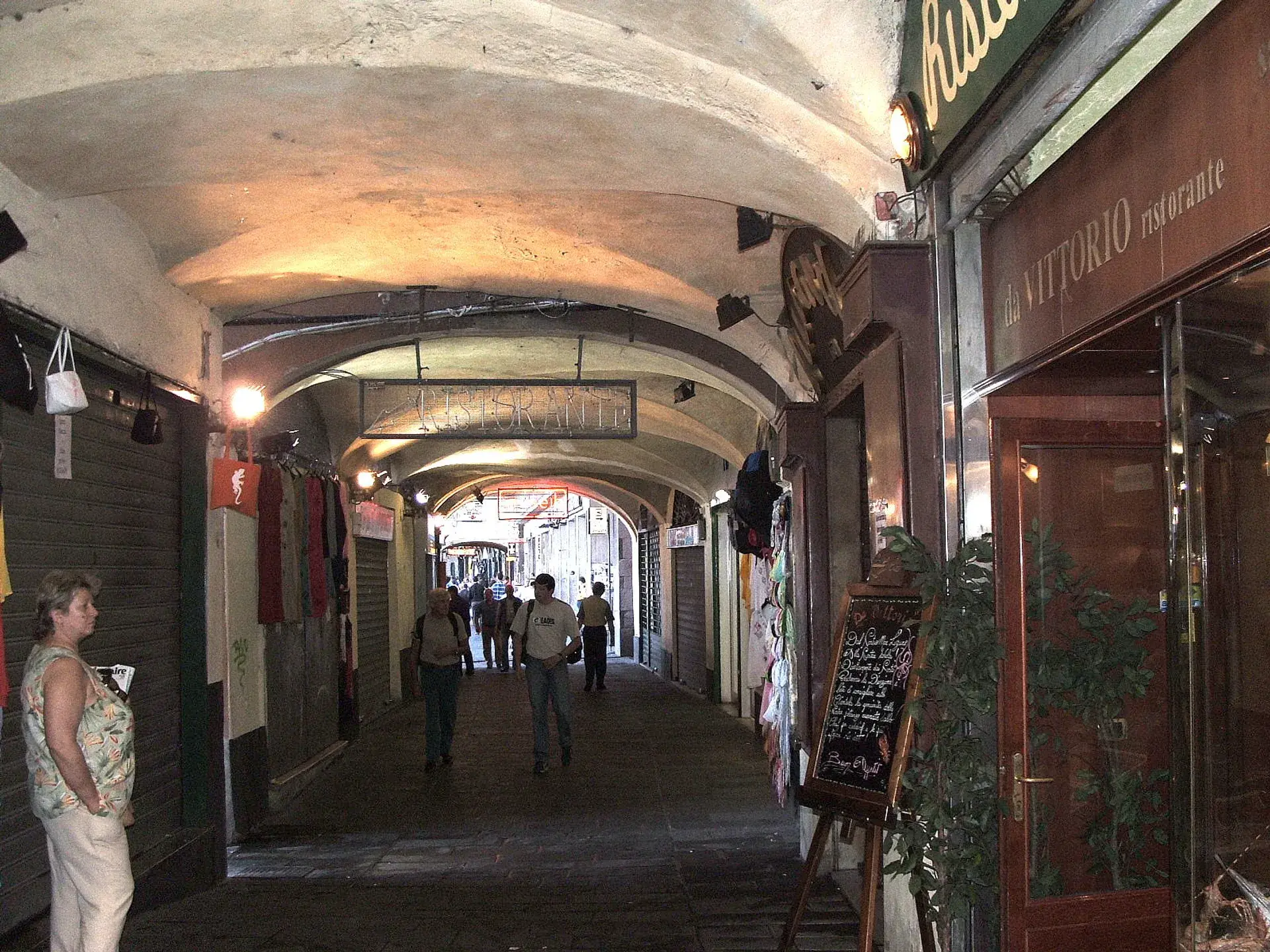
Stretching along what was once Genoa's bustling waterfront, Sottoripa stands as Italy's oldest public portico. This historic structure, approximately four hundred meters long, was a cornerstone of the city's maritime commerce, and its medieval arcades continue to shelter a vibrant marketplace today.
The Birth of a Maritime Marketplace
Construction of Sottoripa began between 1125 and 1133 at the direction of the consuls of the Municipality of Genoa. Its name translates to "under the bank," a literal description as the sea once lapped against its foundations. The creation of this sheltered commercial space was a direct response to Genoa's growing maritime trade, particularly after the First Crusade opened lucrative routes to the Levant.
During the 14th and 15th centuries, the arcades were a dynamic center for fairs, currency exchanges, and the sale of goods arriving by sea. Oriental spices like cinnamon and ginger were traded here, moved from ships to warehouses by the 'camalli,' Genoa's powerful longshoremen. In 1432, Enea Silva Piccolomini, later Pope Pius II, observed that Sottoripa was a place where one could find "all kinds of goods."
Architecture and Urban Development
The portico's design features low, sturdy round arches on pillars made of local Promontorio stone. These arcades served as the load-bearing structure for the buildings above, where ground floors were dedicated to shops and upper floors were used for residences or storage. An original building decree incentivized merchants by granting them the right to live above their shops and offering tax exemptions for structural expansions, in exchange for maintaining the exterior.
From Seaside to City Street
Sottoripa's direct connection to the sea was severed in the 17th century with the construction of sea walls. This transformation continued in the 19th century with landfill projects that created the modern Darsena and Lungomare, turning the port-side structure into an urban arcade. Major renovations in 1992 pedestrianized the adjacent Piazza Caricamento, and further redevelopment work in 2023 led to the discovery of ancient medieval piers beneath the modern surface.
Sottoripa in the Modern Era
Today, Sottoripa remains a lively commercial and social hub. It is a multiethnic meeting place for locals and tourists, filled with a diverse array of shops selling everything from nautical clothing to mobile phones. The area is particularly known for its food, with the distinct smell of hot oil from numerous 'friggitorie' (fry shops) filling the air. These establishments offer Genoese delicacies like fried fish and farinata (a chickpea pancake) alongside international cuisine and historic restaurants, continuing the area's long-standing commercial legacy.
FAQ
What is Sottoripa?
Sottoripa is a medieval-era arcade in Genoa, recognized as the oldest public portico in Italy. It was originally constructed as a sheltered commercial area along the city's waterfront.
How old is Sottoripa?
Construction on Sottoripa began between 1125 and 1133, making it a significant architectural and historical site from the 12th century.
What does the name Sottoripa mean?
The name Sottoripa derives from the Italian for "under the bank" ('sotto' and 'ripa'). This is because when it was built, the sea reached the base of its foundations.
What is Sottoripa known for today?
Today, Sottoripa is a bustling street known for its historic arcades, diverse shops, and eateries. It is especially famous for its traditional 'friggitorie' (fry shops) that sell local Genoese foods like farinata and fried fish.