Chiesa di San Matteo: Lecce's Curvilinear Baroque Gem
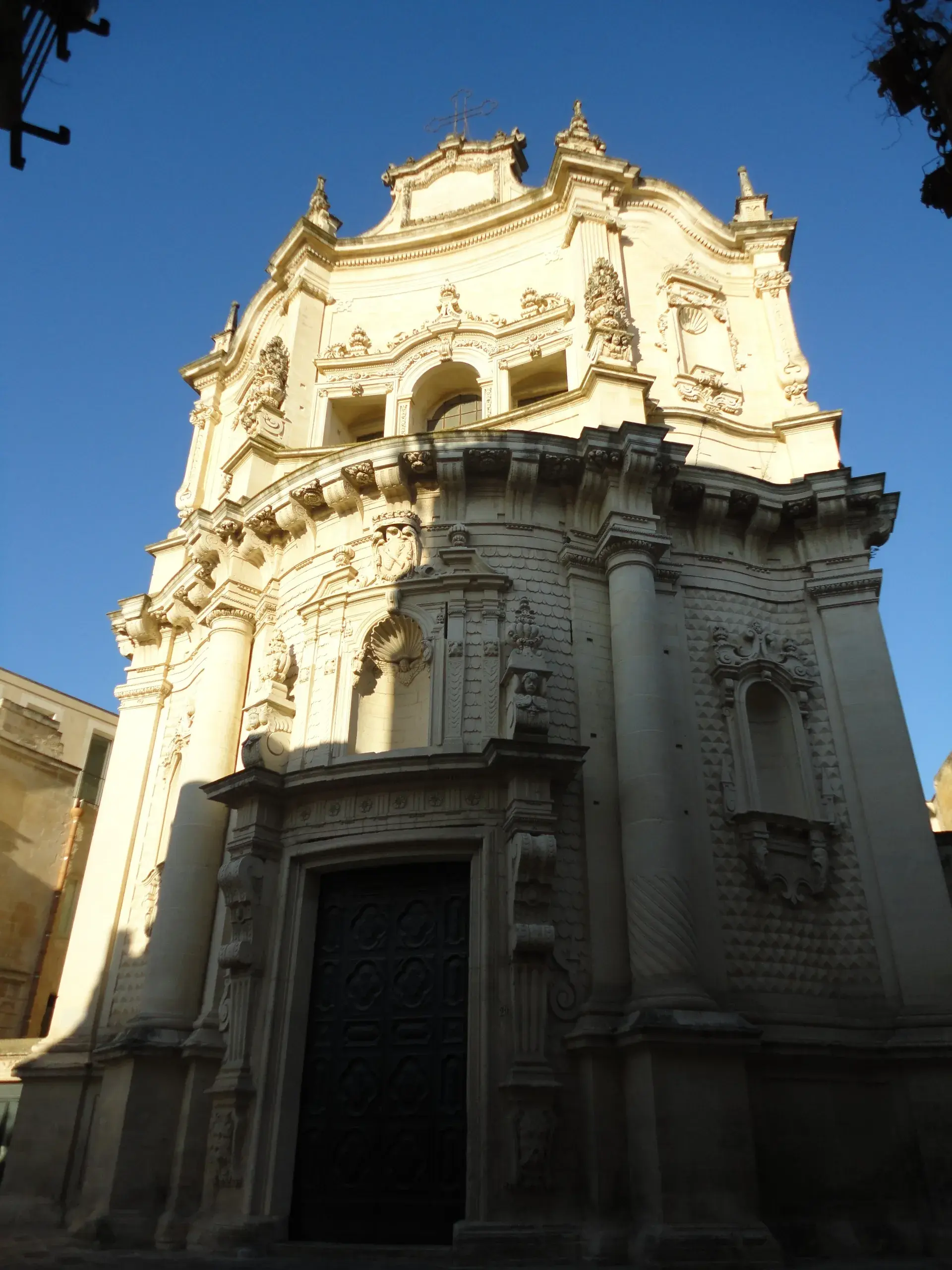
In the heart of Lecce, the Chiesa di San Matteo stands as a remarkable example of architectural innovation. Its dynamic, undulating facade, with its interplay of convex and concave curves, creates a theatrical effect of light and shadow that distinguishes it from the city's other Baroque treasures. This design introduced a Roman-inspired dynamism to the local style, earning the church the moniker 'Pantheon of Leccese Baroque.'
A Roman Influence in Lecce
Constructed between 1667 and 1700, the church's design is attributed to Giovanni Andrea Larducci di Salò. Reportedly a nephew of the famed Roman architect Francesco Borromini, Larducci drew direct inspiration from Borromini's Church of San Carlo alle Quattro Fontane in Rome. This influence is most evident in the building's signature curvilinear facade, a feature that broke from the traditionally flat, though ornate, fronts of other Lecce churches.
Following Larducci's death, the upper portion of the facade is believed to have been completed by the prominent local architect Giuseppe Zimbalo. The entire structure is crafted from the soft local limestone, pietra leccese, which allowed stonemasons to execute its intricate details. The church is recognized for its cultural significance and is included as a UNESCO candidate site.
From Convent to Parish Church
Bishop Luigi Pappacoda laid the first stone for the Chiesa di San Matteo in 1667. It was built upon the site of a 15th-century chapel and an adjoining convent for the Tertiary Franciscan Sisters, which had been established in 1474. Reflecting the strictures of their order, the nuns would listen to Mass from upper galleries within the nave, keeping them separate and out of sight from male parishioners.
A major shift occurred during the Napoleonic era. After the suppression of religious orders, the building transitioned from a convent church to a parish seat. From the early 19th century, it became the parish of Santa Maria della Luce, a title transferred from a dismantled church that once stood outside the city walls.
Artistic and Hidden Treasures
The interior and exterior of the church house significant works of art and fascinating curiosities. In 1692, sculptor Placido Buffelli created the twelve statues of the Apostles that adorn the structure. A year earlier, in 1691, Neapolitan sculptor Gaetano Patalano crafted the wooden statue of Saint Matthew for the high altar.
One of the facade's columns features an intricately carved spiral that is noticeably incomplete. Local legend attributes this to the devil's envy over the sculptor's skill, which supposedly led to the artist's death, giving the column its nickname, 'the devil's column.' Inside, the church contains a late Gothic fresco of the 'Madonna with the Child,' relocated from the destroyed Church of Santa Maria della Luce. The church also houses a well-traveled 18th-century organ, originally built for the Basilica of Santa Croce and later moved to the Lecce Cathedral before finding its permanent home here in 1910.
The Church in Modern Lecce
Today, the Chiesa di San Matteo continues to serve as an active Catholic place of worship. Located on Via dei Perroni, an area known for its nightlife, the church remains integrated into the city's social fabric, with its steps often serving as a gathering point for local residents. Many locals still refer to it by its parish name, Santa Maria della Luce.
FAQ
Why is the architecture of Chiesa di San Matteo unique in Lecce?
Its facade features a convex-concave, undulating design inspired by Roman Baroque, specifically the work of Francesco Borromini. This style contrasts with the typically flat, though highly decorated, facades of other Leccese Baroque churches.
When was the Chiesa di San Matteo built?
The church was constructed between 1667 and 1700. The project was initiated by Bishop Luigi Pappacoda, who laid the first stone in 1667.
What is the legend of the 'devil's column'?
On the facade, one column with a spiral carving is partially unfinished. Local legend claims the devil, envious of the sculptor's great talent, caused the artist's death, leaving the work incomplete.
What is the church's official name?
While widely known as Chiesa di San Matteo, its official parish name since the early 19th century is Santa Maria della Luce, a title it inherited from a demolished church.