Pulverturm Merano: Medieval Powder Tower & View
Medieval Origins of Castle Ortenstein
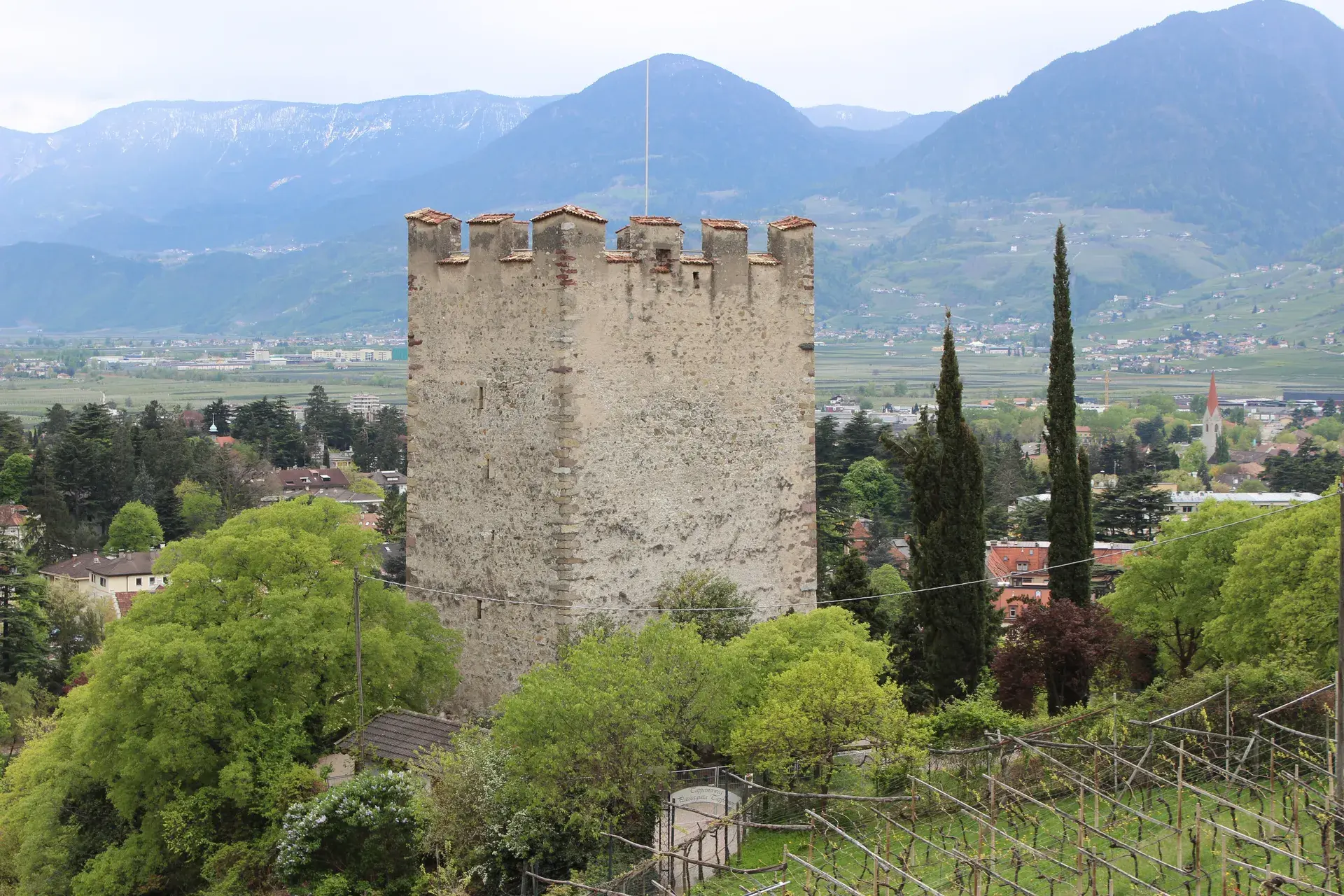
The Pulverturm (Torre delle Polveri, or Powder Tower) stands on a rocky terrace on the lower slopes of the Küchelberg and Zenoberg, directly above the historic Steinach quarter of Merano. Protected under South Tyrol heritage monument listing ID 16015, the rectangular stone keep is the sole remaining structure of Castle Ortenstein (Burg Ortenstein).
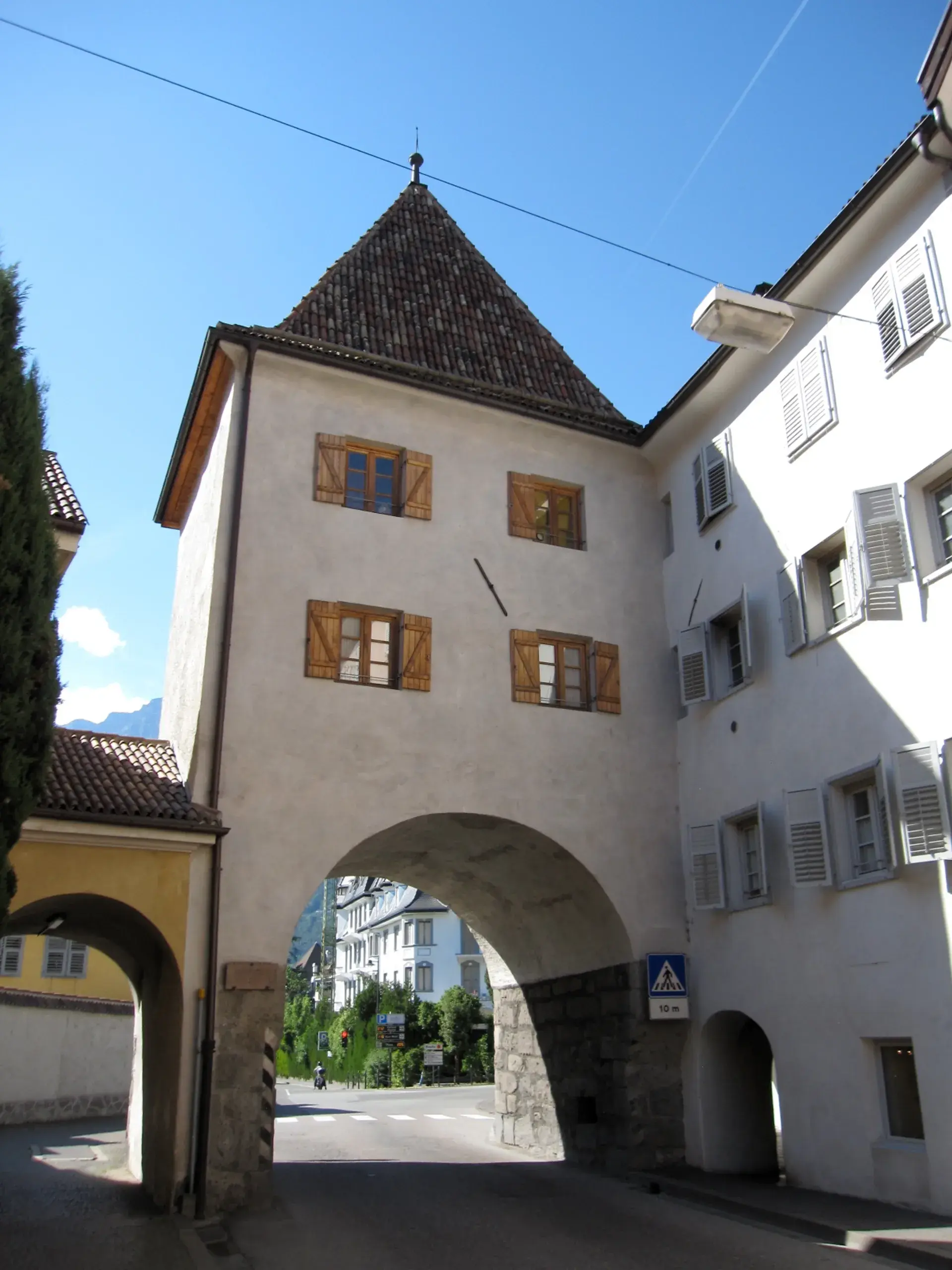
Built by the Counts of Tyrol during the 13th to early 14th century, Castle Ortenstein formed a crucial component of Merano's northeastern defenses. Together with the neighboring Passeirer Tor and the surrounding curtain walls, the castle guarded entry into the town and controlled passage leading to the Passeier Valley. By the 16th century, the castle's outworks and residential quarters were dismantled, leaving only the solid stone keep (Bergfried) standing as a fortified refuge during periods of regional unrest.
The Seventeenth-Century Gunpowder Depot
The structure acquired its enduring name during the Thirty Years' War. Around 1626, and continuing into the 18th century, Merano’s municipal authorities faced growing hazards regarding the storage of explosive munitions within the town center. The dense core of the settlement, built largely of wood and stone, was highly vulnerable to catastrophic urban fire.
To mitigate this danger, authorities moved volatile stockpiles of gunpowder out of the town center to the isolated, thick-walled medieval keep. Perched high on the rock face above the river gorge, the blast-resistant stone structure served as the town’s secure magazine, cementing its identity as the Pulverturm.
Repurposing for the Kurstadt Era
The Pulverturm reflects Merano's historical evolution from a medieval stronghold under the Counts of Tyrol into a celebrated 19th-century European spa destination. In 1893, local physician and pioneer of open-air convalescence therapy Franz Tappeiner integrated the abandoned military relic into the creation of his scenic hillside pathway, the Tappeinerweg.
By incorporating the historic keep into the walking route, the former ammunition depot became a key panoramic feature of the spa town. Below the tower sits the Steinerner Steg, a two-arched stone bridge built between 1616 and 1617 by master mason Andrä Tanner. Although 19th-century romantic tradition frequently referred to this crossing as the "Ponte Romano" (Roman Bridge), the crossing is early modern. Today, the trail network links the riverside Gilfpromenade up past the historic bridge directly to the base of the tower.
Architecture and Current Use
Official South Tyrol cultural heritage documentation records the stone tower at a height of 12 meters, capped with historic crenelated battlements. While modern tourism publications frequently cite an observation height of 20 meters, the actual masonry structure remains a 12-meter keep.
The hollow interior of the keep has been refitted with a freestanding open steel staircase. Visitors can ascend through the shaded interior, where the metallic sound of footsteps on steel grates reverberates against the cool stonework, contrasted by the ambient rush of the Passer River carving through the Gilf gorge below. At the summit, the open-air platform provides an unobstructed 360-degree vista across Merano, the surrounding terraced hillsides, and the valley basin. The tower functions as a free public viewpoint, open daily from early morning until dusk.
FAQ
Why is the tower called the Pulverturm?
Starting around 1626 during the Thirty Years' War, municipal authorities moved gunpowder stockpiles out of Merano's dense timber-and-stone town center to this isolated stone keep to prevent devastating urban fires, giving the structure its name.
What was the original purpose of the Pulverturm?
Constructed in the 13th to early 14th century by the Counts of Tyrol, the tower originally served as the keep (Bergfried) of Castle Ortenstein, securing Merano's northeastern flank and access to the Passeier Valley.
What are the opening hours and admission fees for the Pulverturm?
The Pulverturm is open to the public daily from early morning until dusk, and admission to the tower and its observation platform is free.
How tall is the Pulverturm?
Official South Tyrol heritage records list the stone keep at 12 meters tall, although modern travel guides frequently cite an observation height of 20 meters.