Basilica della Steccata: Parma's Renaissance Gem
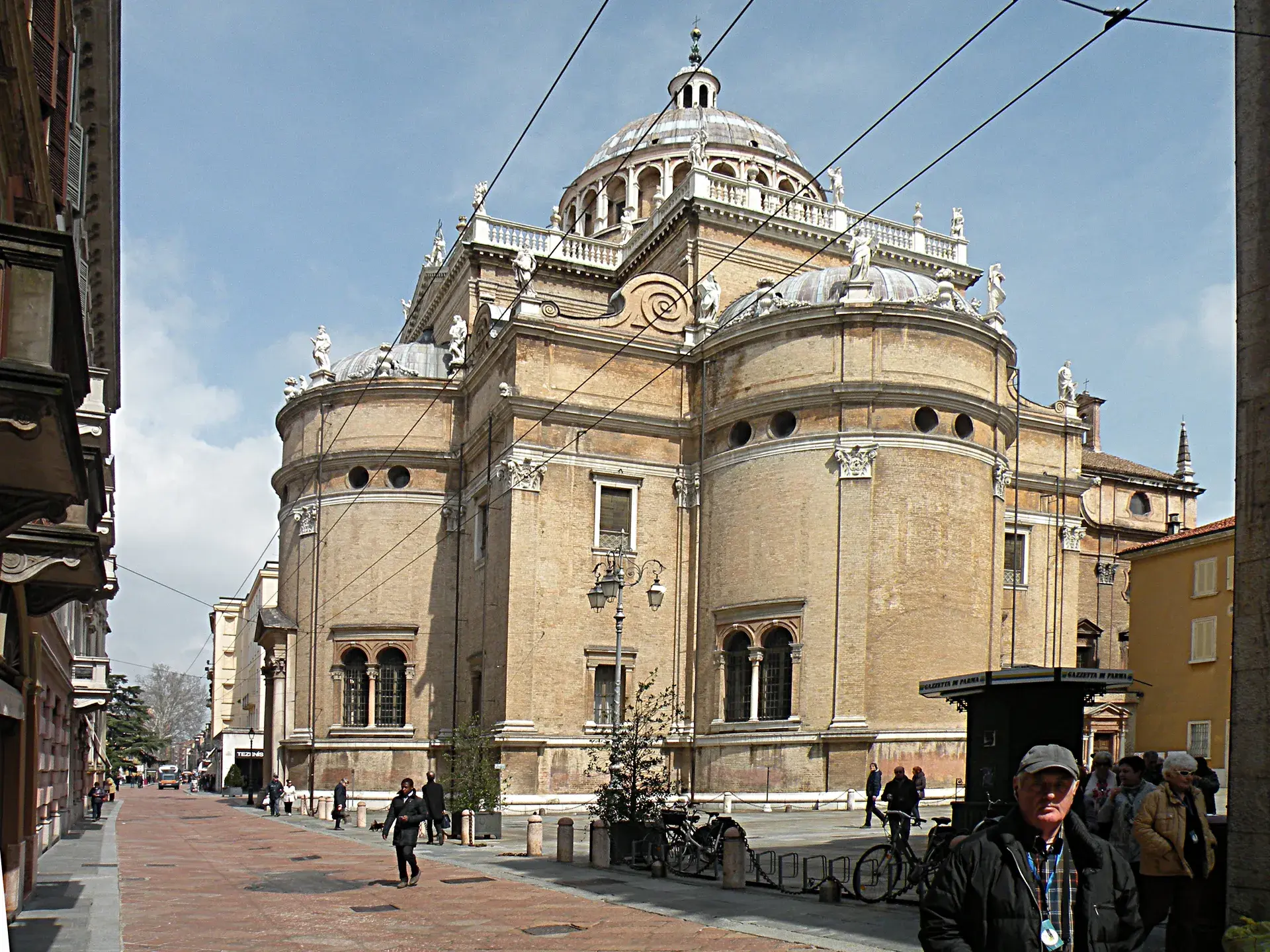
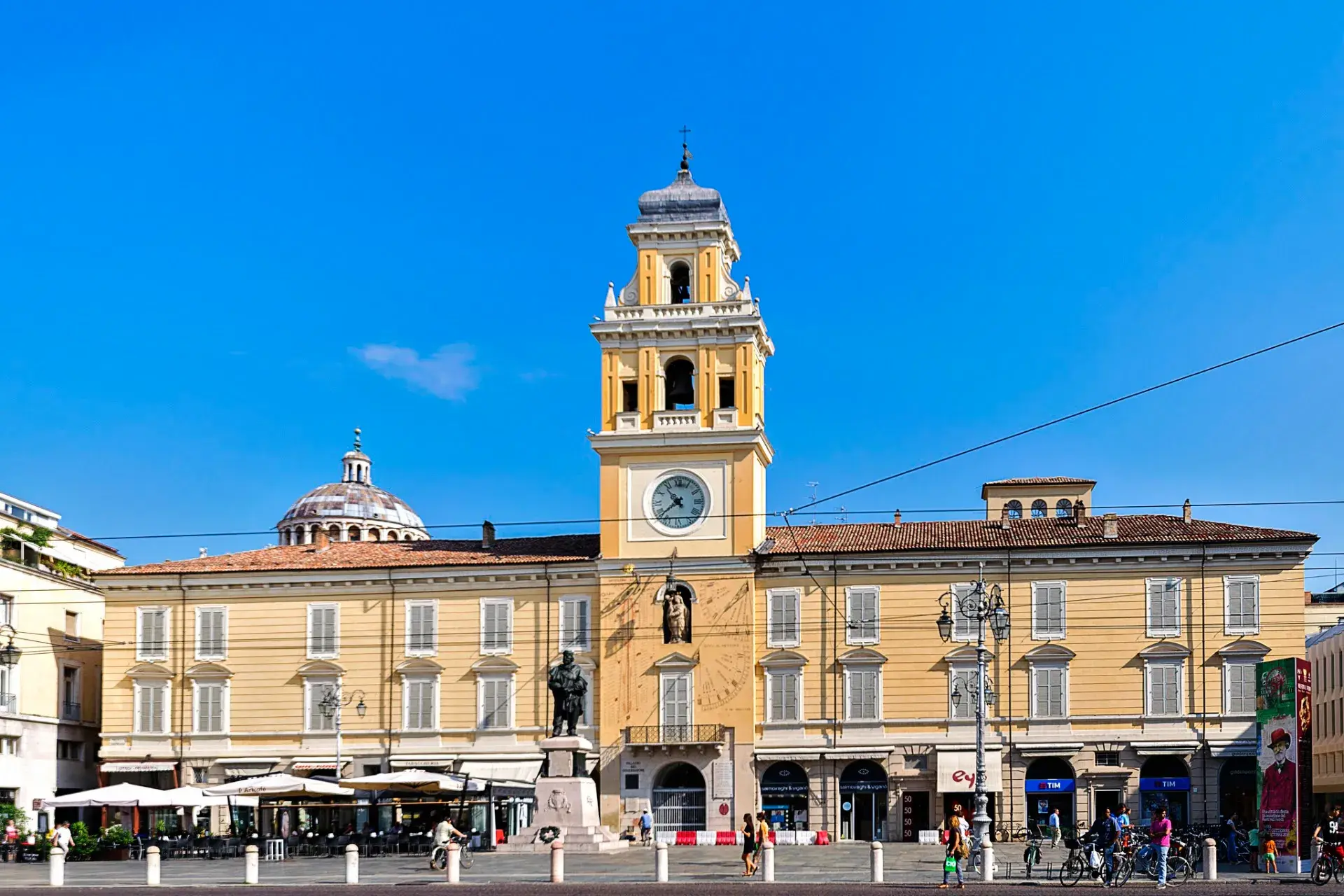
A simple wooden fence built to hold back crowds of pilgrims gave rise to one of Parma's grandest Renaissance monuments. Gaze at the Renaissance exterior of the Basilica di Santa Maria della Steccata right from Strada Giuseppe Garibaldi. Located midway between Piazza Garibaldi and Palazzo della Pilotta, this sanctuary was elevated to a minor basilica by Pope Benedict XVI in 2008 and stands as a core historic landmark in the city.
From Wooden Fence to Grand Basilica
The site originally hosted a late 14th-century oratory featuring an exterior fresco of a nursing Madonna. As the shrine gained popularity, a wooden picket fence, or steccato, was installed to manage the growing crowds of pilgrims. This practical addition ultimately gave the basilica its name.
In 1521, the commune of Parma began constructing a grand sanctuary to house the venerated image. Designed primarily by Bernardino Zaccagni and Giovan Francesco d'Agrate, with dome contributions by Antonio da Sangallo the Younger, the church was consecrated in 1539. The building features a symmetrical centralized Greek-cross plan without a bell tower, complete with four semicircular apses, four corner chapels, and a central cupola that creates grand echoing acoustics.
Parmigianino's Masterpiece and Alchemy Obsession
Inside, the basilica boasts rich terracotta reds, golds, and blues set against classic Renaissance marble stonework, alongside a historic 1574 Antegnati organ. The presbytery arch soffit is famously adorned with the Three Wise and Three Foolish Virgins, a fresco cycle painted by Parmigianino between 1530 and 1539.
The artist spent years perfecting these arches but eventually abandoned the larger decorative project. Consumed by an obsession with alchemy and embroiled in local disputes, Parmigianino breached his contract. The church confraternity briefly imprisoned him before he fled Parma. Today, a 19th-century marble statue of the artist stands in the adjacent Piazza della Steccata, gazing toward the sanctuary.
Dynastic Ties and the Ducal Crypt
The basilica holds deep ties to local nobility and knightly orders. In 1718, Pope Clement XI granted the church to the Sacred Military Constantinian Order of Saint George. It remains the magistral seat of the order, operating alongside the adjoining Constantinian Museum.
Beneath the grand crossing lies a subdued ducal crypt. Commissioned in 1823 by Duchess Marie Louise of Austria, it serves as the pantheon for the Farnese and Bourbon-Parma dynasties. The crypt remains an active burial site, having received members of the House of Bourbon-Parma as recently as 2020.
The crypt also holds historical mysteries that modern science has since resolved. In 2020, researchers exhumed the sarcophagus of Duke Alessandro Farnese to investigate centuries-old rumors of poisoning; forensic tests confirmed the duke died of natural causes. Above ground, visitors near the entrance can view a neoclassical funerary monument created by Lorenzo Bartolini, dedicated to Count Adam Albert von Neipperg, the morganatic husband of Duchess Marie Louise.
FAQ
Why is it called the Basilica della Steccata?
The name originates from a wooden picket fence, or "steccato," that was installed in the 14th century to control growing crowds of pilgrims visiting an exterior fresco of a nursing Madonna on the site.
What famous artwork is inside the Basilica della Steccata?
The basilica features the famous fresco cycle of the "Three Wise and Three Foolish Virgins," painted on the presbytery arch by Renaissance artist Parmigianino between 1530 and 1539.
Who is buried in the crypt of the Basilica della Steccata?
The crypt, commissioned in 1823 by Duchess Marie Louise, serves as the pantheon for the Farnese and Bourbon-Parma dynasties. It contains the remains of notable figures like Duke Alessandro Farnese and remains an active dynastic burial site.