Piazza Ghiaia: Parma's Historic Market Square
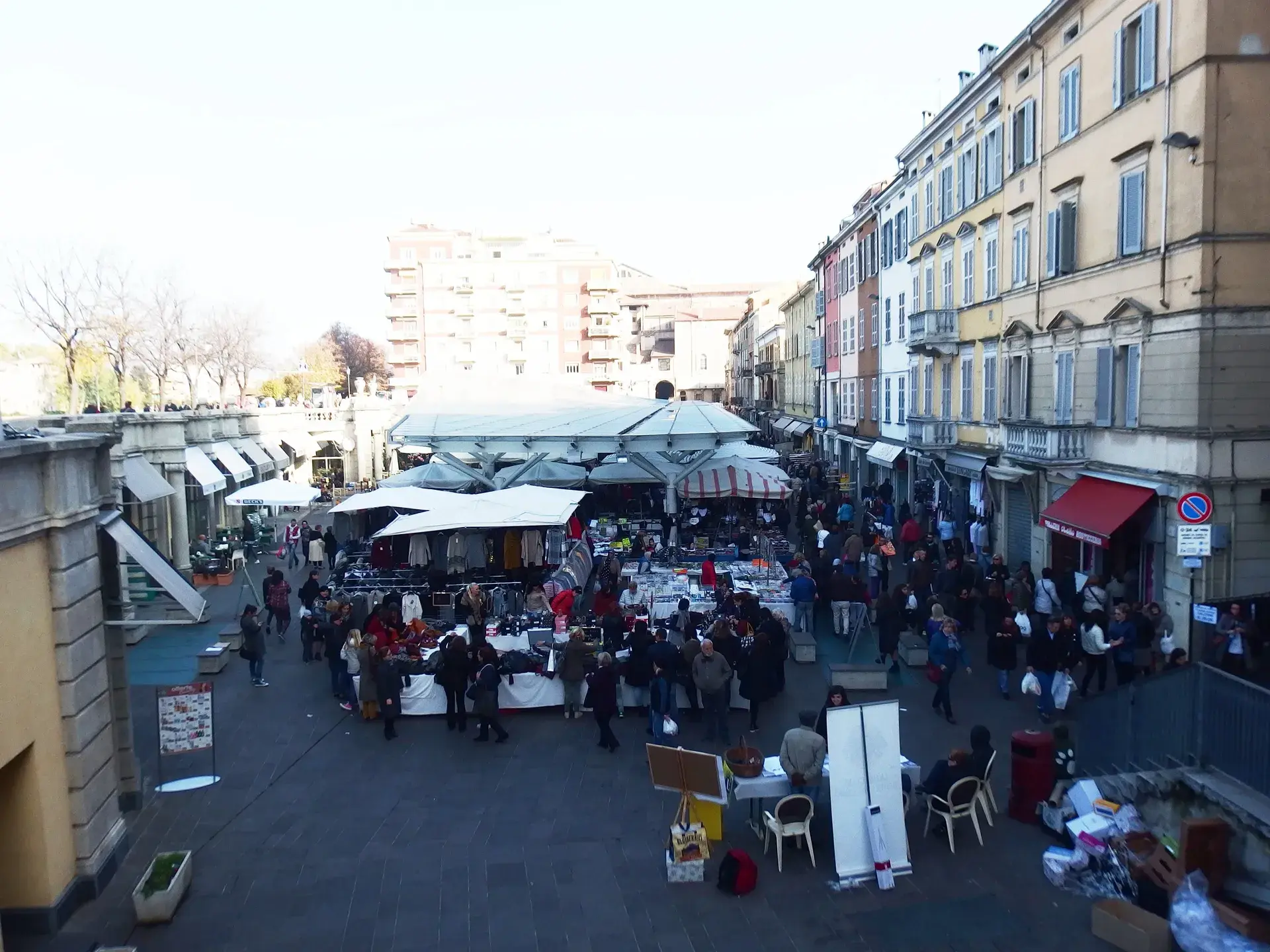
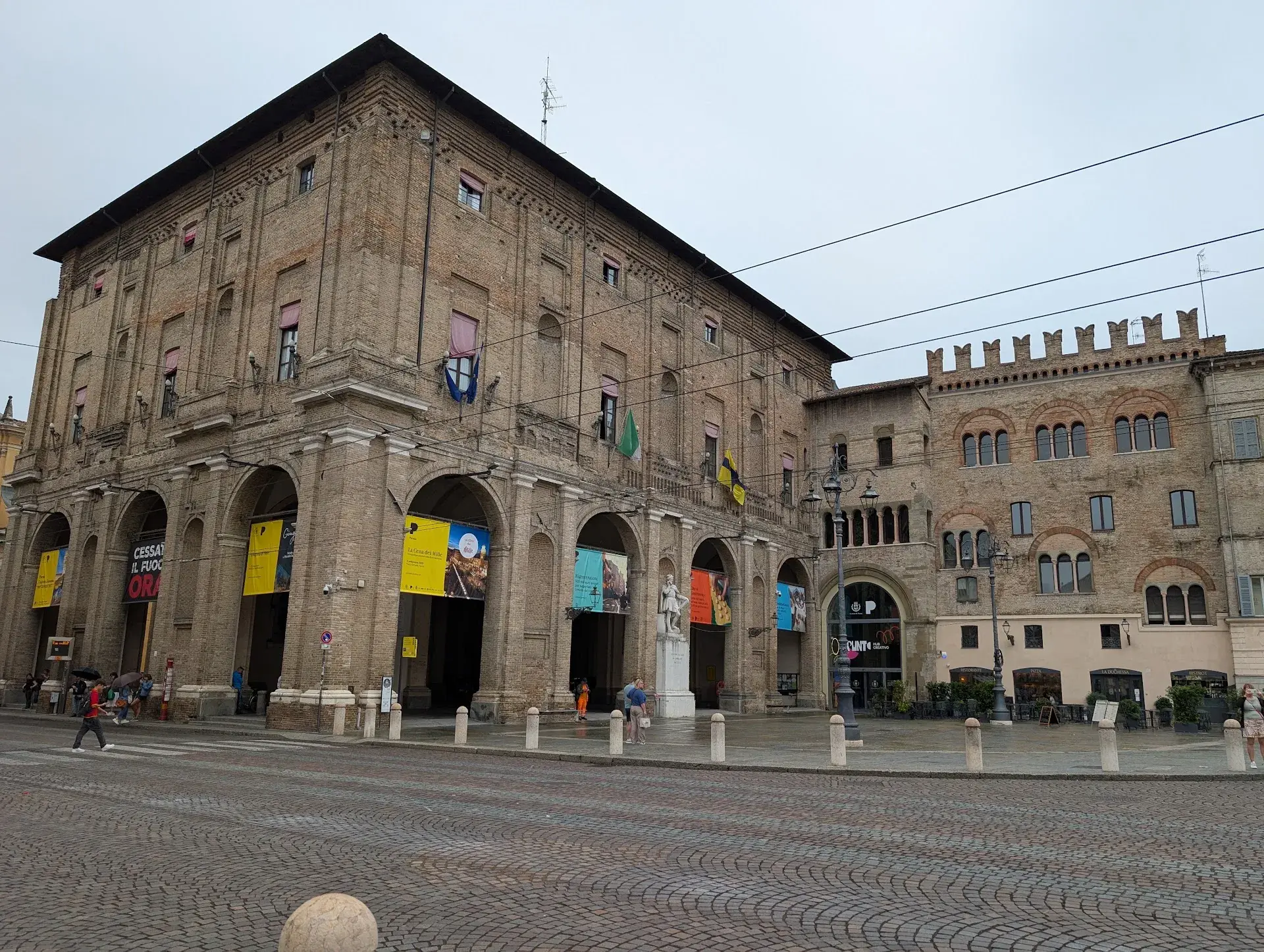
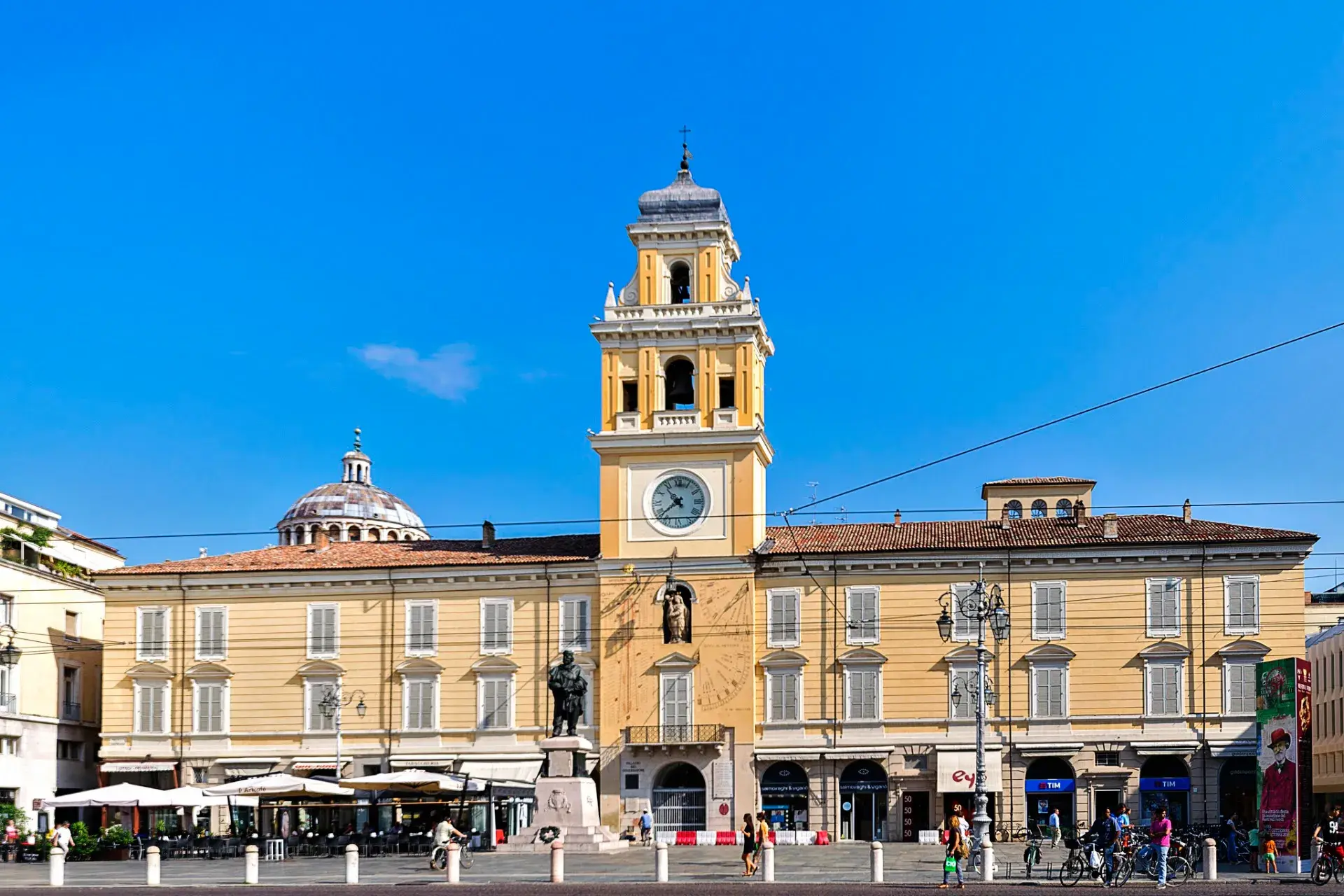
Take in the bustling atmosphere of Piazza Ghiaia, the historic riverside market square that has defined city life for centuries. Positioned between Piazza Garibaldi and Palazzo della Pilotta, this sunken square illustrates how river geography directly shaped Parma's daily life, gastronomy, and architecture. The name itself translates to "gravel," directly referring to the exposed riverbed upon which the plaza sits.
A Square Born from a Flood
Piazza Ghiaia owes its existence to a catastrophic natural event. In 1177, a severe flood shifted the Parma torrent approximately 130 meters to the west. This geographical shift permanently marooned the ancient Roman stone bridge, Pons Lapidis, leaving it completely on dry land.
The marooned bridge was buried beneath subsequent buildings for centuries. It remained hidden until road excavations in 1966 rediscovered the ancient arches. Meanwhile, the newly dried gravel bed left by the shifting river was leased by the commune in the 13th century to secondhand dealers, establishing a permanent marketplace.
Centuries of Civic and Commercial Life
For hundreds of years, the square functioned as a multi-purpose civic hub. In 1509, the city relocated its public slaughterhouse to the square to centralize the meat trade and keep hygiene risks away from residential areas. Beyond its commercial uses, the plaza also served as a site for public executions by hanging during the ducal period.
During the 19th century, Duchess Maria Luigia financed the construction of the Neoclassical Beccherie between 1836 and 1838. This grand complex modernized the meat trade and featured an integrated community icehouse, alongside upper-floor welfare spaces that included a nursery and a hospice. Despite its architectural and social significance, the Beccherie was demolished in 1928 under the Fascist administration.
Modern Architecture Meets Traditional Markets
Today, Piazza Ghiaia operates as a multi-level public space defined by contemporary design. Around 2010, the square was inaugurated with an undulating modern steel-and-glass canopy designed by architect Paolo Portoghesi. Filtered light streams through the curved glass roof, mingling with the calls of market vendors and the scents of fresh local produce.
The plaza remains Parma's central shopping hub. It hosts a bi-weekly general market on Wednesdays and Saturdays, as well as thematic vintage and artisan fairs. The area is also home to permanent food retailers, cafes, and an underground supermarket, ensuring the square remains a vital commercial anchor in the historic center.
FAQ
Why is the square named Piazza Ghiaia?
The name translates to "gravel" in Italian, referring to the exposed, dry riverbed left behind after a catastrophic flood in 1177 shifted the course of the Parma torrent.
What happened to the ancient Roman bridge near the square?
The Roman stone bridge, known as Pons Lapidis, was marooned on dry land after the 1177 flood. It was buried under buildings for centuries before being rediscovered during road excavations in 1966.
When are the markets held in Piazza Ghiaia?
The square hosts Parma's bi-weekly general market on Wednesdays and Saturdays, alongside regular thematic fairs for vintage goods, antiques, and artisan crafts.