Spiaggia del Porto: Vernazza's Historic Harbour
The Natural Anchorage of Vernazza
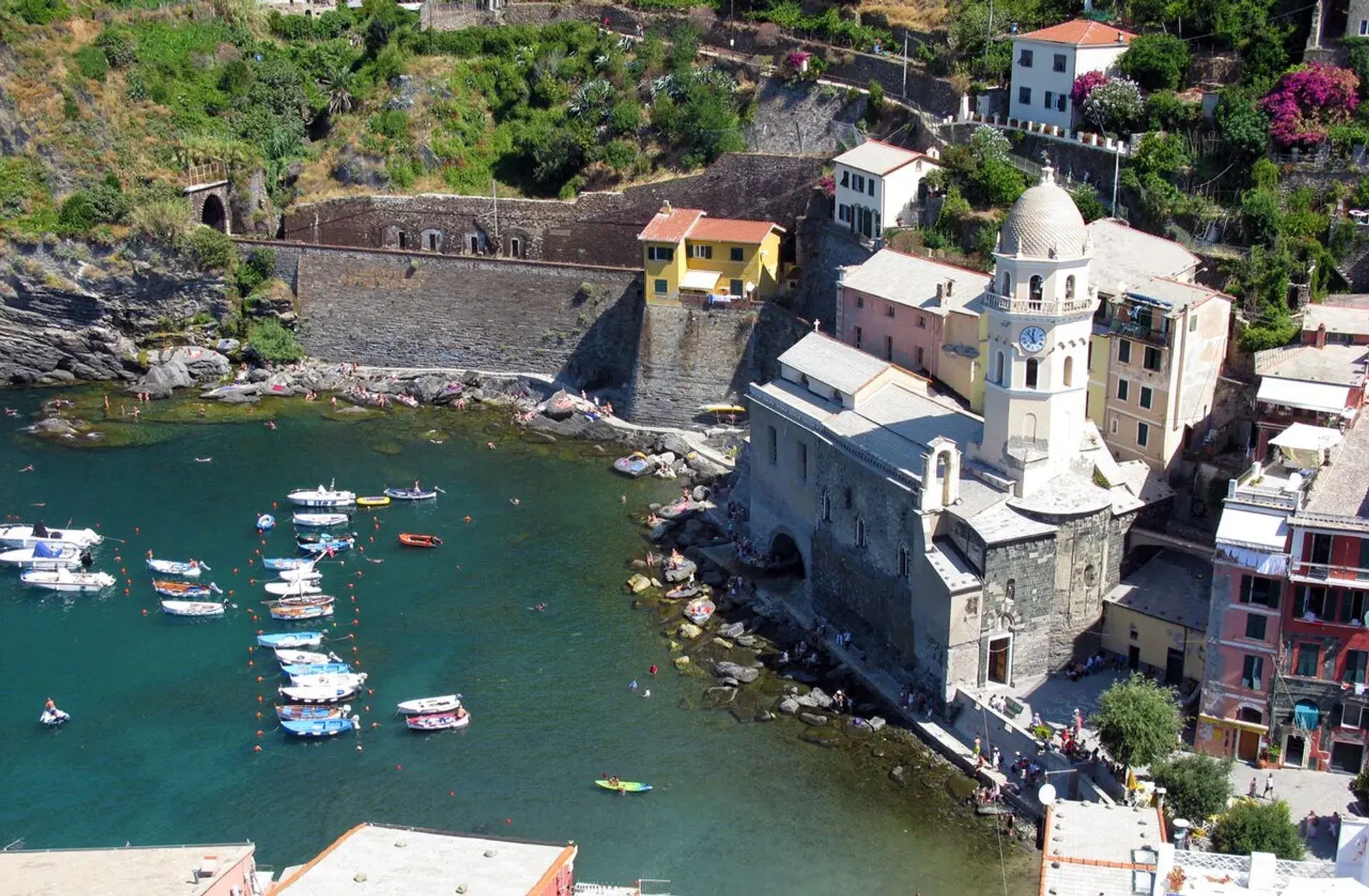
Spiaggia del porto sits tucked inside the only sheltered, natural deep-water port in the Cinque Terre. Formed by a rocky promontory that curls outward into the Ligurian Sea, the harbour basin is reinforced by an outer stone breakwater (molo foraneo) and the Pontile Ventegà quay. Water depths reach between 1 and 2.5 metres along the quay and drop to roughly 6.5 metres within the inner basin, allowing small to medium vessels to anchor safely.
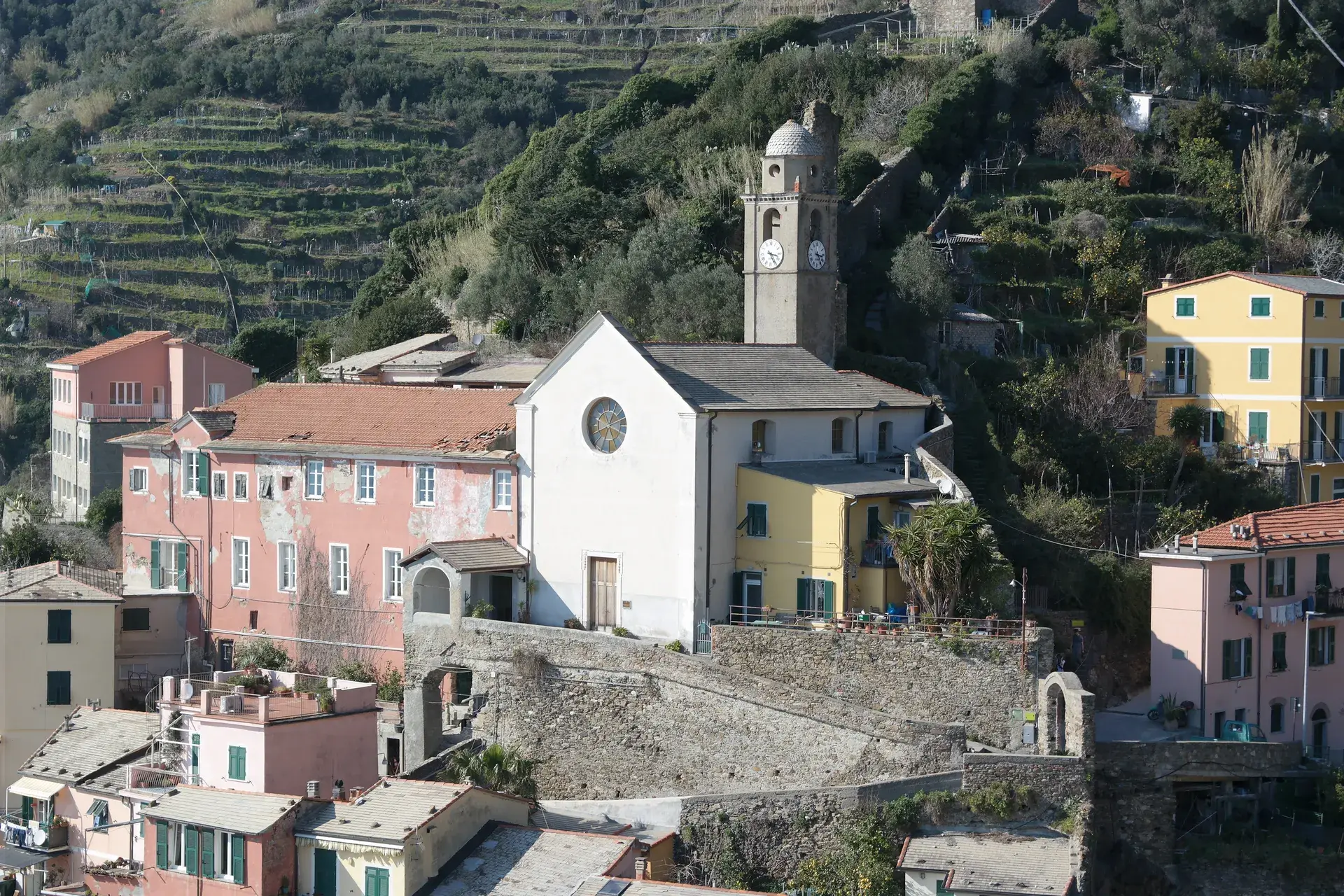
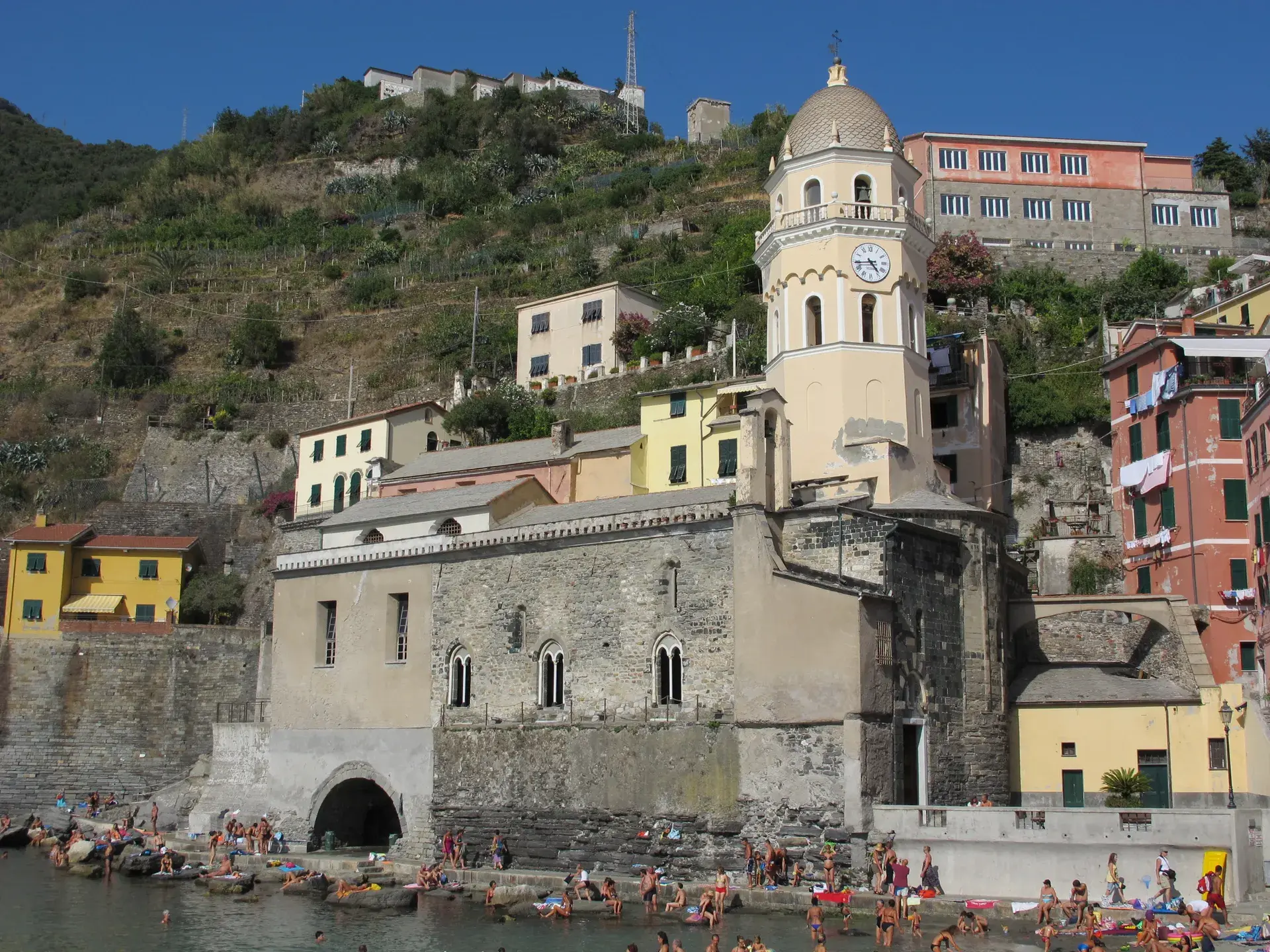
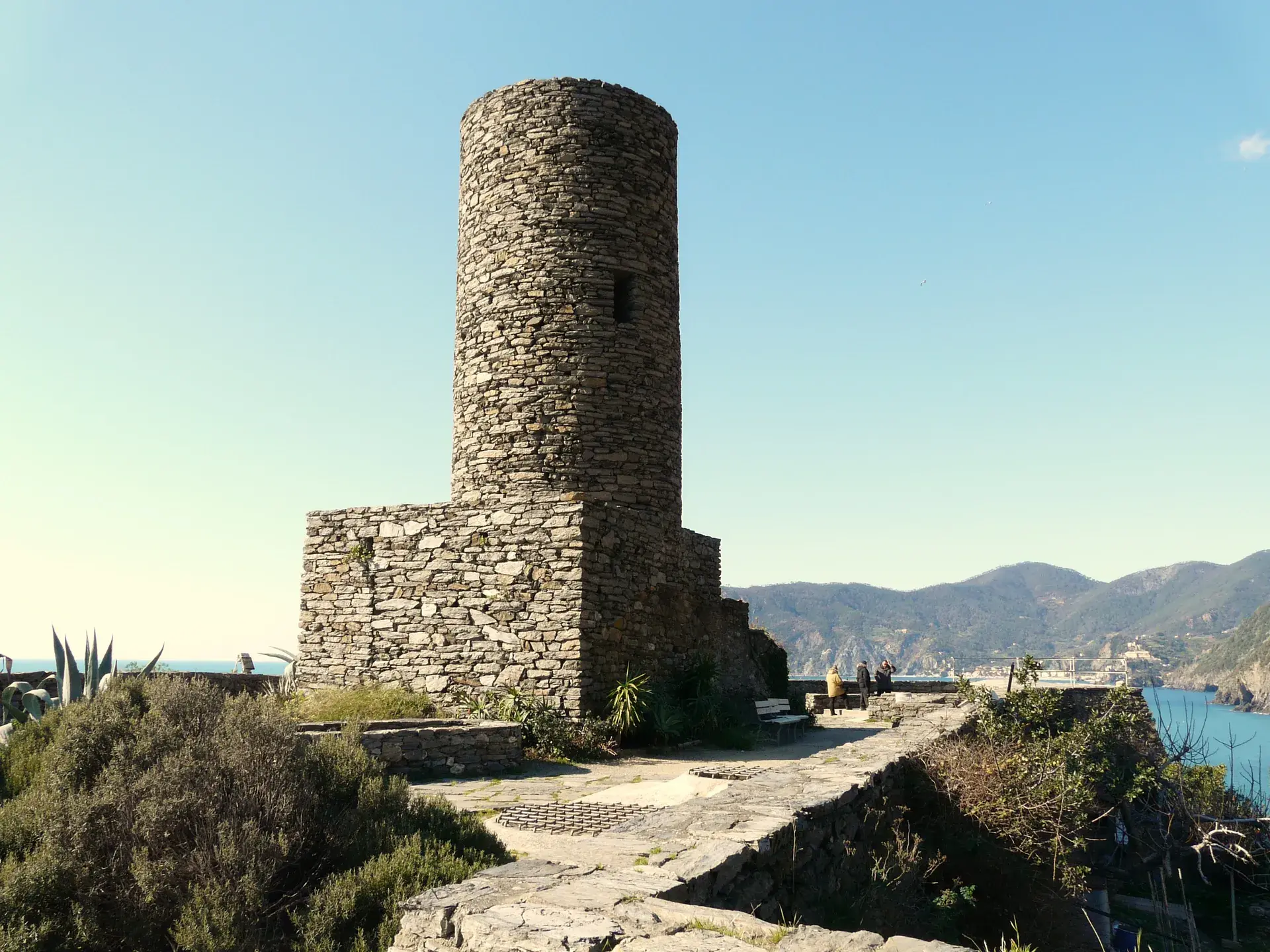
The shoreline opens immediately onto Vernazza's central square, Piazza Guglielmo Marconi. At water level, the harbour is framed by the 14th-century Church of Santa Margherita d'Antiochia, while the cylindrical stone tower of Doria Castle overlooks the entire waterfront from the high cliffs above.
From Medieval Naval Arsenal to Maritime Stronghold
Unlike neighboring Cinque Terre villages that relied primarily on terraced agriculture, Vernazza developed as a prominent naval and merchant station. The settlement originated along a steep ravine carved by the Vernazzola stream, with the port functioning as the natural terminus of the town's central corridor. Historical records from 1080 identify the site as an Obertenghi maritime base used to defend the coast against Saracen raiders.
In 1209, roughly 90 family heads in Vernazza pledged allegiance to the Republic of Genoa. Under Genoese dominion, the natural harbour was transformed into a fortified naval base, fleet arsenal, and shipbuilding yard. The wealth generated by maritime trade directly funded the town’s architectural layout, including the palazzata a mare—the distinctive wall of pastel, multi-storey sea-facing tower houses that line the waterfront.
During the Middle Ages, neither the modern sandy beach nor the paved surface of Piazza Marconi existed. Seawater washed directly against the stone foundations of the waterfront buildings, where local sailors secured their vessels to heavy iron mooring rings embedded in the exterior walls.
Flood and Restoration
The town's geographic position within a narrow river valley brought severe peril on October 25, 2011. An extraordinary rainfall event exceeding 500 millimeters triggered massive flash floods and mudslides down the Vernazzola torrent. Debris submerged the harbour basin and Piazza Marconi under up to four metres of mud and rock, sweeping local fishing vessels out to sea. A coordinated effort involving civilian volunteers and military units subsequently excavated the harbour and restored the waterfront infrastructure.
Seaside Life and Harbour Activities
Today, the harbour continues to serve as an active maritime hub while accommodating recreation. Traditional wooden fishing boats (gozzi) and private pleasure craft bob alongside docks dedicated to regional passenger ferries and boat excursions. The calm, breakwater-protected water and the adjacent strip of sand at Spiaggia del porto offer a public swimming area accessible via the shore, pier rocks, and quayside ladders.
The waterfront remains the focal point of community life, where the sounds of rigging clinking against boat masts mingle with open-air dining along Piazza Marconi. In the 1970s, the sheltered basin even hosted local athletic competitions, serving as an open-water arena for Vernazza’s competitive water polo team. The town itself carries names rooted in varied traditions, linked alternatively to the indigenous Vernaccia grape, the Latin word verna (meaning native), or an ancient Roman freed-slave family named Vulnetia.
FAQ
What makes Vernazza's harbour unique compared to other Cinque Terre towns?
Vernazza possesses the only sheltered, natural deep-water port in the Cinque Terre, enabling it to operate historically as a Genoese naval base and shipyard rather than a purely agricultural community.
Can visitors swim at Spiaggia del porto?
Yes. The sheltered water within the breakwater and the adjoining sandy patch serve as a public swimming area, accessible directly from the beach, quayside ladders, and pier rocks.
Did Spiaggia del porto always exist in its current form?
No. In the Middle Ages, there was neither a sandy beach nor a paved square. Seawater washed directly against the waterfront houses, and boats were tied directly to iron rings fixed into the masonry.
What happened to the harbour during the 2011 floods?
On October 25, 2011, extreme rainfall caused mudslides that buried the harbour and Piazza Marconi under up to four metres of mud and swept boats to sea, requiring extensive restoration to clear the basin.