Gion Corner: Kyoto's Traditional Arts Showcase
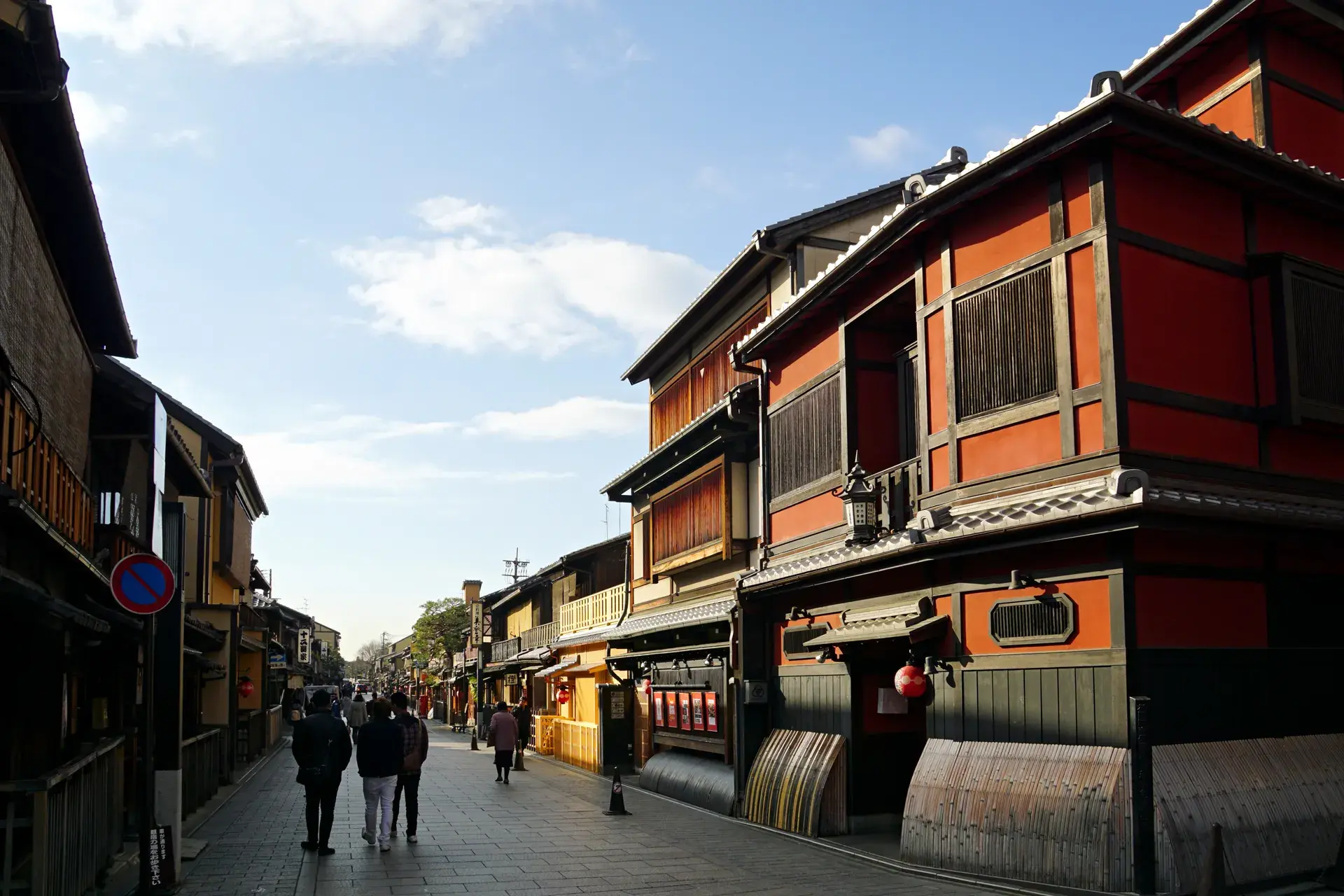
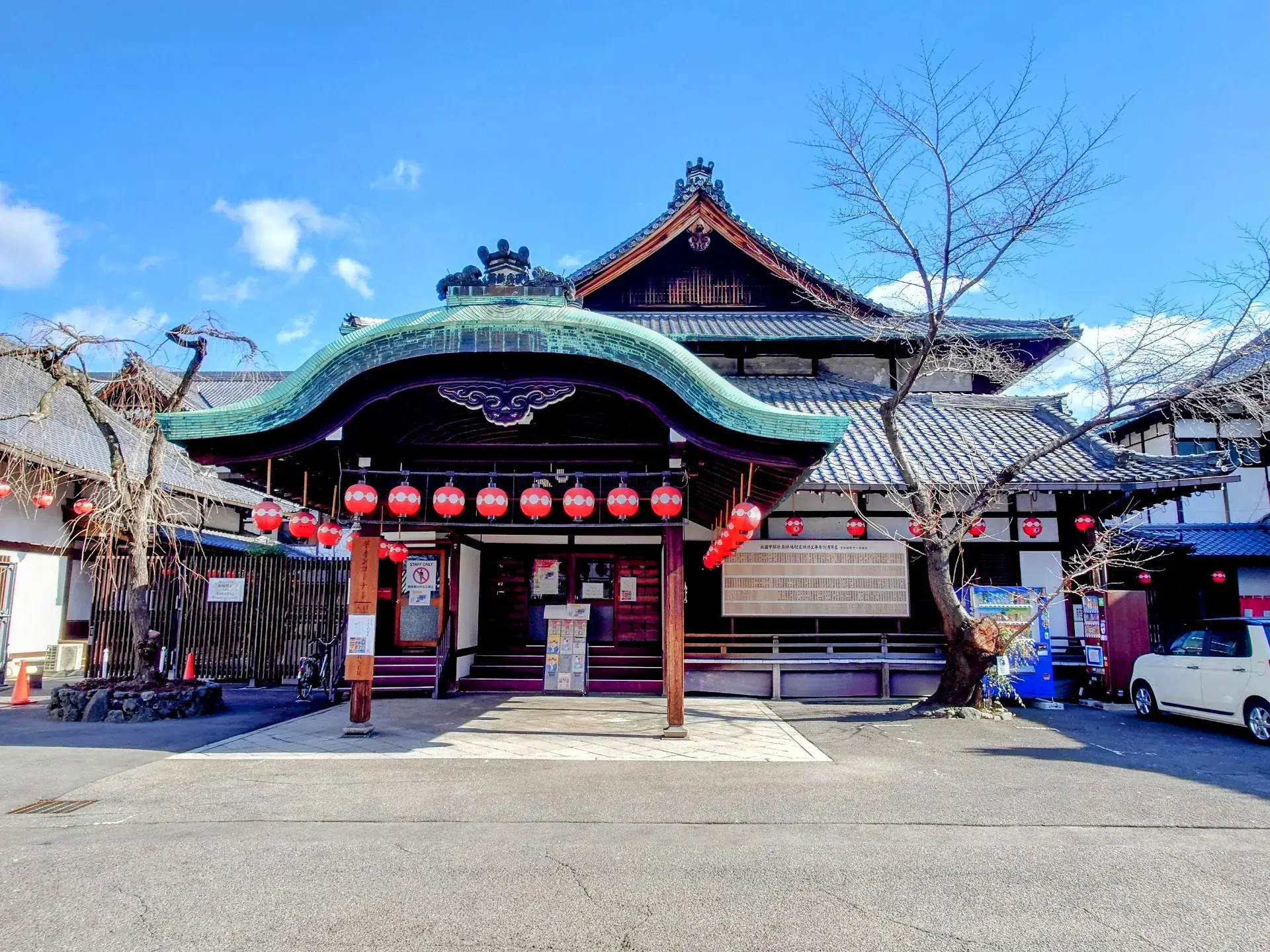
Gion Corner stands as a prominent cultural venue in Kyoto's famous Gion district. Housed within the Gion Kobu Kaburenjo Annex Theater, its traditional architectural style offers a glimpse into the vibrant world of Japanese performing arts contained within.
A Modern Gateway to Ancient Arts
While the surrounding Gion district has roots stretching back to the Sengoku period, Gion Corner is a more recent addition. It was established in 1962 with the support of the Oonoki Zaidan association. The primary goal was to create a dedicated venue to present a condensed experience of traditional arts to international visitors, coinciding with the 1964 Tokyo Olympics. This initiative marked a significant step in making historically exclusive art forms more accessible to a global audience.
A Digest of Japanese Culture
Gion Corner operates as a cultural theater offering daily one-hour performances that serve as a comprehensive introduction to seven distinct Japanese arts. The program is designed as a 'digest' and includes Kyomai dance, often performed by maiko (apprentice geiko) from the Gion Kobu district. Other arts showcased are chanoyu (tea ceremony), koto (Japanese zither) music, ikebana (flower arrangement), and bugaku court dance. The performance also features kyogen, a form of traditional comic theater, and seasonally includes either bunraku puppet theater or a Noh play. The venue attracts approximately 80,000 visitors annually and is a popular evening attraction.
Designed for an International Audience
Every aspect of the Gion Corner experience is tailored for international visitors. The performances include multilingual explanations to ensure accessibility. A notable accommodation is the 'ryurei' style of tea ceremony, which allows guests to sit on stools rather than directly on tatami mats. The theater has a capacity of 165 people, including 30 premium seats that come with a digital tablet providing detailed information and translations throughout the performance.
Preserving a Rich Heritage
Gion Corner plays a vital role in Kyoto's modern cultural landscape by institutionalizing the display of its performing arts. It serves as an accessible gateway for visitors to experience the essence of Kyoto's artistic heritage, bridging centuries-old traditions with contemporary tourism. By showcasing arts like the UNESCO-recognized Bunraku puppet theater, the venue helps sustain interest and ensure the preservation and visibility of these invaluable cultural practices.
FAQ
What can you see at Gion Corner?
Gion Corner presents a one-hour performance showcasing a digest of seven traditional Japanese arts: Kyomai dance, tea ceremony (chanoyu), koto music, flower arrangement (ikebana), bugaku court dance, kyogen comedy, and either bunraku puppet theater or a Noh play.
When was Gion Corner established?
Gion Corner was established in 1962. It was specifically created to offer international visitors, particularly those attending the 1964 Tokyo Olympics, an accessible experience of traditional Japanese performing arts.
Are the performances at Gion Corner suitable for non-Japanese speakers?
Yes, the performances are designed for an international audience and include multilingual explanations. Premium seats also offer a digital tablet with detailed information and translations.
What is special about the tea ceremony at Gion Corner?
The tea ceremony is performed in the 'ryurei' style, which allows audience members to sit on stools instead of traditional tatami mat seating. This makes the experience more comfortable for visitors unfamiliar with Japanese customs.
Discover Kyoto like never before
Dive into Kyoto hidden stories and secret spots with Ciceru interactive tours.
Explore tour
Audioguide
Quizzes
Maps
Solo
Couples
Groups & families
© Photo by 山脇孝之 via Google Maps · Google Places