Pontocho Alley: Kyoto's Historic Dining & Geisha District
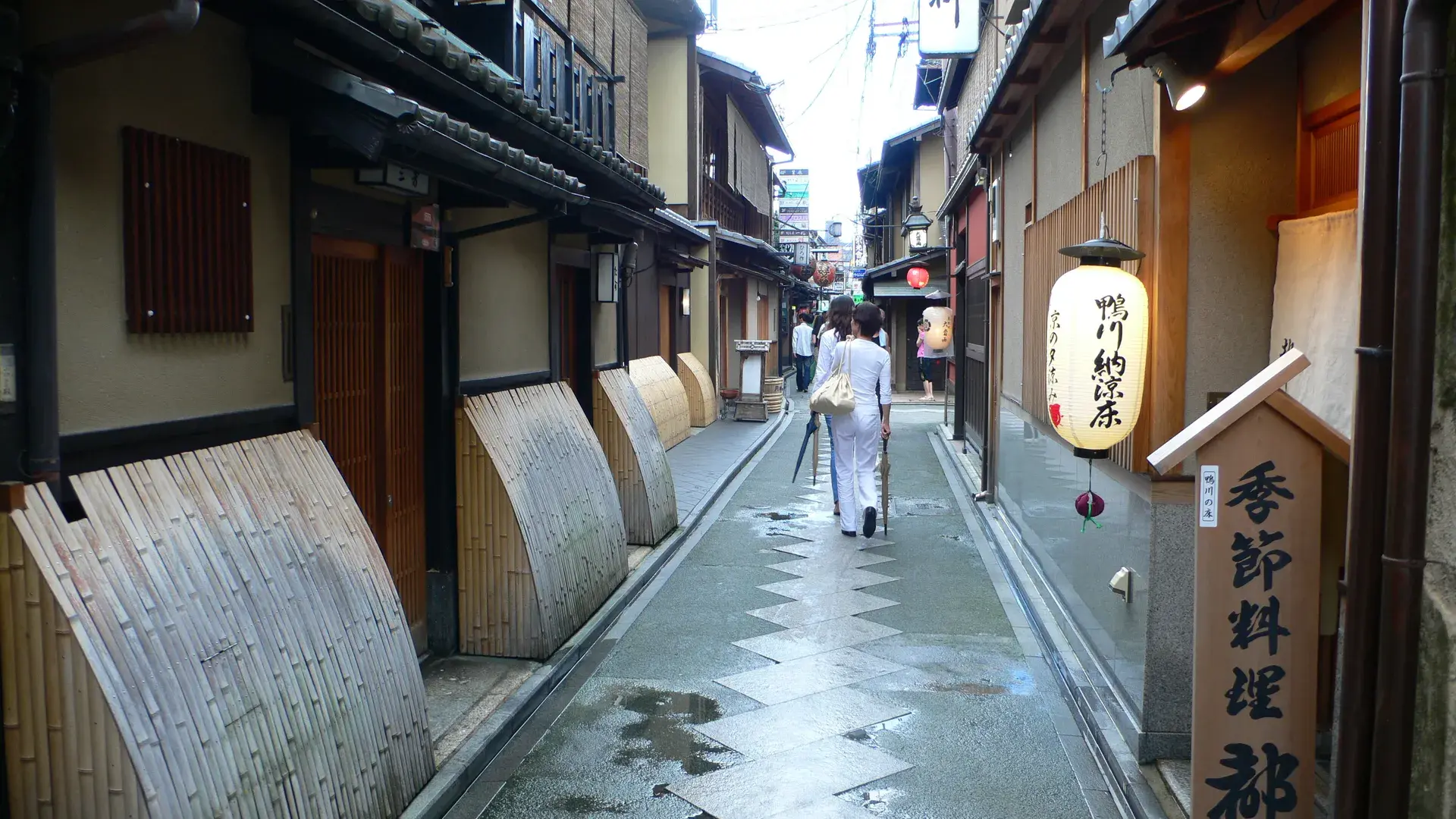
Pontocho Alley is a captivating, narrow pedestrian lane in Kyoto, renowned for its traditional wooden facades, glowing lanterns, and hidden restaurants that evoke the city's historic nightlife. Quiet by day, the alley transforms after 5 PM as establishments open, and the air fills with the scents of charcoal from yakitori grills and incense from upstairs dining rooms.
A History Forged by the River
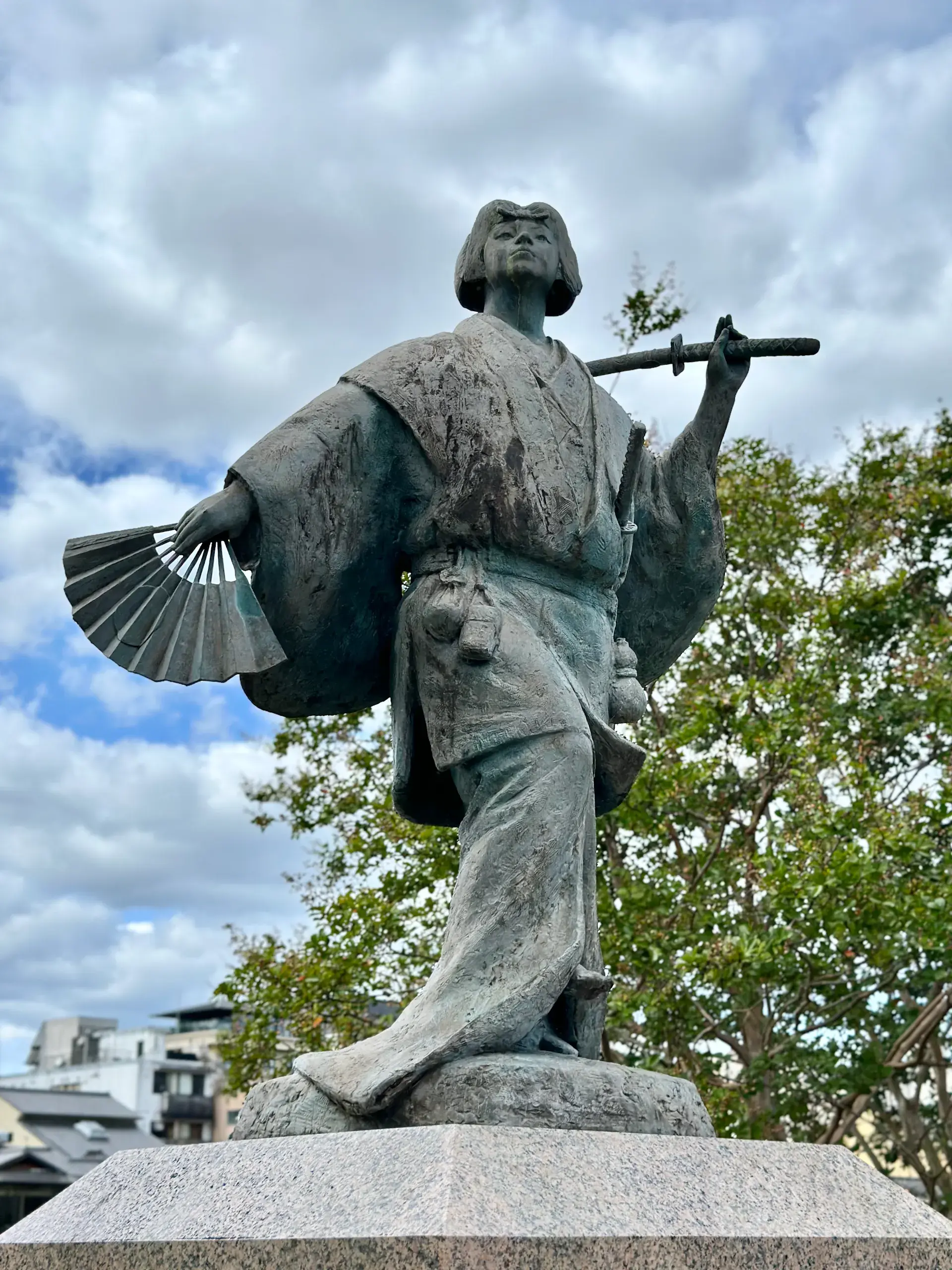
The origins of Pontocho trace back to 1670, when land was reclaimed from a sandbar in the Kamo River. This new strip of land quickly developed into an entertainment quarter, with the first teahouses established around 1710-1712 to serve boatmen and travelers. By 1859, it was officially licensed as a geisha district, or hanamachi. The stylized Japanese dance-drama of Kabuki, founded by Izumo no Okuni, is also said to have originated in this district.
A pivotal moment came in 1872 with the start of the Kamogawa Odori dance performances. City leaders initiated these performances to revitalize Kyoto's economy after it lost its status as the imperial capital to Tokyo. The Pontocho Kaburenjo Theater was later built specifically for these annual dances.
Architectural Ingenuity
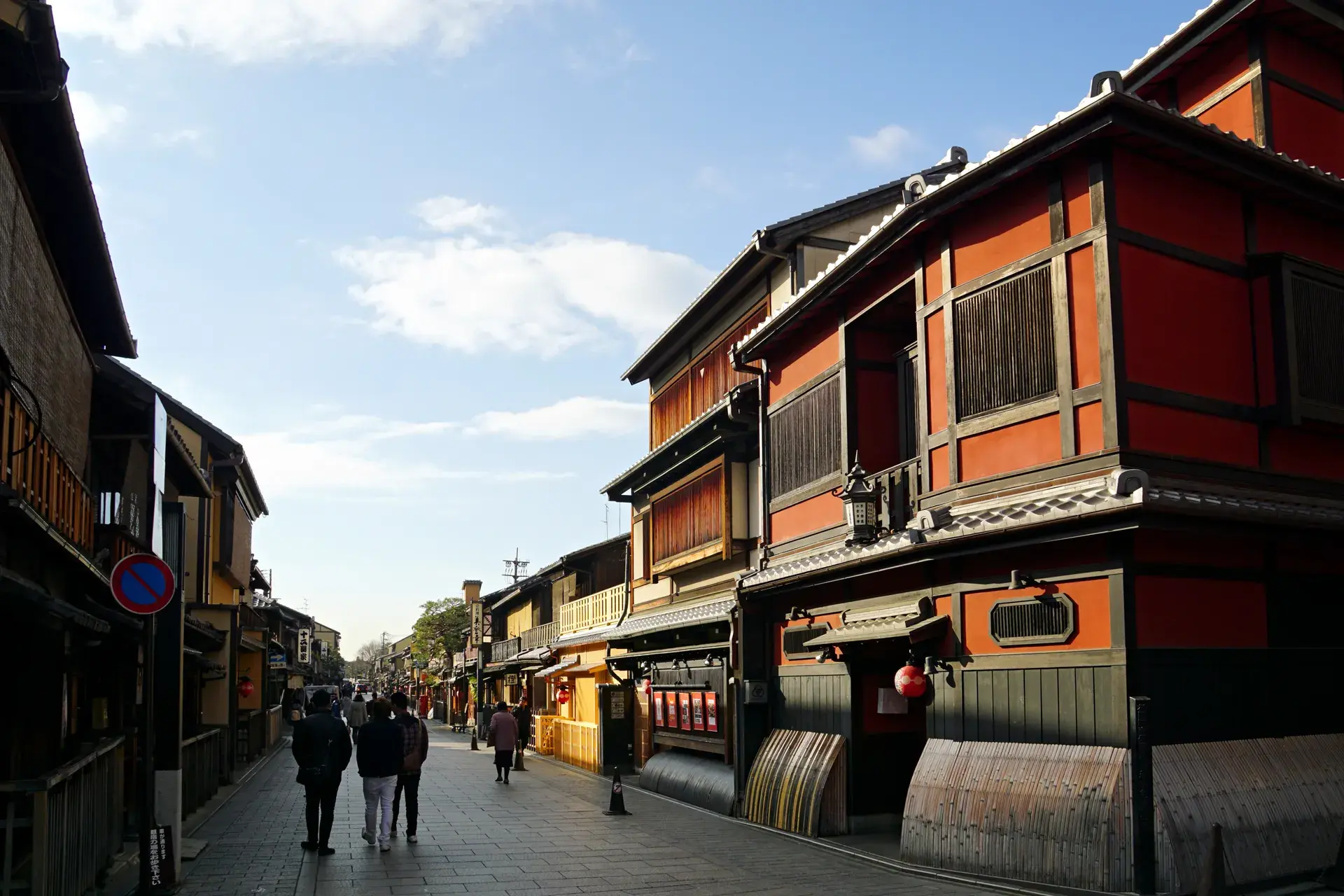
The architecture of Pontocho is defined by traditional Edo-era wooden machiya. Many of these buildings exhibit a distinctive 'eel bed' design, with very narrow frontages of about 3 meters but significant depth, sometimes reaching 30 meters. This unique style was a clever response to an Edo-period tax strategy where property was taxed based on its street frontage, not its total area.
Another key architectural landmark is the Pontocho Kaburenjo Theater. Designed by Tokusaburo Kimura and completed in 1927, the building was praised for its blend of Western construction and Japanese aesthetics, featuring a gargoyle modeled after a bugaku mask on its roof to act as a guardian for the district's prosperity.
Pontocho Today: A Hub of Culture and Cuisine
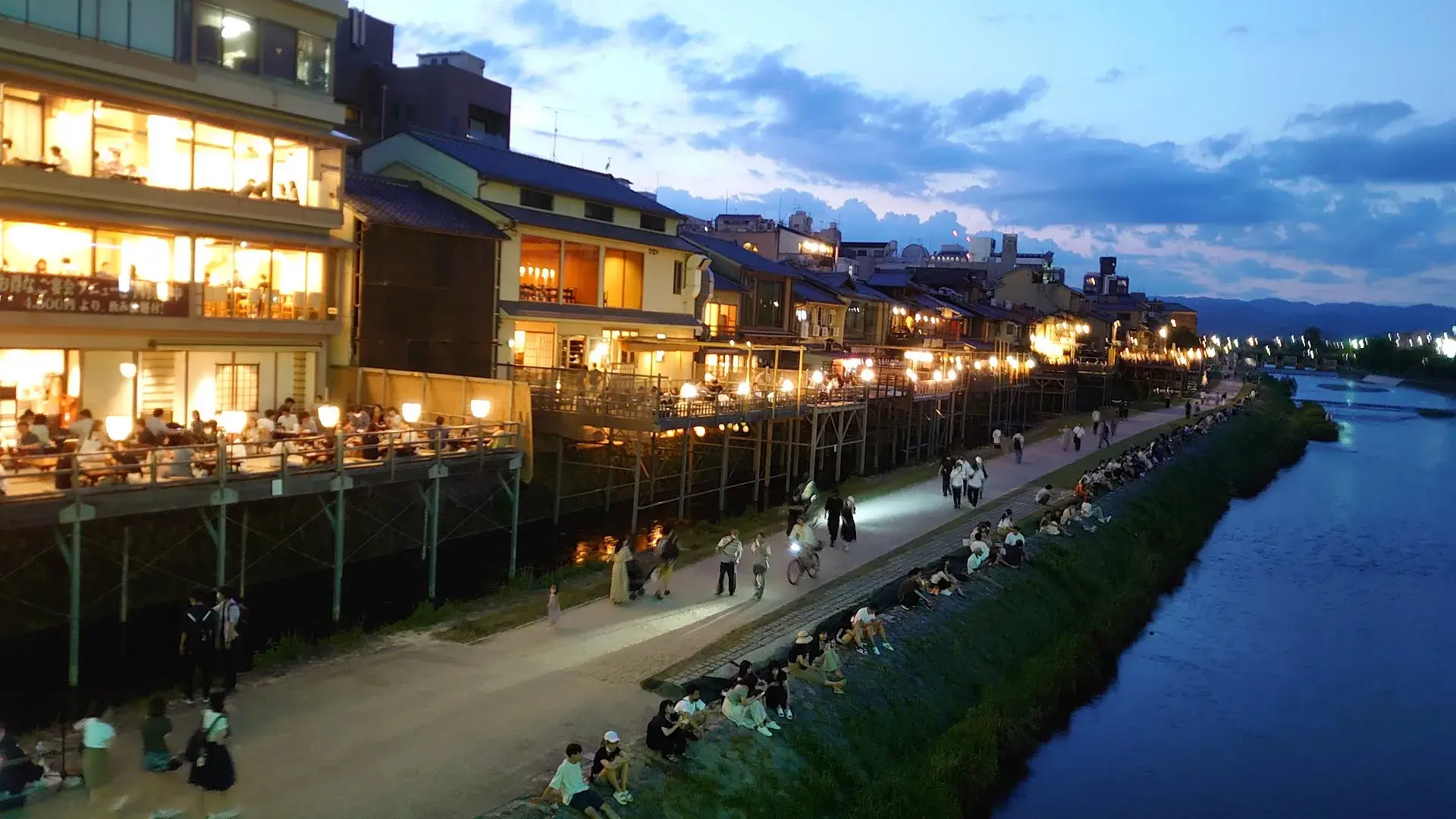
Today, Pontocho Alley thrives as a premier nightlife and dining destination, with over 100 restaurants, bars, and teahouses. The culinary offerings are diverse, from casual izakayas to upscale kaiseki multi-course meals. From May to September, many restaurants on the east side of the alley erect temporary riverside dining platforms known as noryo-yuka, offering an open-air experience overlooking the Kamo River.
Pontocho remains one of Kyoto's five active hanamachi. The geiko (geisha) and maiko (apprentice geisha) who live and work here are considered 'living human treasures,' preserving the area's artistic legacy. They can sometimes be seen in the early evening, moving between appointments.
Symbols and Atmosphere
The district's official emblem is the white plover, or chidori, a motif often seen on the paper lanterns that illuminate the pedestrian-only alley at night. The name 'Pontocho' itself is believed to be a blend of the Portuguese word 'ponto' (point or bridge) and the Japanese word 'cho' (district), reflecting historical trade connections.
Recent modernization efforts have preserved the alley's historic aesthetic by burying thousands of overhead electric cables and replacing asphalt with more traditional paving. This allows the unique sound of footsteps on stone, worn smooth over three centuries, to echo through the narrow passage.
FAQ
What is Pontocho Alley famous for?
Pontocho Alley is one of Kyoto's five traditional geisha districts (hanamachi) and is famous for its narrow, atmospheric lane lined with traditional wooden restaurants, bars, and teahouses, especially known for its nightlife and seasonal riverside dining.
Can you see geisha in Pontocho?
Yes, as an active geisha district, it is possible to see geiko (geisha) and maiko (apprentices) in Pontocho. They are most often spotted in the early evening, between 5:30 PM and 6:30 PM, as they travel to their appointments.
Why are the buildings in Pontocho Alley so narrow?
The long, narrow 'eel bed' style of the buildings was a result of an Edo-period tax strategy. Property owners were taxed based on the width of their street frontage, not the depth of the plot, which encouraged them to build slender structures to minimize costs.
What does 'Pontocho' mean?
The name 'Pontocho' is thought to be a combination of the Portuguese word 'ponto,' meaning 'point' or 'bridge,' and the Japanese word 'cho,' meaning 'district' or 'block,' reflecting Kyoto's historical contact with European traders.