Hanamikoji Dori: Kyoto's Famous Flower Corridor
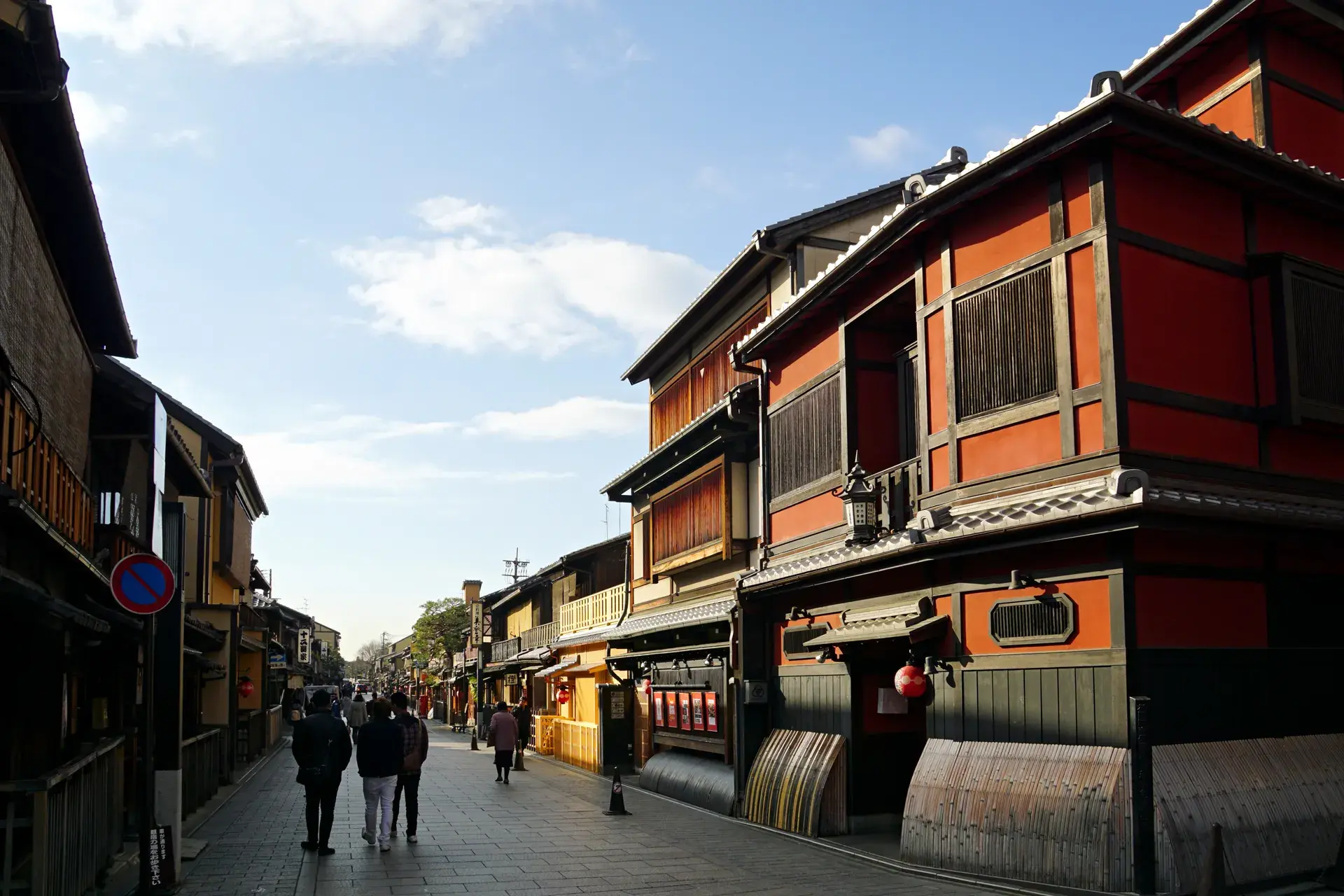
Gaze upon Hanamikoji Dori, often called "The Flower Corridor," the most prominent street in Kyoto's Gion district. Lined with traditional wooden facades and softly illuminated by lanterns, this charming pathway offers a glimpse into the ephemeral beauty of Gion's celebrated geiko culture.
The Creation of a Timeless Street
The Gion district first developed during the Edo period as an entertainment area for pilgrims visiting the nearby Yasaka Shrine. However, Hanamikoji Dori as it is known today is surprisingly modern. It was formally established around 1874, during the early Meiji era. The Gion tea house association purchased land, which had been requisitioned from the Kennin-ji Temple, to create this new hanamachi (flower town).
Original teahouses from other parts of Gion were gathered and relocated to the southern part of the street, curating the historic atmosphere seen today. This includes the legendary Ichiriki Ochaya, a teahouse with over 300 years of history. It famously served as a meeting place for the samurai in the 1702 Chushingura (47 Ronin) incident and later for patriots plotting to overthrow the shogun.
Architecture and Atmosphere
Hanamikoji Dori stretches for about one kilometer, bisected by Shijo Avenue. The southern section is particularly renowned for its preserved Edo-period aesthetic, featuring traditional wooden machiya townhouses. These buildings are characterized by their narrow, deep design—a result of historical property taxes based on street frontage.
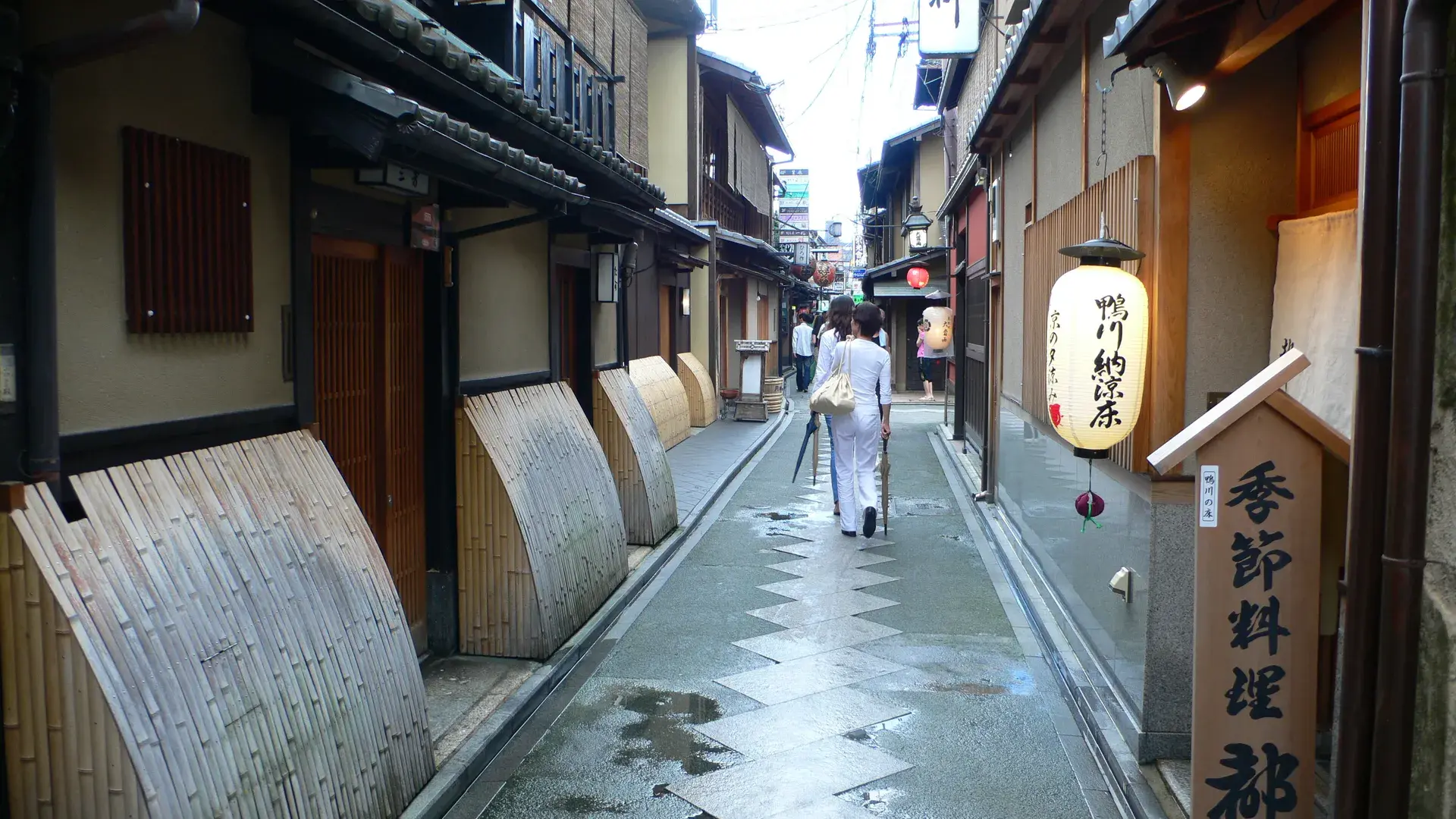
Architectural details include kimusuko (wooden trellises) and inuyarai, curved bamboo barriers that protect the wooden walls from splashes. In the evenings, the street's ambiance is enhanced by the warm glow of traditional lanterns on the cobblestone lanes. To maintain this historic view, modern electric utility wires have been buried underground.
Hanamikoji Dori Today
The street remains a vibrant cultural hub. The southern portion is home to exclusive ochaya (teahouses) and high-end restaurants. It is a popular destination where visitors might observe geiko (geisha) and maiko (apprentices) as they move between engagements, especially around dusk. However, strict rules are in place; photography is forbidden on private roads, and fines can be issued for disrespecting, touching, or taking unauthorized photos of the geiko and maiko.
The northern part of the street has a more contemporary feel, with bars, clubs, and izakayas. For a formal introduction to Gion's arts, Gion Corner offers cultural shows, while the Gion Kobu Kaburenjo Theatre hosts the annual Miyako Odori dance performances each spring. Despite its historic appearance, Hanamikoji Dori is not a pedestrian-only zone and is open to vehicle traffic.
The Heart of Geiko Culture
Hanamikoji Dori is the central artery of Gion Kobu, the largest of Kyoto's five geisha districts. It is fundamental to the preservation of the city's unique geiko culture. The street is home to the Inoue school of Kyo-mai dance, a style taught exclusively to Gion's geisha. The school's significance is highlighted by figures like Inoue Yachiyo, who was designated a "Living National Treasure" in 1955 for her mastery of the art form.
FAQ
What is Hanamikoji Dori?
Hanamikoji Dori, or 'The Flower Corridor,' is a famous street in the Gion district of Kyoto, Japan. It is known for its preserved traditional wooden townhouses, teahouses, and as a center of geiko (geisha) culture.
Can you see geishas on Hanamikoji Street?
Yes, it is possible to see geiko and maiko, particularly in the early evening. However, visitors must be respectful. Photography on private roads is prohibited, and actions like stopping, touching, or taking unauthorized photos of them can result in fines.
Is Hanamikoji Dori an ancient street?
While the Gion area has a long history, Hanamikoji Dori in its current form was established around 1874 in the Meiji era. Its timeless appearance is meticulously maintained, partly through modern efforts like burying electrical wires.
What is the difference between the northern and southern parts of Hanamikoji?
The southern section, south of Shijo Avenue, maintains a traditional Edo-period atmosphere with exclusive teahouses and restaurants. The northern section has a more contemporary character, with modern bars, clubs, and izakayas.