Kamo River Noryo-Yuka: Kyoto's Summer Dining Tradition
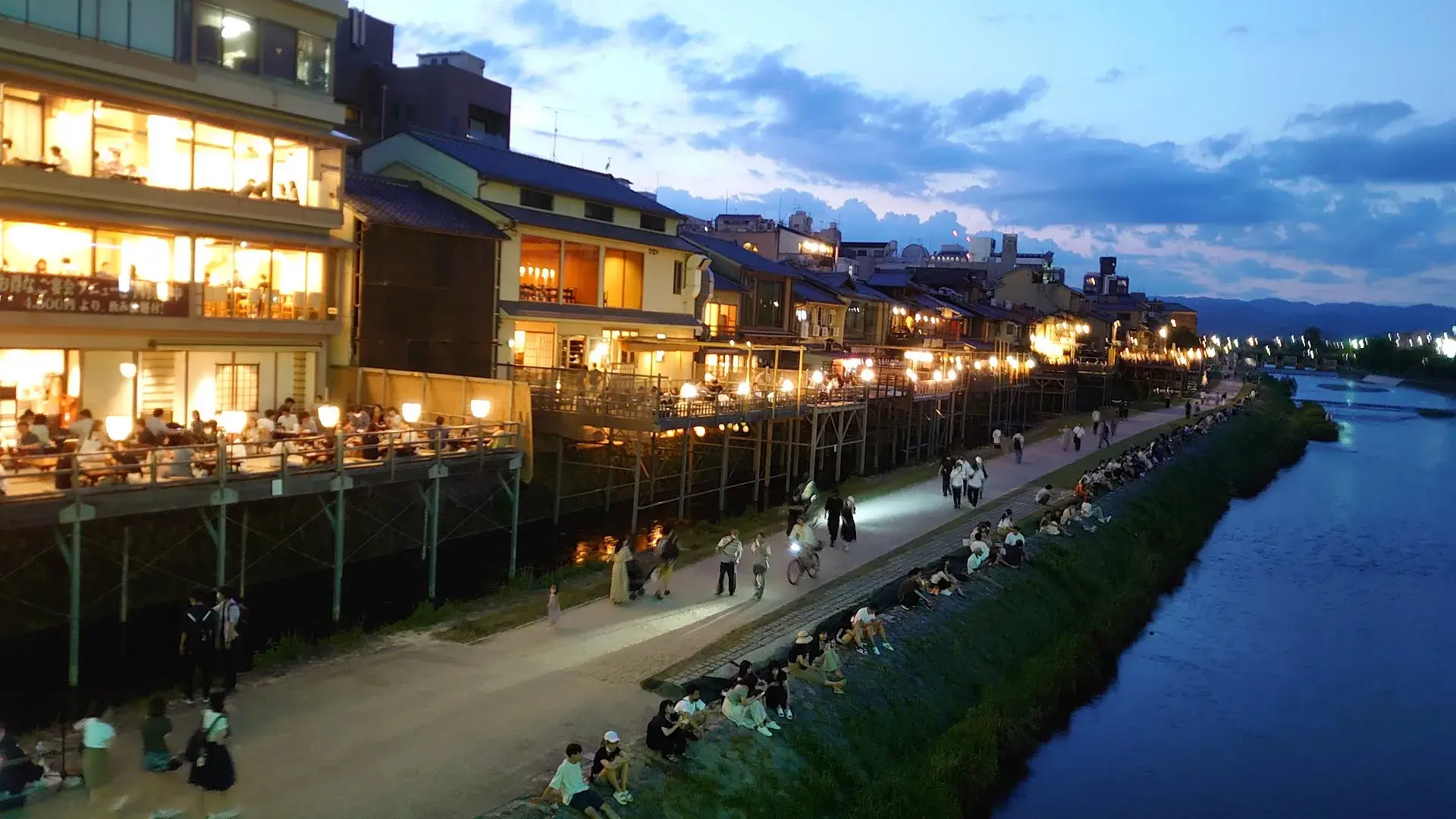
Overlooking the Kamo River in Kyoto, the Noryo-Yuka platforms are a distinctive feature of the city's summer evenings. This cherished tradition involves temporary wooden decks, or 'yuka', extending from restaurants and teahouses, offering a place to dine and cool off by the water. The term 'Noryou' itself translates to 'enjoying the cool evening,' perfectly capturing the purpose of this seasonal custom.
A History of Riverside Refreshment
The Noryo-Yuka tradition traces its origins to the Momoyama (1568–1600) or early Edo period. The practice gained momentum after Toyotomi Hideyoshi's reconstruction of the Sanjo and Gojo bridges, which transformed the riverbanks into a bustling entertainment area known as Kamogawara. Surprisingly, this area, now associated with elegant dining, was once considered a 'slum' in the mid-1600s, and its inhabitants were referred to with the unflattering term 'kawaramono'.
Initially, merchants set up simple folding stools ('shogi') on the sandbanks for people to enjoy the cool air. Over time, these evolved into more formal, overhanging platforms extending from teahouses, a style that became more established during the Meiji period. The tradition has faced interruptions, including a prohibition during World War II, but was formally re-established with licensing standards in the early 1950s.
The Noryo-Yuka Tradition Today
Currently, between 90 and 100 establishments participate in the Noryo-Yuka season, which typically runs from May 1st to September 30th, with occasional extensions into October. These temporary platforms are constructed along the west bank of the Kamo River, between the Nijo and Gojo bridges. The entire system is managed by the Kyoto Kamogawa Nouryou-Yuka Association, which issues permits and oversees the tradition.
Diners can find a diverse array of culinary experiences on the yuka. Offerings range from traditional Kyoto and multi-course kaiseki cuisine to international options such as Chinese, French, and Italian dishes, served by restaurants, cafes, ryokan inns, and bars.
A Natural Escape from the Summer Heat
Kyoto's basin geography contributes to its notoriously hot and humid summers. The Noryo-Yuka is a clever adaptation to this climate. The Kamo River, flowing from north to south, creates a natural wind corridor. The elevated wooden platforms are strategically designed to capture the cooler air currents rising from the river's surface, creating a natural air conditioning effect and providing a refreshing respite from the city's heat.
Cultural Connections and Artistic Legacy
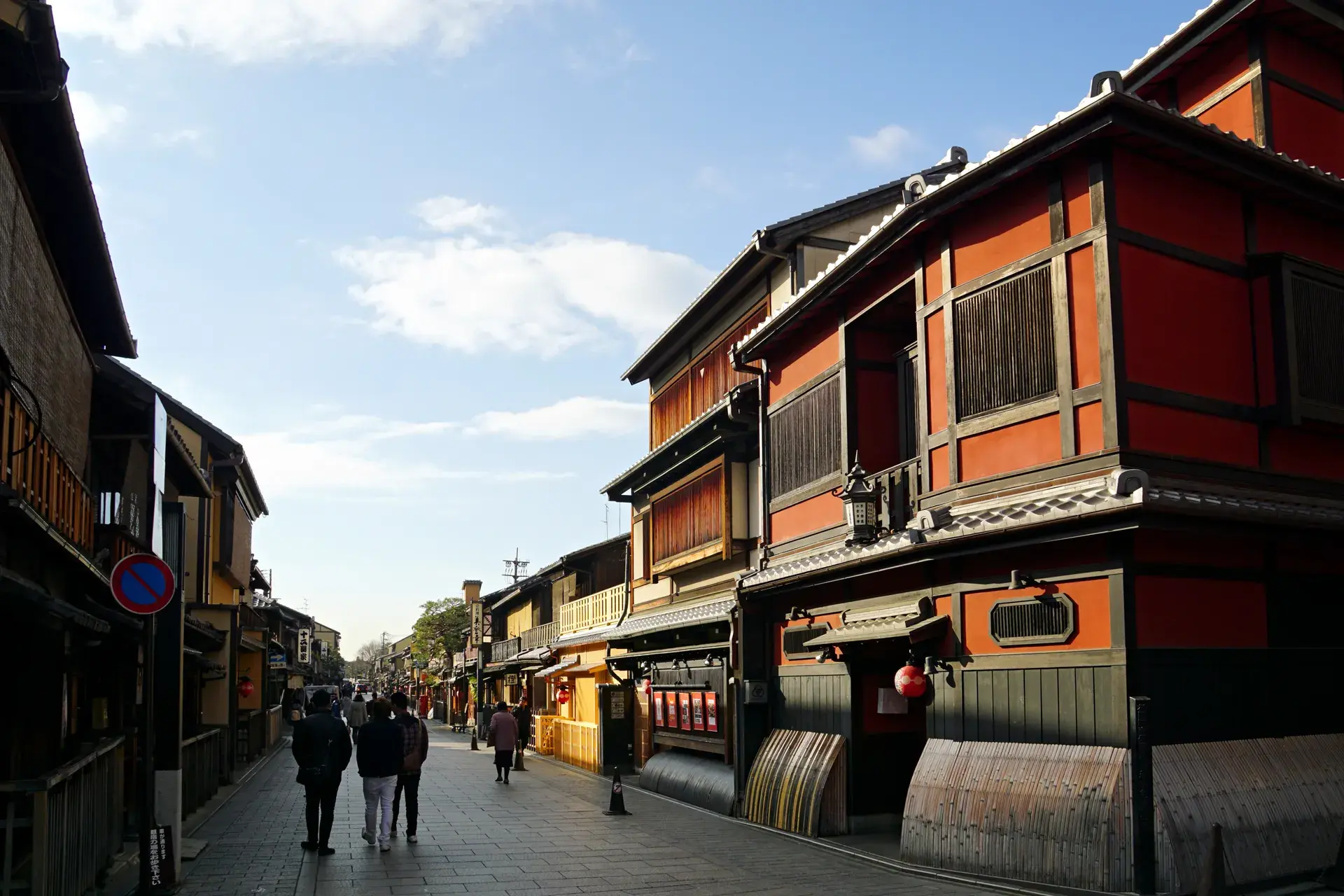
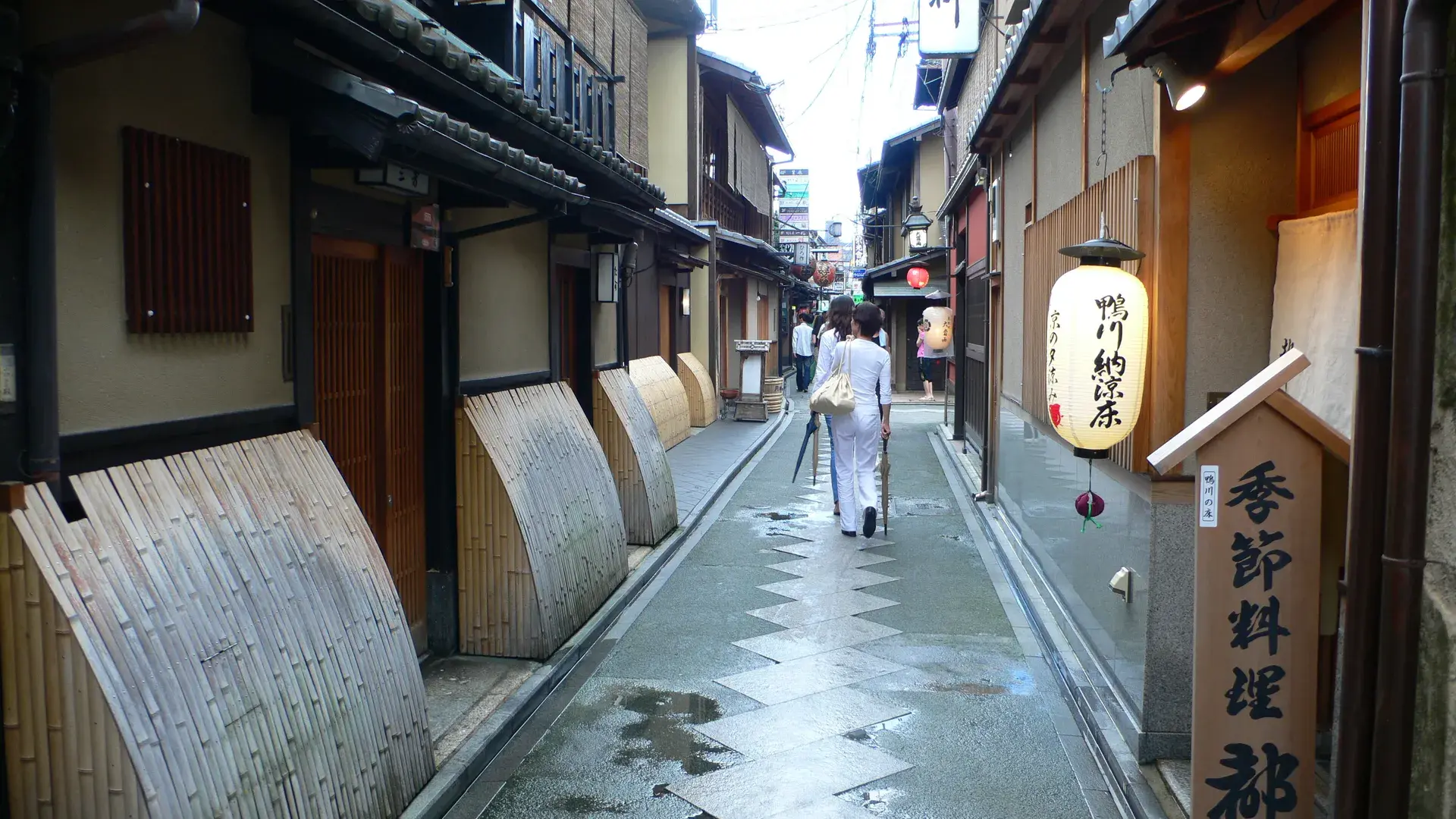
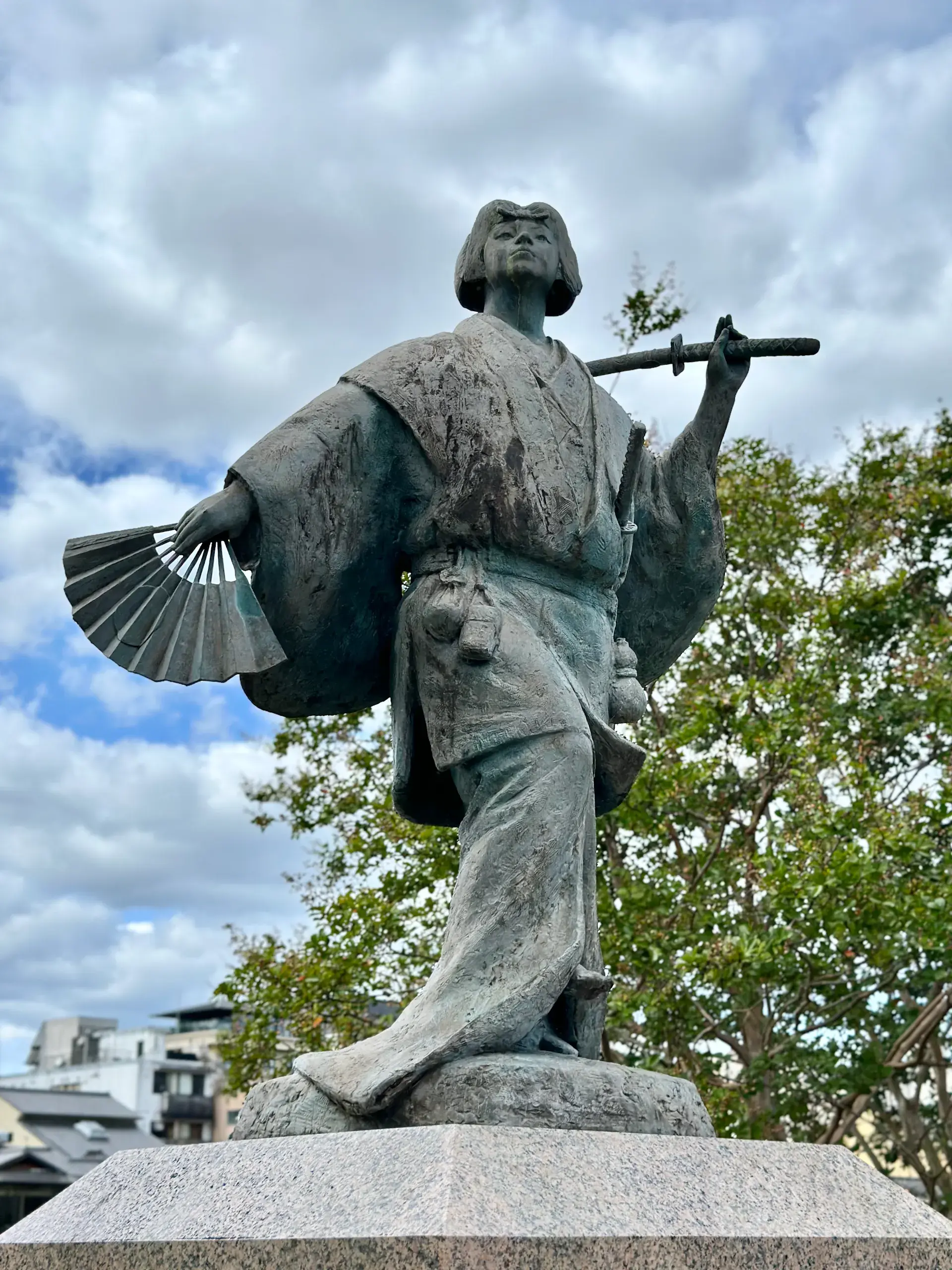
The Noryo-Yuka is deeply intertwined with Kyoto's cultural landscape. The adjacent Pontocho geisha district has a strong connection, with many of its ochaya (teahouses) featuring verandas that extend directly over the water. The symbol of Pontocho is a plover, a small bird often seen along the Kamo River, visually linking the district's identity to the river. The tradition's vibrant atmosphere was also captured by the renowned 18th-century painter Okyo Maruyama, whose works provide invaluable historical documentation of the lively riverside scenes.
FAQ
What is Kamo River Noryo-Yuka?
Noryo-Yuka is a seasonal tradition in Kyoto where restaurants and teahouses build temporary wooden platforms (yuka) along the Kamo River. These platforms are used for outdoor dining, allowing people to enjoy the cool evening air during summer.
When does the Noryo-Yuka season take place?
The Noryo-Yuka season typically runs from May 1st to September 30th. In some years, the operating period may be extended until October 31st.
What kind of food is available on the yuka platforms?
A wide variety of cuisines are offered on the Noryo-Yuka platforms. Options include traditional Japanese food like Kyoto cuisine and kaiseki, as well as international fare such as Chinese, French, and Italian dishes from various restaurants, cafes, and bars.
How did the Noryo-Yuka tradition start?
The tradition began in the Momoyama or early Edo period (1568–1600s) when the Kamo riverbanks became a popular entertainment area. It evolved from simple benches on the sandbanks to the more formal, overhanging platforms that became common in the Meiji period.
Discover Kyoto like never before
Dive into Kyoto hidden stories and secret spots with Ciceru interactive tours.
Explore tour
Audioguide
Quizzes
Maps
Solo
Couples
Groups & families

© Photo by ごまだんご via Google Maps · Google Places