Hanamikoji Street: Kyoto's Historic Geisha District
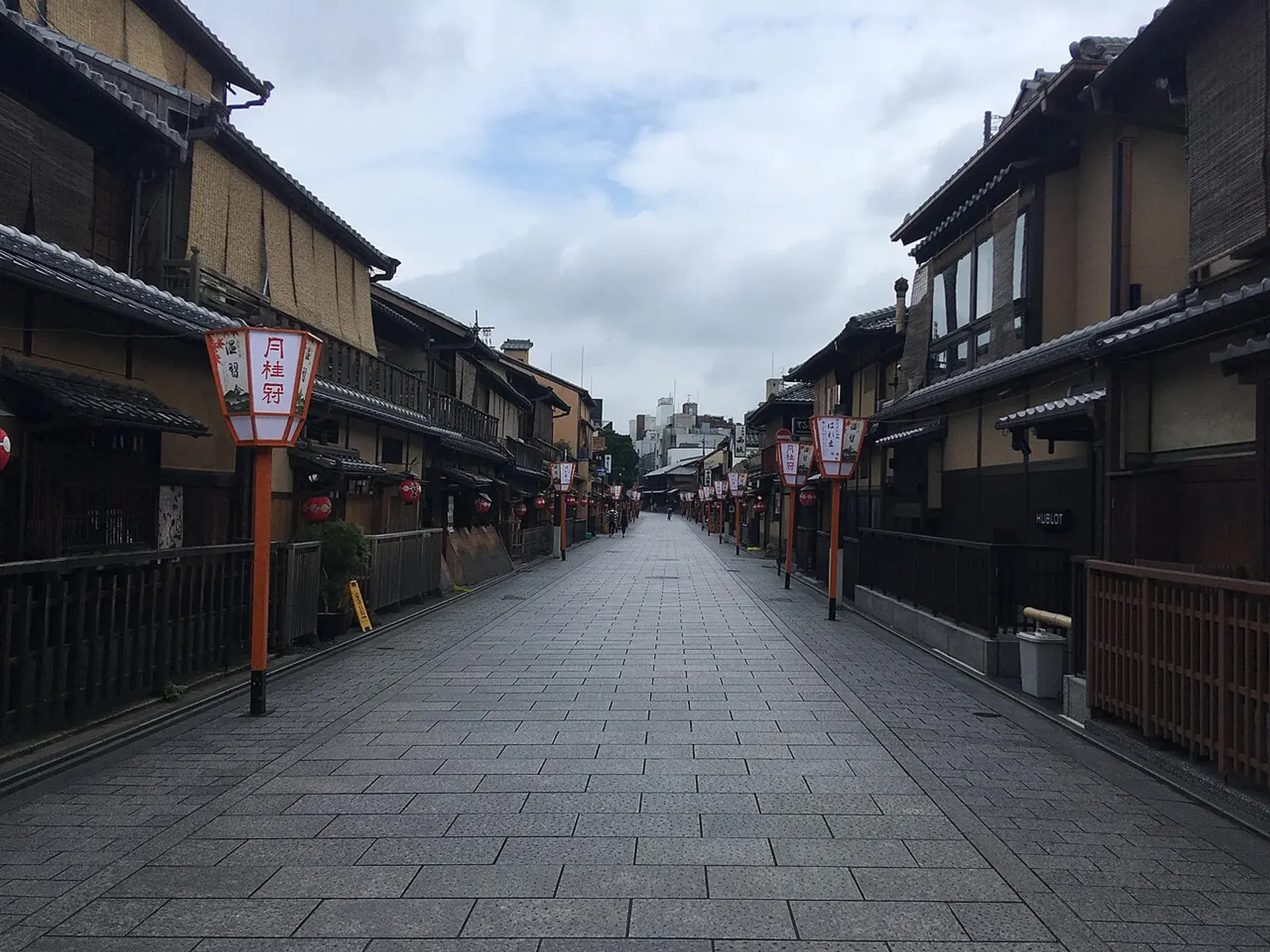
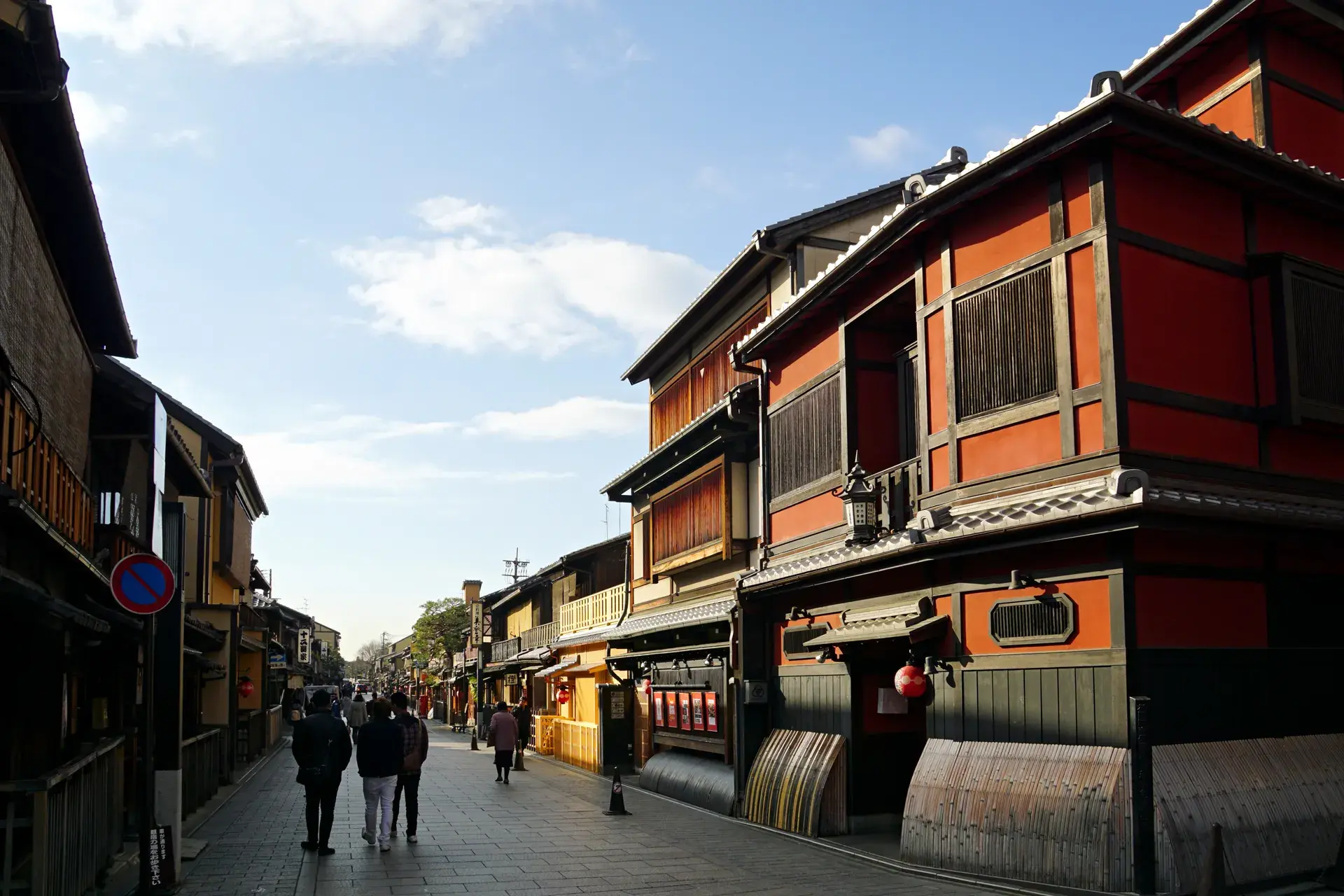
Wander down Hanamikoji Street, the iconic stone-paved path lined with traditional wooden machiya and discreet ochaya, where the echoes of geiko culture still resonate. As the central thoroughfare of Kyoto's renowned Gion district, this street embodies the elegant intersection of history, architecture, and living tradition.
A Meiji-Era Creation
Despite an appearance that suggests centuries of history, Hanamikoji Street in its current form was primarily established around 1874, during the Meiji era. Its creation was a significant turning point for the Gion district. Following the anti-Buddhist movement of 1871, land previously belonging to the historic Kennin-ji Temple was purchased by an association of Gion teahouses to develop a new entertainment quarter, or hanamachi.
Architectural Heritage
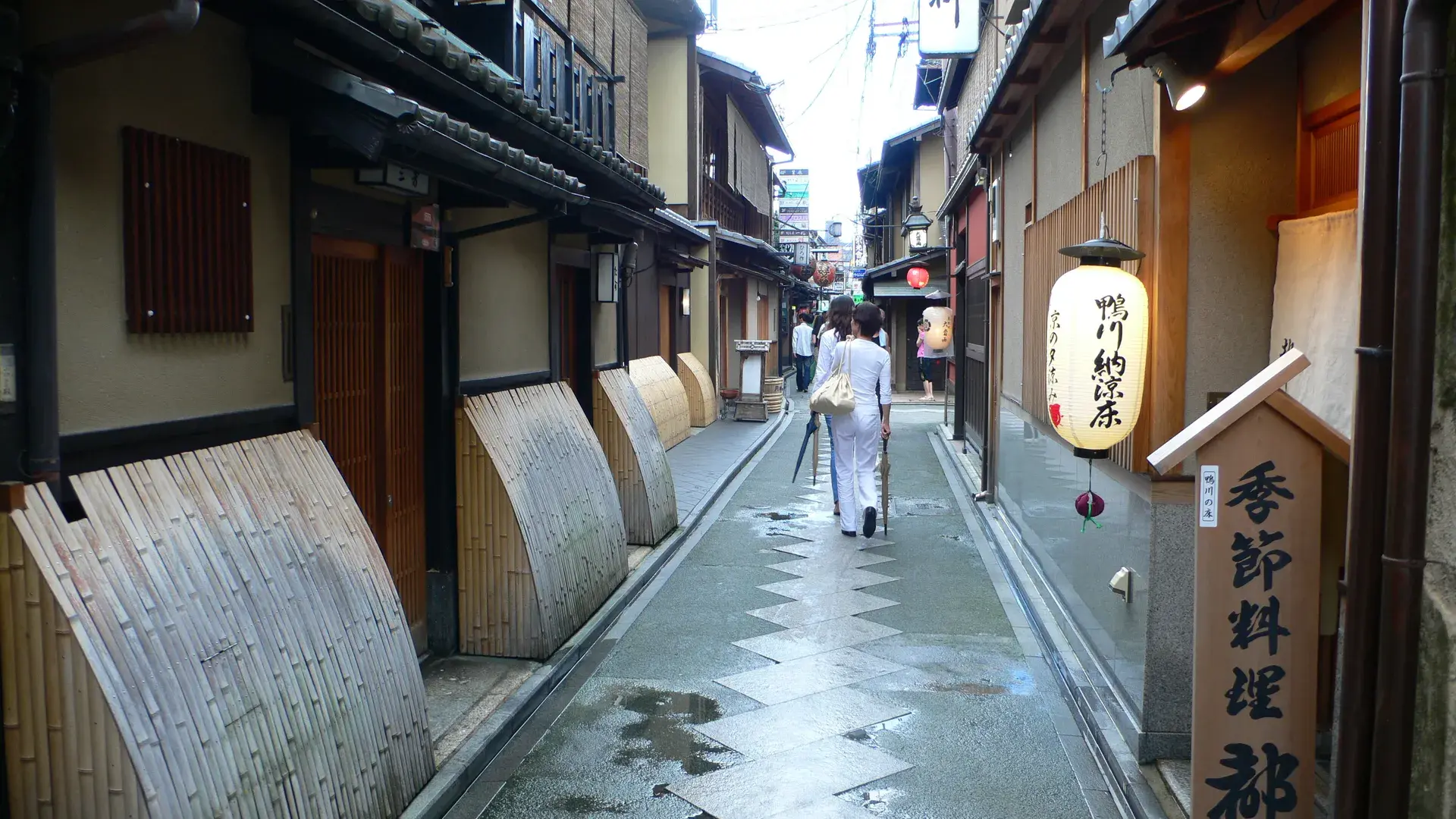
The street is a designated historical landscape preservation district, celebrated for its traditional wooden machiya townhouses. These buildings feature distinctive architectural elements such as red bengara lattice windows, kimusuko wooden trellises, and curved inuyarai bamboo barriers at their base. To further preserve its historical ambiance, Kyoto City began a project in 1986 to relocate all overhead electrical wires underground, ensuring an uninterrupted view of the traditional streetscape.
The World of Geiko and Ochaya
Hanamikoji Street remains the heart of geiko culture in Kyoto. Geiko (the Kyoto term for geisha) and their apprentices, maiko, continue to practice traditional arts of hospitality and performance within the street's exclusive teahouses, known as ochaya. They can often be seen in the early evenings, gracefully making their way to appointments. Many of these establishments operate on an 'ichigensan okotowari' policy, meaning they only accept new clients through a formal introduction. For those seeking a more accessible glimpse into these arts, venues like Gion Corner offer public cultural performances.
Hanamikoji Today
The character of Hanamikoji Street varies. The section south of the major Shijo Street retains a deeply traditional atmosphere, lined with high-end restaurants and the famed ochaya. In contrast, the area north of Shijo Street has a more modern collection of restaurants and bars. Though it feels like a pedestrian promenade, the street is open to vehicle traffic. The name "Hanamikoji," meaning "flower-viewing lane," is believed to come from the many cherry trees that once lined the path.
Tourism and Preservation
In response to the challenges of overtourism, local authorities have implemented strict regulations to protect the privacy of residents and the area's character. Beginning in 2019 and reinforced in April 2024, measures include a prohibition on photography in private alleys and a ban on entering designated private streets. Violators may face fines of up to 10,000 yen. These rules highlight the ongoing effort to balance the street's popularity as a tourist destination with the preservation of its cultural integrity.
FAQ
What is Hanamikoji Street famous for?
Hanamikoji Street is famous as the main street of Kyoto's Gion district, renowned for its beautifully preserved wooden machiya houses, exclusive teahouses (ochaya), and as a place where one might see geiko and maiko.
Can you see geisha on Hanamikoji Street?
Yes, it is possible to see geiko (Kyoto geisha) and maiko (apprentices) on Hanamikoji Street, particularly in the early evenings as they travel to their engagements in the local teahouses.
Are there rules for visiting Hanamikoji Street?
Yes, due to overtourism, there are strict rules. Visitors are prohibited from taking photos in private alleys and are banned from entering certain private streets, with fines of up to 10,000 yen for violations.
How old is Hanamikoji Street?
While the Gion district's origins trace back centuries, Hanamikoji Street in its current form was largely developed around 1874 during Japan's Meiji era. It was built on land that was formerly part of Kennin-ji Temple.