Statue of Izumo-no-Okuni: Kabuki's Founder in Kyoto
A Monument to a Theatrical Pioneer
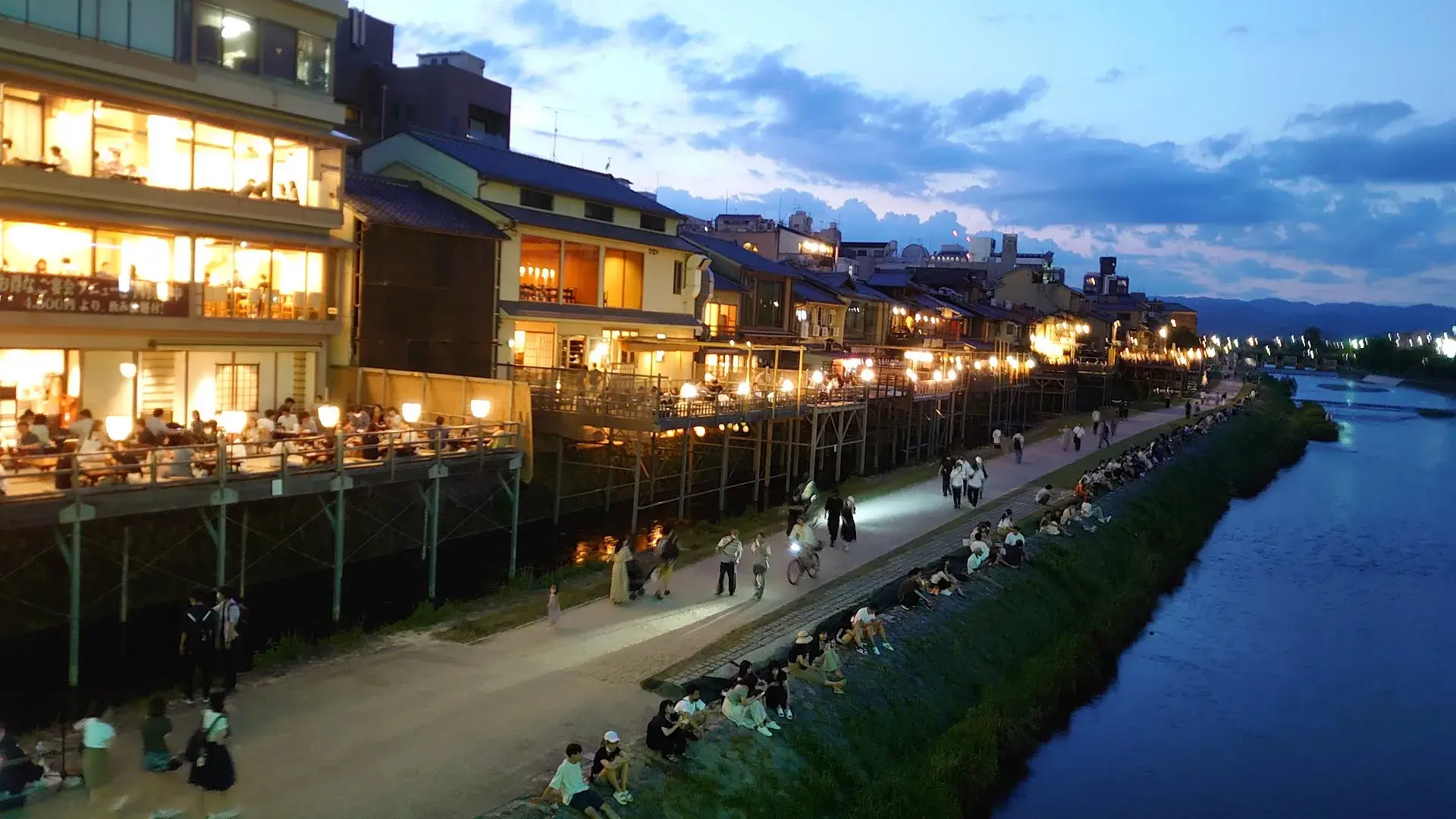
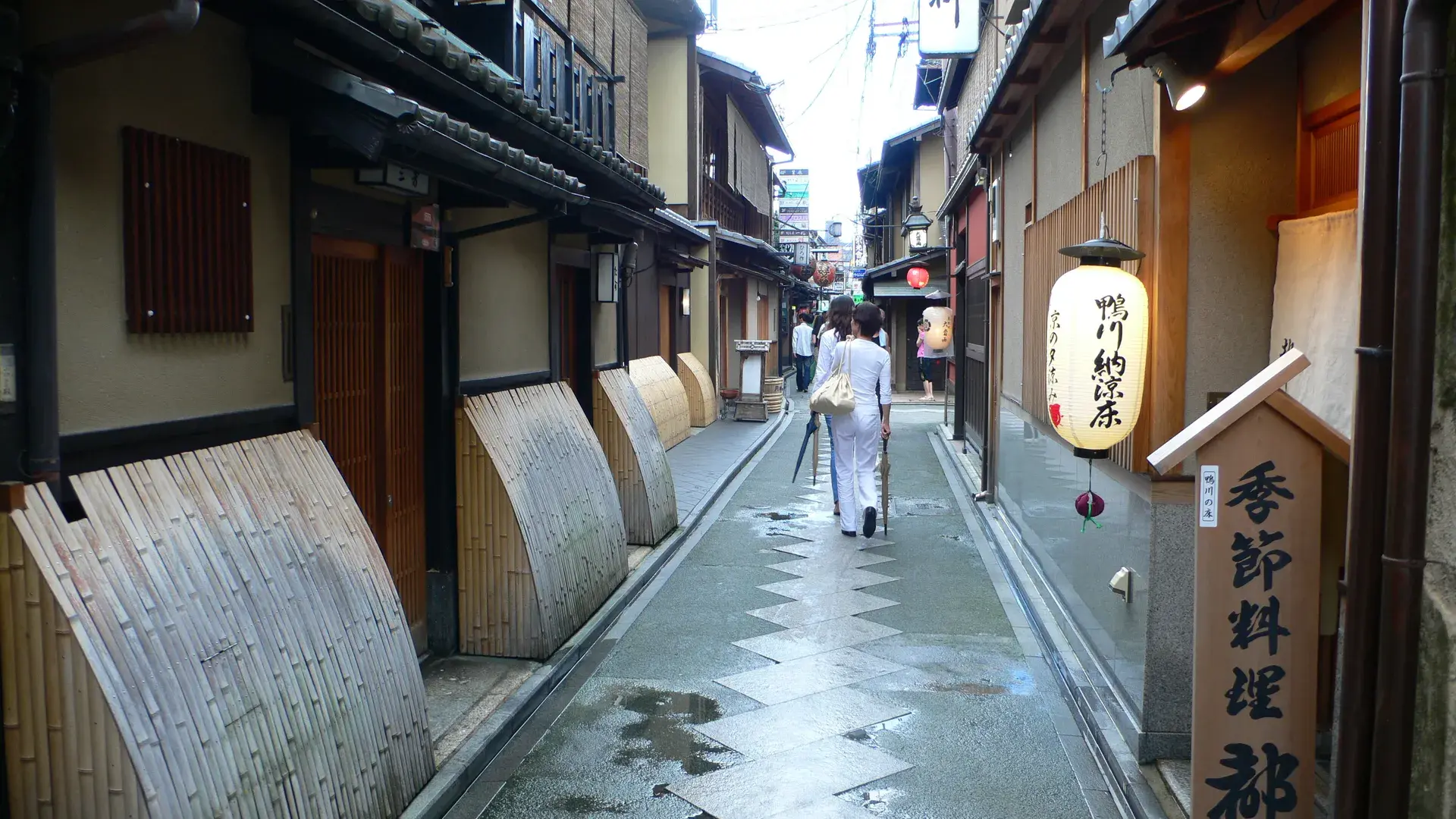
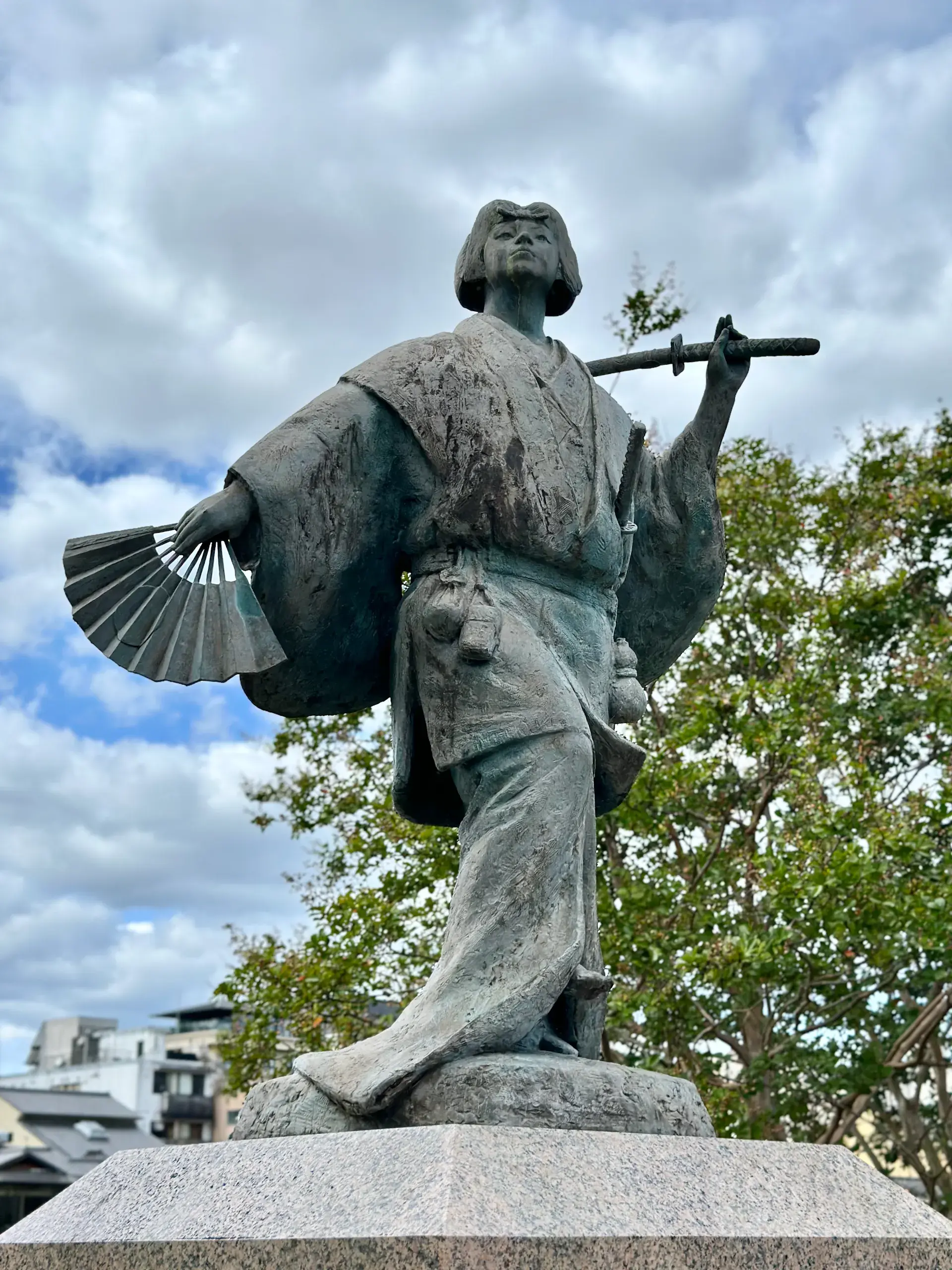
In Kyoto's historic Gion district, by the Kamo River, stands a bronze statue honoring a revolutionary figure in Japanese performance art. The Statue of Izumo-no-Okuni is a tribute to the woman widely credited as the founder of Kabuki theater. Located near the Shijo Ohashi Bridge and the Minami-za Kabuki theater, the monument serves as a powerful link to the city's rich theatrical past.
The Birth of Kabuki on the Riverbed
Izumo no Okuni was a miko, or shrine maiden, from the Izumo Grand Shrine. Born around the late 16th century, she traveled to Kyoto to perform and collect donations for her shrine. Around 1603, on the dry riverbed of the Kamo River, she introduced a new and captivating style of performance called "kabuki-odori."
Okuni's troupe was composed of lower-class women, including some who were sex workers. Their performances blended sacred dance with secular entertainment, featuring satirical skits and frequent cross-dressing. The style was known for its risqué and unconventional nature, which is reflected in the original meaning of the word "kabuki"—'tilting' or 'bizarre.'
A Surprising Transformation
One of the most striking facts about Kabuki is its origin. While it is known today as an exclusively male art form, it was created and initially performed by Izumo no Okuni's all-female troupe. This changed dramatically in 1629 when the Tokugawa shogunate banned women from performing on stage due to concerns about public morals and the association with prostitution. This decree led to the art form's transformation into the all-male domain it remains today.
Okuni's innovations went beyond just creating the genre; she is also credited with introducing the precursor to the hanamichi, a runway that extends from the stage into the audience, which remains a fundamental element of Japanese theater. Her provocative style was also seen in her costumes, as she sometimes wore a Christian cross not for faith, but as an eccentric and provocative fashion statement.
A Cultural Landmark in Gion
Today, the Statue of Izumo-no-Okuni is a cultural landmark for locals and tourists exploring Gion. It stands as a testament to her enduring legacy and the Kamo River's historical role as a vibrant stage for public performance. The monument encourages contemplation of Kyoto's deep history of theatrical innovation, connecting Okuni's revolutionary art to the sophisticated geiko culture for which Gion is now renowned.
FAQ
Who was Izumo no Okuni?
Izumo no Okuni (c. 1572-1613) was a shrine maiden who is credited with founding Kabuki theater around 1603 in Kyoto. She led an all-female troupe that performed a new, provocative style of dance and skits.
Why did Kabuki become an all-male art form?
In 1629, the Tokugawa shogunate banned women from performing in Kabuki due to concerns about public morals and the association of performers with prostitution. This led to the art form's evolution into an all-male domain.
Where is the Statue of Izumo-no-Okuni?
The bronze statue is located in Kyoto's Gion district, near the Shijo Ohashi Bridge and the Minami-za Kabuki theater, alongside the Kamo River where the first Kabuki performances took place.
Discover Kyoto like never before
Dive into Kyoto hidden stories and secret spots with Ciceru interactive tours.
Explore tour
Audioguide
Quizzes
Maps
Solo
Couples
Groups & families

© Photo by Chroma Story via Google Maps · Google Places