Shirakawa Canal: A Historic Gion Waterway in Kyoto
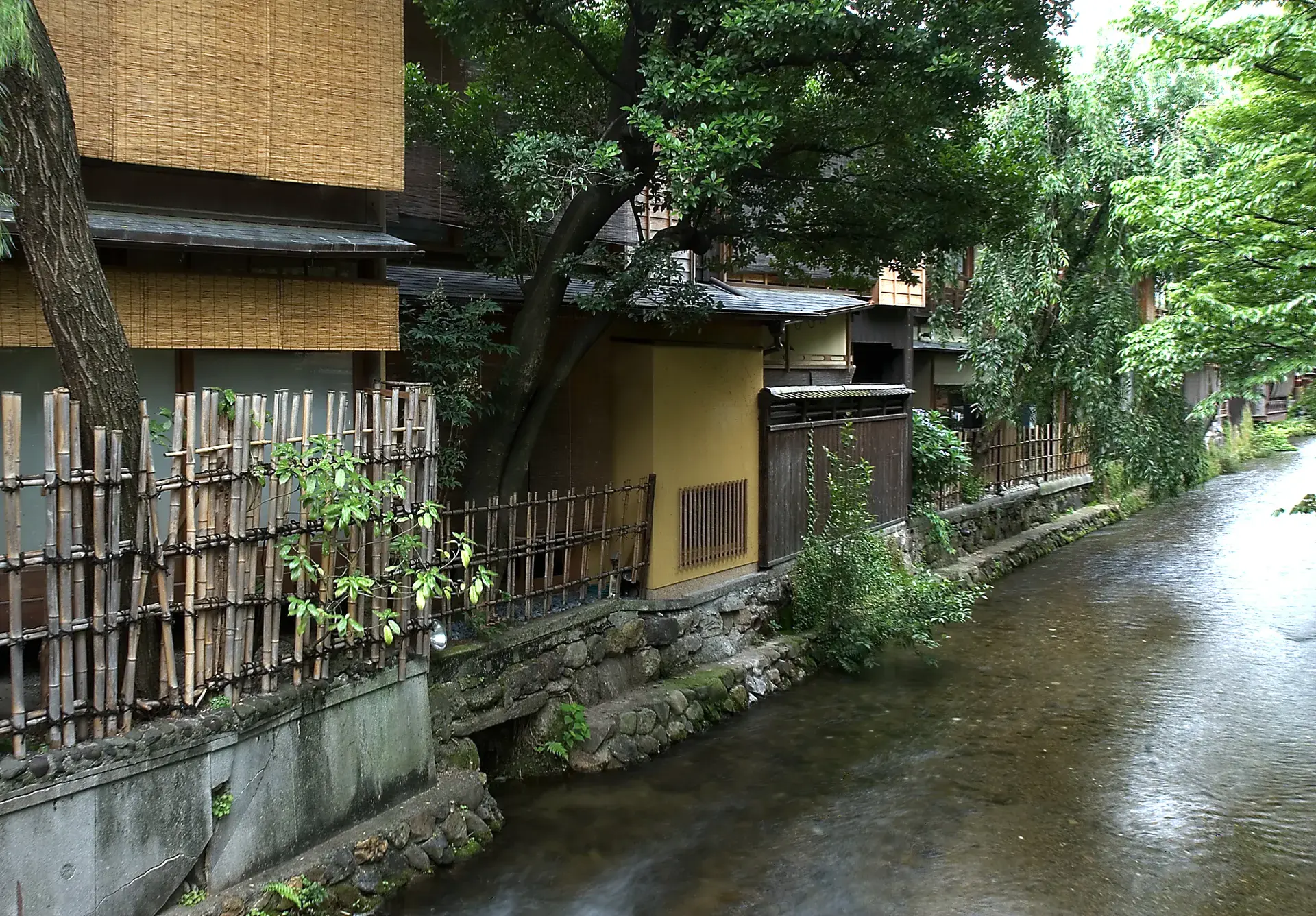
The Shirakawa Canal, located in Kyoto's famous Gion district, offers one of the city's most picturesque and traditional streetscapes. Lined with willow trees, traditional wooden houses, and cobblestone paths, this tranquil waterway provides a tangible connection to Japan's elegant past. The area, particularly along Shirakawa Minami-dori, is a preserved pocket of history, known for its serene atmosphere and deep cultural roots.
From Temple Town to Flower District
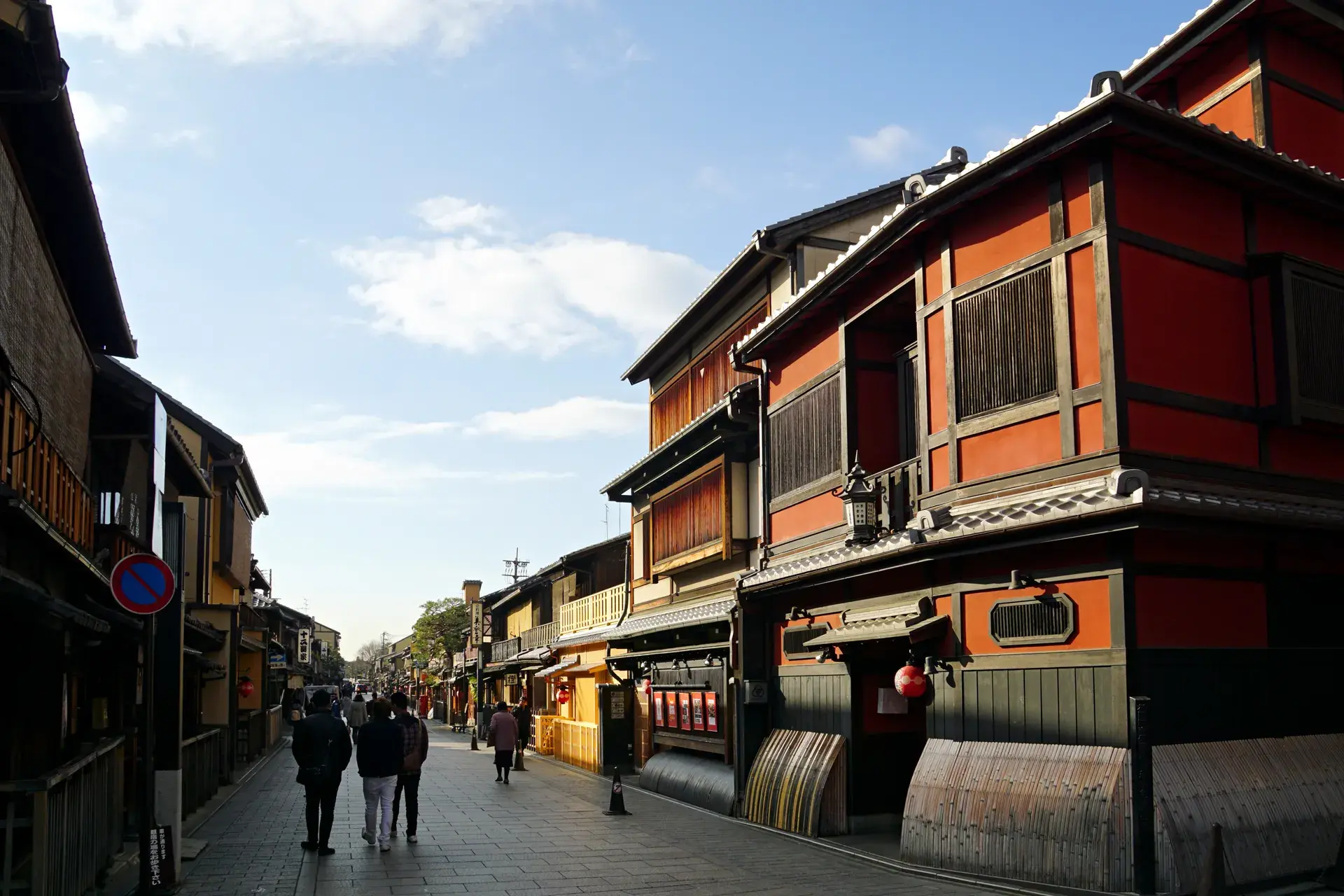
The history of the Shirakawa area dates back to the Heian period (794–1185), when it began as a temple town serving the nearby Yasaka Shrine. Its identity transformed during the mid-Edo period (1603-1868) after the shogunate granted official permission for teahouses (ochaya) to operate. This led to its development as a renowned hanamachi, or 'flower district,' fostering the unique geiko culture for which Gion is celebrated.
The canal itself, whose name means 'white river' due to its pale sands, is a branch of the larger Lake Biwa Canal system, an engineering project completed in stages between 1890 and 1912. Much of the current townscape, with its lattice-fronted facades, was reconstructed following a major fire in 1865, preserving the architectural aesthetic of the era.
Architecture and Landmarks
The Shirakawa Canal area is distinguished by its traditional two-story wooden townhouses, known as machiya. Many of these buildings along Shinbashi-dori feature remarkably narrow street-facing facades, a design called 'eel's beds.' This architectural style was a clever response to an Edo-period tax system that based property taxes on street frontage rather than total size.
Prominent landmarks include the Tatsumi-bashi bridge, a popular spot for photography that developed alongside the teahouse culture. Nearby is the small Tatsumi Daimyojin Shrine, dedicated to Benzaiten, the goddess of arts and eloquence. Geiko and maiko (apprentice geiko) often visit this shrine to pray for the refinement of their artistic skills. A monument to the poet Isamu Yoshii, who deeply loved Gion, also stands along the canal.
A Living Cultural Heritage
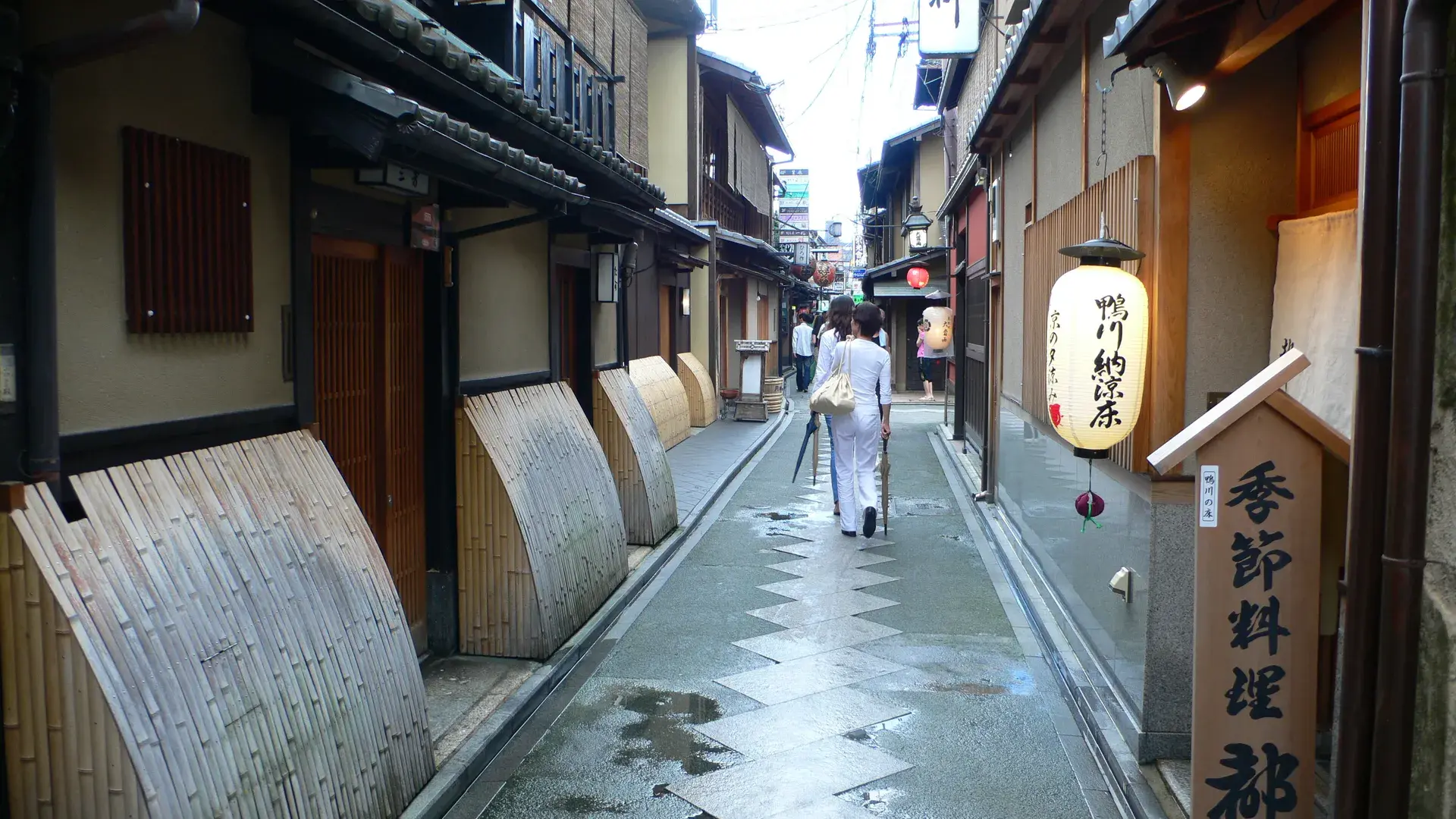
The Shirakawa Canal remains a vital part of Gion's living culture. It is one of the few places where one might glimpse geiko and maiko, especially in the evenings as they commute to engagements. The distinct click-clack sound of their geta (wooden sandals) on the cobblestones is an evocative part of the area's sensory experience. Visitors are reminded to be respectful and are advised that photography is restricted in certain private alleys to protect the privacy of residents and performers.
Today, the district along Shimbashi Street is designated as an Important Preservation District for Groups of Historic Buildings. This ensures the conservation of its unique architecture and atmosphere. The area is home to upscale restaurants and exclusive teahouses, many of which operate on an introduction-only basis, maintaining a discreet and traditional clientele.
FAQ
Why are many houses along the Shirakawa Canal so narrow?
Many traditional houses, known as 'eel's beds,' have narrow facades because of an Edo-period tax system. Property taxes were levied based on the width of a building's street frontage, so a narrower front resulted in lower taxes.
Can you see geiko and maiko near the Shirakawa Canal?
Yes, it is possible to see geiko and maiko in the Shirakawa area, particularly in the evenings as they travel to appointments. However, visitors are urged to be respectful and refrain from disruptive behavior or photography, as photography is restricted in some private areas.
What is the significance of the Tatsumi Daimyojin Shrine?
The Tatsumi Daimyojin Shrine is a small shrine by the canal dedicated to Benzaiten, the goddess of arts, eloquence, and water. Geiko and maiko from the Gion district visit it to pray for improvement in their artistic abilities.
Was the movie 'Memoirs of a Geisha' filmed at the Shirakawa Canal?
No. While the area gained international fame from the novel 'Memoirs of a Geisha,' the Gion scenes for the film adaptation were actually shot on a set constructed near Los Angeles, not in Kyoto.