Yasaka Shrine: Kyoto's Historic Gion Sanctuary
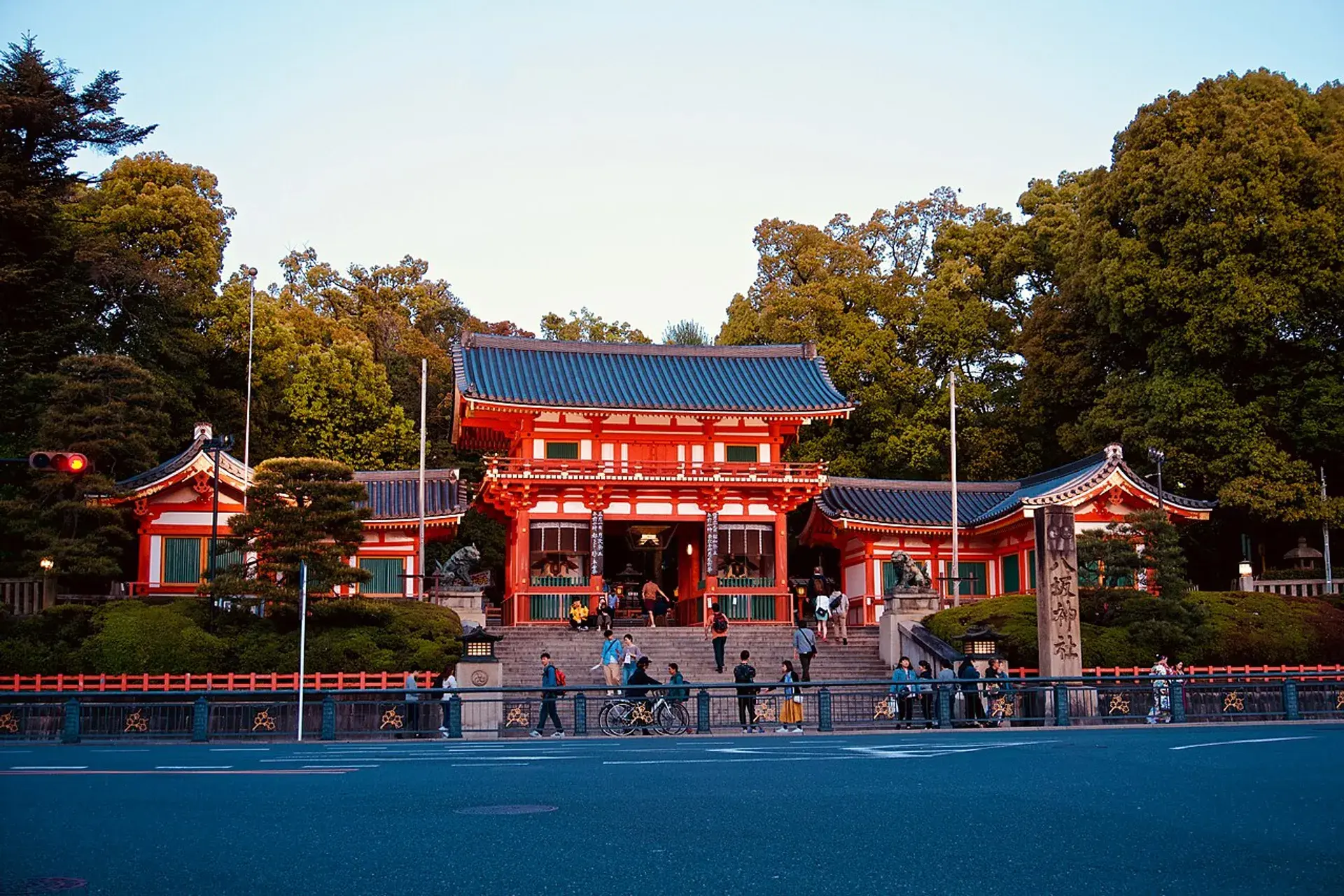
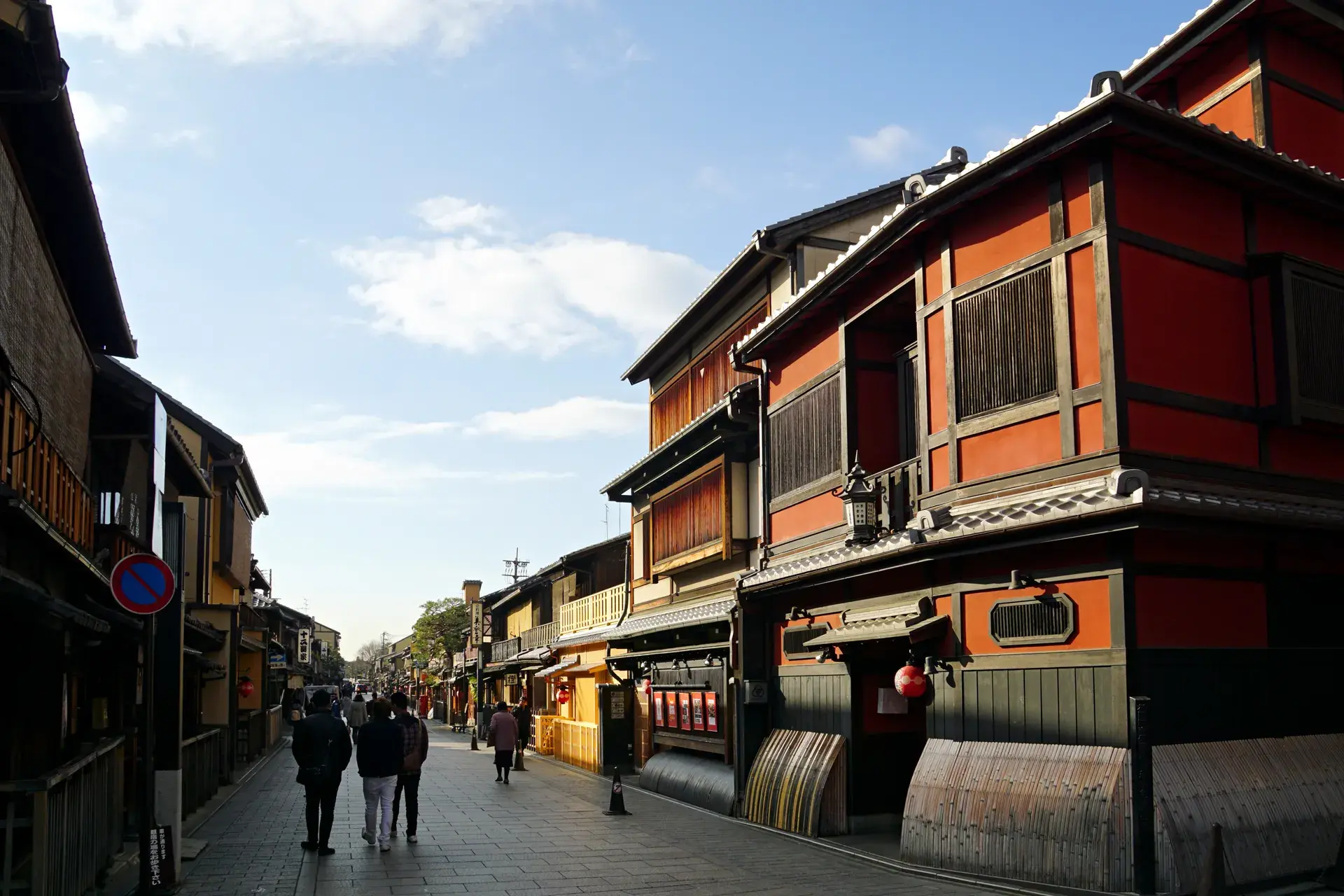
Approaching Yasaka Shrine, its vibrant vermilion gates and expansive grounds welcome visitors to a sacred site steeped in over a millennium of history and home to a renowned festival. Located in Kyoto's famous Gion district, the shrine serves as a pivotal cultural and spiritual landmark.
A History Spanning Centuries
The origins of Yasaka Shrine are debated, with theories suggesting its founding in either 656 CE during Empress Saimei's reign or in 876 CE by the monk Ennyo. The shrine itself traces its history to the earlier date. It gained imperial patronage in the 10th century, solidifying its importance. The shrine's primary deities are Susanoo-no-Mikoto, his consort Kushinadahime-no-Mikoto, and their eight offspring. During the Meiji Restoration in 1868, its name was officially changed from 'Gion Shrine' to 'Yasaka Shrine' as part of the separation of Shinto and Buddhism.
Architectural Significance
The shrine's main hall is a designated National Treasure of Japan. Rebuilt in 1654 under the order of the fourth Shogun, Tokugawa Ietsuna, it exemplifies the unique Gion-zukuri architectural style. This design is characterized by a single, large roof that covers both the inner sanctuary (honden) and the offering hall (haiden). In a departure from tradition, the main hall faces west, directly engaging with Shijo Street and the Gion district, rather than the customary southern orientation.
The Birthplace of the Gion Festival
Yasaka Shrine is inextricably linked to the Gion Festival, one of Japan's most famous celebrations. The festival began in 869 CE as a religious ritual, the Goryo-e, to appease spirits and combat a raging epidemic. It evolved into an annual event by 970 CE. The festival's iconic Yamaboko floats emerged during the Muromachi period, financed by wealthy merchants. Even when faced with suppression or financial instability, the people of Kyoto have ensured the festival's continuation through the centuries.
The Shrine Today
Affectionately known to locals as 'Gion-san', Yasaka Shrine is open 24 hours a day with free admission. It serves as the head shrine for approximately 3,000 other Yasaka shrines across Japan. It is a popular destination for New Year's visits (Hatsumode) and the 'Okera-mairi' ritual, where a sacred fire is used for good health. Visitors pray for various blessings, including protection from misfortune, business prosperity, and beauty at the sub-shrine Utsukushi Gozensha. In the evenings, hundreds of lanterns, donated by local businesses, illuminate the dance stage, creating a magical atmosphere.
Legends and Curiosities
Yasaka Shrine is home to several intriguing legends. A 'Dragon's Cave' is said to exist beneath the main hall, and clapping towards an eastern pillar is believed to produce an echo like a 'dragon's roar'. Additionally, the West Tower Gate (Nishiromon) is noted for mysteriously remaining free of spider webs and showing no evidence of rainwater on its steps, despite its exposure to the elements.
FAQ
What is Yasaka Shrine most famous for?
Yasaka Shrine is most famous for being the host of the Gion Festival, one of Japan's most significant festivals, and for its location at the heart of Kyoto's Gion district.
Is there an entrance fee for Yasaka Shrine?
No, there is no entrance fee to visit Yasaka Shrine. The grounds are open to the public 24 hours a day.
Who are the main deities of Yasaka Shrine?
The primary deities enshrined at Yasaka Shrine are Susanoo-no-Mikoto, his consort Kushinadahime-no-Mikoto, and their eight children.
What is unique about the main hall's architecture?
The main hall features the Gion-zukuri style, with a single large roof covering both the main sanctuary and offering hall. Unusually, it faces west towards the Gion district instead of the traditional south.