Bastion Square (Pjazza tas-Sur): Mdina Panorama
The Panoramic Belvedere of Mdina
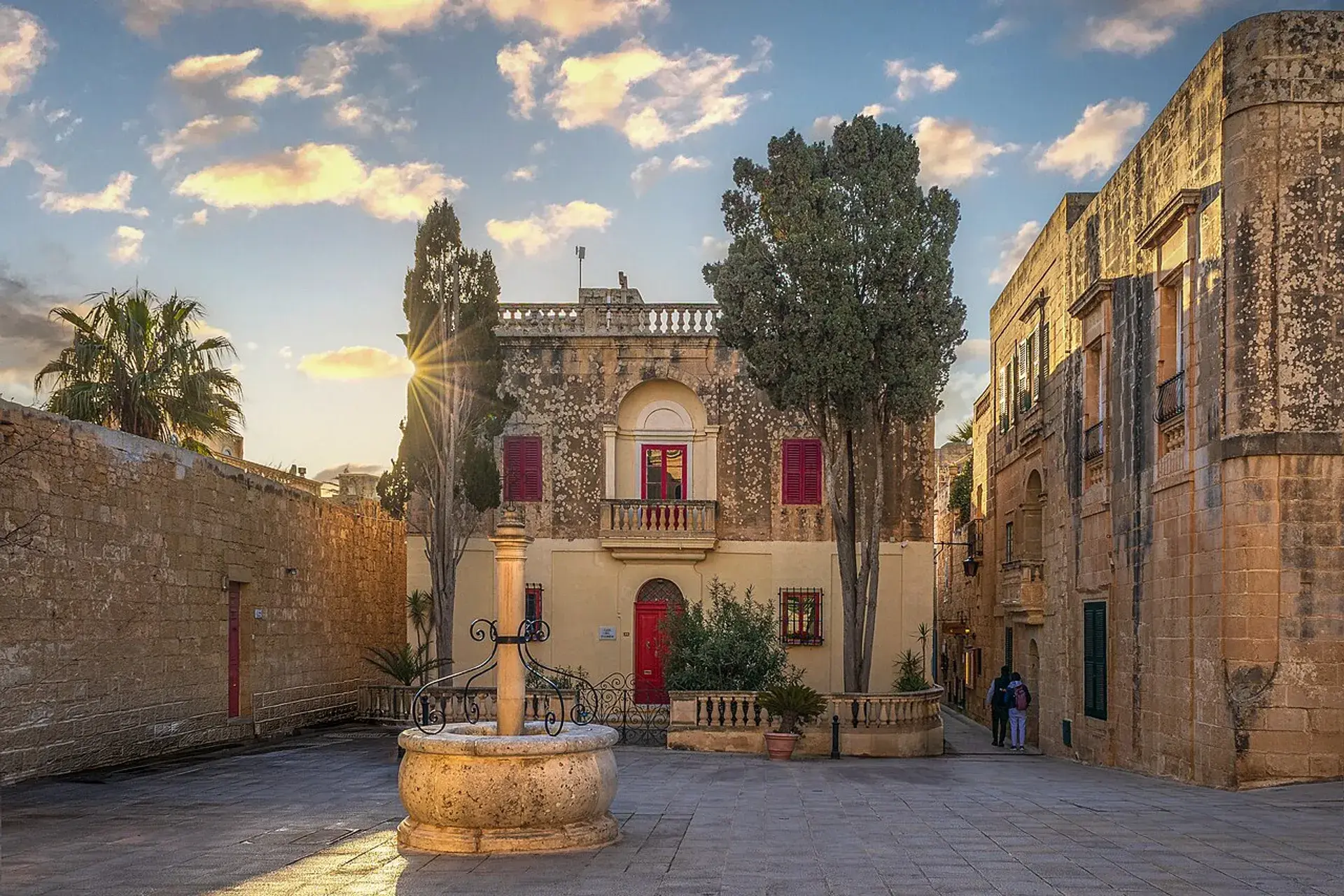
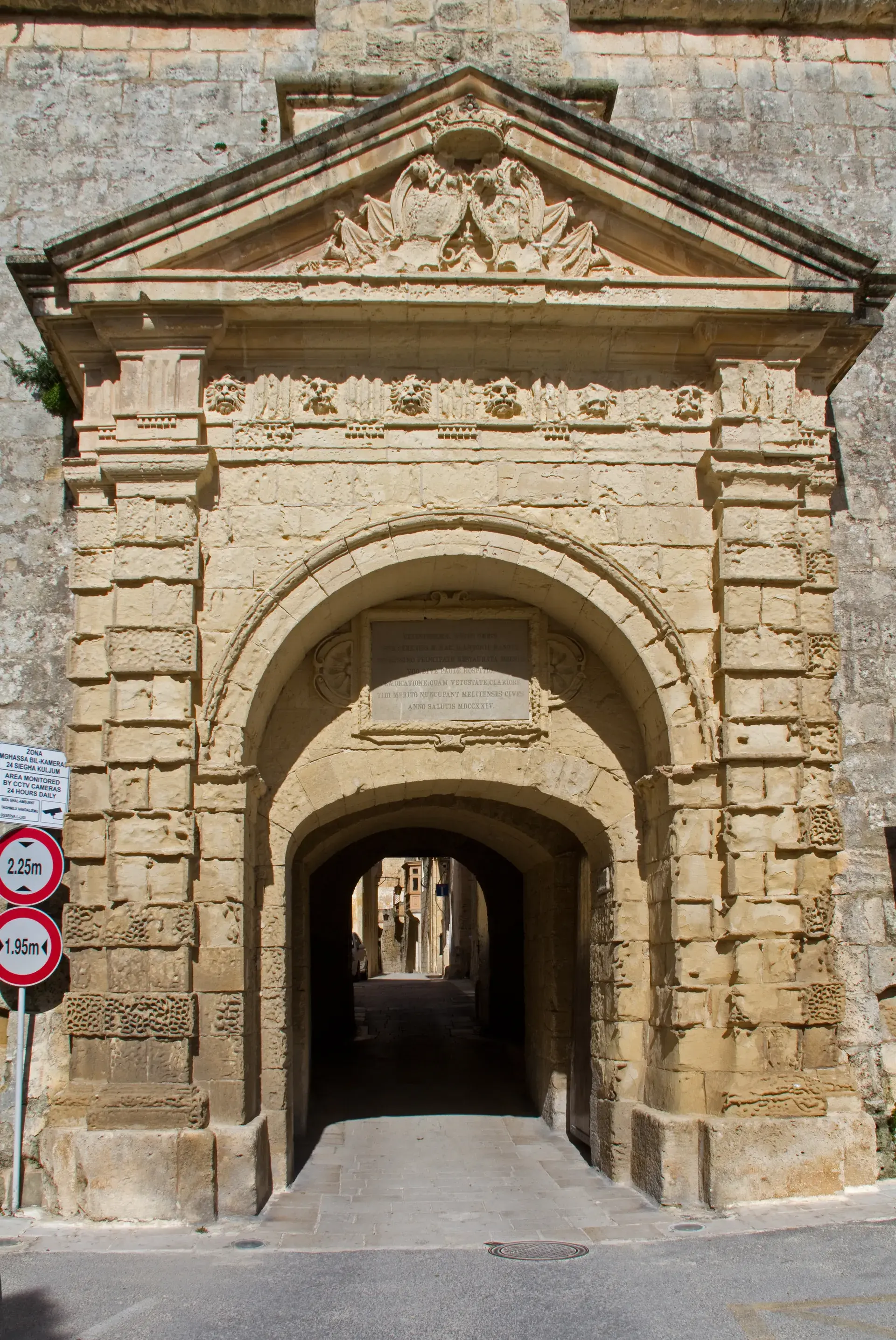
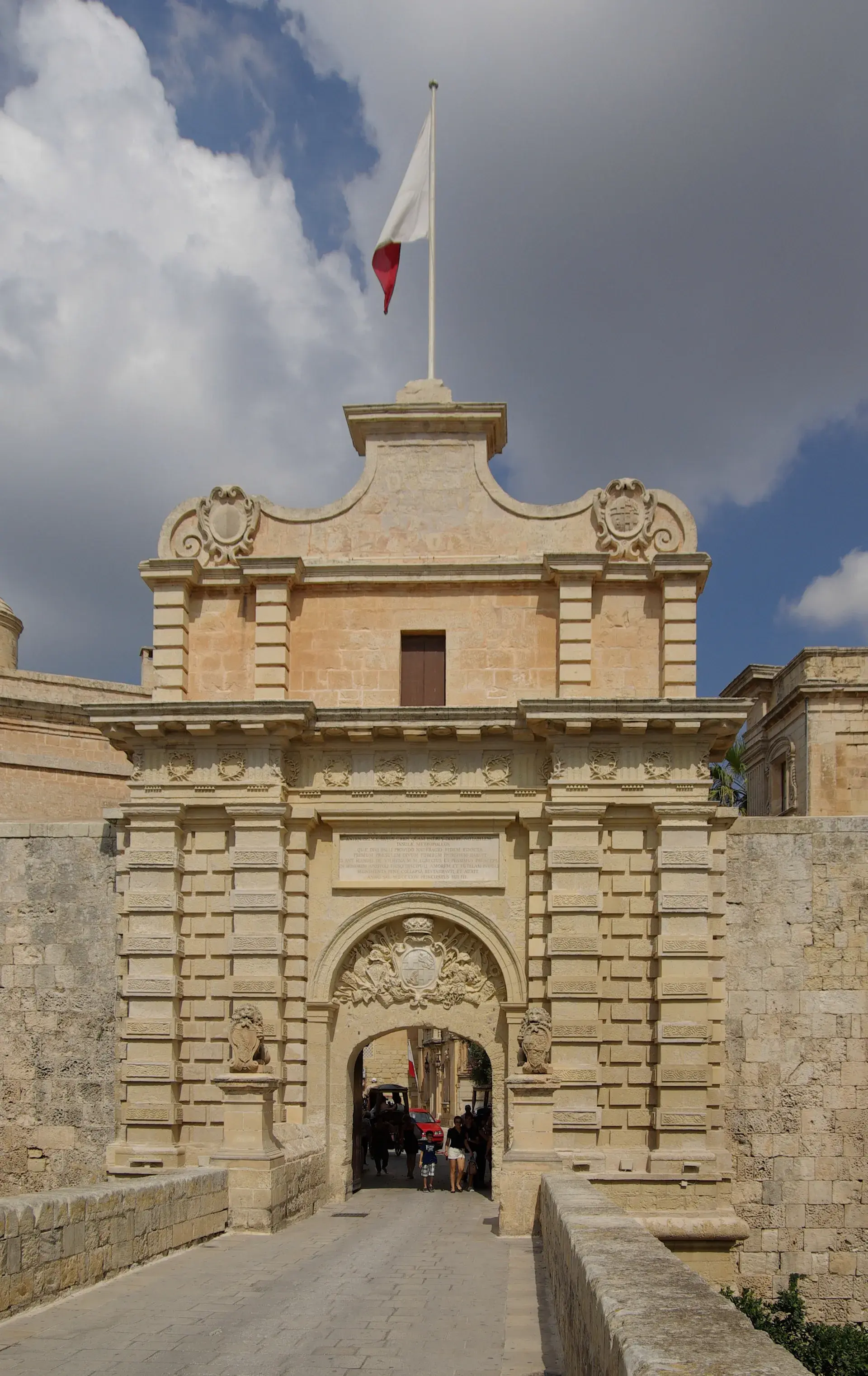
Bastion Square, known in Maltese as Pjazza tas-Sur, is an open, paved terrace and parapet positioned at the northernmost edge of Mdina's fortified circuit. Situated where the central thoroughfare of Triq Villegaignon reaches the outer ramparts, the square marks the natural culmination of the citadel's north-south route originating at the Main Gate.
Emerging from Mdina's narrow, shaded, high-walled corridors onto the square delivers a sharp sensory transition. The compressed stone streets open immediately to expansive skies, continuous breezes, and an unobstructed 180-degree vista stretching across Malta's central and northern agricultural plains.
Strategic Evolution from Citadel to Terrace
The prominent inland plateau was originally selected by ancient and medieval rulers because its natural elevation provided defensive sightlines against maritime raiders. Following the Aghlabid Arab conquest in 870 CE, the extensive footprint of ancient Roman Melite was scaled back to a more defensible citadel, defining the northern perimeter that Bastion Square occupies today.
Between the 16th and early 18th centuries, the Order of Saint John systematically reconstructed and reinforced the underlying northern ramparts to withstand modern gunpowder artillery. Over time, as military priorities moved toward coastal bastions and the Grand Harbour around Valletta, Mdina's defensive role diminished. The former artillery platform gradually evolved into a quiet civic belvedere and pedestrian terrace.
Architecture and Artisan Traditions
The square is bordered by historic residences constructed from local Globigerina limestone. The most prominent of these properties is Casa del Tesoriere, or the Treasurer’s House, a detached palazzo dating back roughly 500 years. The residence is characterized by bold red timber shutters, an ancient stone entrance, and an enclosed garden, providing a striking contrast to the weathered yellow stone.
Today, the perimeter houses private residential accommodation as well as small artisan shops. These boutiques showcase traditional Maltese crafts, particularly handmade bobbin lace (bizzilla) and local blown glass.
Island Landmarks and Distant Horizons
From the edge of the parapet, observers can visually trace key landmarks across the island. The panorama encompasses the massive dome of the Rotunda of Mosta, the expanse of the former World War II airfield at Ta' Qali, and the distant coastal skylines of Sliema and Valletta.
Local lore also holds that under exceptional meteorological conditions—specifically rare, clear winter mornings with minimal atmospheric haze—the snow-capped summit of Mount Etna in Sicily can occasionally be glimpsed rising on the northern horizon, over 200 kilometers away.
FAQ
Where is Bastion Square located in Mdina?
Bastion Square, or Pjazza tas-Sur, is situated at the northernmost point of Mdina's fortified circuit, where Triq Villegaignon meets the outer ramparts.
Which landmarks can be seen from Bastion Square?
The elevated vantage point overlooks the Rotunda of Mosta, the former World War II airfield at Ta' Qali, and the distant coastal skylines of Sliema and Valletta.
What is Casa del Tesoriere?
Casa del Tesoriere (the Treasurer's House) is a roughly 500-year-old palazzo on the square, known for its Globigerina limestone facade, red timber shutters, stone entryway, and enclosed garden.