Bishop's Palace in Stari Bar: A Historic Montenegrin Gem
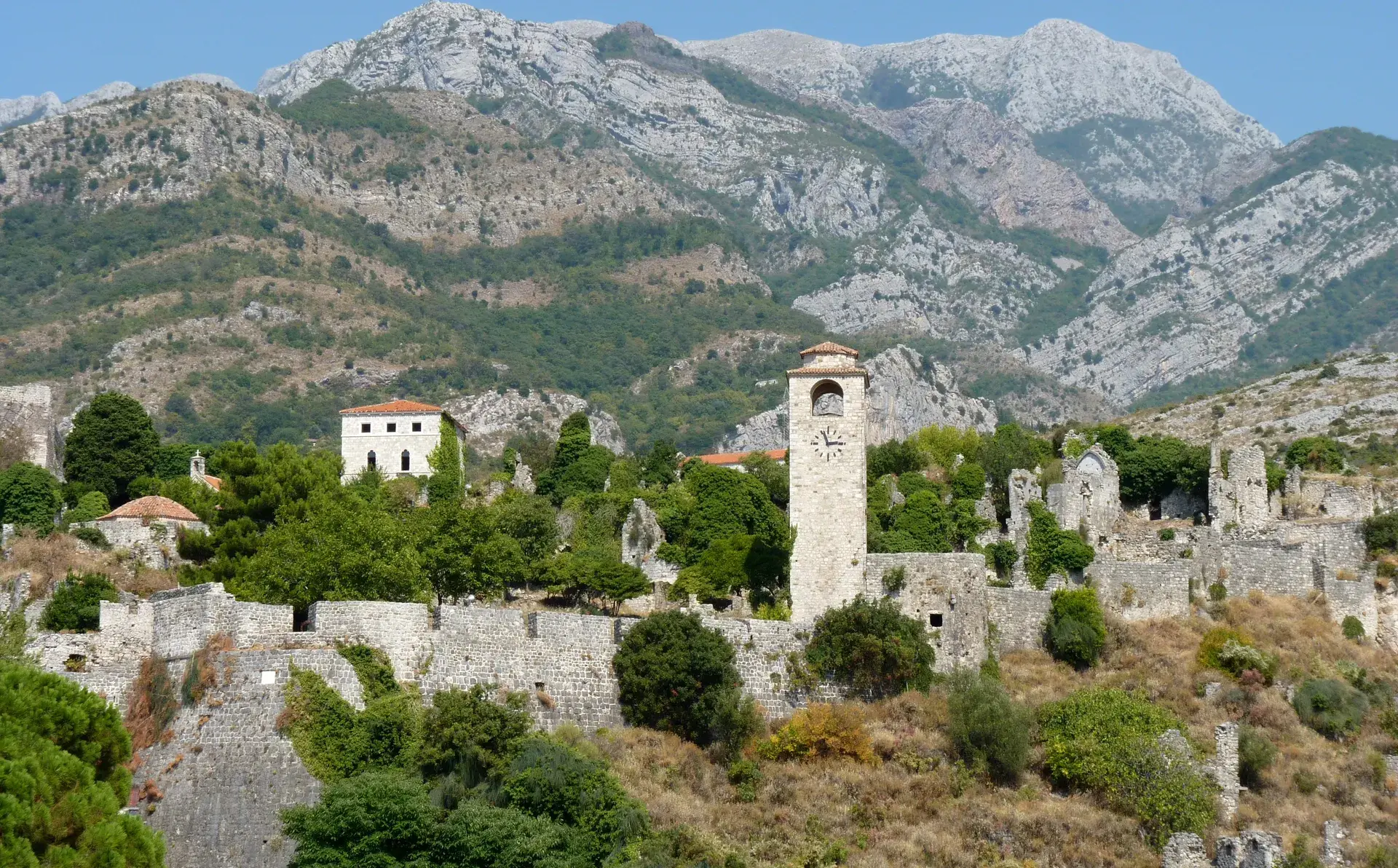
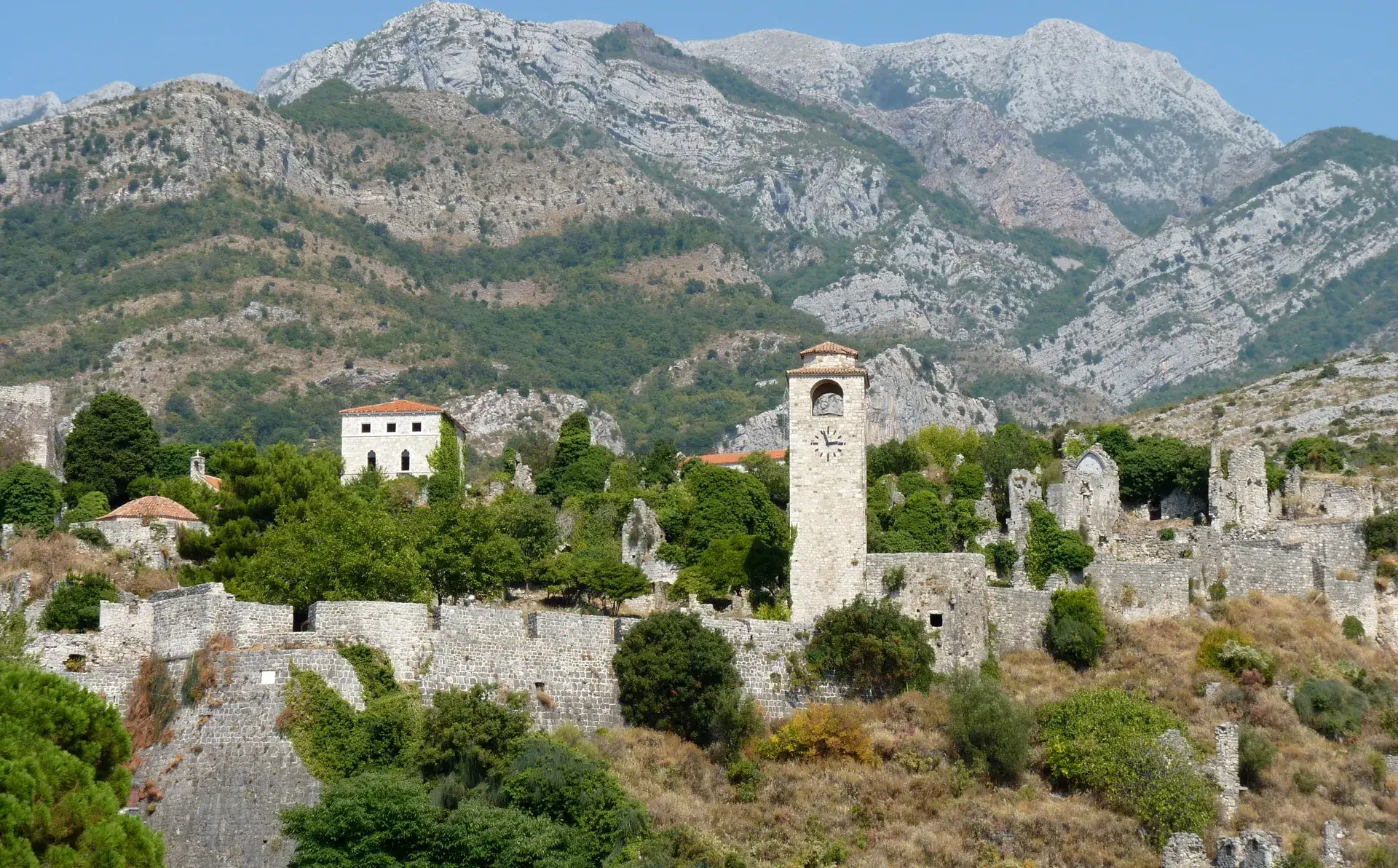
The Bishop's Palace stands as a significant historical structure within the archaeological site of Stari Bar, Montenegro. Once a center of ecclesiastical authority, this medieval building reflects the region's complex cultural and political past, from its time as a grand residence to its current role as a museum.
Architectural Heritage
Constructed between the 14th and 16th centuries, the building of the Bishop's Palace is attributed to the Balšić dynasty. The architecture is a compelling blend of styles, featuring high Gothic windows, a semi-circular portal, and elements of Renaissance-Baroque design. This mix of Late Gothic, Renaissance, and even oriental influences is characteristic of the residential architecture found throughout Stari Bar, illustrating the city's layered history under various empires.
A Seat of Ecclesiastical Power
The palace served as the grand residence for the Archbishops of Bar. The Archbishopric of Bar, established in 1089, held considerable religious authority, with its Archbishop also holding the title of Primate of Serbia, granting jurisdiction over a vast territory. The original palace was a grand structure, reportedly containing twenty rooms and a large central hall.
From Abandonment to Museum
Following centuries of prominence, the palace, along with the rest of Stari Bar, was gradually abandoned after the end of the 19th century. The final blow came with the devastating 1979 earthquake, which left the city in ruins and led to its complete desertion. In the aftermath, Stari Bar was transformed into an open-air museum, and the Bishop's Palace underwent reconstruction and restoration efforts.
The Palace Today
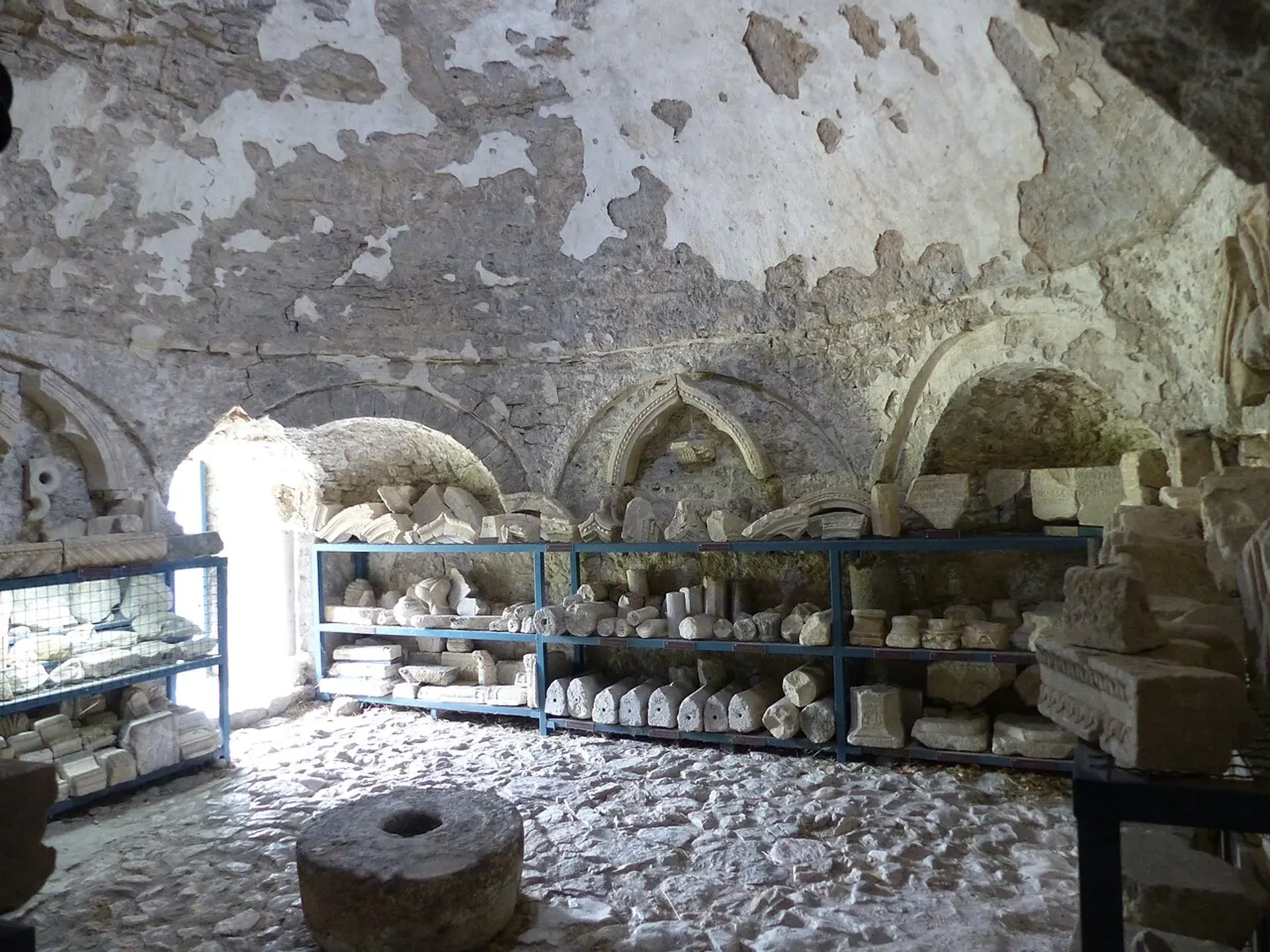
Today, the restored Bishop's Palace functions as an archaeological museum. It showcases a collection of local pottery, ceramics, religious icons, historical documents, and other artifacts that offer insight into the region's rich heritage. Interestingly, despite its historical importance as a religious center, the palace is known locally as 'kućа Omerbašića', after the Omerbašić family, who were its last private owners.
FAQ
When was the Bishop's Palace in Stari Bar built?
The Bishop's Palace was constructed between the 14th and 16th centuries, with some sources narrowing the period to the 15th-16th century. The construction is attributed to the Balšić dynasty.
What is the Bishop's Palace used for now?
Currently, the Bishop's Palace is an archaeological museum located within the Stari Bar open-air site. It displays local artifacts, including pottery, ceramics, and historical documents.
Why is Stari Bar in ruins?
Stari Bar was gradually abandoned after the 19th century. A devastating earthquake in 1979 caused extensive damage, leading to its complete abandonment and subsequent preservation as an archaeological open-air museum.
What is the local name for the Bishop's Palace?
Locally, the Bishop's Palace is often called 'kuća Omerbašića'. This name comes from the Omerbašić family, who were the last private owners of the building before it fell into ruin.