Stari Bar Clock Tower: A Resilient Ottoman Landmark
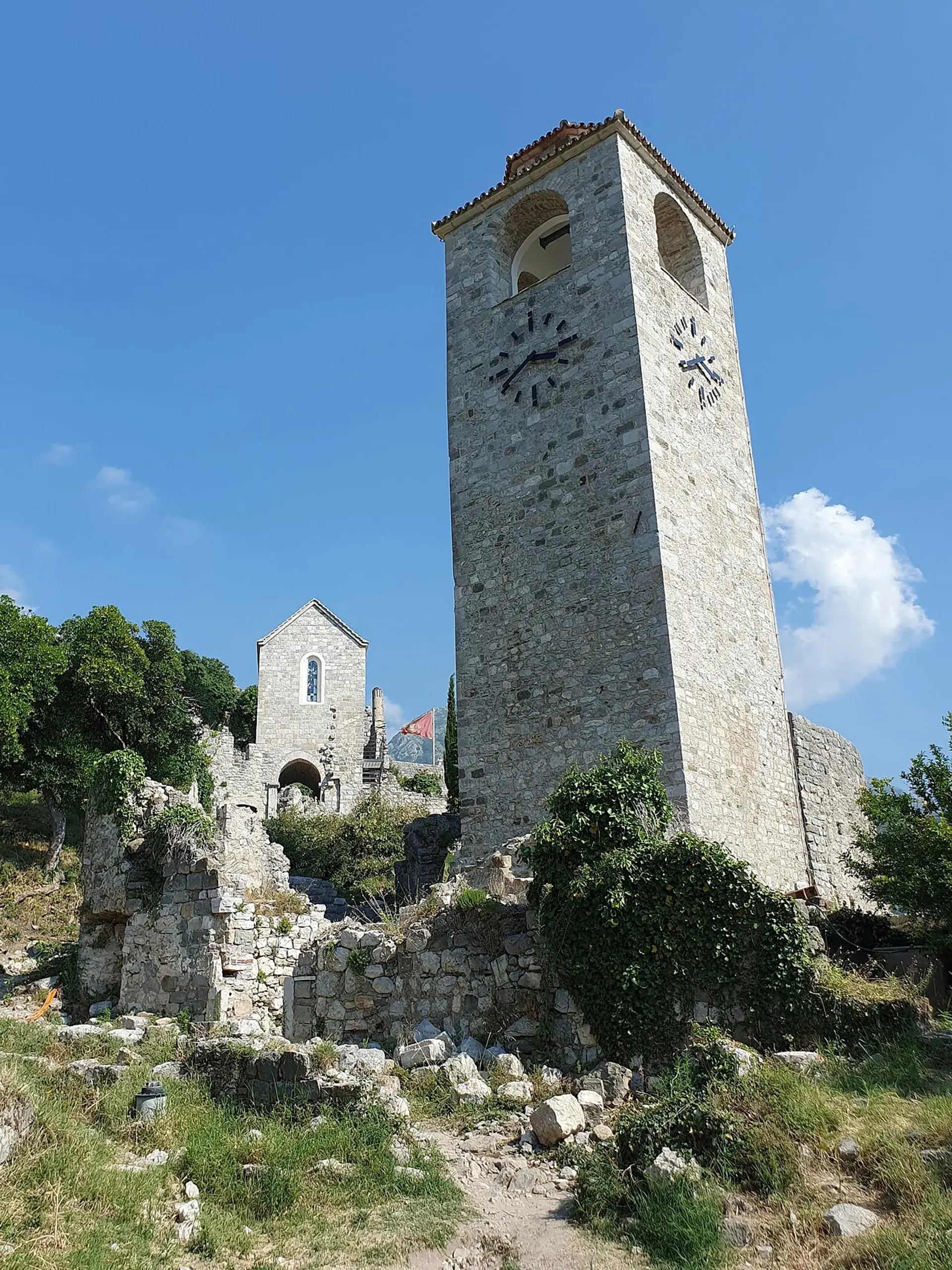
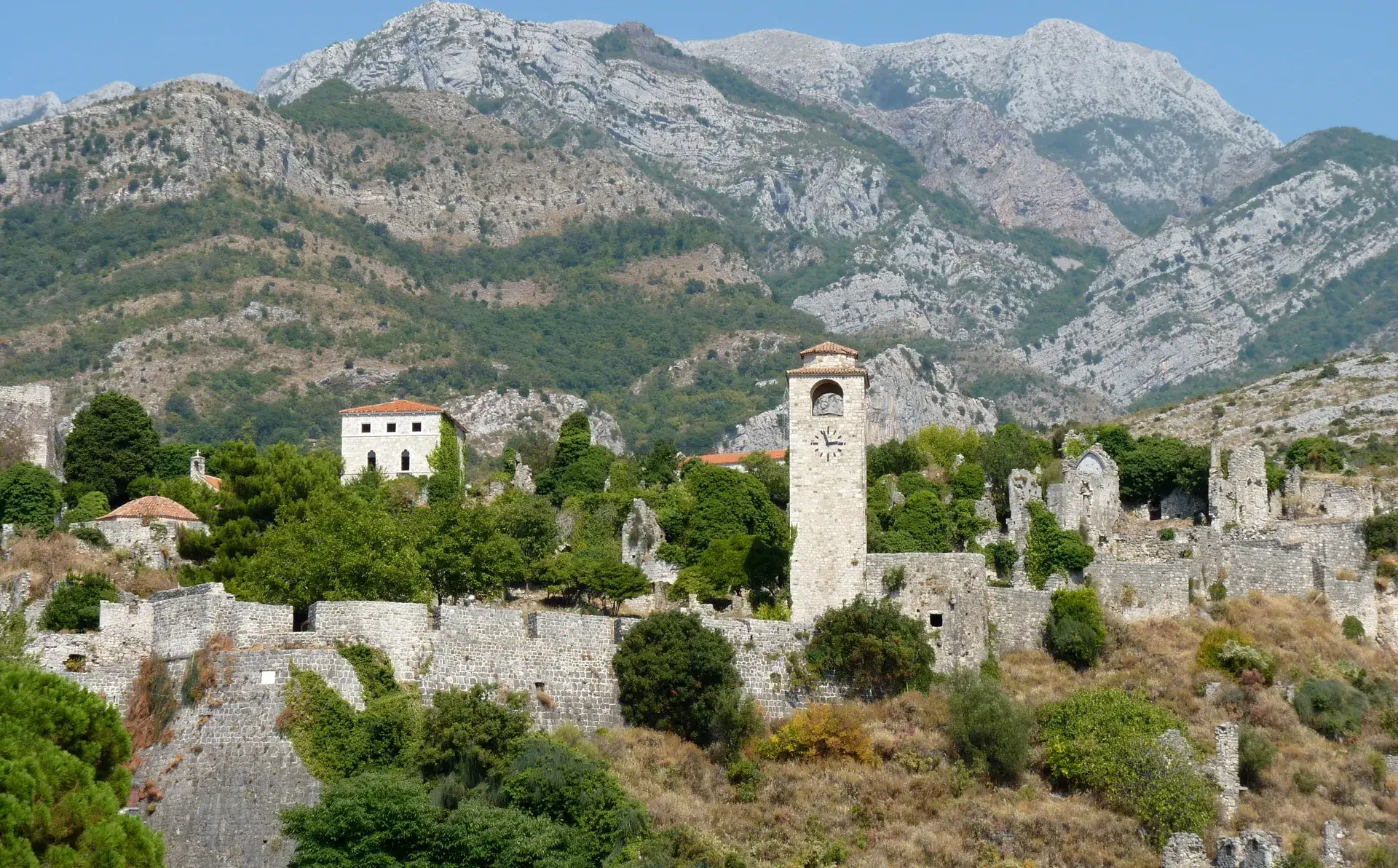
The Clock Tower, or Sahat Kula, stands as a timeless sentinel in Stari Bar, Montenegro, marking the heart of the old town's living history. This structure is one of the most recognizable symbols of the city, representing a profound Ottoman legacy in a region layered with Roman, Byzantine, and Venetian influences.
Ottoman Origins and Purpose
The tower received its distinctive oriental shape during a significant renovation in 1753, funded by Yahya Ibrahim Osman Agha, a prominent local merchant and nobleman. While some sources suggest it was an adaptation of an earlier medieval or Venetian tower, the 1753 reconstruction solidified its Ottoman character. Yahya Ibrahim established the tower as a 'waqf,' an Islamic endowment for public benefit, a common model for urban development during the Ottoman Empire.
Historically, the Clock Tower served a dual purpose. It was a crucial timekeeper for the town and also acted as a landmark for olive merchants approaching Stari Bar from the valley below. Its presence highlights a period of philanthropic investment in public infrastructure.
A History of Destruction and Resilience
The Clock Tower has endured a tumultuous history. It suffered considerable damage during the Montenegrin occupation in 1877-1878 and again from an explosion in 1881. It was also damaged by earthquakes in 1905 and 1968. The catastrophic 1979 earthquake, which led to the widespread abandonment of Stari Bar, caused particularly severe damage.
Despite the devastation that left much of the city in ruins, the Clock Tower became a focus of preservation. It underwent a thorough restoration in 1984. More recently, reconstruction efforts in 2023, costing nearly 100,000 euros, restored its clock mechanism to working order after more than a decade of silence. This commitment to its preservation underscores the tower's symbolic importance.
The Clock Tower Today
Today, the Clock Tower functions as a primary tourist attraction, drawing visitors to the ancient city. It is a rare piece of history, being one of only five Ottoman-period clock towers still existing in Montenegro. Visitors can ascend the tower for panoramic views of the archaeological ruins of Stari Bar and the distant Adriatic Sea.
As a tangible emblem of Stari Bar's resilience, the recently repaired clock now chimes over a vibrant area filled with local restaurants and souvenir shops. The tower's continued presence and recent restoration affirm Stari Bar's transformation into a significant and actively preserved cultural heritage site.
FAQ
When was the Stari Bar Clock Tower built?
The Clock Tower was significantly renovated into its current oriental form in 1753 by Yahya Ibrahim Osman Agha. It is believed to have been an adaptation of an earlier medieval or Venetian structure.
Is the clock in the Stari Bar Clock Tower working?
Yes. After being non-operational for over a decade, the clock was made functional again following reconstruction efforts in 2023.
Can you go inside the Stari Bar Clock Tower?
Yes, tourists can ascend the Clock Tower to get panoramic views of the ancient ruins of Stari Bar and the Adriatic Sea.
Why is the Stari Bar Clock Tower significant?
It is one of only five Ottoman-period clock towers remaining in Montenegro. Its repeated restoration, especially after the 1979 earthquake that led to the city's abandonment, makes it a powerful symbol of resilience and cultural preservation.