Ruins of St. George's Cathedral: Stari Bar History
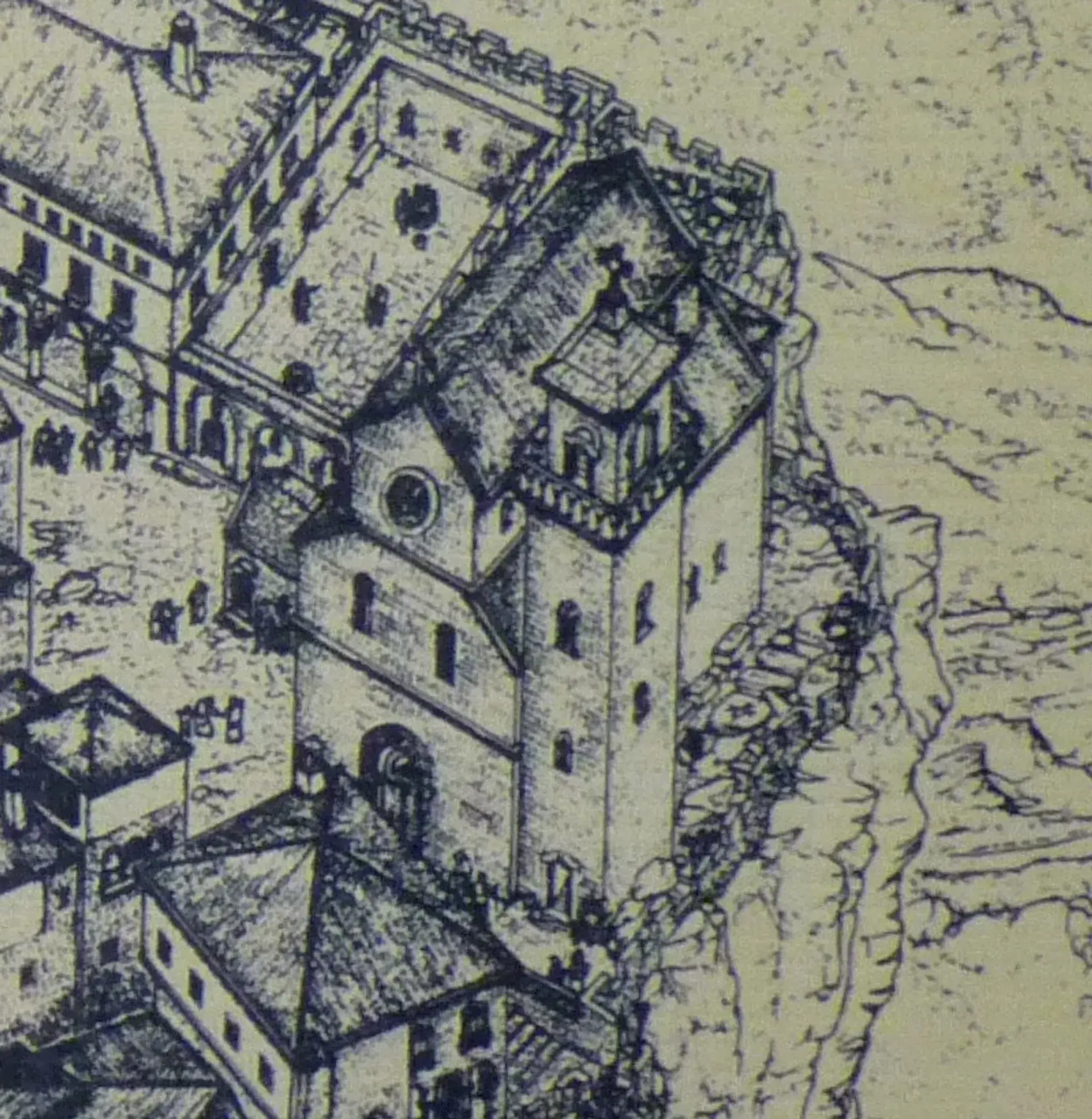
The Ruins of St. George's Cathedral stand as a powerful symbol of Stari Bar's layered history, reflecting centuries of shifting empires, religions, and cultures. Located within the larger archaeological site, these remains tell a story of architectural grandeur, spiritual significance, and a dramatic, unexpected end.
Ancient Origins and Episcopal Seat
The site of the cathedral has been a place of religious importance for over a millennium. The structure visible today was originally built in the late 12th century, but it succeeded an even older church with foundations dating back to between the 6th and 10th centuries.
Its construction marked Stari Bar as a significant episcopal seat. The Archdiocese of Bar was established here in 1089 by Pope Gregory VII, cementing the town's religious authority in the region. The cathedral's prominence is also implicitly linked to the 1077 coronation of Mihailo Vojislavljević as the first King of Zeta, a key moment in the principality's independence from Byzantine rule.
Ottoman Conversion and Repurposing
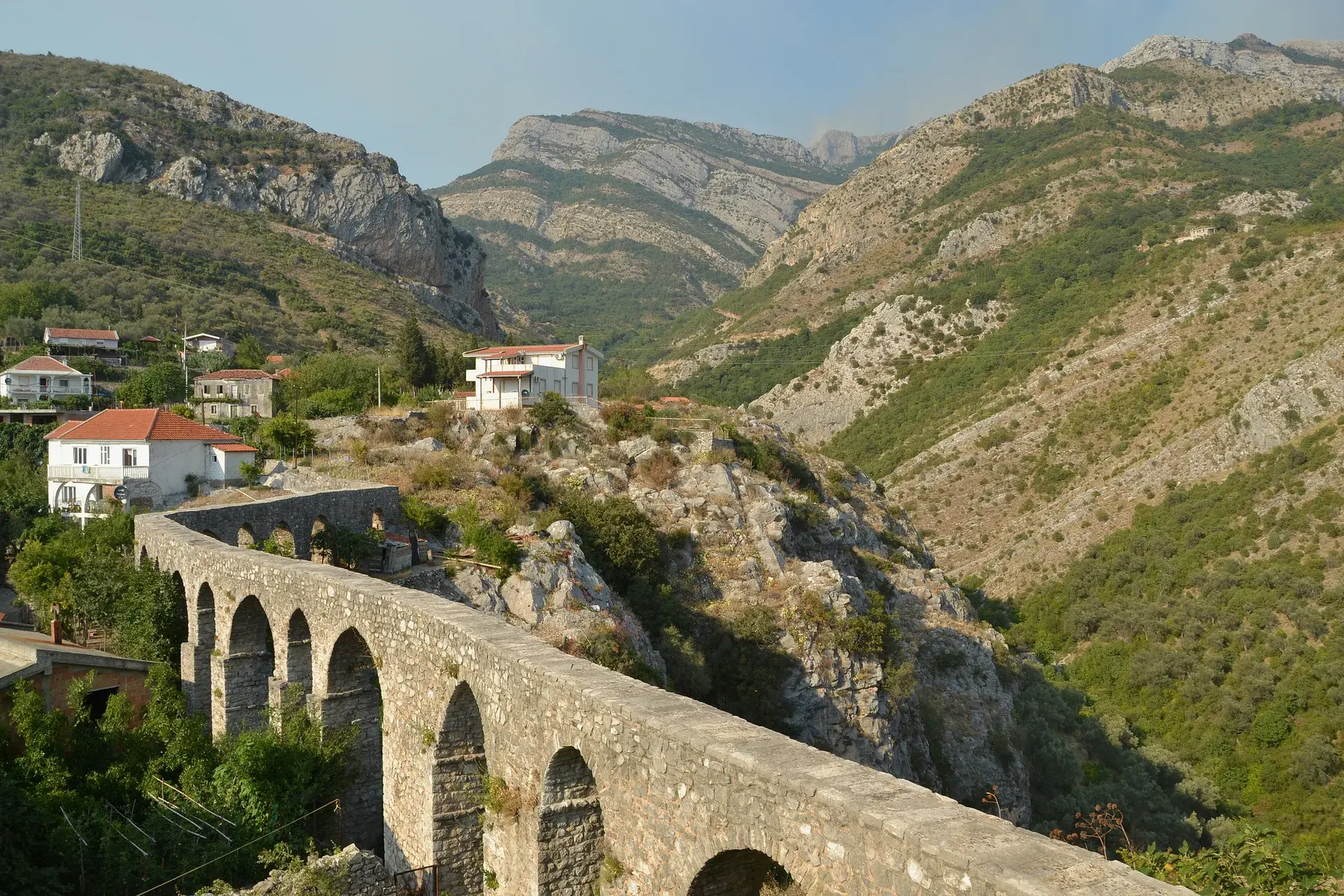
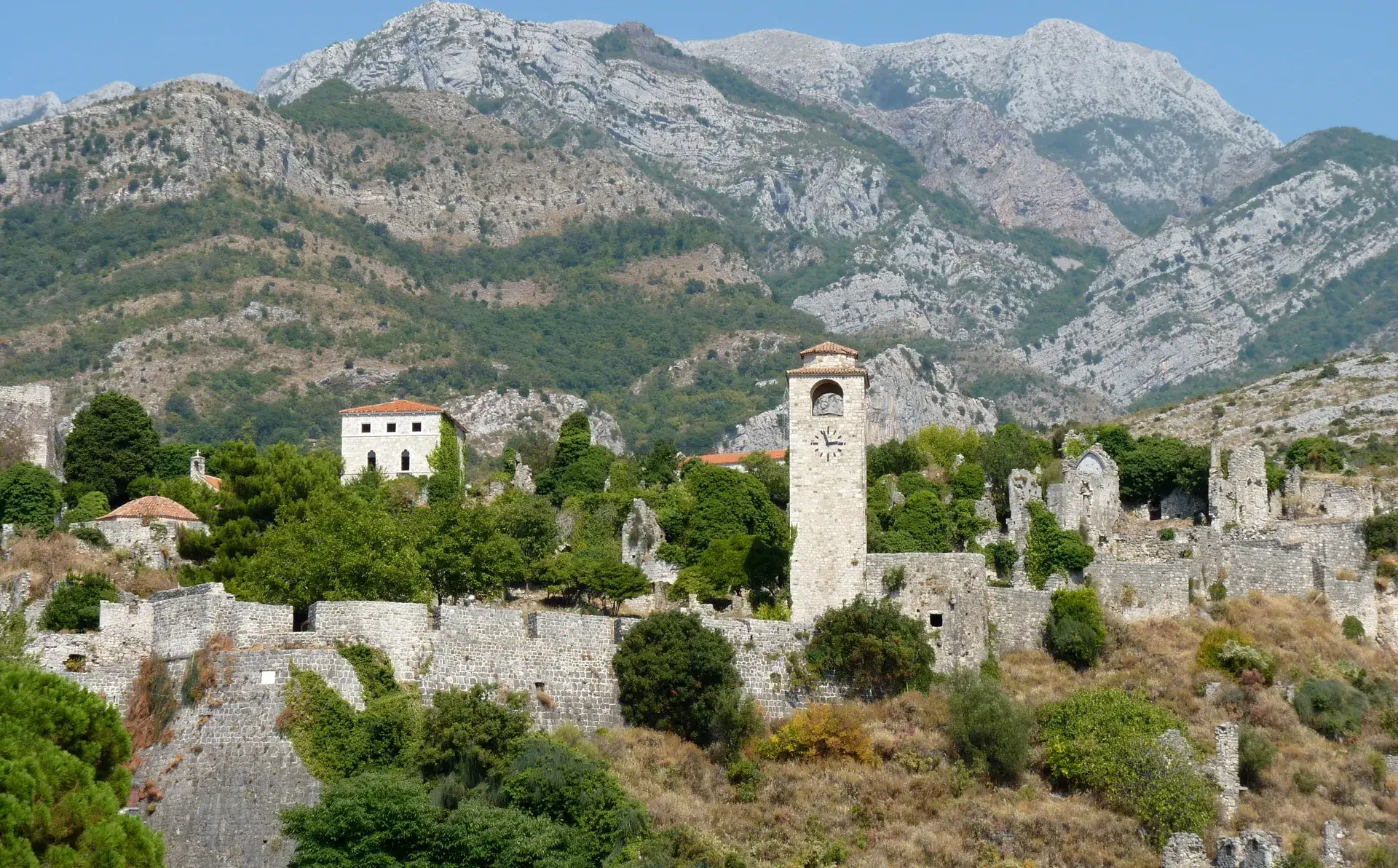
A major shift occurred in the 17th century when the Ottoman Empire, which ruled Stari Bar for 307 years, converted the cathedral into a mosque. This transformation from a center of Catholic heritage to an Islamic place of worship encapsulates the profound political and religious changes the city underwent. During their dominion, the Ottomans also developed the city's infrastructure, constructing an aqueduct and a clock tower, and maintained its role as a vital trading hub.
A Destructive Bolt from the Blue
The cathedral's final chapter is its most startling. In the late 19th century, during the Ottoman occupation, the building was no longer used as a mosque but as a gunpowder storage facility. Its ultimate destruction was not caused by a siege or the major 1979 earthquake that damaged much of Stari Bar. Instead, a lightning strike during a storm ignited the stored gunpowder, causing a catastrophic explosion that left the structure in complete ruins.
The Cathedral Ruins Today
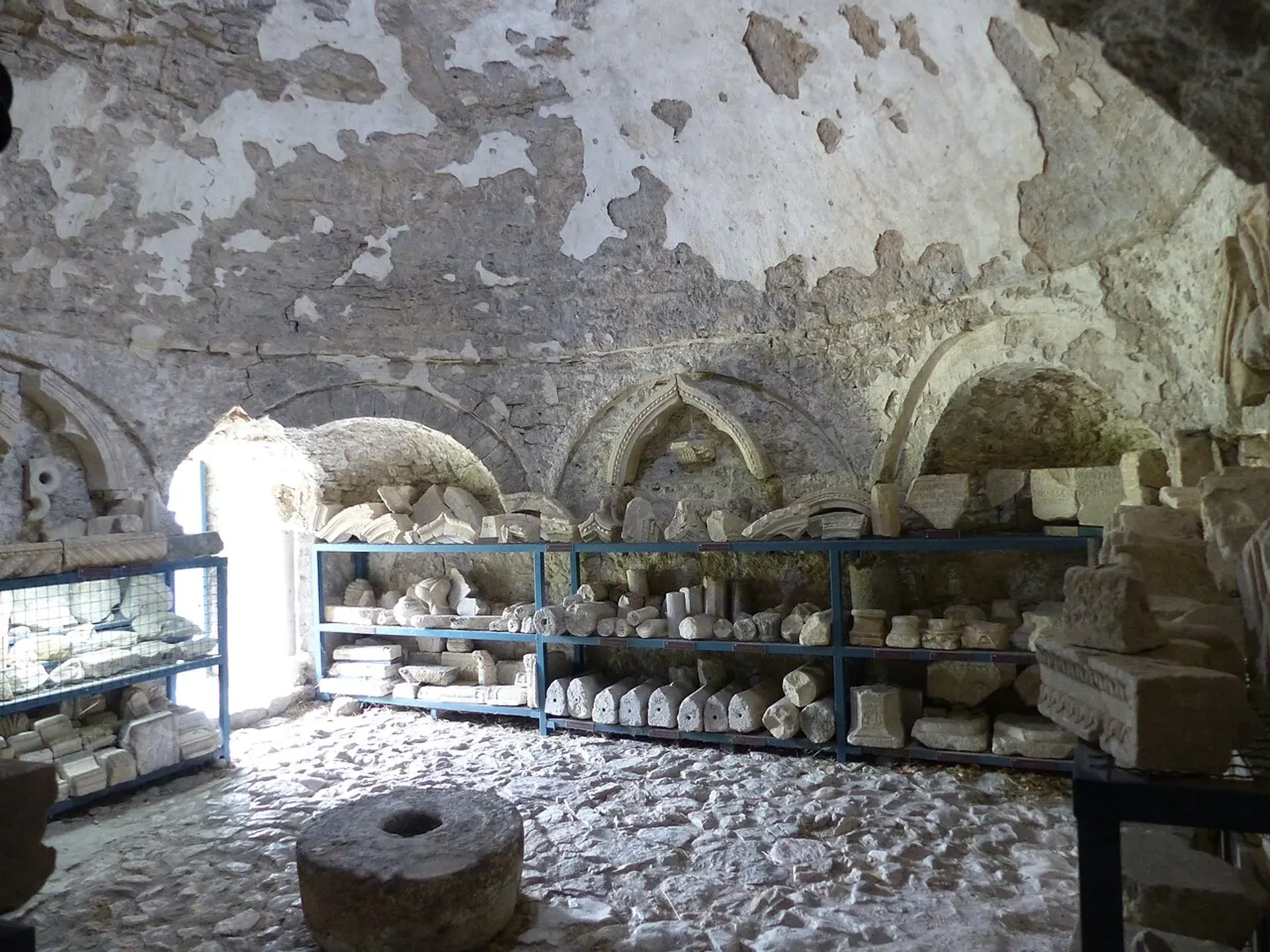
Today, the Cathedral of St. George is an entirely ruined structure within the open-air museum of Stari Bar. Visitors can freely explore the foundations and remaining walls, appreciating the scale of the former medieval building. The site is part of ongoing archaeological research and conservation efforts. After the explosion, some fragments of mosaics and stone carvings were salvaged and incorporated into the 'Liberator's' monument, erected in 1881 to commemorate Montenegro's liberation from Ottoman rule.
FAQ
How was St. George's Cathedral in Stari Bar destroyed?
The cathedral was destroyed in the late 19th century by a lightning strike. At the time, the building was being used by the Ottomans as a gunpowder storage facility, and the strike ignited the gunpowder, causing a massive explosion.
Was St. George's Cathedral always a cathedral?
No. While it was constructed as a cathedral in the 12th century, it was built on the foundations of an earlier church. In the 17th century, the Ottomans converted it into a mosque, and it was later used as a military storage depot before its destruction.
Did the 1979 earthquake destroy the cathedral?
No, the cathedral was already in ruins before the major 1979 earthquake that devastated much of Stari Bar. Its destruction was caused by a gunpowder explosion in the late 19th century.