Turkish Hamam in Stari Bar: Ottoman History Preserved
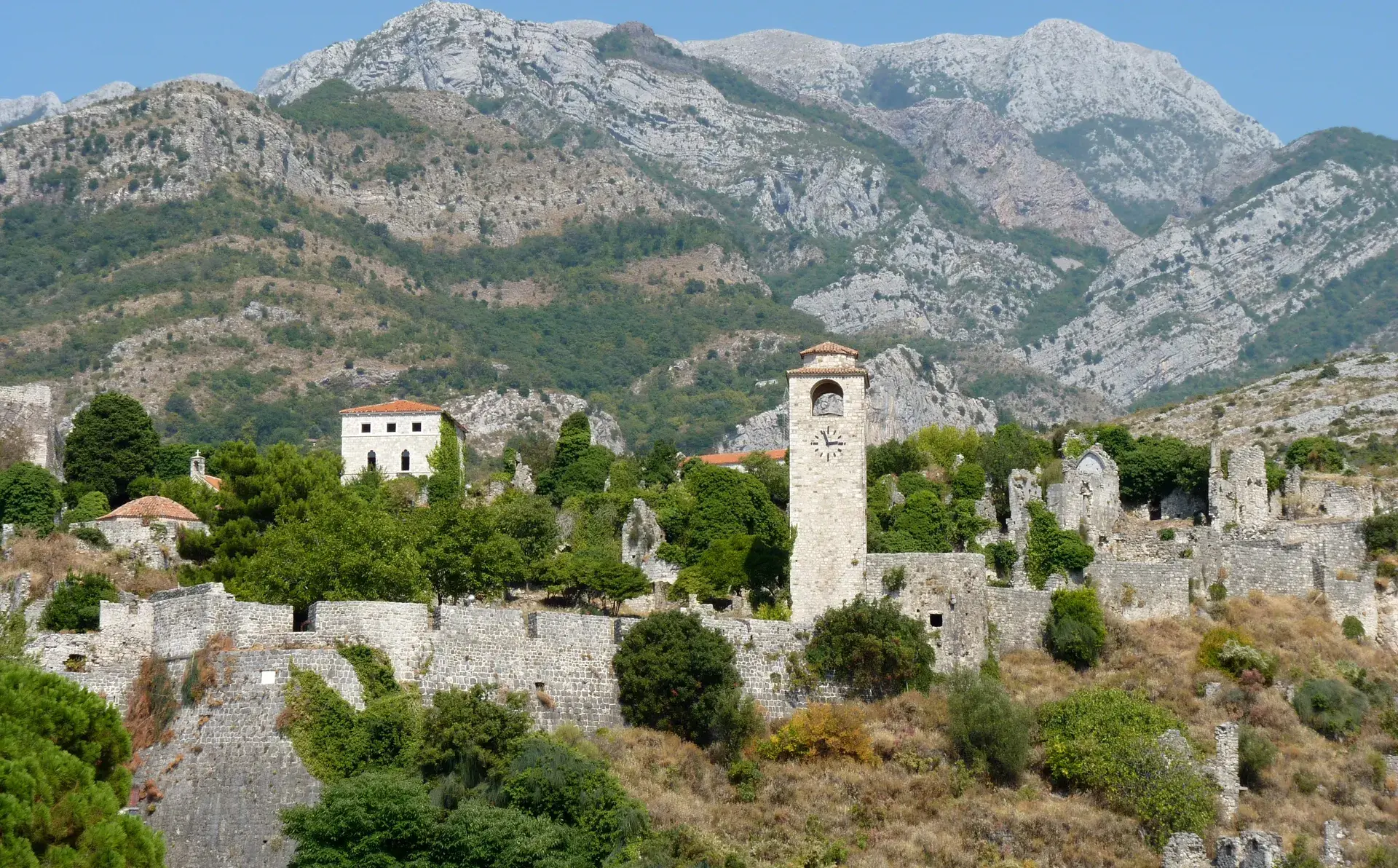
The Turkish hamam in Stari Bar is a tangible link to the town's Ottoman heritage, offering a glimpse into the communal life that once flourished there. Constructed towards the end of the 17th or the beginning of the 18th century, this bathhouse stands as a significant vestige of the Ottoman Empire's nearly three-century rule, which lasted from 1571 to 1878.
Architectural Features
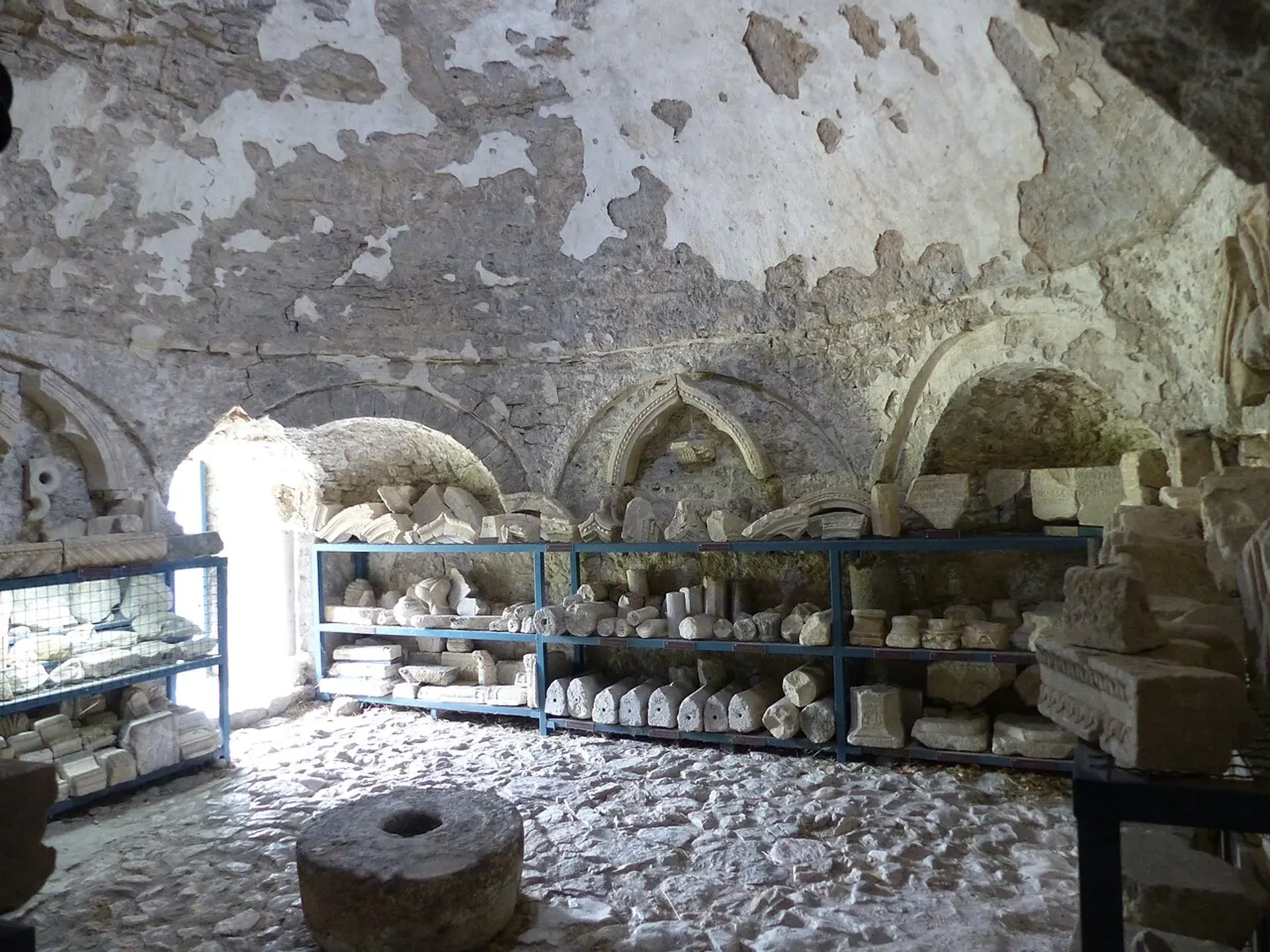
The hamam is an irregular rectangular building constructed from broken stone, showcasing distinct Ottoman architectural characteristics. Its design includes several rooms and a central domed space supported by squinches. A key feature of its construction is the series of smaller, circular openings incorporated into the dome and vaults. These were ingeniously designed to provide both natural light and essential ventilation to the interior bathing areas.
A Social and Cultural Hub
For over three centuries, the hamam was an integral part of the community's social rituals and health practices. Its establishment introduced Eastern customs into a town already rich with Romanesque, Gothic, and Renaissance styles. The bathhouse served as a central point for social interaction, layering Ottoman influence onto the diverse cultural fabric of Stari Bar.
From Bathhouse to Archaeological Relic
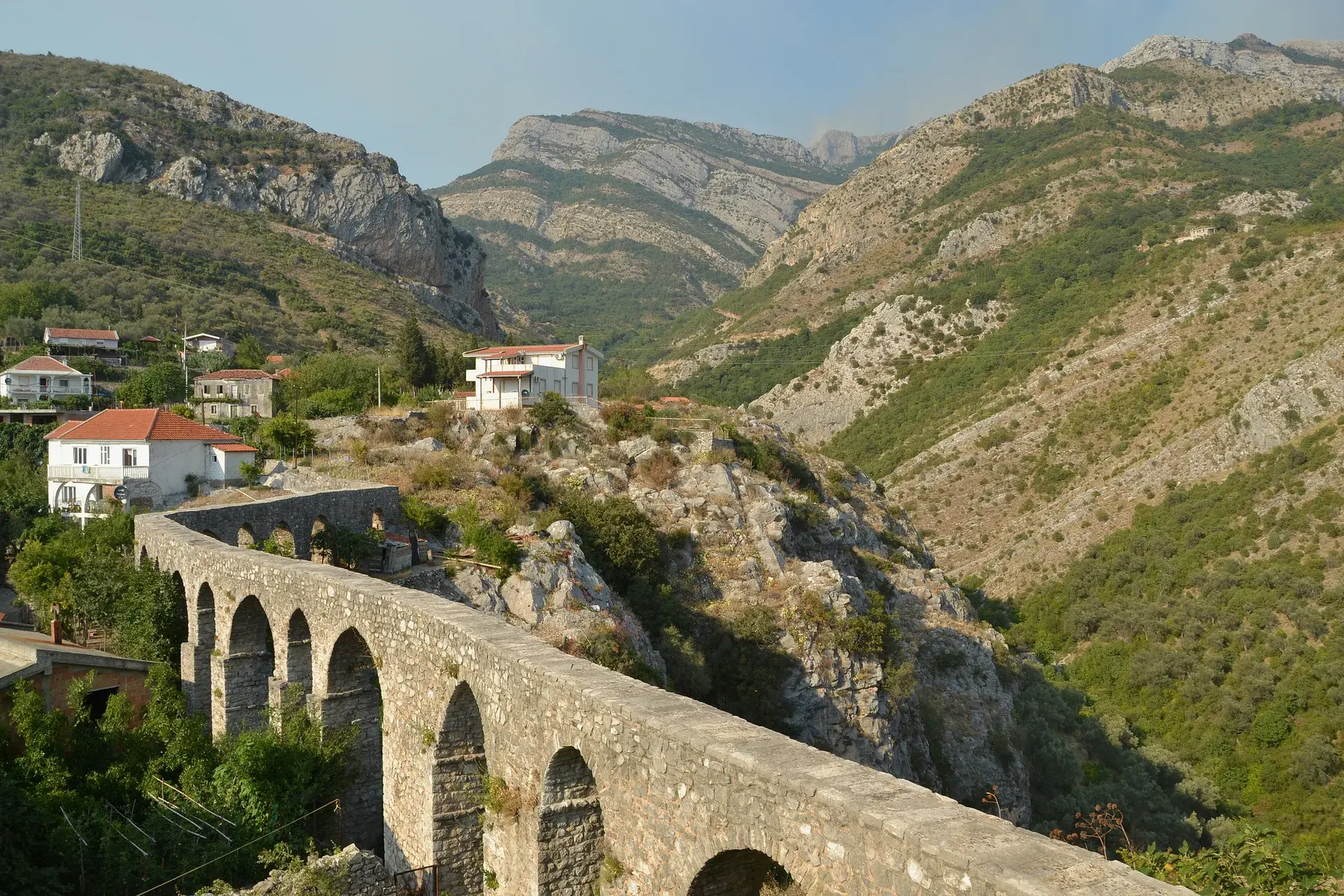
The hamam's function began to change with significant historical events. In 1877, during a siege by Montenegrin forces, the Ottoman-built aqueduct that supplied water to the city was destroyed. A more definitive end came with the catastrophic earthquake of 1979, which devastated the region and led to the abandonment of the entire old city. Following these events, the hamam transitioned from a functional building into an archaeological relic.
Preservation and Current Status
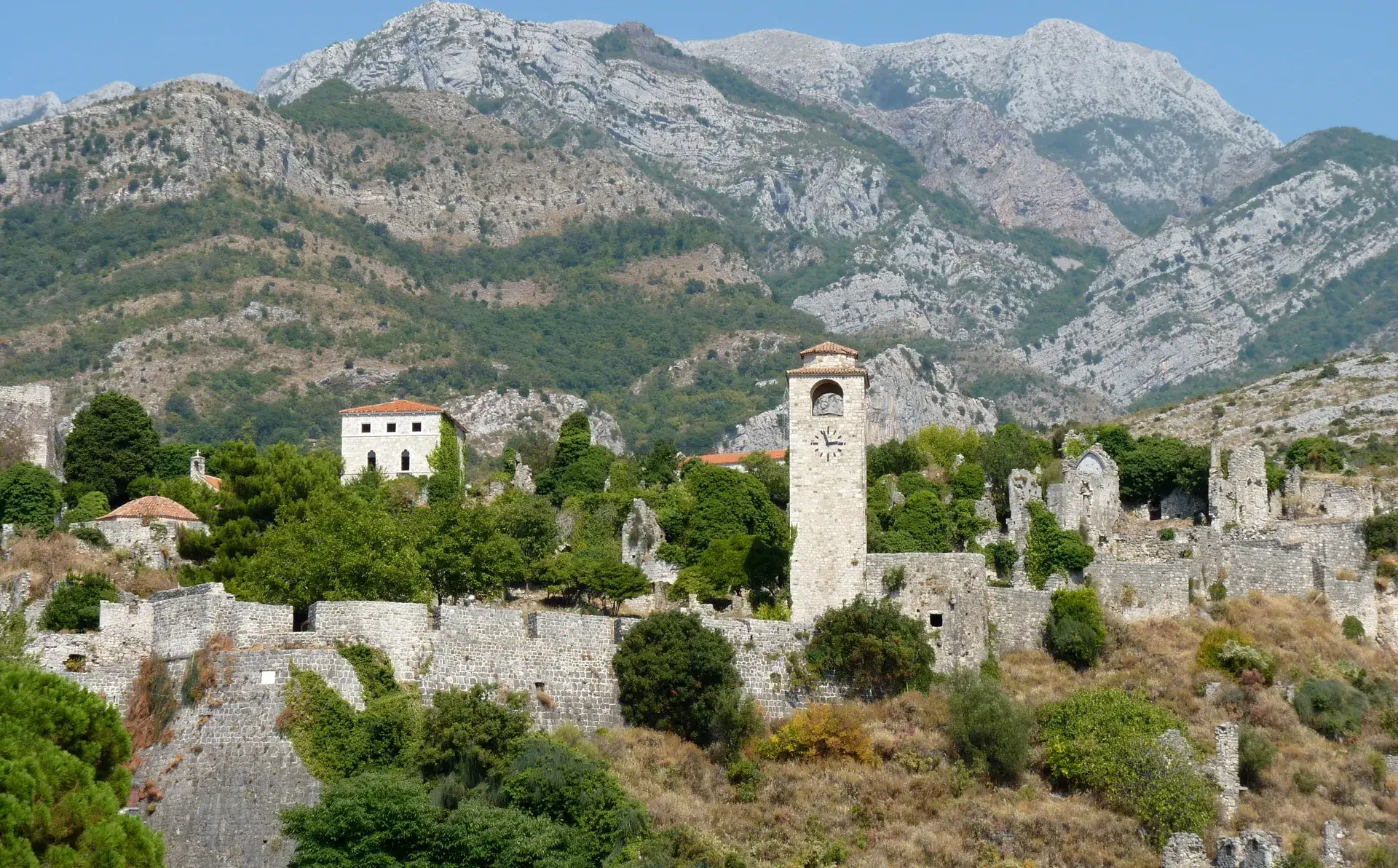
Today, the Turkish hamam is located within the Stari Bar open-air museum complex. After suffering damage, it has been fully restored. However, its role is now strictly for display. Despite being described as functional, it serves as an archaeological exhibit to illustrate Ottoman-era life and architecture. It is not an active communal bathhouse for visitors or locals, but rather a preserved piece of the historical narrative of this 'ghost city'.
FAQ
When was the Turkish hamam in Stari Bar built?
The Turkish hamam was built during the period of Ottoman rule, towards the end of the 17th or the beginning of the 18th century.
Can you use the Turkish hamam in Stari Bar?
No, although the hamam has been fully restored, it is preserved for display purposes only within the Stari Bar open-air museum and is not a functioning bathhouse.
What is the architectural style of the hamam?
The hamam showcases Ottoman architectural characteristics. It is an irregular rectangular building with a central domed space and features small openings in the dome and vaults for light and ventilation.
Why did the hamam stop being used?
The hamam's use declined after its water supply was cut during an 1877 siege. It ultimately became an archaeological relic after a catastrophic earthquake in 1979 led to the abandonment of the old city of Stari Bar.