Kotor's Sea Gate: A Historic Waterfront Welcome
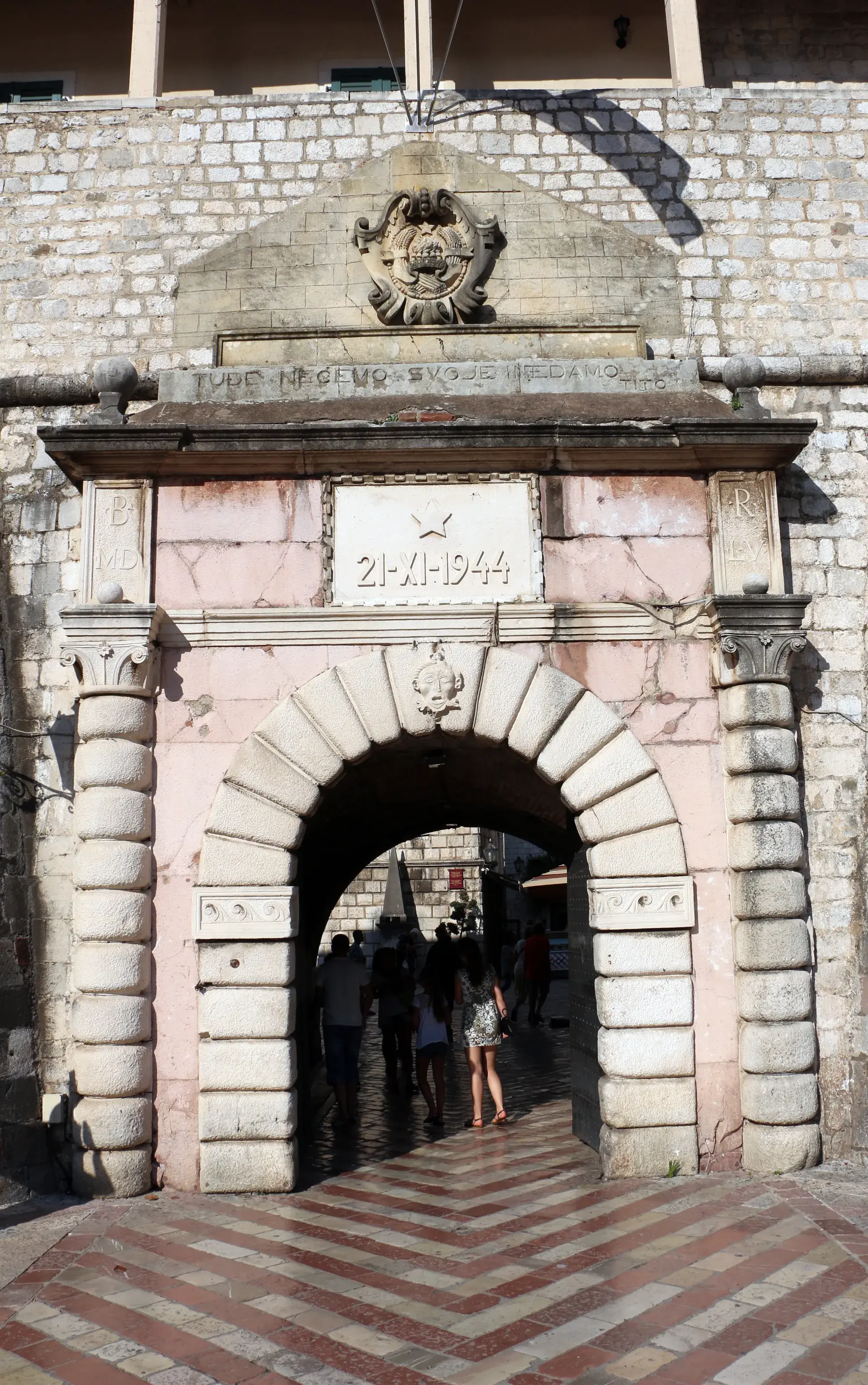
Kotor's waterfront is the city's historic and modern gateway, centered around the impressive Sea Gate (Morska Vrata). This primary entrance to the Old Town showcases a fascinating blend of historical layers, where the Venetian Republic's winged Lion of St. Mark is overlaid with symbols from socialist Yugoslavia. This juxtaposition of ideologies on a single facade offers a tangible glimpse into the city's complex past.
A Gateway Through Time
The Port of Kotor has been a documented maritime hub since the 12th century, but its fortifications were significantly enhanced during the Venetian period, which began in 1420. The Sea Gate itself was constructed in 1555 in the Renaissance style, serving as the main maritime entrance to the fortified city. It was originally adorned with the emblem of the Venetian Republic, the winged Lion of St. Mark, symbolizing its power.
A major political shift is visible on the gate's exterior. Following the city's liberation from Nazi occupation on November 21, 1944, the Venetian symbols were replaced. Socialist heraldry was added, along with the date of liberation and a quote attributed to Yugoslav leader Josip Broz Tito: “What belongs to others we don't want, what is ours we will never surrender.”
Architectural Details and Curiosities
While the gate's main structure is from the 16th century, its vaulted passage contains an even older artifact. A beautifully preserved Gothic-style stone relief from the 15th century depicts the Blessed Virgin Mary with Jesus, flanked by Saint Tryphon, Kotor's patron saint, and Saint Bernard.
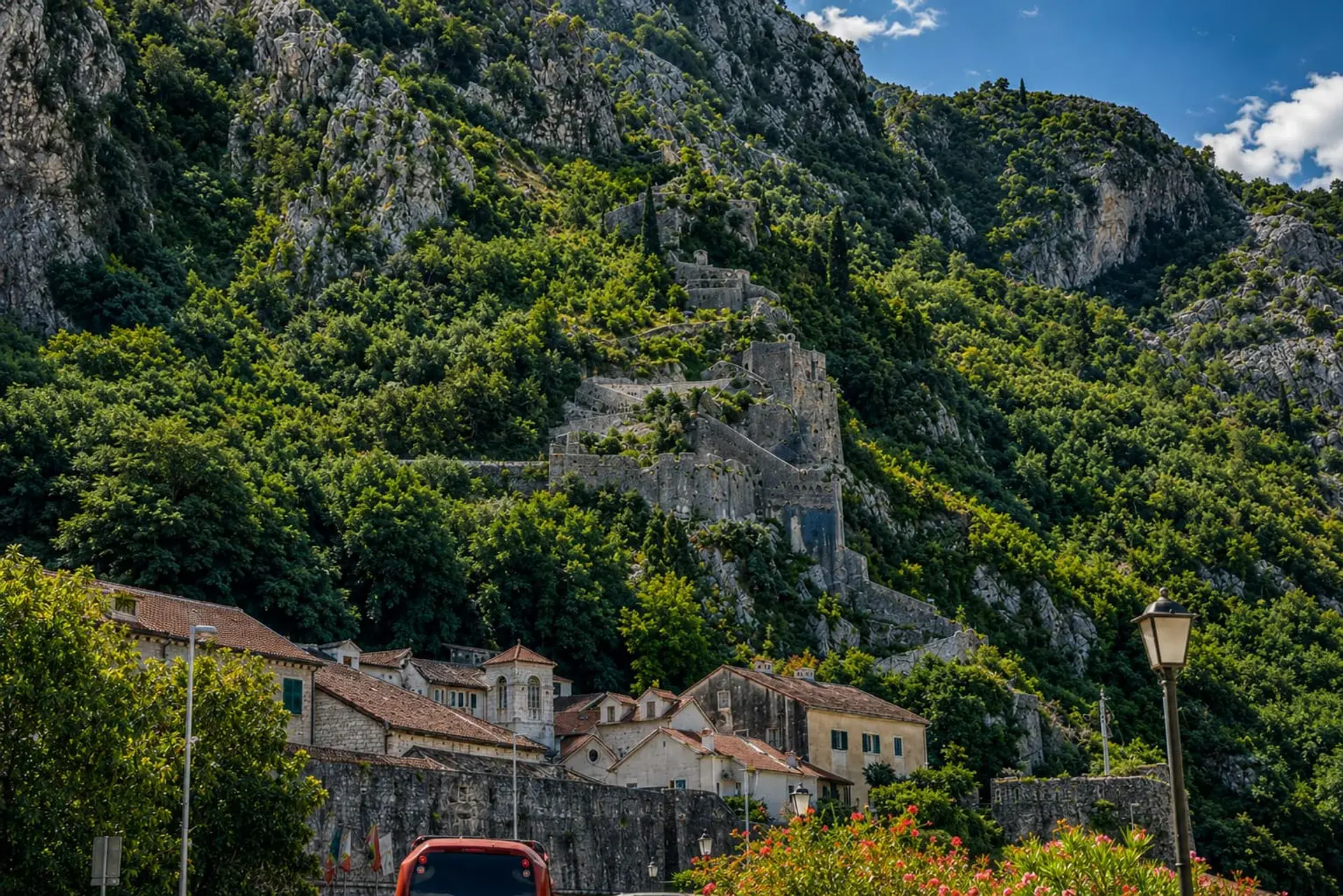
Another surprising aspect of the Sea Gate is its structural history. Due to the immense weight of its stone masonry and the unstable ground beneath, the entire gate has subsided by more than 70 centimeters since its construction. The city's defenses also included a unique feature: defensive moats fed by powerful freshwater springs emerging from the base of the cliffs. This constant flow of fresh water, rather than saltwater from the bay, gave the moat a distinct blue-green hue and ensured a vital water supply during sieges.
The Waterfront in the Modern Era
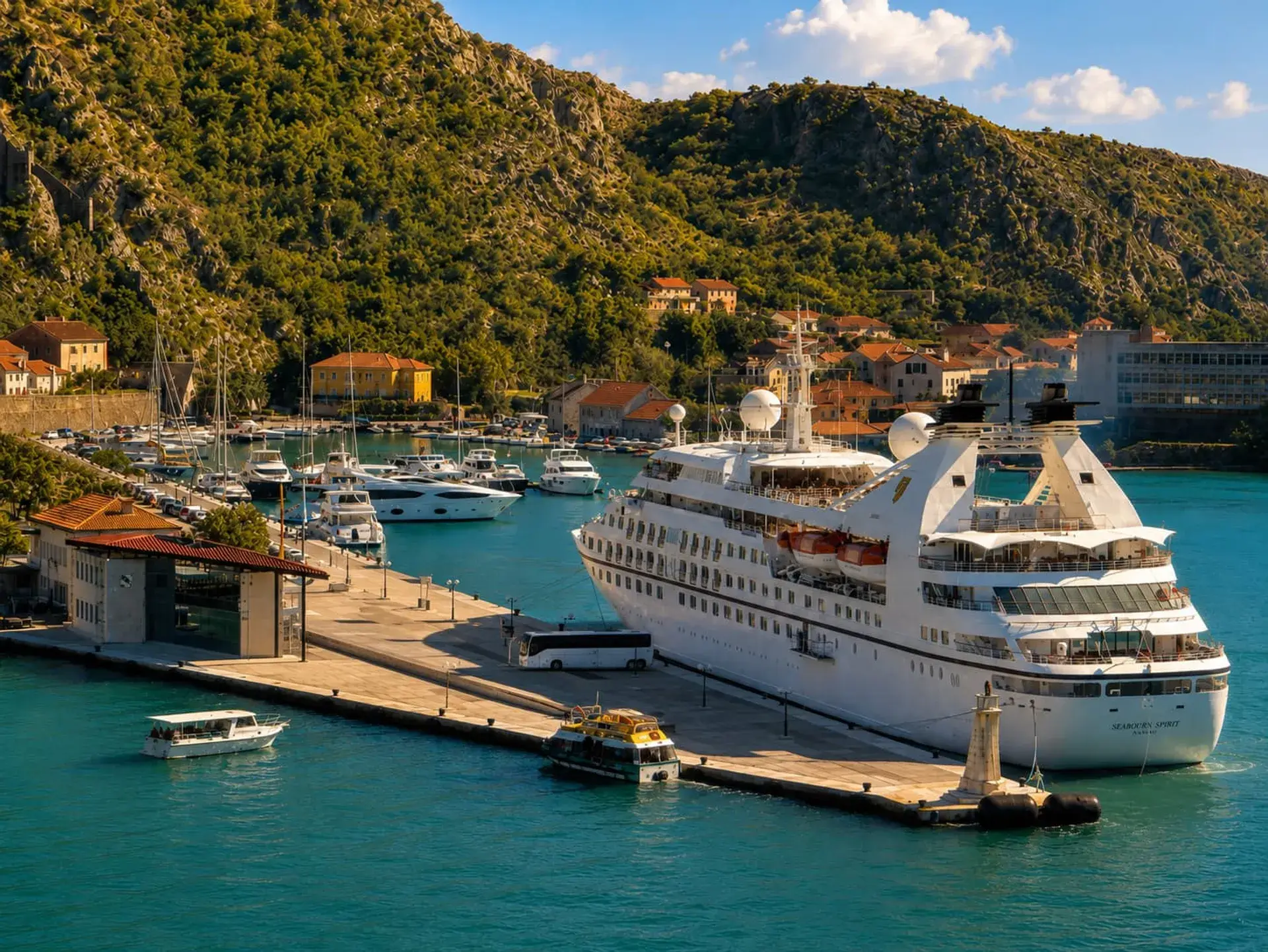
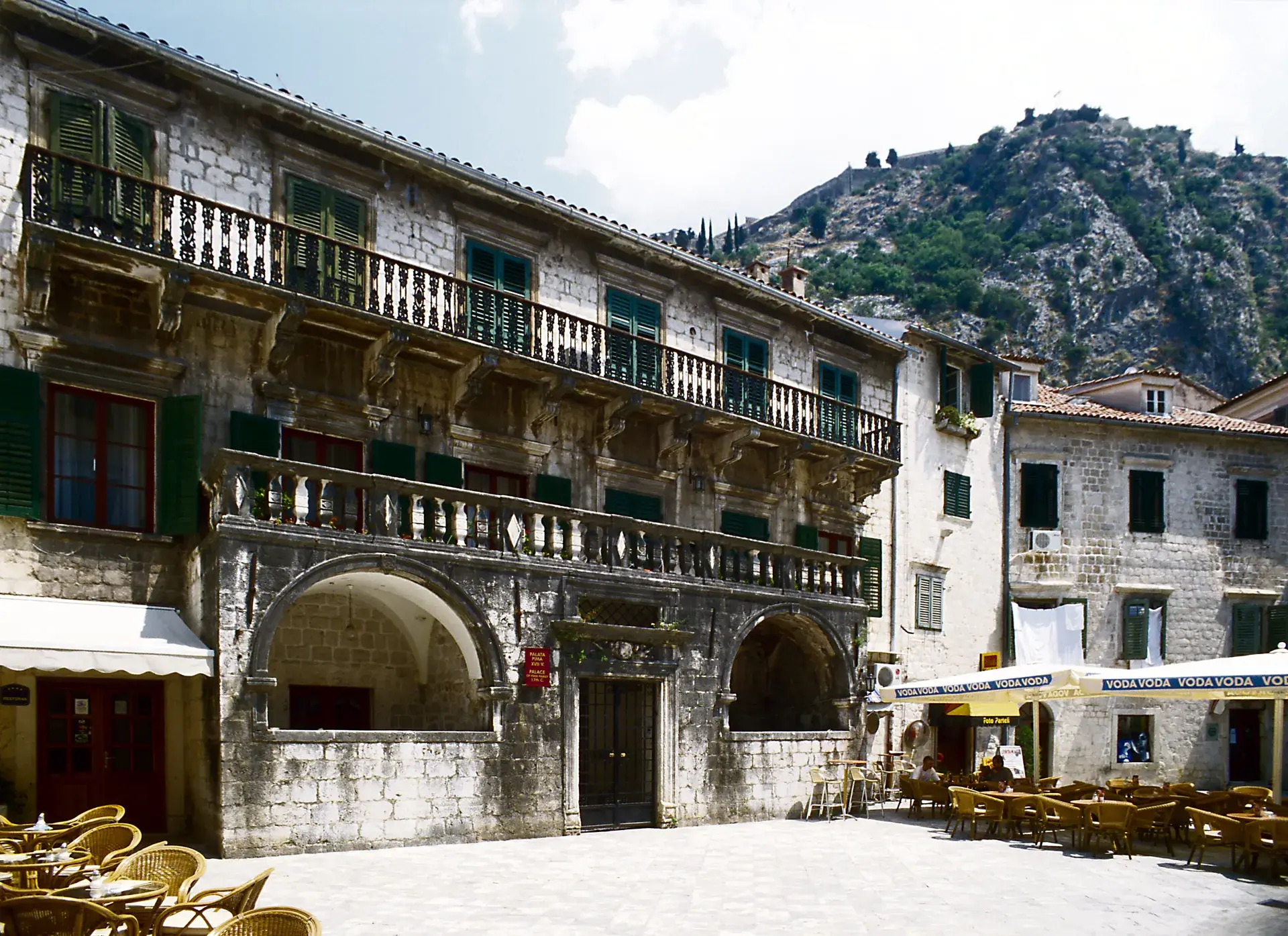
Today, the Sea Gate remains the principal entry point into Kotor's Old Town, leading directly into the city's main social hub, the Square of Arms (Trg od Oružja). The waterfront itself features a promenade and is dominated by the modern Port of Kotor, a crucial part of the local economy.
The port accommodates approximately 500 cruise ships and 1,000 yachts annually, bringing around half a million passengers to the city. Large cruise ships often dock alongside the Old Town's city walls, placing visitors just a five-minute walk from the historic Sea Gate, continuing its centuries-old function as the primary welcome to Kotor.
FAQ
When was the Sea Gate in Kotor built?
The Sea Gate, or Morska Vrata, was constructed in 1555 during the Venetian era. However, it contains an older 15th-century Gothic relief within its passage.
What is the quote on Kotor's Sea Gate?
The gate features a quote added after World War II, attributed to Josip Broz Tito: “What belongs to others we don't want, what is ours we will never surrender.”
What is unique about the moats around Kotor's Old Town?
Kotor's defensive moats are uniquely fed by powerful freshwater springs that emerge from the cliffs, not saltwater from the bay. This provided a continuous fresh water supply, which was crucial during sieges.
How important is the Port of Kotor today?
The Port of Kotor is a significant part of the city's modern tourism economy, welcoming about 500 cruise ships and half a million passengers each year.