Fortress of San Giovanni: Kotor's Historic Citadel
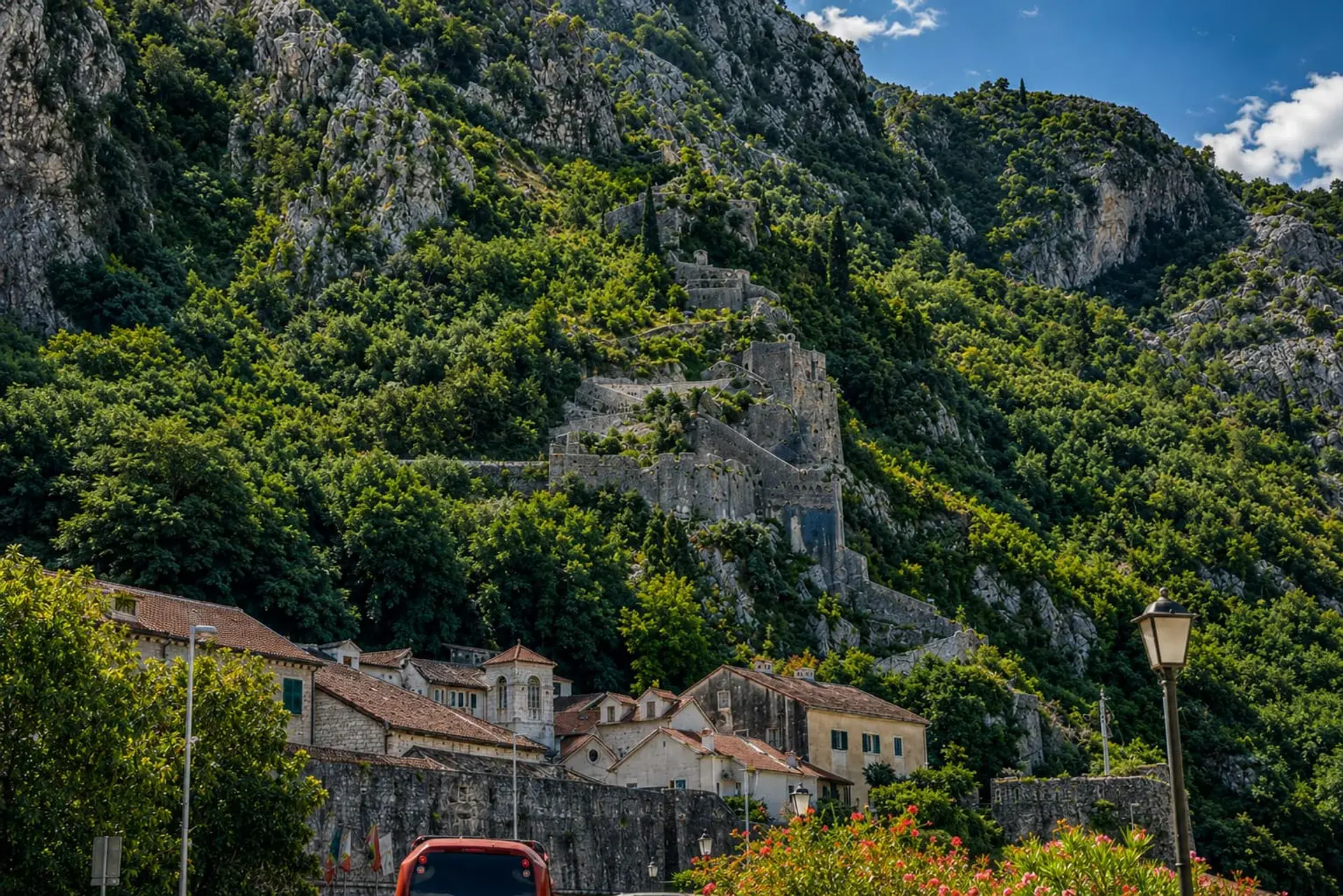
Perched on Mount San Giovanni, approximately 280 meters above Kotor, the Fortress of San Giovanni stands as a formidable crown to the city's extensive fortifications. While it appears impregnable, its history reveals a complex reality; the fortress and its surrounding walls were successfully captured on at least 14 occasions by forces including the Ottomans and the British. This layered past is etched into its very stones, which offer panoramic views of the Bay of Kotor and the UNESCO-protected Old Town below.
A Millennium of Military History
The origins of fortification on this strategic ridge trace back to the Illyrians around 100 BCE. A significant reconstruction occurred in the 6th century under Byzantine Emperor Justinian I, who established foundational defensive structures. The most transformative period began with the establishment of Venetian rule in 1420. For nearly four centuries, until 1797, the Venetians extensively expanded and reinforced the fortress, creating most of the structures visible today, primarily to counter the persistent threat of Ottoman sieges.
Despite these enhancements, the fortress fell to Ottoman forces on two separate occasions during the 16th and 17th centuries. The turbulent Napoleonic Wars saw the fortress change hands multiple times, passing to the French Empire, being occupied by Russian troops under Admiral Dmitry Senyavin, and captured by the British in 1814 before being returned to Austrian control in 1815.
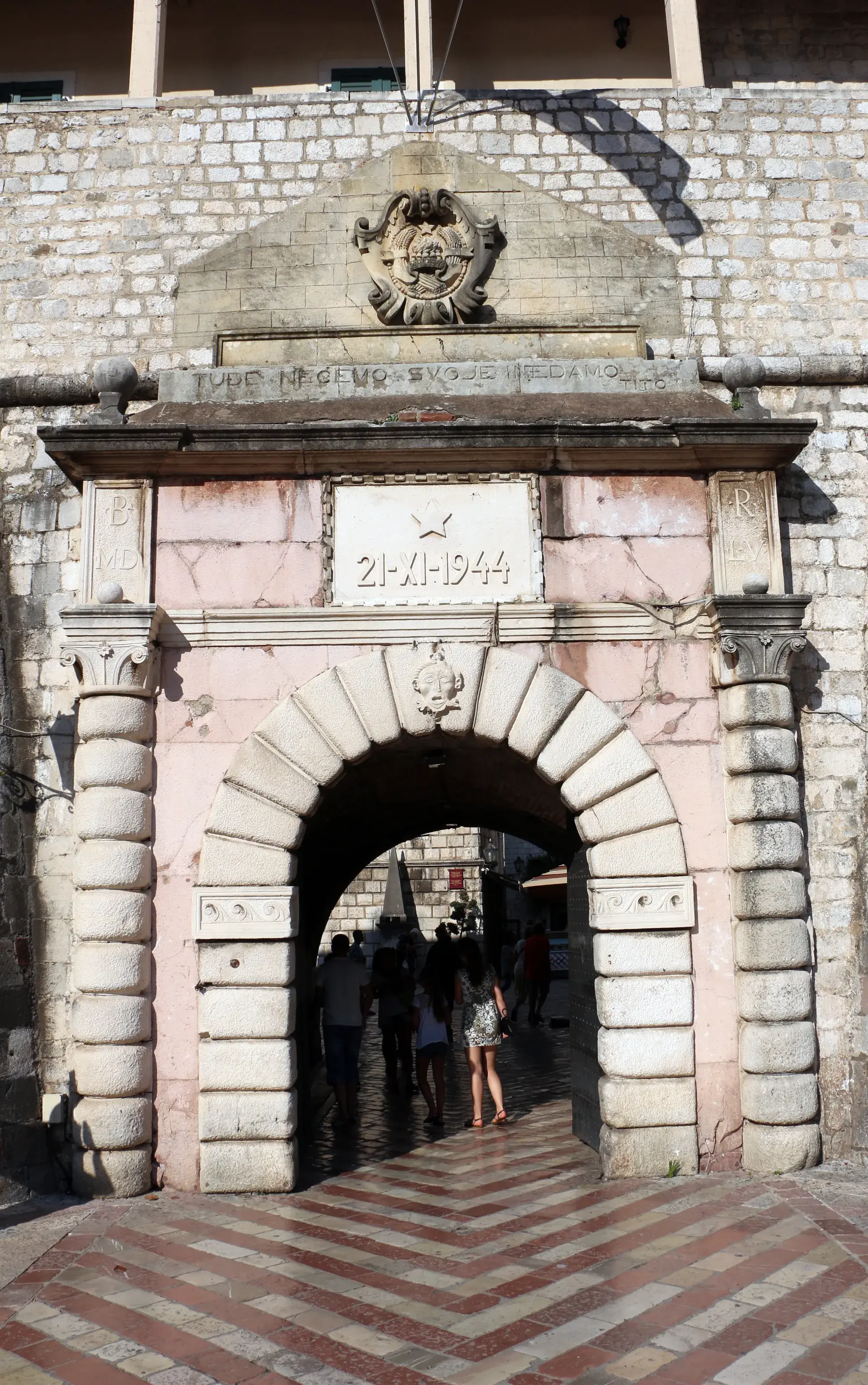
After World War I, the fortifications were abandoned by the Austrians. They were later occupied by Axis forces during World War II until the city's liberation on November 21, 1944, a date commemorated by an inscription above the Sea Gate attributed to Marshal Tito. A severe earthquake in 1979 caused significant damage, leading to the region's inclusion on the UNESCO World Heritage in Danger list until 2003.
Architectural Layers Through Time
The fortress is a tapestry of military architecture, showcasing influences from its Illyrian, Byzantine, Venetian, and Austrian rulers. The stone ramparts, worn smooth in places by countless hands, are scented with wild sage and thyme that grow from the limestone cracks. During World War I, Austrian soldiers added two concrete infantry positions to the fort's roof for enhanced defense against artillery fire from Mount Lovćen.
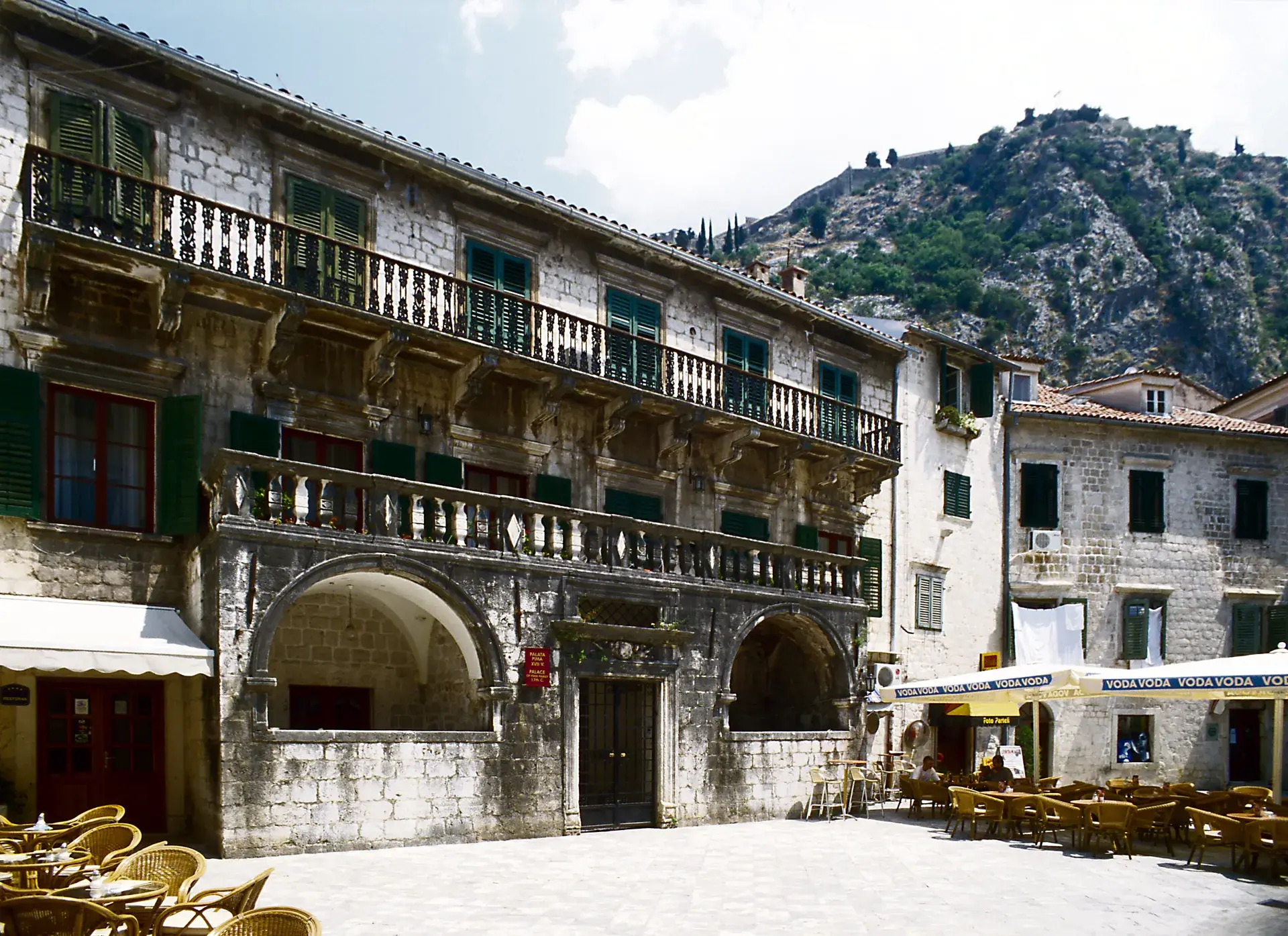
This defensive network extends down into the city itself. The labyrinthine network of narrow, winding streets in Kotor's Old Town was intentionally designed to confuse potential invaders, while many buildings contain secret courtyards and passages that served as strategic escape routes during attacks.
The Fortress Today
Today, the Fortress of San Giovanni is a major tourist attraction, though it exists in a state of partial ruin, affected by past earthquakes and encroaching vegetation. The main draw is the strenuous but rewarding hike to the summit, which involves climbing between 1,350 and 1,500 steps. Along the way, the Church of Our Lady of Remedy, built in 1518, serves as a prominent landmark and rest point.
During peak season, an entrance fee is charged at gate points within the Old Town, though Montenegrin citizens have free access. There are no public facilities like toilets or food vendors at the top. For those seeking an alternative route, a longer, free trail known as the Kotor Ladder begins outside the city's northern gates and also leads to the fortress.
FAQ
How old is the Fortress of San Giovanni?
The fortress's history spans over a millennium. Initial fortifications date to Illyrian times around 100 BCE, with significant reconstruction by Byzantine Emperor Justinian I in the 6th century. The Venetians built most of the current structures between the 15th and 17th centuries.
How many steps are there to the top of the fortress?
The ascent to the summit of the Fortress of San Giovanni involves a strenuous hike of approximately 1,350 to 1,500 steps.
Is there an entrance fee for the Fortress of San Giovanni?
Yes, an entrance fee of around €15 is typically required to climb the main route during peak season. However, entry is free for Montenegrin citizens.
What is the Church of Our Lady of Remedy?
The Church of Our Lady of Remedy is a significant landmark built in 1518. It is located about halfway up the main ascent to the fortress and serves as a popular rest point for visitors.