St. Luke's Church Kotor: A Story of Resilience & Harmony
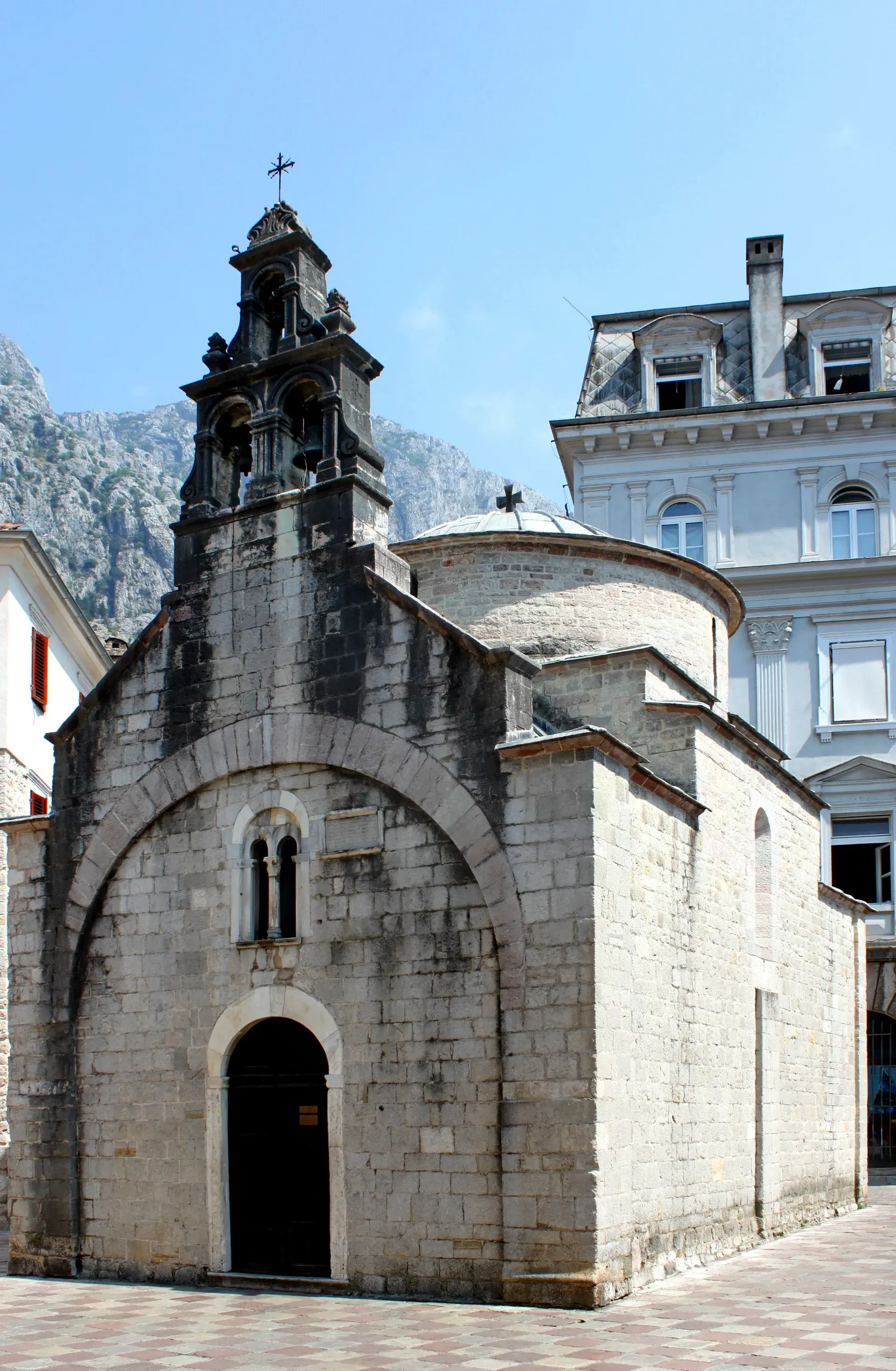
In the heart of Kotor's UNESCO-listed Old Town lies the Square of Saint Luke, a small, atmospheric plaza defined by its namesake church. The Church of Saint Luke, founded in 1195, stands as a microcosm of the city's rich history, embodying centuries of architectural evolution, religious harmony, and remarkable endurance.
A History of Coexistence
The Church of Saint Luke was constructed in 1195 by Mauro Kacafrangi, a local citizen, during the progressive rule of the Serbian Nemanjic dynasty. Originally built as a Catholic church, its history took a unique turn in 1657. Venetian authorities granted Orthodox refugees fleeing Ottoman forces permission to worship within its walls.
This led to the establishment of a second, Orthodox altar alongside the existing Catholic one. For over 150 years, from 1657 until 1812, the church served both faiths simultaneously, a rare and profound testament to religious coexistence. This shared sacred space came to an end during the French administration when, in 1810 or 1812, the Latin altars were removed, and the church became exclusively Orthodox, as it remains today.
Architectural Resilience
The church displays a fascinating blend of architectural styles, with Romanesque and Byzantine features being the most prominent. It has a single-nave plan with a central dome. Over the centuries, additions were made, including the Chapel of Saint Spyridon in 1747 and a baroque bell gable around the same time.
What truly sets the Church of Saint Luke apart is its extraordinary resilience. It is the only building in Kotor to have survived numerous powerful earthquakes without suffering significant damage. Major seismic events in 1563, 1667, and 1979 devastated the region, but this 12th-century structure remained standing, a testament to the remarkable skill of its medieval builders.
A Floor of Tombs and Ancient Art
The interior of the church holds its own unique stories. The worn stone floor is composed entirely of tomb panels. Until the 1930s, citizens of Kotor were buried in 17 collective graves beneath the church floor, with estimates suggesting around 3,000 individuals are interred there.
Artistically, the church is home to a significant 17th-century iconostasis created by Dimitrije Daskal, the founder of the renowned Boka Kotorska painting school. Furthermore, fragments of the original 12th-century frescoes, painted shortly after the church's construction, are still visible on the southern wall, offering a glimpse into its earliest days.
FAQ
Why is the Church of Saint Luke in Kotor special?
The Church of Saint Luke is famous for two main reasons. It is the only building in Kotor to have survived all major historical earthquakes without significant damage, and from 1657 to 1812, it uniquely housed both Catholic and Orthodox altars, serving both communities at the same time.
What is the floor of the Church of Saint Luke made of?
The floor of the church is composed of tomb panels. For centuries, until the 1930s, Kotor citizens were buried in communal graves beneath the church floor. It is estimated that approximately 3,000 people are interred there.
When was the Church of Saint Luke built?
The Church of Saint Luke was constructed in 1195. It was founded by Mauro Kacafrangi during the reign of Stefan Nemanja, the Grand Prince of the medieval Serbian state.
Can you visit the Church of Saint Luke?
Yes, the Church of Saint Luke is an active Serbian Orthodox church that is typically open to visitors during daytime hours. Entry is generally free, though hours may vary, especially between the summer and winter seasons.