The North Gate & Škurda River: Kotor's Historic Entrance
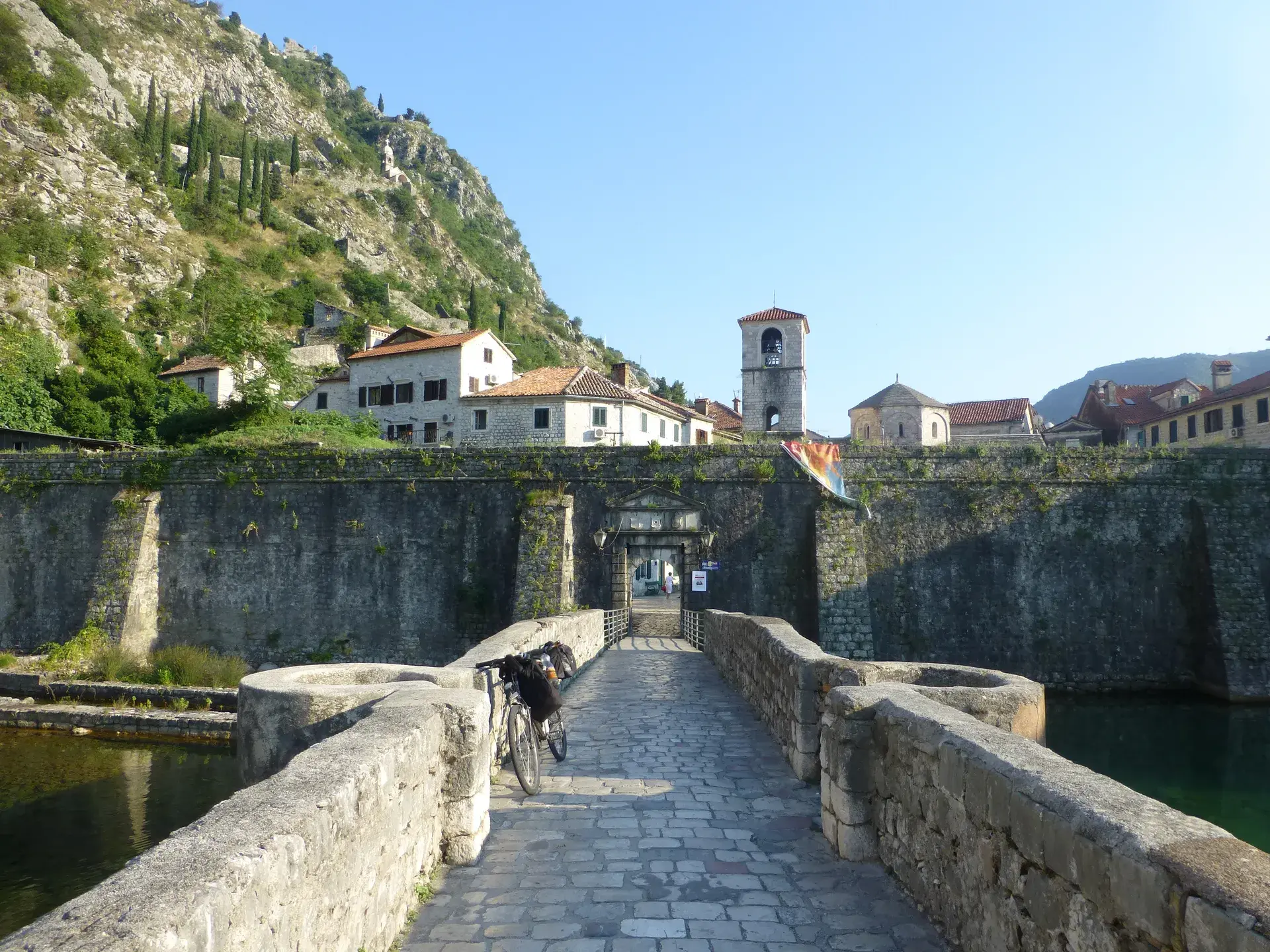
Kotor's North Gate, also known as the River Gate, stands as a testament to the city's resilience and strategic ingenuity. Paired with the Škurda River that flows beneath it, this historic entrance offers a unique glimpse into Kotor's past defenses and its modern identity. The very river that once served as a life-giving moat has transformed into a destination for thrilling canyoning adventures.
A Monument to Victory
Constructed in 1540 in the Renaissance style, the North Gate was built as a direct response to a significant historical event. It commemorates the city's successful defense against a siege by the Ottoman fleet, led by the formidable admiral Hayreddin Barbarossa, on August 15, 1539. During this period, Kotor was under Venetian rule, and the gate's construction was part of a larger effort to fortify the city's northern flank, which also included the nearby Bembo Bastion and Kampana Tower.
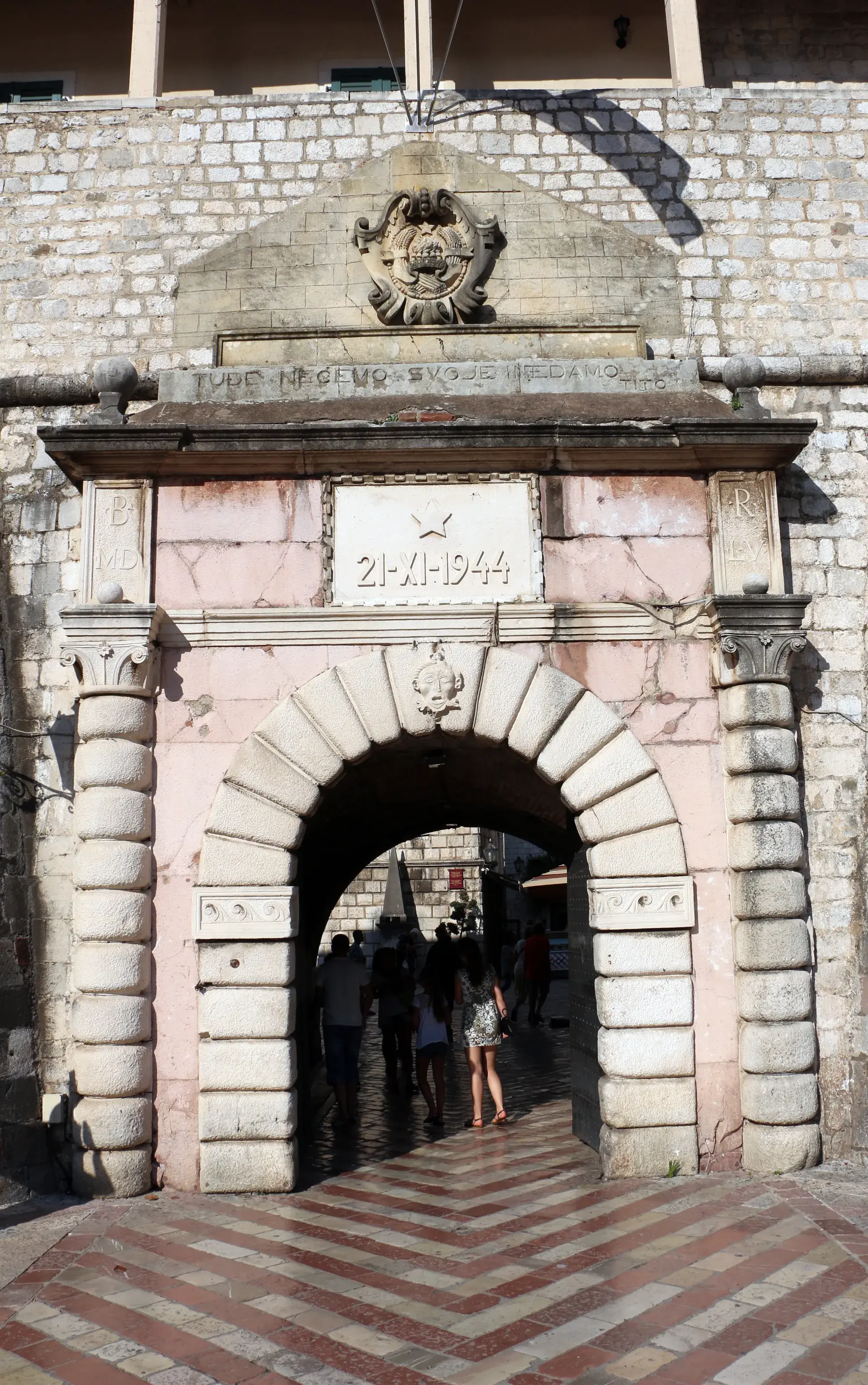
The gate's design features a stone bridge with three arches crossing the Škurda River. Above the entrance, a Renaissance-inspired pediment displays an imaginary fortress and the winged lion of Saint Mark, a symbol of Venetian power. Two Latin inscriptions on metopes serve as a permanent record of the victory over the Ottoman forces.
The Strategic Škurda River
The Škurda River has been integral to Kotor's existence for centuries. Originating from Mount Lovćen, this 'submerged river' provided a crucial supply of fresh water and formed a natural defensive moat around the northern side of the Old Town. This natural barrier was a key element in Kotor's extensive and layered fortification system, which is now a UNESCO World Heritage Site.
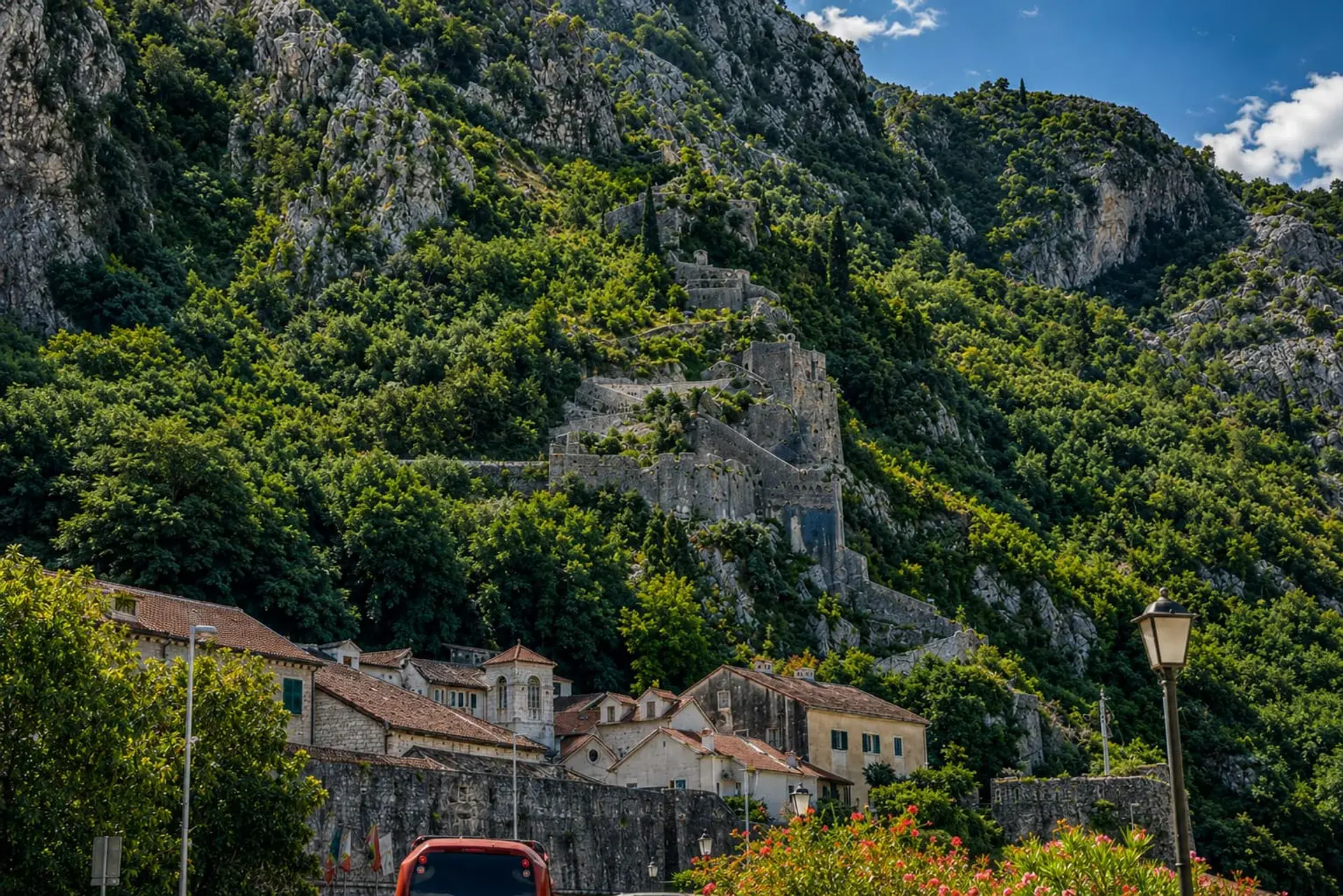
The city's location, protected by the formidable mountains and the river, was vital for its survival through numerous invasions, particularly during the long period of Venetian rule when its defenses were significantly enhanced. The clear waters of the river by the gate still flow today, a tranquil reminder of its vital historical role.
The Gate and River Today
Currently, the North Gate serves as one of three historic entrances to Kotor's Old Town. It is often a quieter, more serene alternative to the bustling main Sea Gate, providing picturesque views of the city walls, the river, and the surrounding mountains. The area is also a popular starting point for the hike up the city walls to the San Giovanni fortress.
The Škurda River has found a new purpose in modern times. While it remains a peaceful stream near the city walls, its upper canyon transforms into a rugged playground for adventure sports. After heavy rains, the canyon becomes an active watercourse, attracting thrill-seekers for canyoning, which involves rappelling down waterfalls, jumping into pools, and sliding down natural chutes. During dry summer months, this dramatic limestone canyon can be completely without water.
FAQ
Why was the North Gate of Kotor built?
The North Gate was built in 1540 to commemorate Kotor's successful defense against an attack by the Ottoman admiral Hayreddin Barbarossa in 1539 and to strengthen the city's northern fortifications.
What is the Škurda River known for today?
While it historically served as Kotor's natural moat, the upper reaches of the Škurda River are now a popular destination for canyoning and other outdoor adventure sports, featuring waterfalls and natural pools after rainfall.
Is the North Gate the main entrance to Kotor's Old Town?
No, it is one of three historic entrances but is generally less frequented than the main Sea Gate, offering a quieter entry point into the UNESCO-listed Old Town.