Kotor's Square of Arms & Clock Tower: A Historic Guide
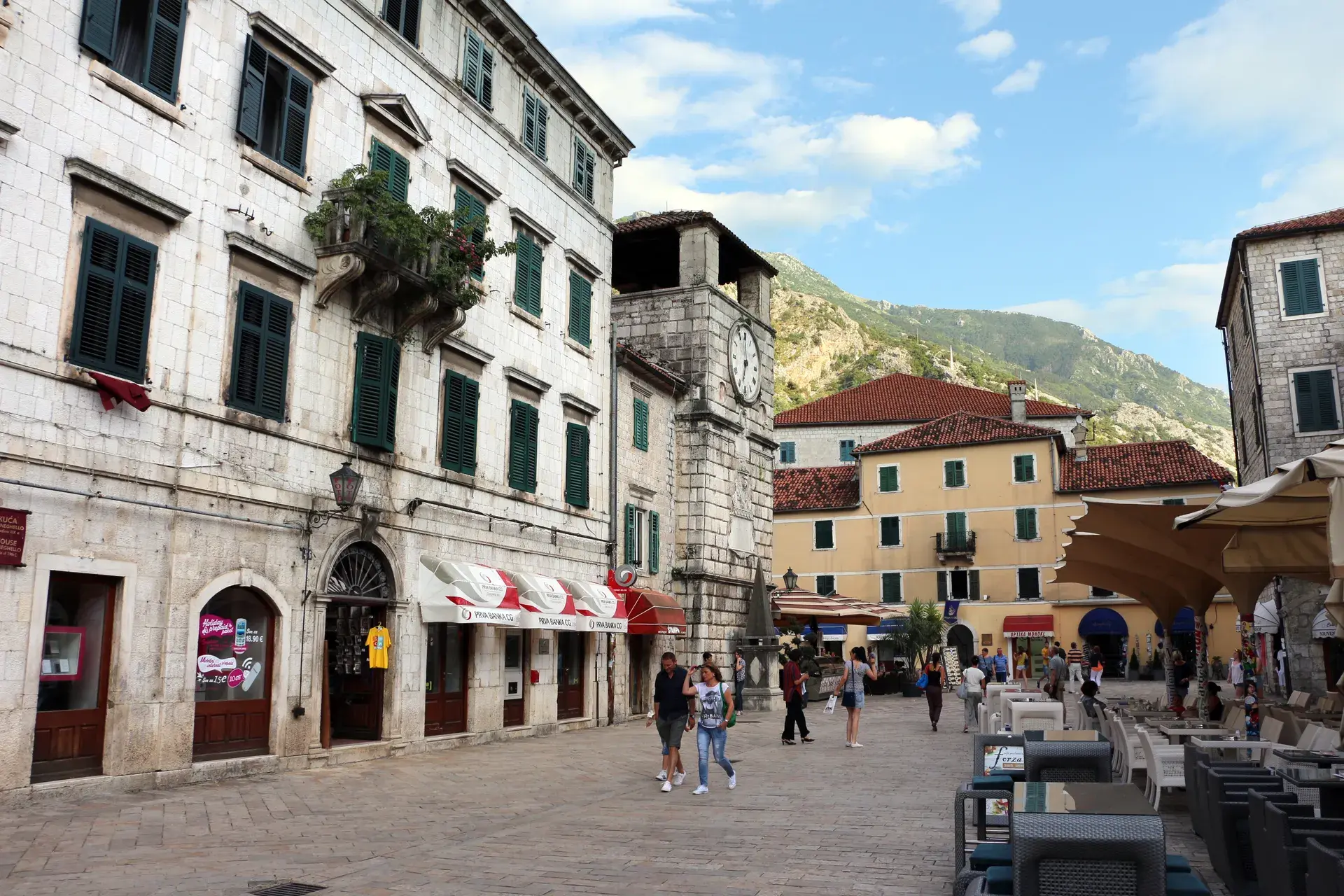
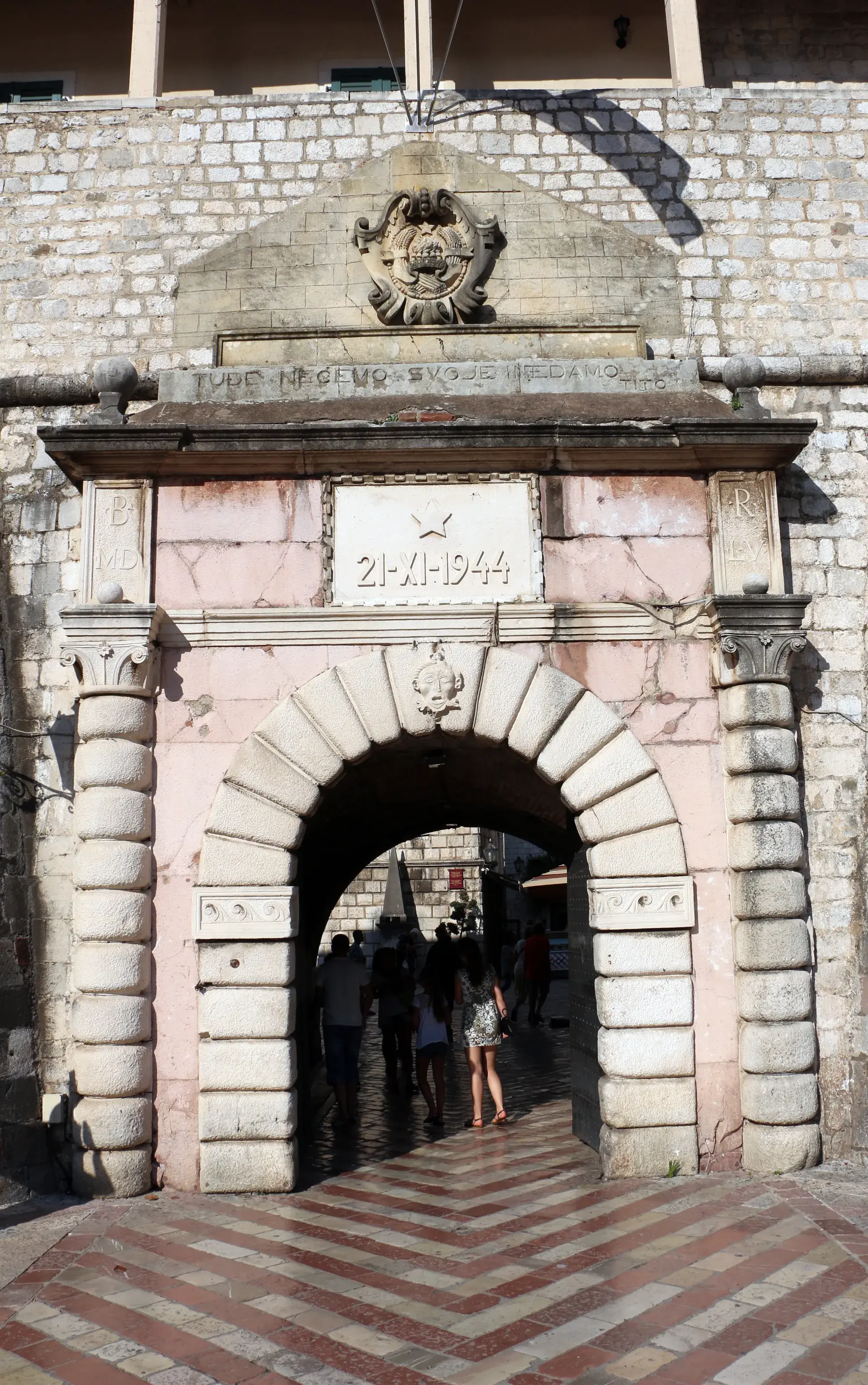
Situated just inside the Sea Gate, the Square of Arms (Trg od Oružja) is the largest and most prominent public space in Kotor's Old Town. This historic square, part of a UNESCO World Heritage site, is dominated by its freestanding Clock Tower and serves as the primary social and civic hub of the ancient city.
Venetian Military Origins
Under Venetian rule, which lasted from 1420 to 1797, the square earned its name as the logistical core of Kotor's defenses. It functioned as an arsenal for storing munitions and a place for mustering soldiers. The city's successful defense against the pirate Hajrudin Barbarossa in 1539 was centered on this area. Later, during the French occupation, the old arsenal building was repurposed into a civic space for cultural events.
The Landmark Clock Tower
Constructed in 1602 during the Venetian period, the Clock Tower stands approximately 16 meters tall. Built from local limestone, it features a clock face on each of its four sides and showcases a blend of Baroque and Gothic architectural elements. The tower was integral to daily life, regulating urban activities and using its chimes to guide sailors navigating the bay. At its base stands a reconstructed medieval 'Pillar of Shame,' a pillory once used for public punishments.
A History of Resilience
Both the square and its tower have demonstrated remarkable resilience, surviving devastating earthquakes in 1667 and 1979. After the 1667 quake, the Clock Tower was observed to lean towards the sea. In a surprising turn of events, the major earthquake of 1979 caused the tower to shift its lean back to its original, more upright position.
The Heart of Modern Kotor
The Square of Arms has transitioned from a military center to the vibrant heart of contemporary life in the Old Town. It is a popular meeting point for residents and visitors, lined with cafes, shops, banks, and bakeries. The square hosts numerous cultural events and celebrations throughout the year, including the conclusion of the 500-year-old Kotor Winter Carnival, which culminates in the ceremonial burning of an effigy. The smooth limestone paving, worn by centuries of foot traffic, can be brightly reflective in the sun and slick when wet.
FAQ
Why is it called the Square of Arms?
Its name, Trg od Oružja, dates to the Venetian era when the square was used as a place to store weapons and munitions and to assemble soldiers for the city's defense.
Can you go inside the Kotor Clock Tower?
No, the interior of the Clock Tower is not currently available for the public to climb. However, its exterior is a prominent and freely accessible landmark in the square.
What is the Pillar of Shame in front of the Clock Tower?
The structure at the base of the Clock Tower is a reconstructed medieval 'Pillar of Shame,' or public pillory, which was historically used to carry out public punishments.
What is unique about the Clock Tower's history with earthquakes?
The Clock Tower began to lean after a major earthquake in 1667. Remarkably, a subsequent earthquake in 1979 caused the tower to shift back to its original, more vertical position.