Balšić Tower Art Gallery in Ulcinj Citadel
An Architectural Anchor in Ulcinj's Citadel
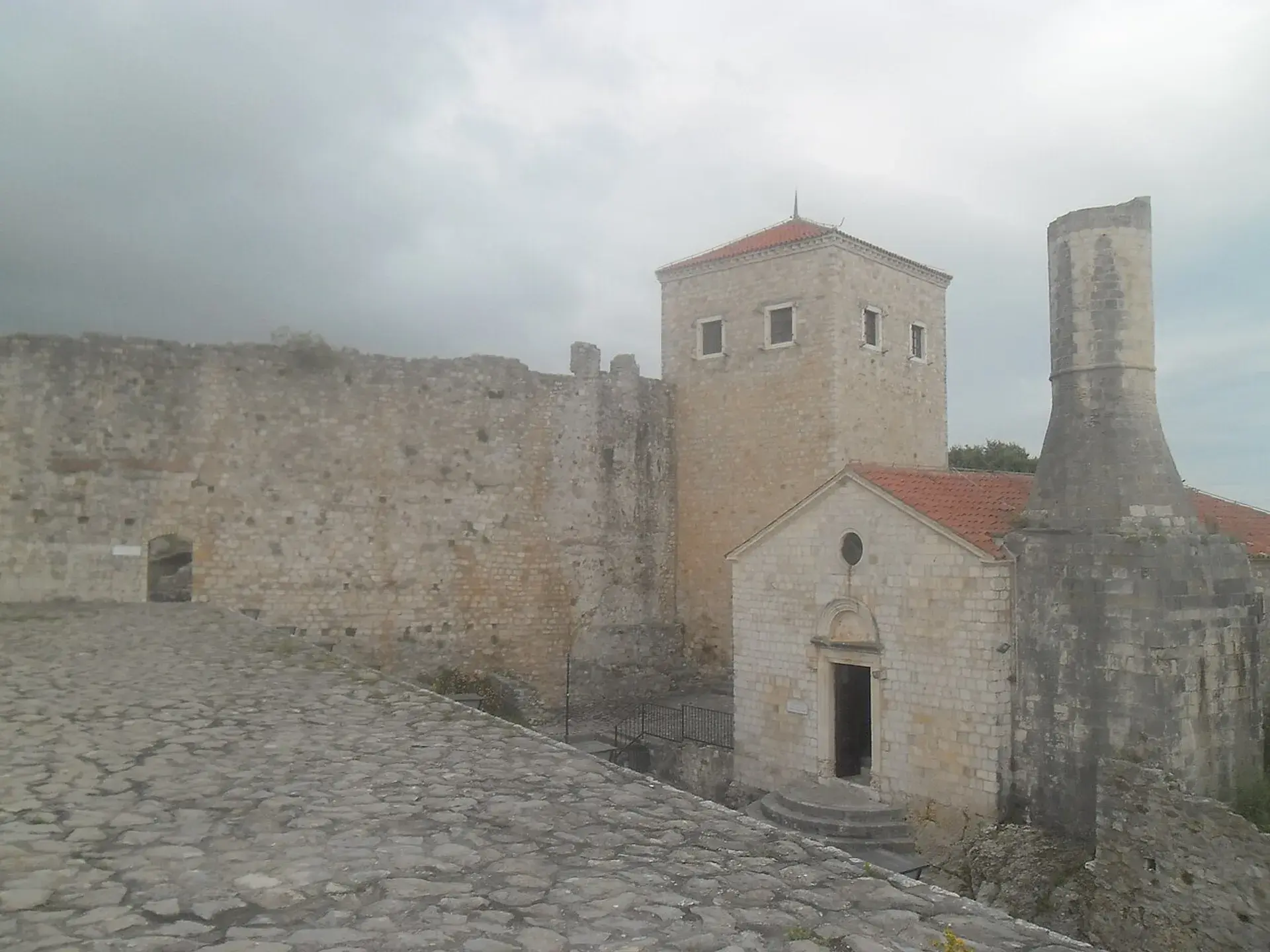
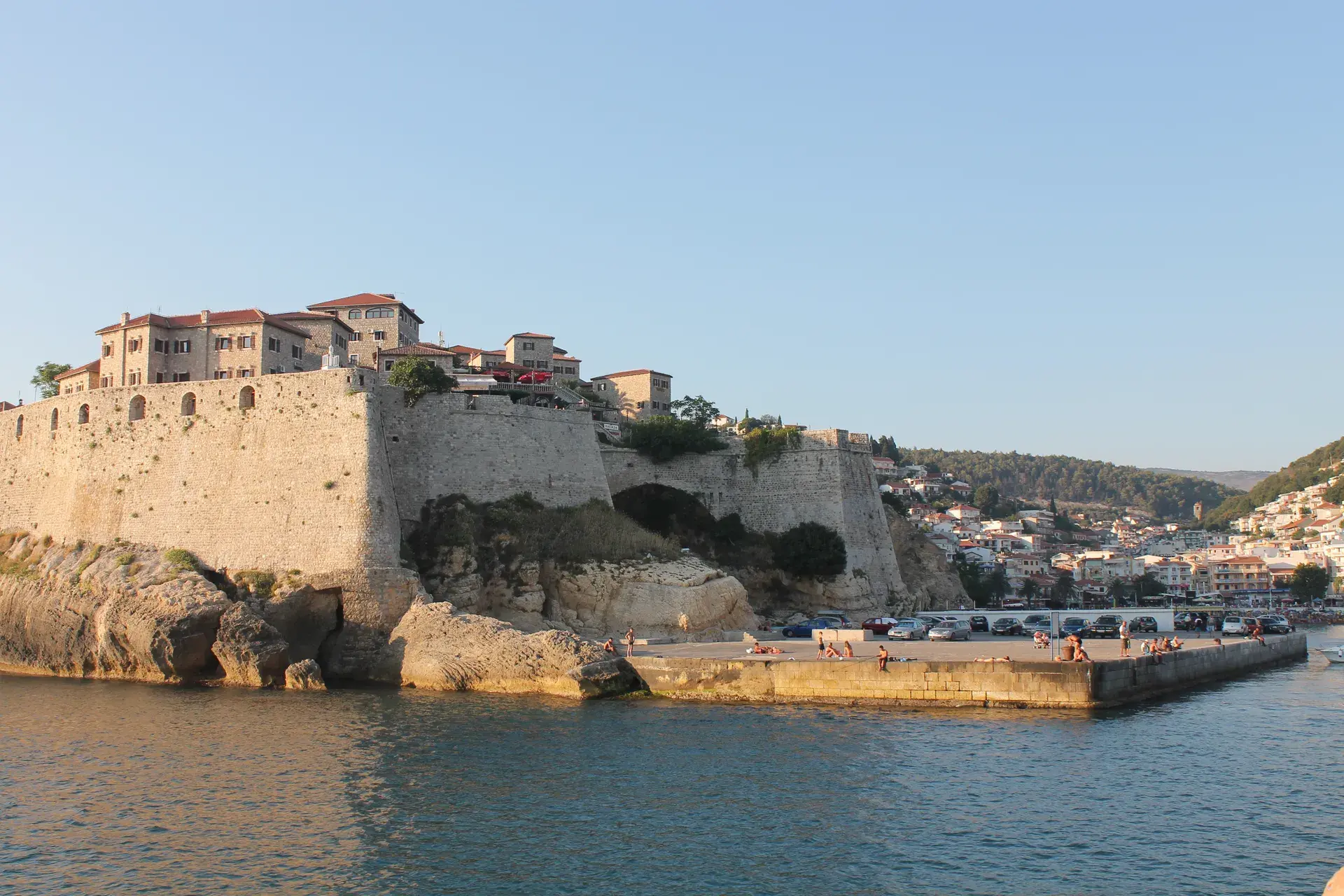
Balšić Tower (Kula Balšića) occupies the highest point of the Citadel in the walled Old Town of Ulcinj, Montenegro. Surrounded on three sides by the Adriatic Sea, the stone structure stands directly above the historic Slave Square and the Venetian administrative quarter. Originally erected as a fortified residence, the building now functions as a public art gallery and cultural venue within the Upper Town museum cluster.
Medieval Origins and Ottoman Additions
The tower was constructed between the late 14th and early 15th centuries under the Balšić dynasty, who ruled Zeta from 1360 to 1421. The family established Ulcinj as a seat of power, fortifying the citadel and building the tower as a two-storey defensive stronghold.
Following the Balšić period, Venice governed the town from 1421 to 1571 as part of Albania Veneta, strengthening the surrounding curtain walls and bastions around the structure. After Ottoman forces captured Ulcinj in 1571, builders added a third storey to serve military observation and administrative purposes, while installing a spherical domed vault on the ground floor. This vertical layering preserves late medieval, Venetian, and Ottoman structural features in a single monument.
Gallery Spaces and Cultural Venue
Today, the interior of Balšić Tower operates as an exhibition space and literary venue. The ground level’s spherical dome and thick stone masonry create a quiet, echo-rich interior that contrasts with the offshore winds buffeting the exterior upper apertures.
The venue hosts temporary art exhibits, book launches, and seasonal cultural gatherings, including the annual summer event known as Poets' Nights. It forms an integral component of the archaeological plateau and citadel museum complex overlooking the sea.
The Legacy of Sabbatai Zevi
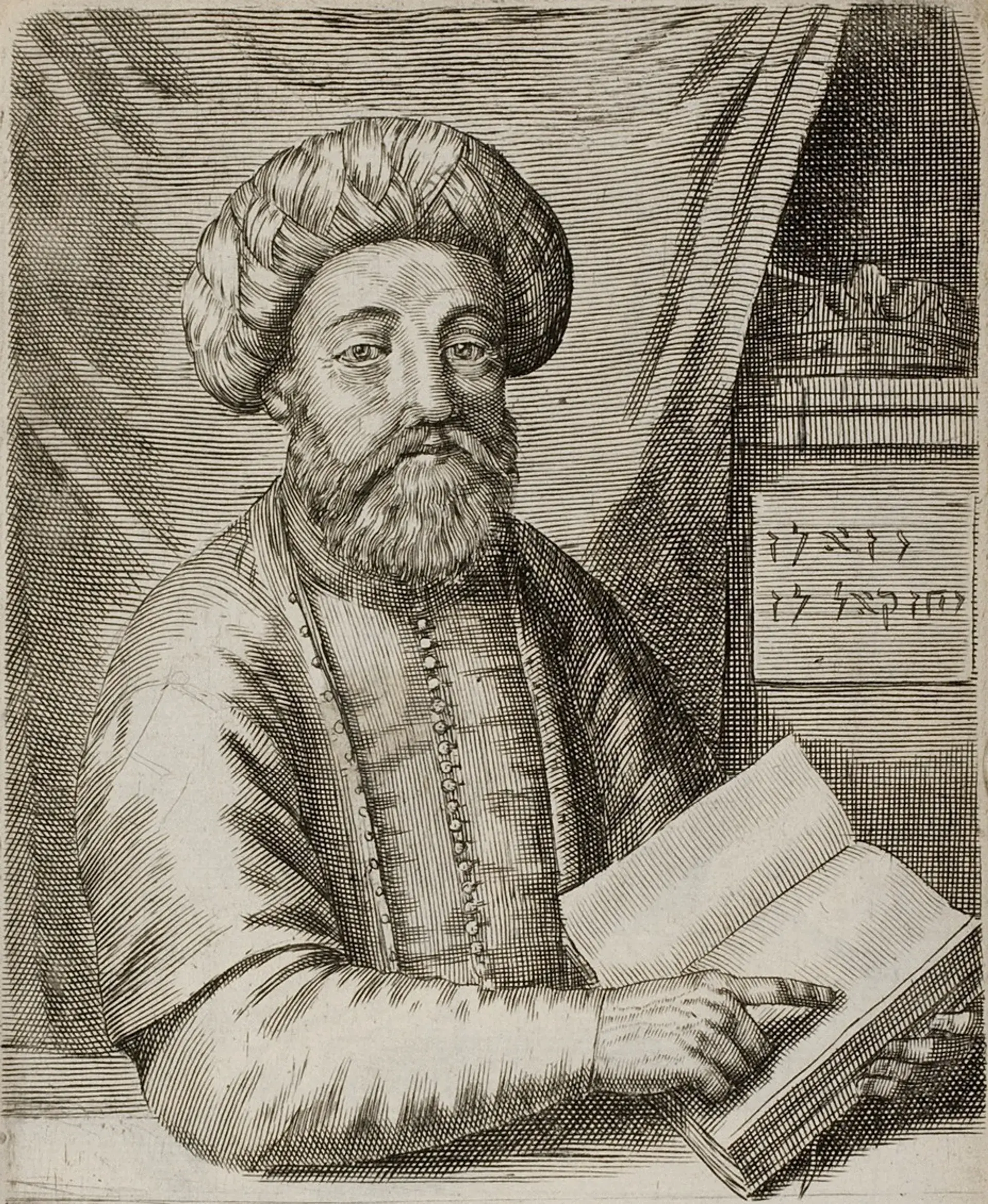
The tower complex is historically tied to Sabbatai Zevi, the 17th-century Jewish mystic whose messianic movement spread across the Mediterranean. Following his conversion to Islam in 1666, Ottoman authorities banished him to Ulcinj. He spent his final years in isolation in or beside the citadel until his death in 1676.
Local oral traditions link two carved six-pointed stars on the citadel walls to Zevi’s period of exile, though the carver and precise date remain historically contested. Local lore also debates whether his final resting place lies in the immediate vicinity of the tower or at an Ottoman-era shrine outside the fortress walls.
FAQ
What is the history of Balšić Tower?
Balšić Tower was built between the late 14th and early 15th centuries by the Balšić dynasty as a two-storey defensive residence. During Ottoman rule in the late 16th century, builders added a third storey and a spherical domed ground floor.
What is Balšić Tower used for today?
The interior of the tower operates as an art gallery and cultural venue, hosting temporary art exhibitions, literary presentations, and summer events such as the annual Poets' Nights.
What is Sabbatai Zevi's connection to the tower?
Sabbatai Zevi, a 17th-century Jewish mystic, was banished to Ulcinj after his conversion to Islam in 1666. He lived out his final years in isolation in or beside the citadel until his death in 1676.