Old Town of Ulcinj: Historic Fortress Walls
Layered Masonry and Cyclopean Foundations
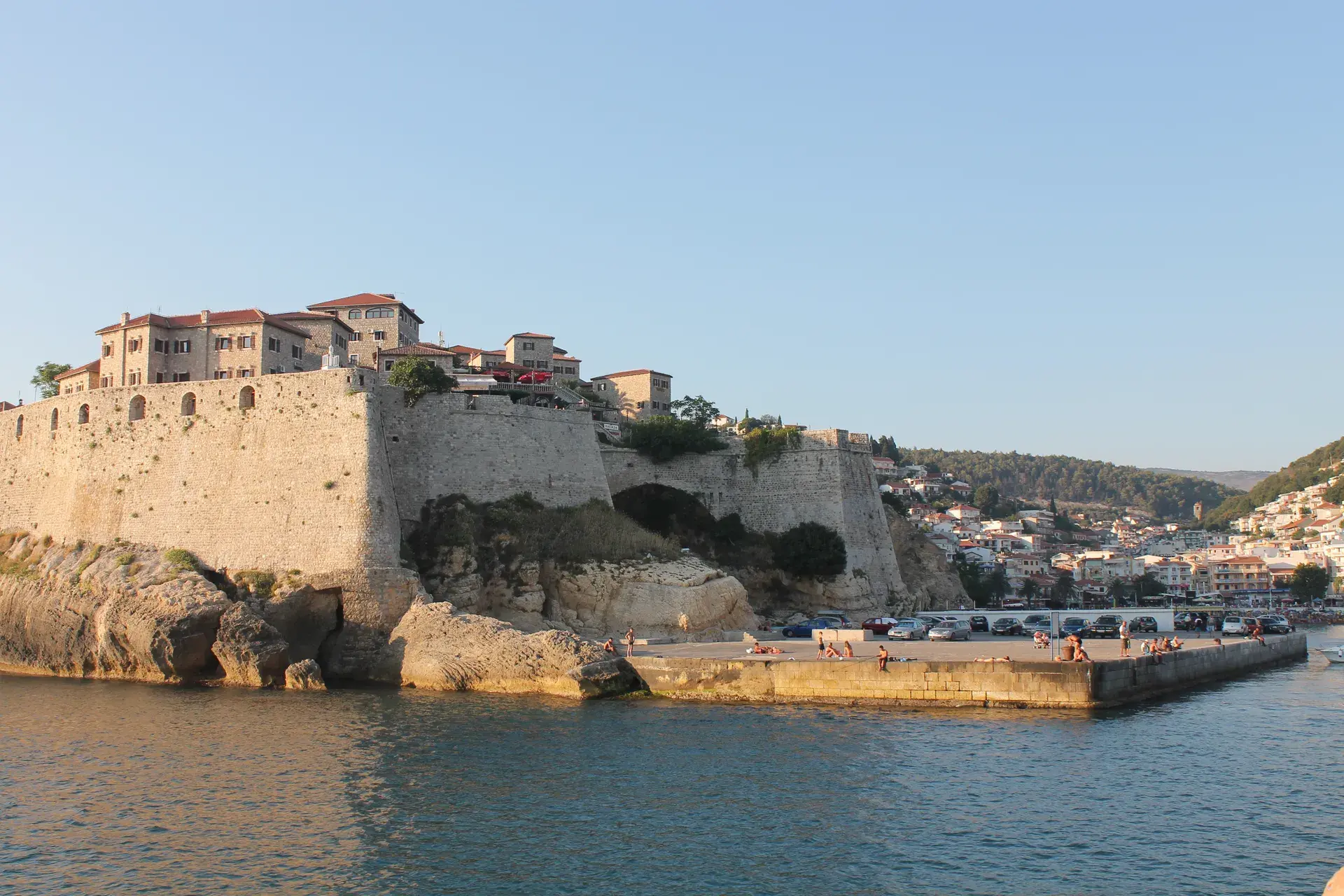
Ulcinj's Old Town, known locally as Kalaja or Stari Grad, sits on a high, rocky peninsula jutting into the Adriatic Sea above the Pristan and Mala Plaža gulf. Covering roughly three hectares, the fortified settlement is encircled by defensive stone walls that preserve 2,500 years of Mediterranean military architecture.
The defining characteristic of these ramparts is their stacked, multi-period masonry. The lowest levels feature massive dry-stone megalithic foundation blocks, often referred to as Cyclopean masonry. Placed without mortar by early builders, these rough-hewn stones directly support subsequent courses of Roman, Byzantine, medieval, Venetian ashlar, and Ottoman repairs.
Two Millennia of Defensive History
The earliest fortifications were constructed in the 5th and 4th centuries BCE by Illyrian Olchiniatas and Greek builders. Rome conquered the settlement in the 2nd century BCE, recording it as Olcinium. Later serving as a Byzantine maritime strongpoint, the fortress underwent systematic gate and wall renovations around the 6th century CE.
Between approximately 1360 and 1421, the Balšić noble dynasty made Ulcinj their primary seat, expanding the upper citadel and erecting the main donjon tower. Venice controlled the fortress from 1405 until 1571 as part of Albania Veneta, modernizing the defenses with regular limestone ashlar and artillery bastions designed to withstand firearms.
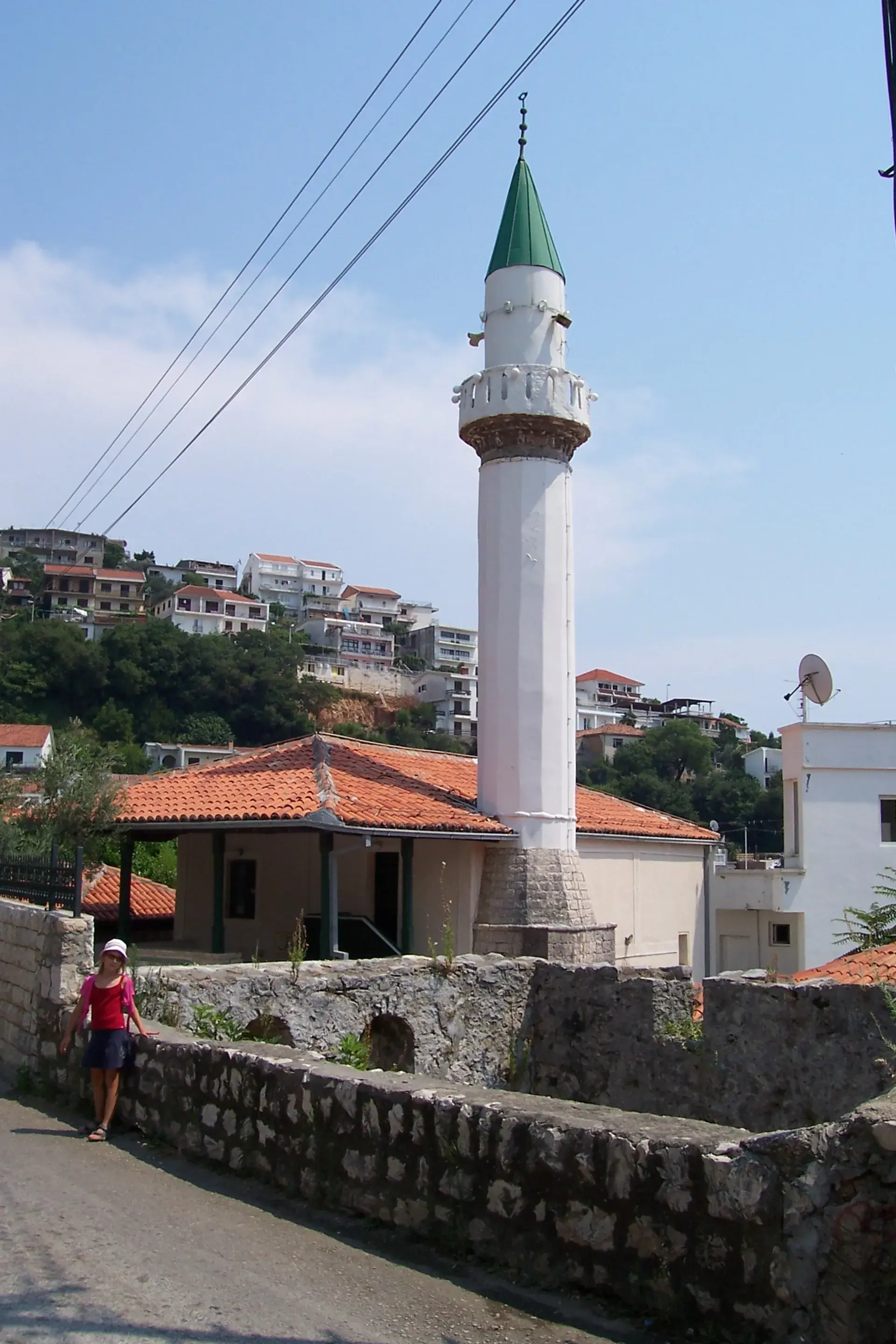
Ottoman forces seized the complex in 1571, utilizing it as an armed naval outpost and corsair base. Under Ottoman rule, domestic structures were built within the walls, damaged sectors were reinforced, and an upper floor with a dome was added to the Balšić Tower. On April 15, 1979, a 6.9-magnitude earthquake severely damaged the walls, prompting extensive reconstruction and archaeological study.
Defensive Architecture and Unique Details
The fortified circuit retains two ancient entry points originally dating to around the 6th century: the Upper land gate facing the mainland and the Lower sea gate leading to the harbor. The perimeter also incorporates corner bastions, artillery embankments, and sheer curtain walls that drop directly into the sea. The curving peninsula and sheer cliffside drop give the fortification the distinct visual profile of a massive stone ship run aground.
Distinct structural signatures appear along the circuit. On the northeastern Bolani Wall near Slave Square, the Venetian captain and rector Johani Bolani (1452–1456) had his name inscribed directly between limestone wall blocks using inset red bricks. In addition, local tradition claims that a relief of Bindus, an ancient Illyrian water and spring deity, was once chiseled into the original megalithic wall stones, though its physical existence remains unverified by archaeological research.
Current Use
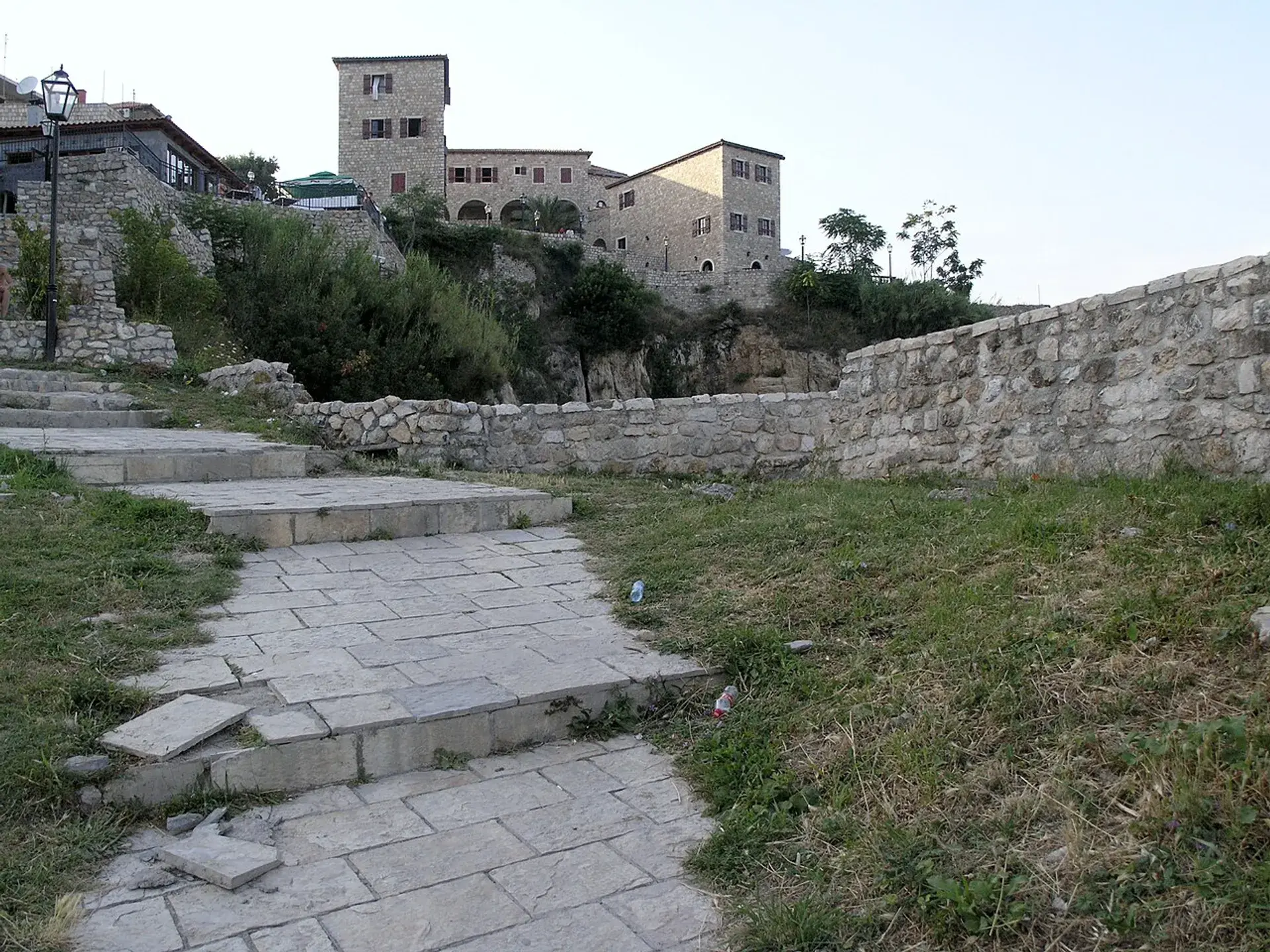
Unlike many Mediterranean fortifications preserved exclusively as uninhabited ruins, the interior of the Old Town walls remains an active residential quarter. Private stone houses, boutique lodgings, and restaurants operate along its historic lanes.
The wall perimeter and historic gates are freely accessible on foot. At the highest point of the complex, the Citadel, the Balšić Tower, and the Museum of Ulcinj—housed in a former Church-Mosque complex—host seasonal exhibitions, literary events, and historical displays.
FAQ
How old are the Old Town walls of Ulcinj?
The earliest sections date back approximately 2,500 years to the 5th and 4th centuries BCE, when Illyrian Olchiniatas and Greek builders constructed dry-stone Cyclopean foundations.
What is the Bolani Wall?
The Bolani Wall is a section of the northeastern ramparts near Slave Square where Venetian captain and rector Johani Bolani had his name spelled out using red bricks inset between limestone blocks in the 1450s.
What cultural venues are located within the Citadel?
The Citadel area includes the Balšić Tower and the Museum of Ulcinj, which is located in a former Church-Mosque complex and hosts seasonal exhibitions, historical displays, and literary events.