Shabbetai Zvi in Ulcinj: The Messiah in Exile
The Adriatic Exile of Shabbetai Zvi
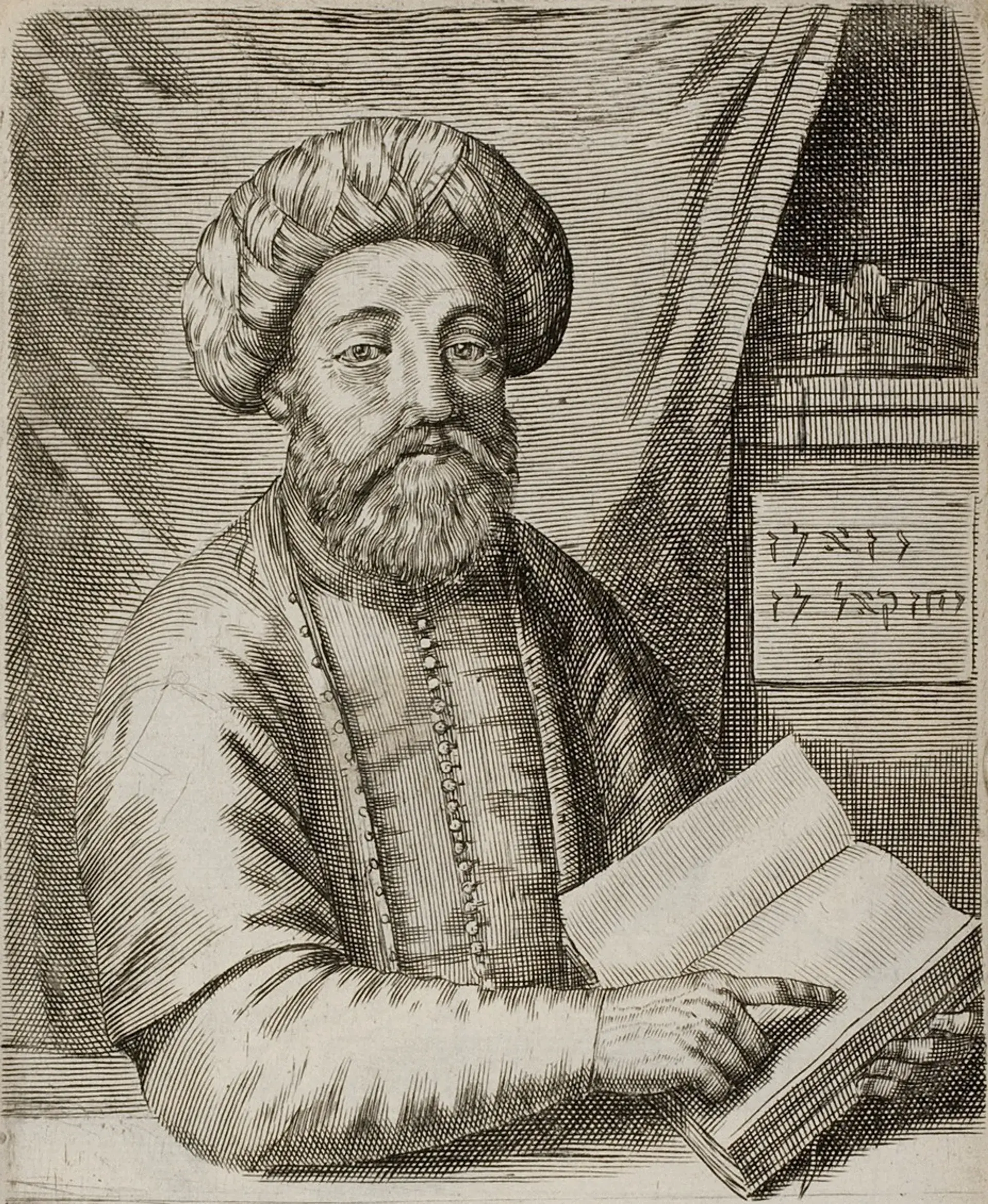
Shabbetai Zvi was a 17th-century Kabbalistic mystic born in Smyrna who captured the attention of the Mediterranean world when he declared himself the Jewish Messiah in 1665. The announcement triggered a widespread religious awakening across Jewish communities throughout Europe, North Africa, and the Levant. However, after being arrested by Ottoman authorities and facing execution by Sultan Mehmed IV in 1666, Zvi converted to Islam and took the name Aziz Mehmed Efendi. While many followers fell away, others formed the Dönmeh, a crypto-Jewish community that preserved secret Sabbatean traditions beneath public Islamic devotion.
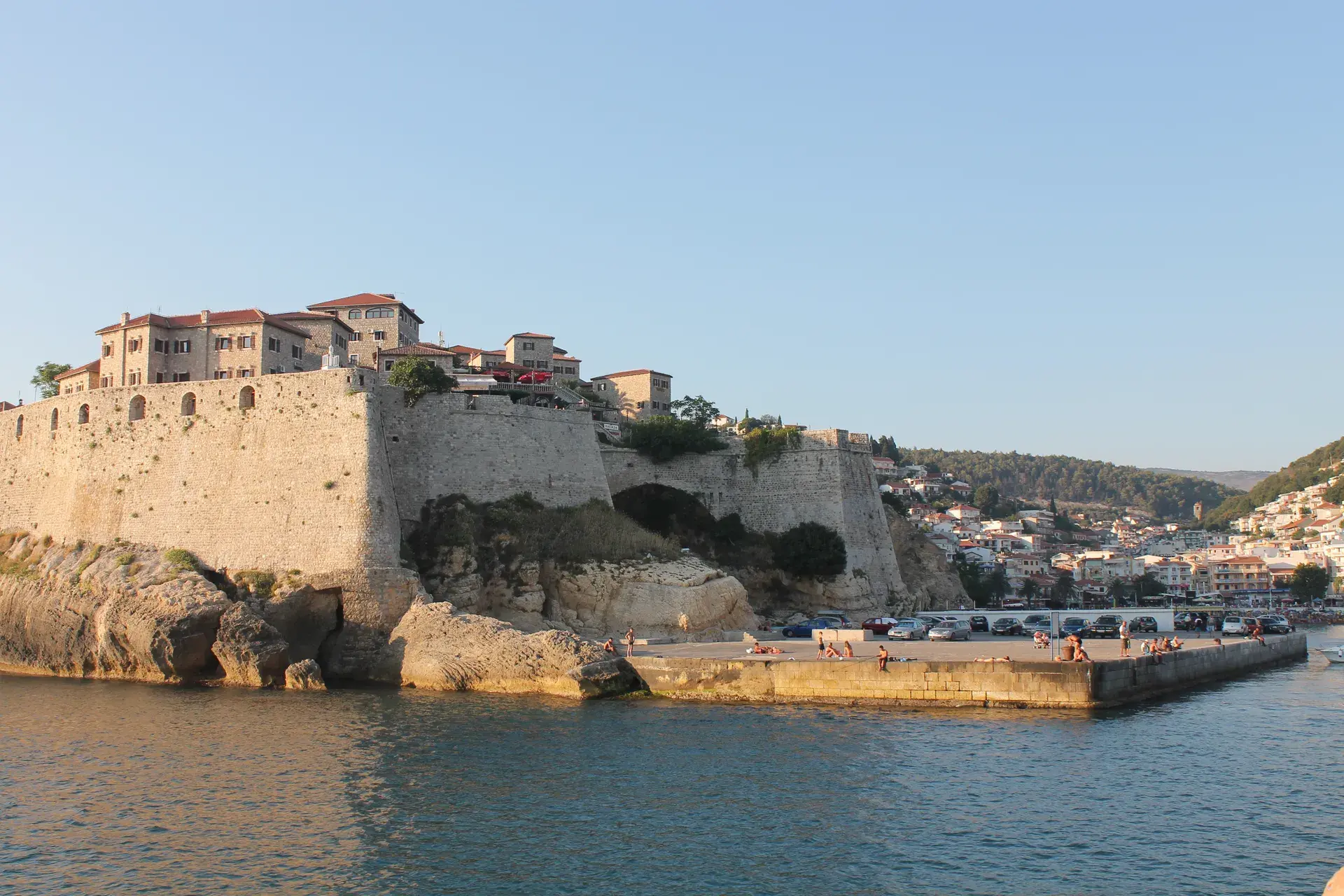
In 1673, accusations arose that Zvi was secretly singing psalms and practicing Jewish rituals. Consequently, Ottoman authorities banished him to the remote Adriatic garrison town of Ulcinj, known then as Dulcigno. Confining an imperial dissident within this fortified settlement allowed the Ottoman administration to isolate a complex political and theological figure on a distant frontier.
Life Inside the Balšić Tower
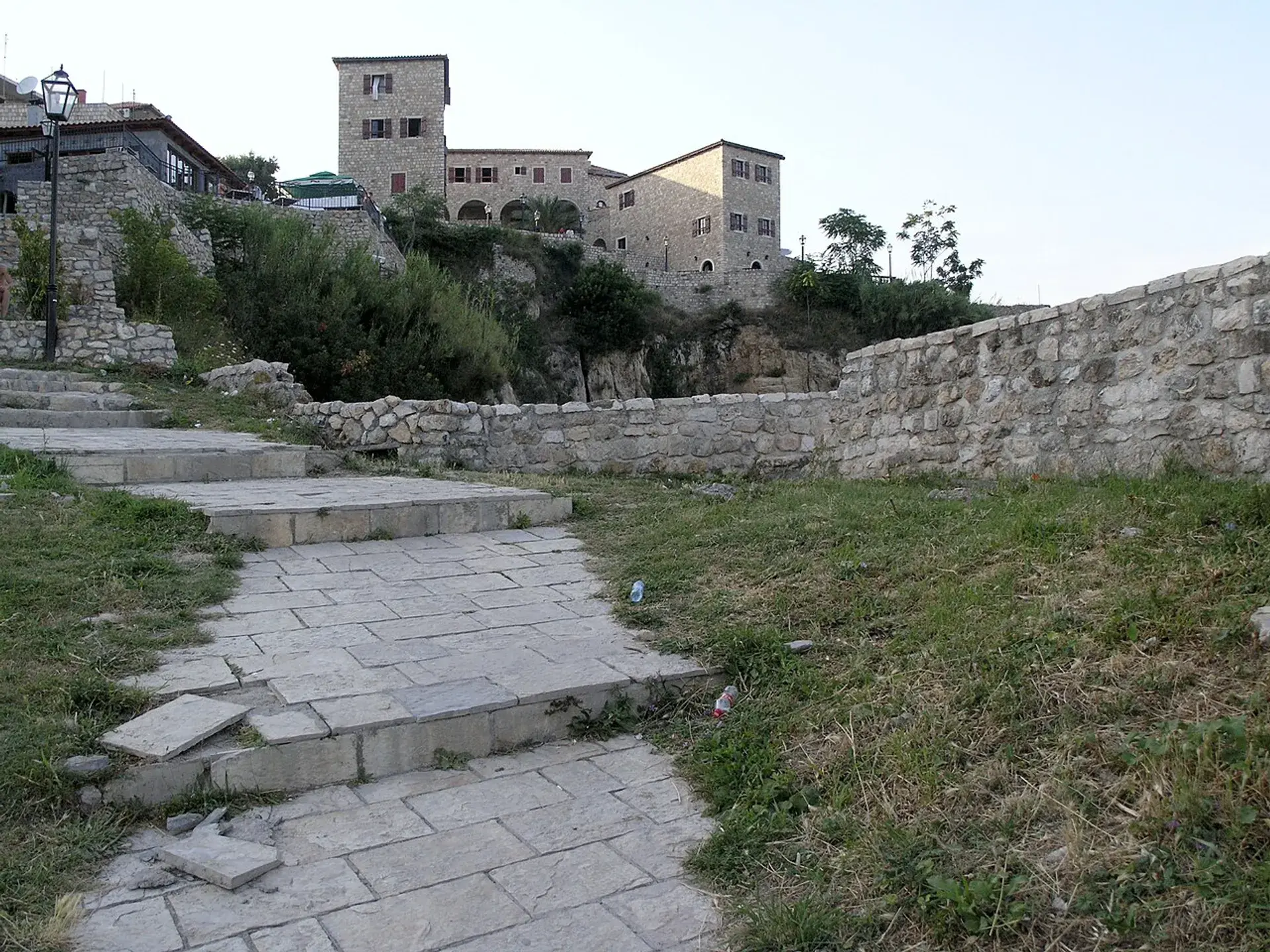
Upon his arrival in Ulcinj, Zvi was quartered on the third floor of the Balšić Tower, an upper level added during Ottoman rule to the medieval citadel stronghold. Overseen by the fortress commander, Zvi received an imperial stipend along with significant freedom inside the citadel walls. He spent his years in exile reading Kabbalistic texts, engaging in correspondence, and contemplating his surroundings.
Rather than viewing his confinement as defeat, Zvi adopted a mystical interpretation of his exile. Drawing upon the Ottoman name for the town, Ylgyn, he linked it to the biblical phrase Melekh Alkum in Proverbs 30:31, which refers to a king against whom there is no rising up. He renamed the town Alkum and presented himself as a sovereign residing within his destined realm. Within the stone masonry of the Balšić Tower, two six-pointed stars remain carved into the walls, a feature traditionally attributed to his stay.
Memorials and Sites of Memory in Ulcinj
Shabbetai Zvi died in September 1676, traditionally believed to be on Yom Kippur, at approximately 50 years of age. Today, several landmarks in Ulcinj preserve memories of his final years. A modern bronze commemorative statue dedicated to Shabbetai Zvi stands on the grounds of the nearby Hotel Palata Venezia within the historic quarter.
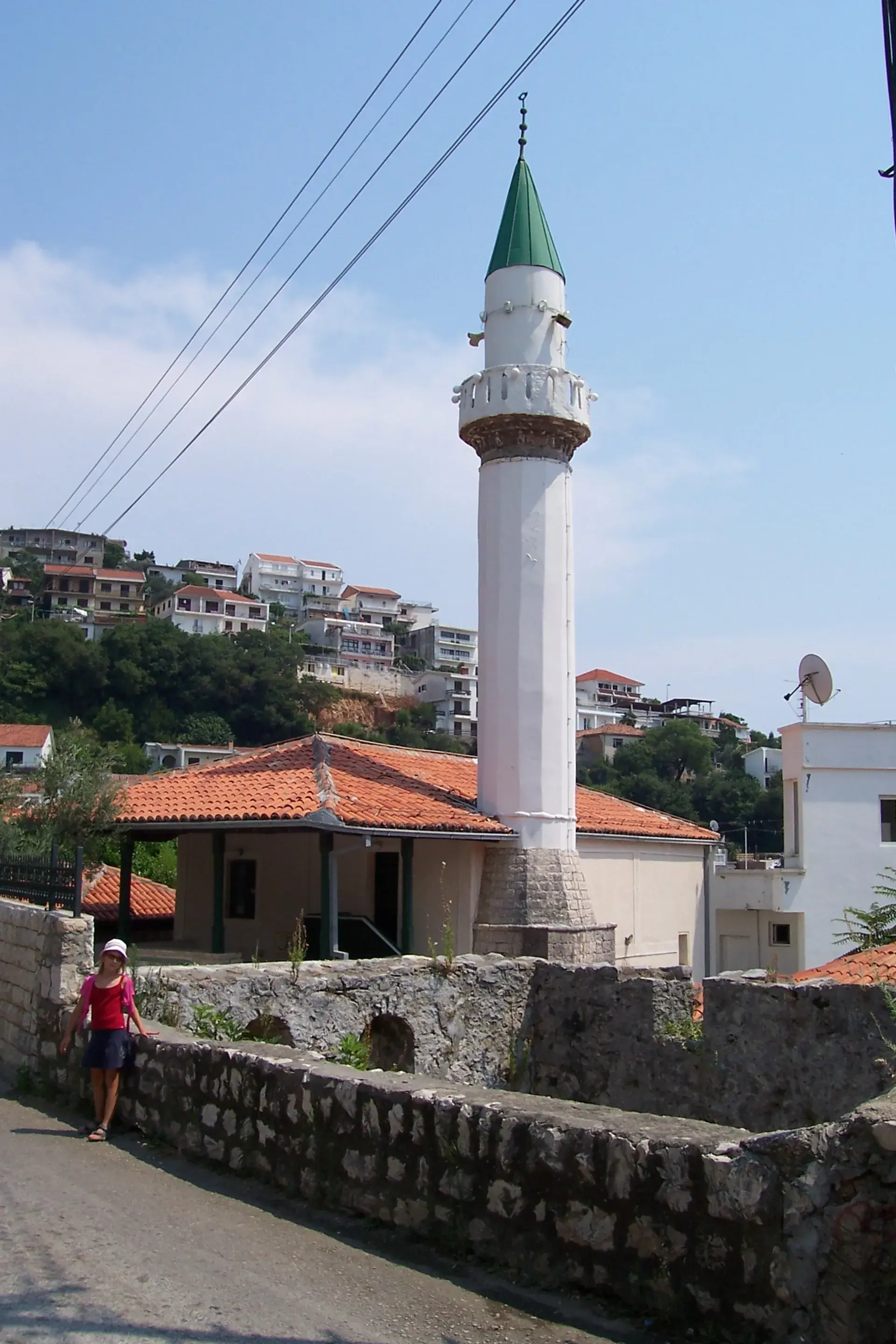
The Balšić Tower itself serves as an art gallery and exhibition hall within the Ulcinj Old Town Museum complex, welcoming visitors during museum hours. Meanwhile, Zvi’s final resting place remains historically unconfirmed. One tradition points to an unmarked site by the sea walls, while another links him to a small, domed mausoleum, or turbe, situated in the courtyard of the local Mani family. This private site is visible only through a barred window from the boundary with family permission.
Enduring Lore and Pilgrimage
Following Zvi’s death, members of the Dönmeh community traveled regularly on pilgrimages from Salonica to Ulcinj to honor his memory, maintaining the journey into the early 20th century. Local folklore also preserved tales surrounding his final hours. According to local oral tradition, a boy fell from a fig tree and died on the day of Zvi's death. Zvi reportedly prayed for God to spare the child's life in exchange for his own, leading to the child's revival at the moment Zvi collapsed.
FAQ
Why was Shabbetai Zvi banished to Ulcinj?
After converting to Islam under Sultan Mehmed IV, Shabbetai Zvi was accused in 1673 of secretly practicing Judaism and singing psalms. Ottoman authorities exiled him to the fortress town of Ulcinj to isolate him from major religious and political centers.
Where is the commemorative statue of Shabbetai Zvi located?
A modern bronze commemorative statue of Shabbetai Zvi stands on the grounds of the Hotel Palata Venezia, near the historic ramparts of Ulcinj's Old Town.
Can the Balšić Tower and the traditional tomb be visited?
The Balšić Tower is open as an art gallery and exhibition space within the Ulcinj Old Town Museum complex during museum hours. The traditional tomb site, a domed turbe, sits on private property belonging to the Mani family and can only be viewed through a barred window with permission.