Pasha’s Mosque, Ulcinj: History & Architecture
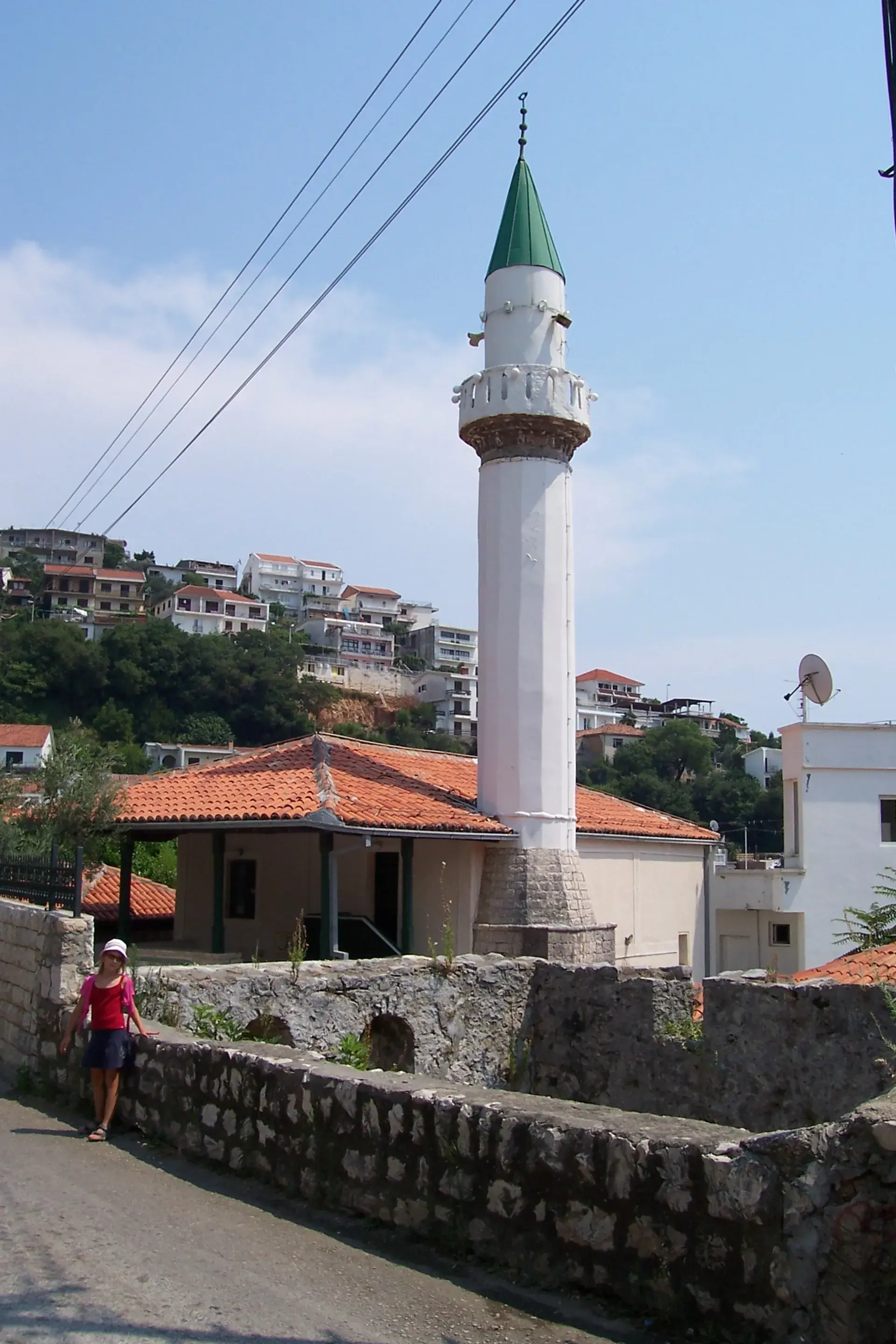
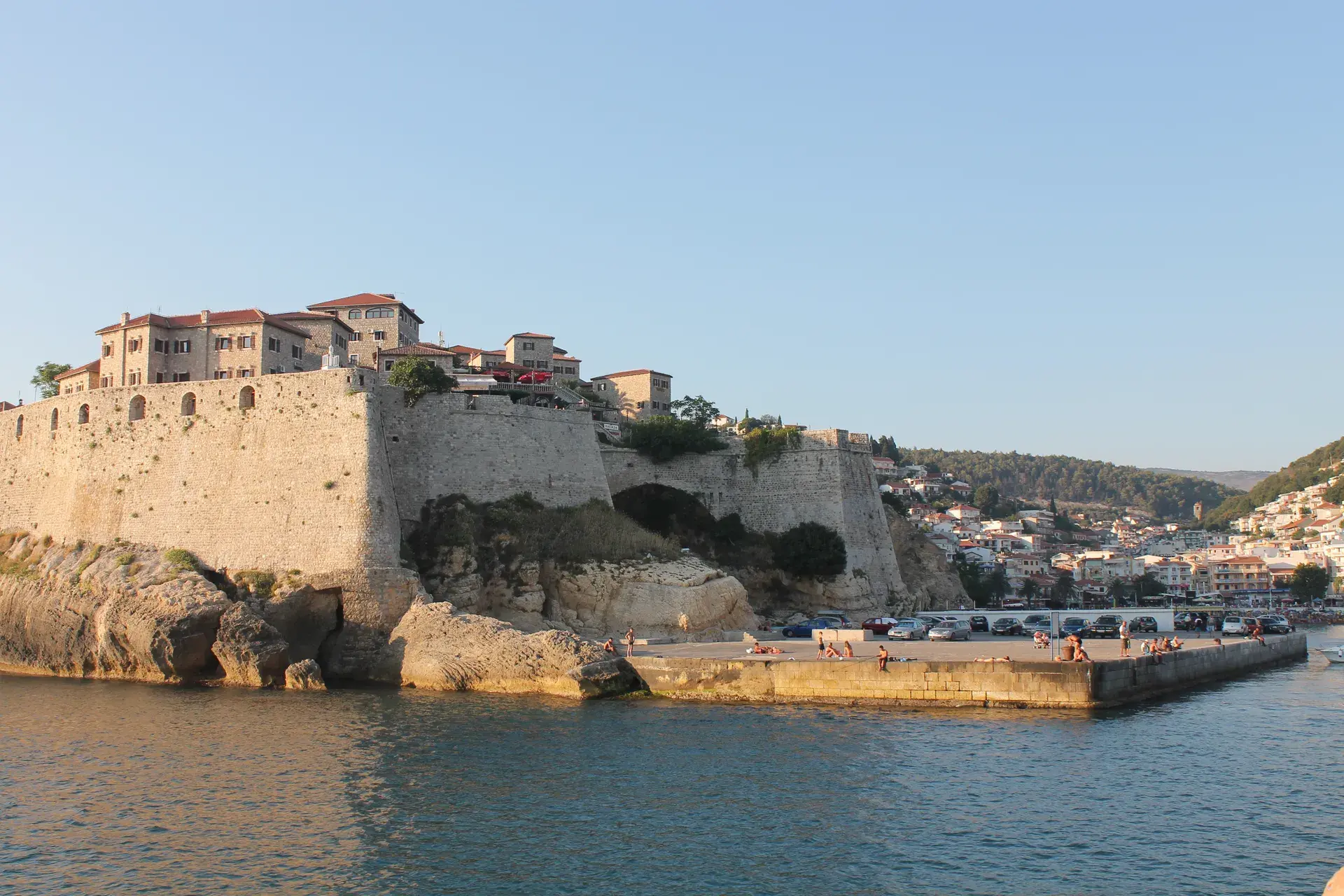
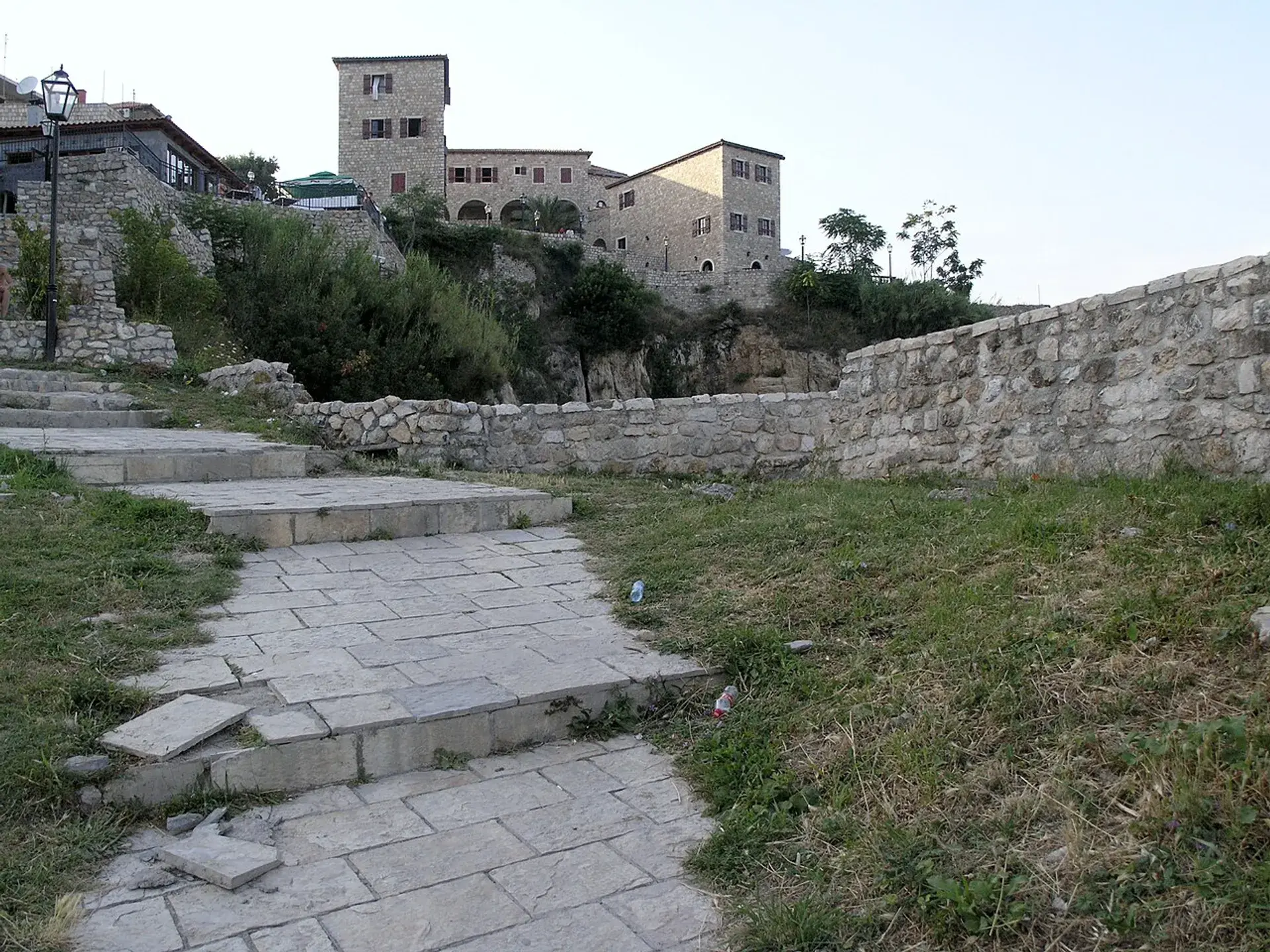
Pasha’s Mosque (Montenegrin: Pašina džamija; Albanian: Xhamia e Pashës) stands in the Rana (Pristan) neighborhood at the base of the Old Town promontory in Ulcinj. Completed in 1719, the site serves as an architectural hinge between the flat seaside promenade near the Small Beach (Mala Plaža) and the steep ascent leading to the medieval Citadel (Kalaja). Built in the coastal Ottoman stone tradition, the complex reflects a pivotal era marked by maritime clashes, privateering, and regional governance.
Origins and Construction from Shipwreck Spoils
The construction of Pasha’s Mosque followed an August 1718 Venetian naval bombardment against Ulcinj. After storms grounded several attacking Venetian vessels along the rocky shoreline, local citizens gathered the wreckage to fund and build the mosque in 1719. Booty and salvaged materials from these warships were incorporated into the structure alongside local donations. A carved stone inscription preserved on the mosque wall commemorates this civic effort, reading: "Opened with good fortune and progress for the people, let it bring blessing for a long time."
Historical records present differing accounts regarding the mosque's namesake. Municipal records and local traditions often attribute the dedication to Kılıç Ali Pasha, the 16th-century Ottoman grand admiral and corsair who took Ulcinj for the Ottoman Empire in 1571. Other accounts identify the founder as an 18th-century Ottoman governor named Ali Pasha.
The Ottoman Civic-Religious Complex
Rather than an isolated prayer hall, Pasha’s Mosque forms part of a wider Ottoman civic-religious complex. The public fountain (česma) in the courtyard predates the mosque itself, dating back to the late 17th century. Decades after the mosque was completed, around 1743, the Ottoman Pasha of Shkodra, Jusuf Causholli, oversaw the addition of a mausoleum (türbe) and a public bathhouse (hamam).
Architecturally, the mosque features a classic square prayer hall capped by a domed ceiling and accompanied by a slender stone minaret. Constructed from local gray-beige ashlar stonework, the perimeter walls shelter the courtyard from the coastal winds and surf sounds of the nearby beach promenade, creating an acoustically enclosed sanctuary.
The Historic Hammam
The bathhouse connected to Pasha’s Mosque is recognized by architectural historians as the only preserved standalone Ottoman hammam in Montenegro. Built using a portion of the Venetian naval spoils, the bathhouse featured vaulted chambers illuminated by small ocular openings in its domes, which cast narrow beams of daylight into the interior rooms.
Local customs historically governed the use of the bathhouse. During designated hours when the facility was reserved exclusively for women, garments were hung over the outside entrance to visually signal men to stay away from the surrounding plaza. While the hammam is no longer operational, it remains protected as a historic monument.
Present-Day Role and Visiting
Pasha’s Mosque remains an active house of worship administered by the Islamic Community of Montenegro. Daily prayers are held within the hall, and Friday communal prayers (Jumu'ah) include sermons delivered in both Arabic and Albanian.
While the non-operational hammam is preserved strictly as a monument, the mosque exterior can be viewed directly from the pedestrian walkway leading toward the Citadel gates. Non-worshiping visitors are permitted inside the prayer hall outside of designated service times, provided modest attire is observed.
FAQ
When was Pasha’s Mosque built?
Pasha’s Mosque was completed in 1719 following an August 1718 Venetian naval assault on Ulcinj.
How was the construction of the mosque funded?
The complex was funded through contributions from the citizens of Ulcinj along with materials and booty recovered from Venetian warships grounded during storms.
What makes the adjoining bathhouse significant?
The adjoining bathhouse is recognized as the only preserved standalone Ottoman hammam in Montenegro.
Can non-Muslim visitors enter the mosque?
Non-worshiping visitors may enter the prayer hall outside of scheduled prayer times, provided they adhere to modest dress standards.