Citadel Gate: Ulcinj's Historic Fortress Entrance
Architectural Layers of the Citadel Gate
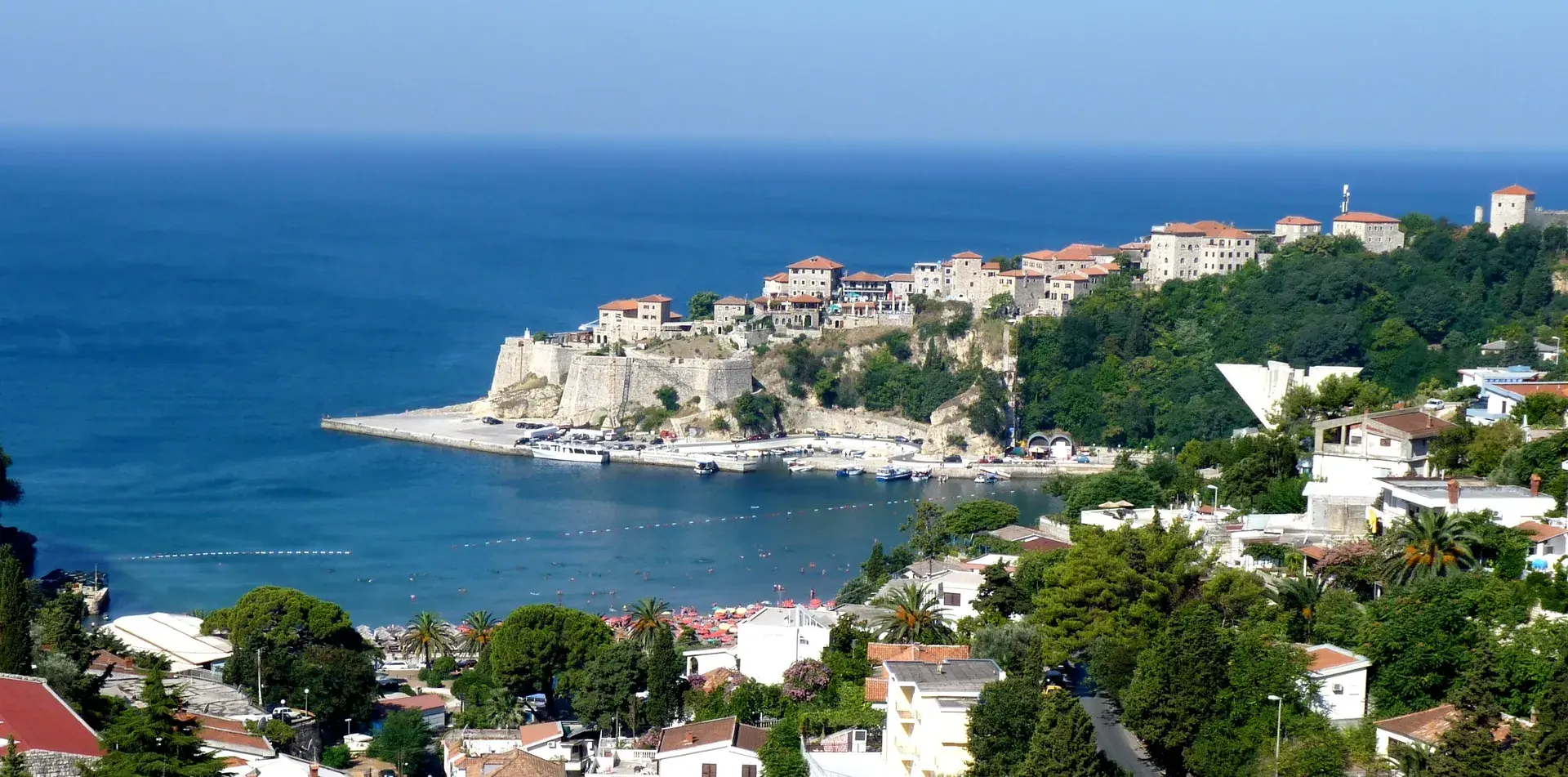
Perched on a rocky promontory overlooking the southern Adriatic Sea, the Citadel Gate—historically known as the Upper Gate (Gornja kapija)—serves as the principal landward entryway into the fortified Old Town (Kalaja) of Ulcinj. The gate forms part of a dual-portal defensive system established in late antiquity, positioned opposite the sea-facing Lower Gate (Donja kapija).
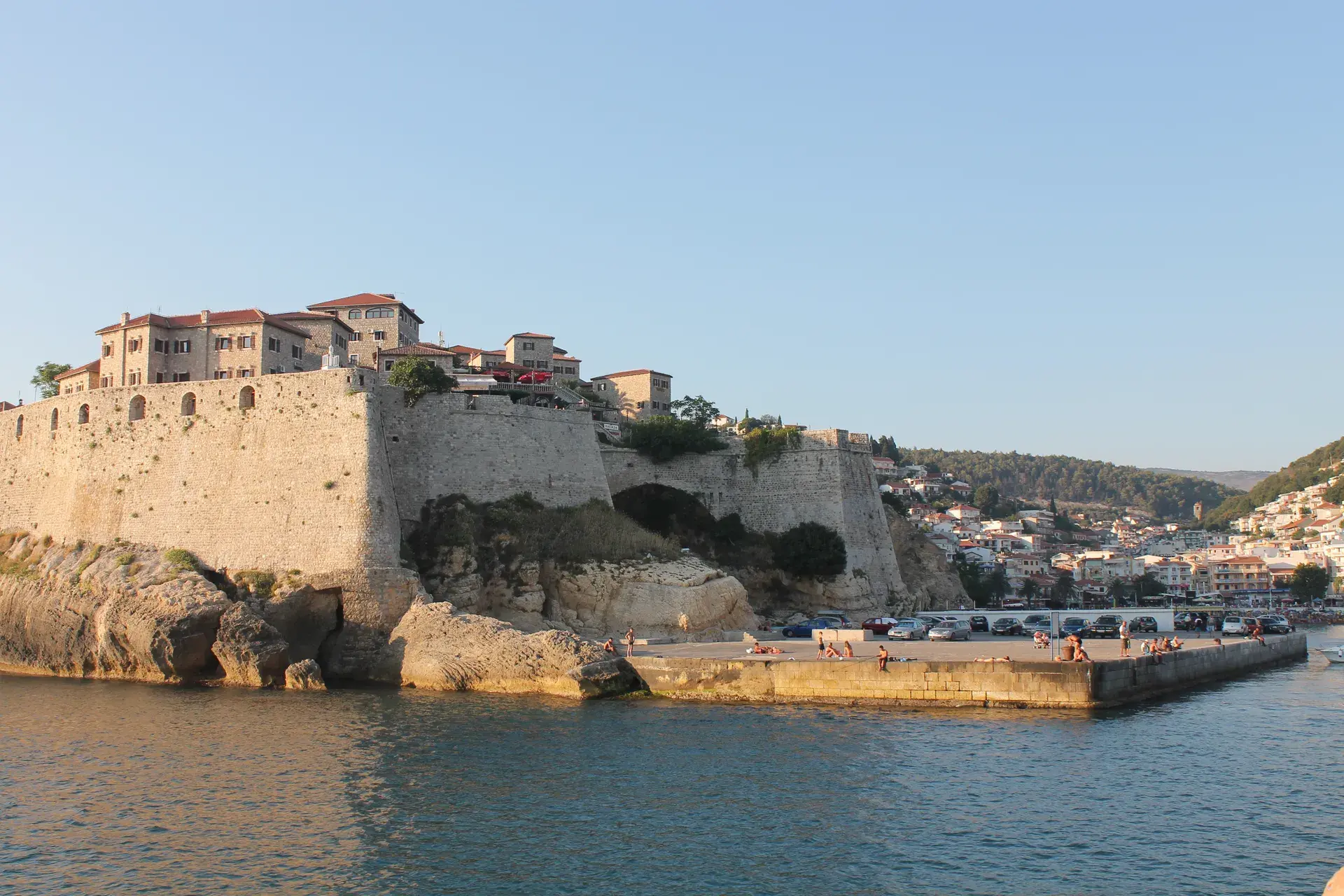
The stone-arched portal is embedded within formidable ramparts that display centuries of military masonry. Its foundation rests on massive 5th- and 4th-century BC cyclopean stone blocks cut by Illyrian builders and Greek masons from Epirus. Over the centuries, these ancient baseworks were rebuilt by Roman and Byzantine engineers, reinforced with bastions and an outer ravelin ramp by the Republic of Venice, and further modified under Ottoman rule. Beneath the shadowed archway, sloping cobblestone pavers (kaldrma) remain slick and uneven, polished by centuries of civilian and garrison foot traffic.
Centuries of Strategic Defense
Ulcinj’s fortifications evolved in response to shifting imperial powers. Following a catastrophic earthquake in the 5th century AD, the Byzantine administration reconstructed the town's perimeter during the 6th century, establishing the permanent alignment of the landward entrance.
Between 1405 and 1571, the Republic of Venice held the fortress, adding curtain walls, fortified bastions, and outer approach works to withstand modern siege warfare. In 1571, Ottoman forces took control of the citadel. Under Ottoman administration, the gate secured a fortified base known across the Mediterranean as a haven for corsair and pirate fleets operating throughout the Adriatic.
Monuments and Lore at the Threshold
Several civic and religious landmarks stand in the immediate vicinity of the gate's exterior approach. A stone drinking fountain (česma) erected in 1749 provided public fresh water outside the defensive ravelin before entrants crossed into the fortress.
Directly outside the archway sits a small Ottoman domed tomb (turbe). Local tradition holds that the tomb marks the resting place of two brothers or companions who fought a fatal duel over a woman's love. Passersby still follow the customary practice of sliding small coins through the tomb's grated window for good luck. Archaeological excavations near the gate also uncovered a 4th-century BC stone pedestal bearing an ancient Greek dedication from the local stonemasons' guild to Artemis Elafavoli, the goddess of the hunt.
Entry Point to the Upper Citadel
Today, the Citadel Gate remains the primary pedestrian point of access connecting the upper parking plateau to the historic center. Passing through the portal leads directly into the Upper Town (Gornji Grad), the historic citadel precinct that contains the Balšić Tower, Slave Square (Trg robova), and the former Church-Mosque that now houses the Archaeological Museum.
Because the gate sits at the highest point of the settlement, it anchors the classic route through the citadel, allowing pedestrians to traverse the ancient street network downward toward the Lower Gate at Mala Plaža.
FAQ
What is the historical name of the Citadel Gate in Ulcinj?
The gate is historically known as the Upper Gate (Gornja kapija), serving as the landward counterpart to the harbor-facing Lower Gate (Donja kapija).
What historical eras are represented in the gate's architecture?
The defenses incorporate 5th- and 4th-century BC Illyrian and Greek cyclopean basework, 6th-century Byzantine reconstructions, Venetian bastions and ravelin walls from the 15th to 16th centuries, and subsequent Ottoman reinforcements.
What structures stand just outside the Citadel Gate?
Outside the gate's outer approach stands a 1749 Ottoman stone drinking fountain (česma) and a small Ottoman tomb (turbe) associated with local folklore regarding a duel between two brothers.
Is the Citadel Gate open to the public?
The gate serves as a public pedestrian entrance into Ulcinj's Old Town and is freely accessible 24 hours a day.