Lower Sea Gate: Ulcinj's Historic Maritime Portal
Maritime Gateway to the Old Town
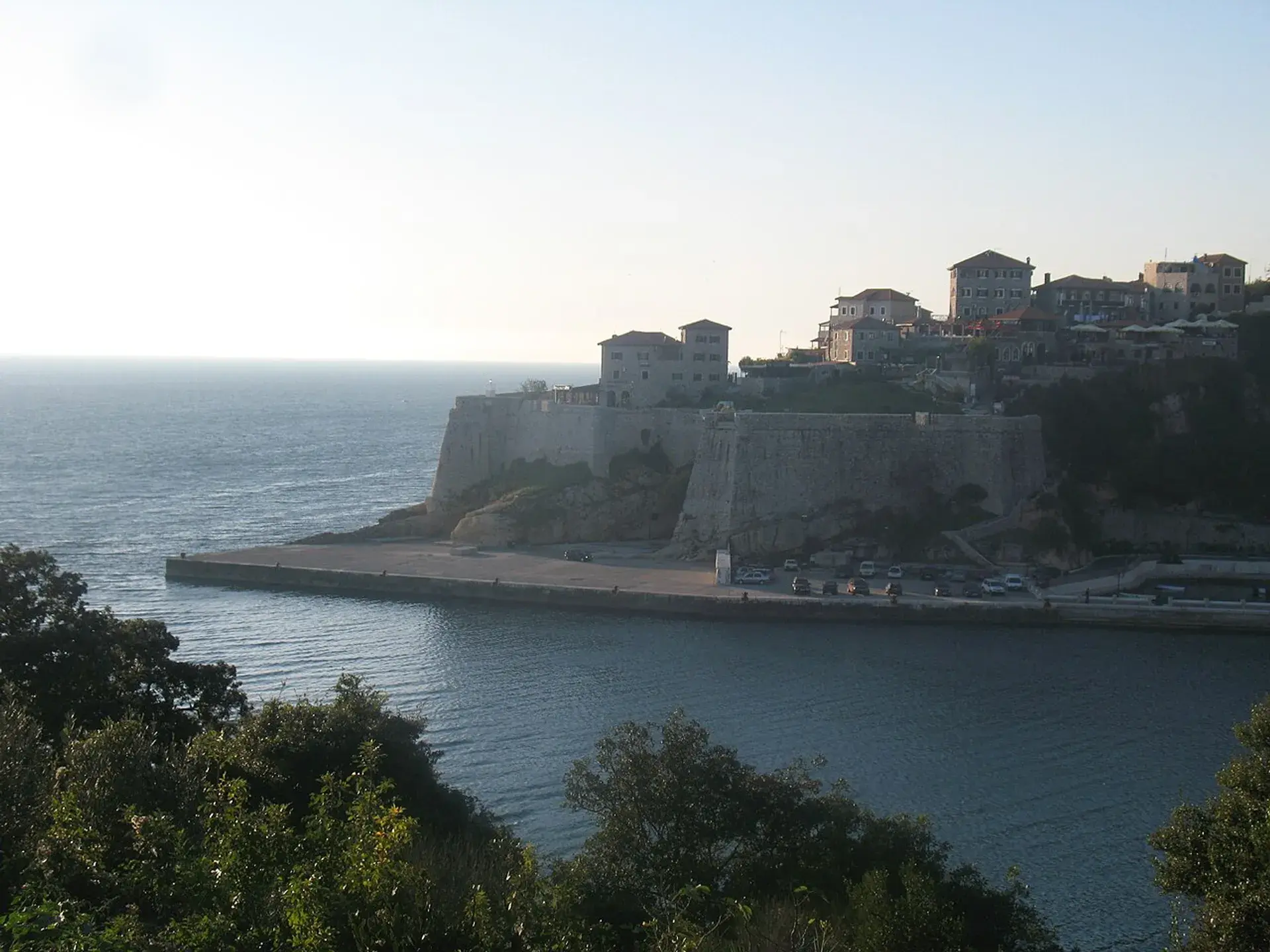
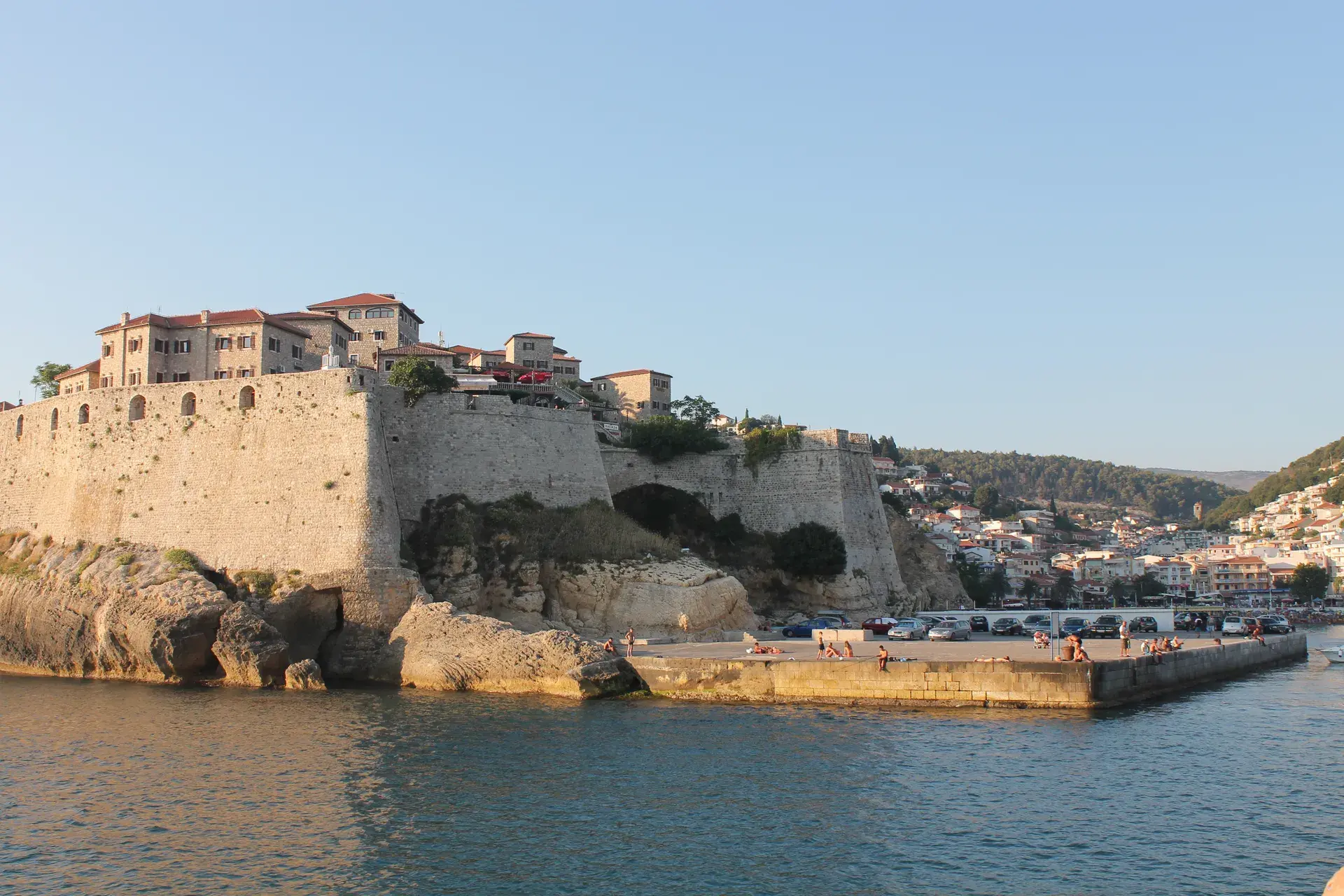
Formally cataloged in regional documentation as the Lower Gate (Donja kapija) or Eastern Gate (Istočna kapija), the Sea Gate serves as the primary maritime portal into the fortified Old Town (Stari Grad) of Ulcinj. Positioned on a rocky headland on the eastern slope of a three-hectare limestone promontory, the gate stands immediately above the Pristan harbor and the sands of Small Beach (Mala plaža).
The passage provides a vital vertical connection between the coastal waterfront and the elevated fortress above. The approach features steep, curving stone staircases and ramps cut directly into the cliffside beneath towering limestone ramparts, offering foot access from the seaside promenade up into the historic citadel.
Byzantine Roots and Layered Defenses
Ulcinj’s dual-gate layout—composed of an upper landward entrance and this lower seaward portal—dates back to sixth-century Byzantine and late Roman reconstruction. This engineering project rebuilt the settlement’s defenses following a major earthquake that destroyed earlier Illyrian-Greek structures.
Over subsequent centuries, various powers adapted and strengthened the fortifications surrounding the gate. Today, the stonework incorporates ancient cyclopean foundations, medieval Balšić dynasty walls, Venetian bastions, and Ottoman reinforcements, illustrating the strategic importance of this harbor entry across different eras of Adriatic history.
Corsairs, Maritime Trade, and Slave Square
While the fortress's upper land gate defended against terrestrial invasions from the interior, the Lower Sea Gate was the lifeline connecting the community to maritime trade routes, naval expeditions, and fishing fleets.
Between the late 16th and 18th centuries, Ulcinj operated as a notorious corsair haven in the southern Adriatic. Corsair crews docking at Pristan harbor brought supplies, captured cargo, and enslaved sailors through the Sea Gate into the lower residential quarters, funneling them upward toward the town’s historic Slave Square (Trg robova).
A Living Citadel Community
Unlike many preserved Adriatic fortifications that operate solely as open-air museums, passing through the Lower Sea Gate leads into an active, inhabited neighborhood. Montenegrin- and Albanian-speaking residents live throughout the stone alleys, where laundry lines hang between historic façades and stone staircases serve as daily gathering spots.
The portal is an open-air public passage with no admission fee, directing pedestrian traffic toward boutique hotels, traditional seafood konobas, and heritage structures such as the Palace of Venice and Balšić Court. Local lore also surrounds the seaward approach: ancient traditions connect the fortress's maritime walls to the Illyrian water god Bindus, while widespread regional folklore claims that Spanish writer Miguel de Cervantes was once imprisoned within the citadel.
FAQ
Is there an admission fee to enter Ulcinj's Old Town through the Lower Sea Gate?
No, the Lower Sea Gate functions as a free, open-air public pedestrian portal accessible at all times.
What historical eras contributed to the architecture of the Sea Gate?
The gate system originated during 6th-century Byzantine and late Roman rebuilding and features structural elements from cyclopean foundations, Balšić dynasty ramparts, Venetian bastions, and Ottoman fortifications.
How was the Lower Sea Gate used during the corsair era?
Between the late 16th and 18th centuries, corsairs unloaded provisions, captured goods, and enslaved sailors at Pristan harbor and brought them through the gate into the fortress toward Slave Square.