Cervantes Statue in Ulcinj: Myth & History
The Monument in Ulcinj's Citadel
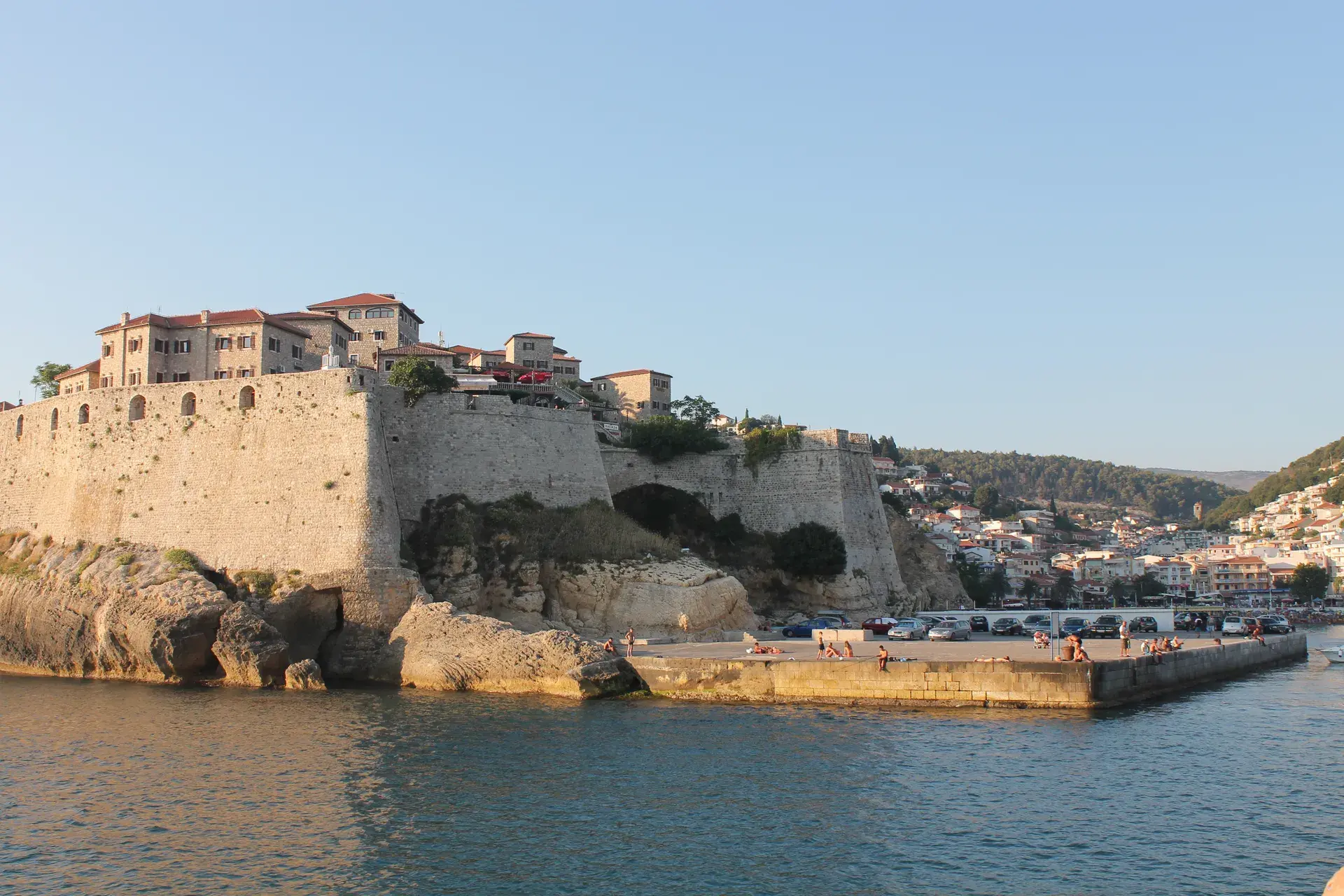
Standing in the upper courtyard of the Palata Venezia complex, the Miguel de Cervantes memorial is an imposing 3.6-meter-tall bronze sculpture in the walled Old Town (Kalaja) of Ulcinj, Montenegro. Commissioned by local hotelier Ćazim Resulbegović and sculpted by Albanian artist Bujar Vani, the statue was erected in May 2018.
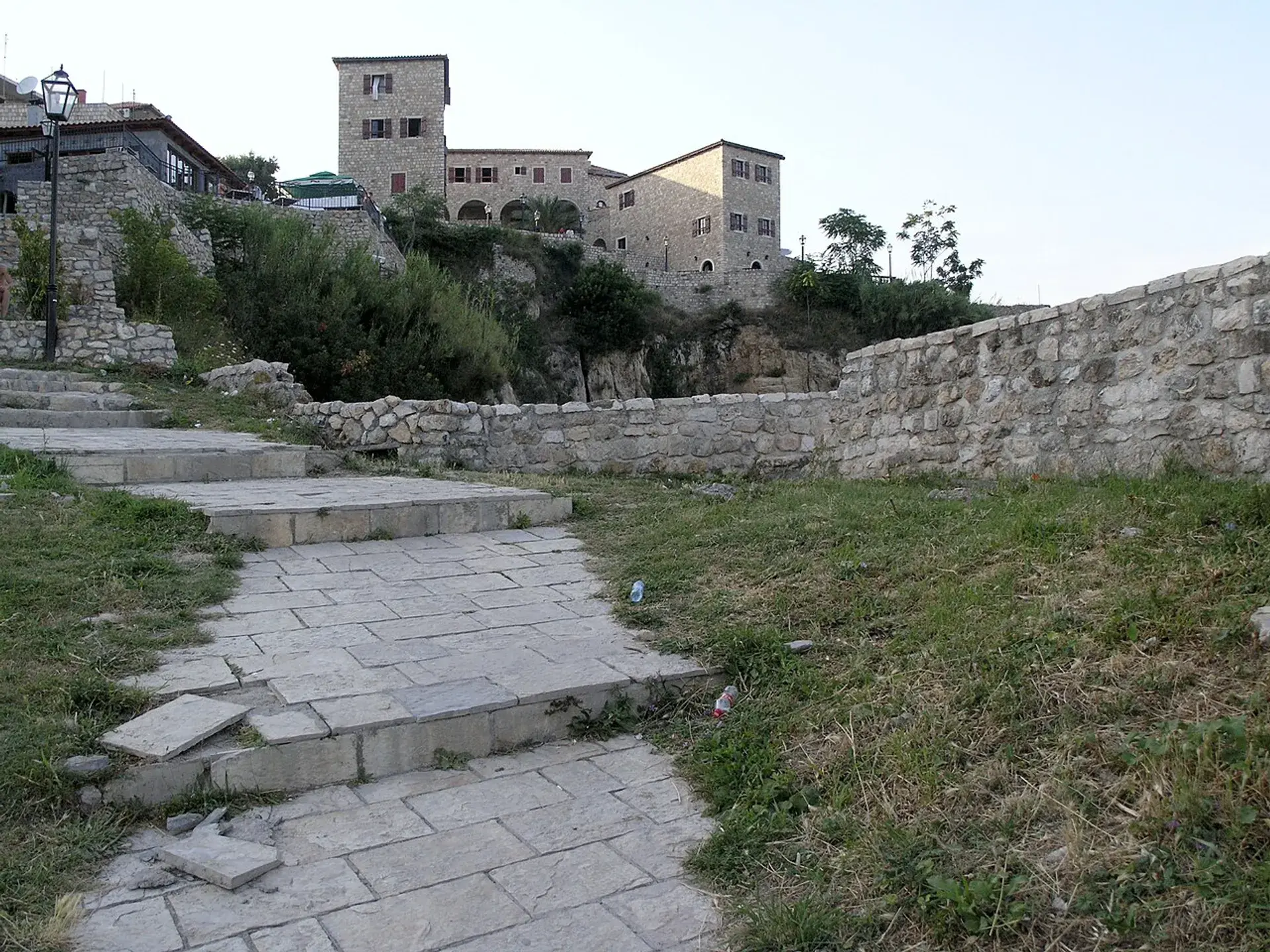
The dark bronze figure rests on stone paving directly against the citadel's rough-cut limestone ramparts. Positioned beside Venetian-era palace walls, the sculpture catches the bright coastal Adriatic light and serves as an interpretive focal point and photo spot along the fortress pathways.
The Corsair Legend of "Servet"
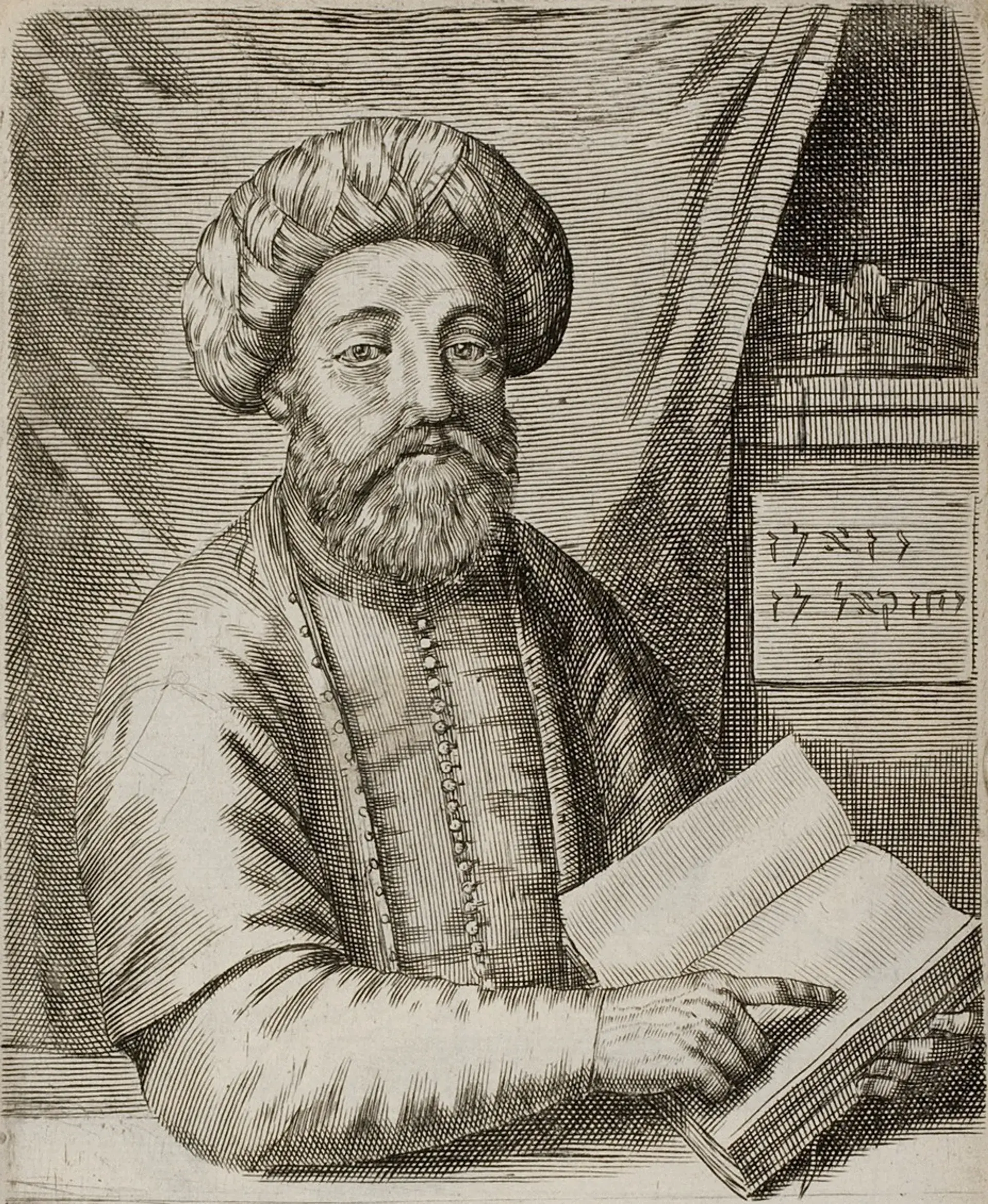
Following its capture by the Ottoman Empire in 1571, Ulcinj developed into a prominent Adriatic privateering base. An active slave trade operated on the citadel's square until the late 19th century. According to local oral lore, corsairs under naval captain Arnaut Mami captured the Spanish author at sea in 1575 and brought him to Ulcinj's Slave Square.
Civic tradition tells of an enslaved man known locally as "Servet," who stayed awake late into the night writing in his quarters and sang Spanish serenades by day to local women watching from nearby windows. According to the legend, captors found letters of recommendation from King Philip II of Spain in his possession. Deeming him a prisoner of immense value, they demanded an exorbitant ransom of 500 gold coins, extending his confinement when the sum could not be promptly met.
Dulcinea and Historical Reality
This civic folklore extends directly into Cervantes's greatest literary work, Don Quixote. Local tradition asserts that the knight's beloved muse, Dulcinea del Toboso, was inspired by an Ulcinj woman and named after Dulcigno, the historical Venetian name for the town.
Despite the persistence of these romantic tales, documentary evidence contradicts them. Mediterranean archives, ransom payments, and witness statements confirm that Cervantes was held captive in Algiers from 1575 to 1580, with no historical documentation placing him in Ulcinj. The real corsair captain Arnaut Mami did intercept Cervantes's vessel, but regional folklore gradually localized Mami's base to the Adriatic port. Literary scholarship also views the name Dulcinea not as a derivation of Dulcigno, but as Don Quixote's stylized idealization of the fictional peasant Aldonza Lorenzo.
Cultural Impact
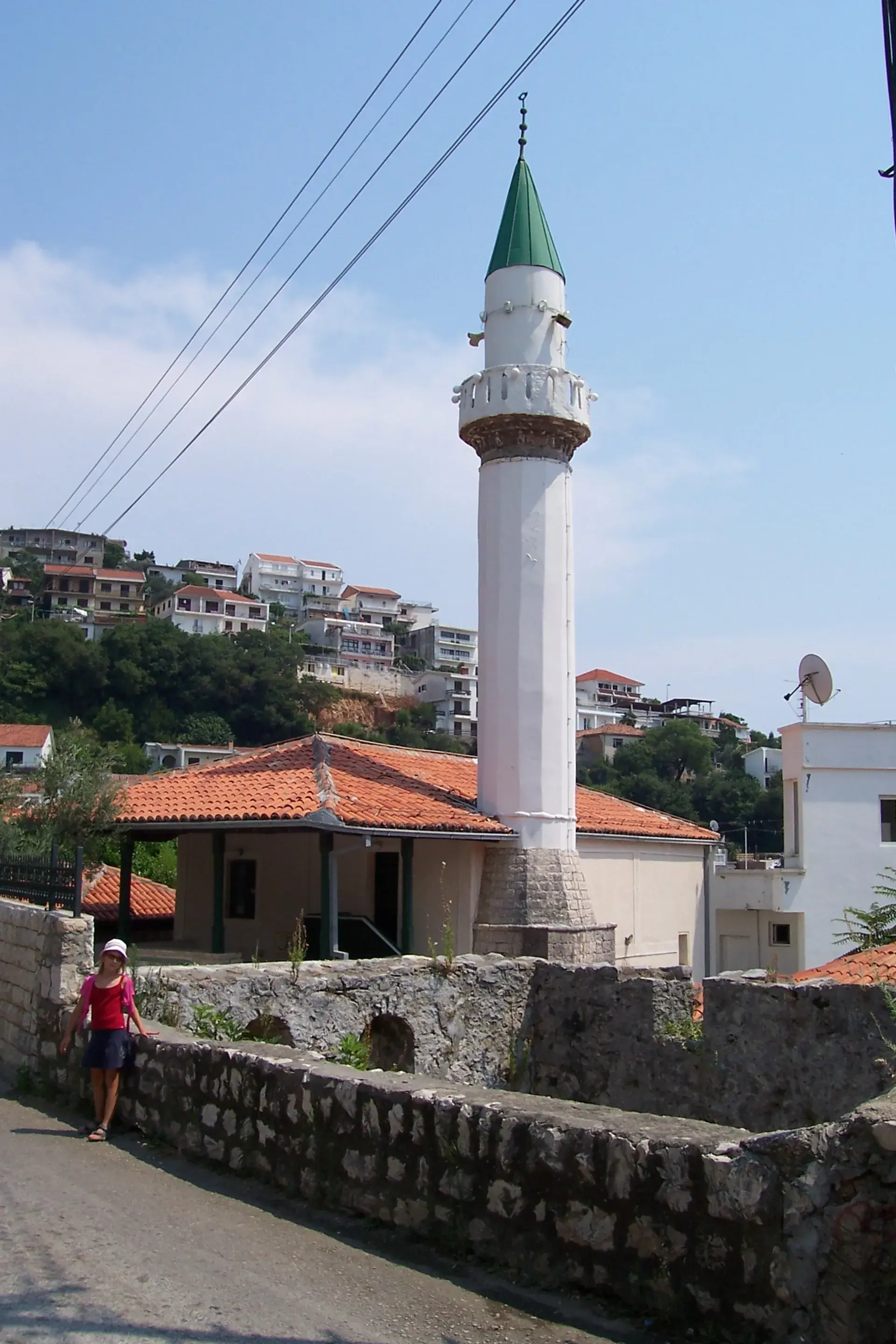
Situated near the historic Slave Square and the Church-Mosque museum complex, the statue bridges Ulcinj's privateering past with its enduring oral traditions. The romantic narrative of Cervantes and his local muse has continued to shape the town's cultural identity, inspiring municipal theater adaptations and community festival performances.
FAQ
Was Miguel de Cervantes actually held captive in Ulcinj?
No historical or archival evidence places Cervantes in Ulcinj. Official Mediterranean records, witness accounts, and ransom documents confirm that his five-year captivity from 1575 to 1580 occurred in Algiers.
Where is the Cervantes sculpture located?
The bronze sculpture is located in the upper courtyard of Palata Venezia within the walled Old Town (Kalaja) of Ulcinj, Montenegro.
What is the connection between Ulcinj and Don Quixote's Dulcinea?
Local lore claims Dulcinea del Toboso was named after Ulcinj's Venetian name, Dulcigno. However, literary scholars treat this as folklore, recognizing Dulcinea as an idealized version of the fictional character Aldonza Lorenzo.