Ulcinj Museum of Local History: The Church-Mosque
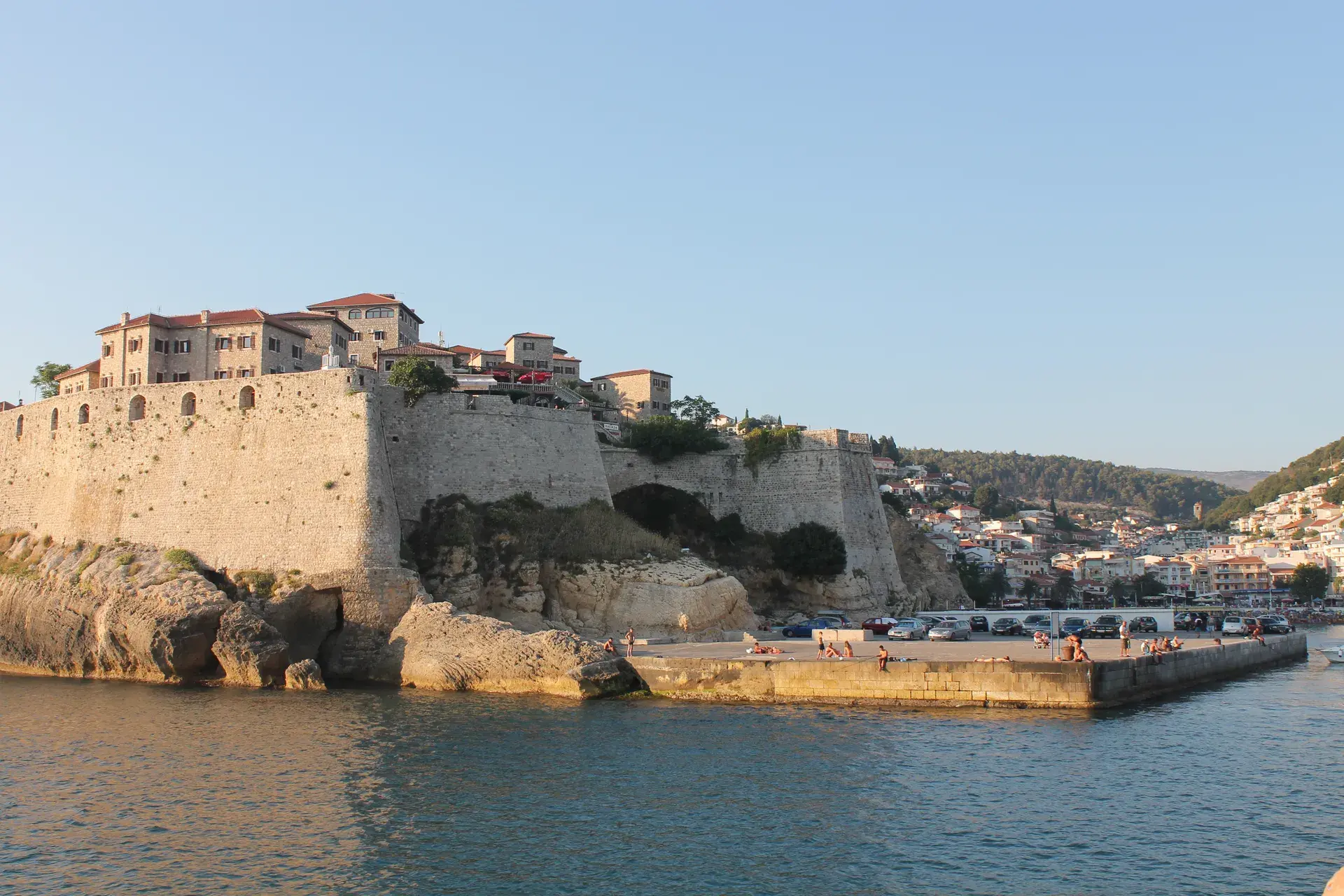
Located on the upper plateau inside the fortified Old Town (Kalaja) of Ulcinj, the Museum of Local History sits adjacent to the North Gate and the historic Slave Square (Trg Robova). Set within 2,500-year-old fortification walls, the building itself is an architectural hybrid known as the Church-Mosque (Crkva-Džamija or Kishë-Xhamia). Since 1975, it has served as the archaeological repository for the Centre for Culture Ulcinj, illustrating the town's Illyrian, Roman, Venetian, Slavic, and Ottoman eras.
Architecture and Sequential Repurposing
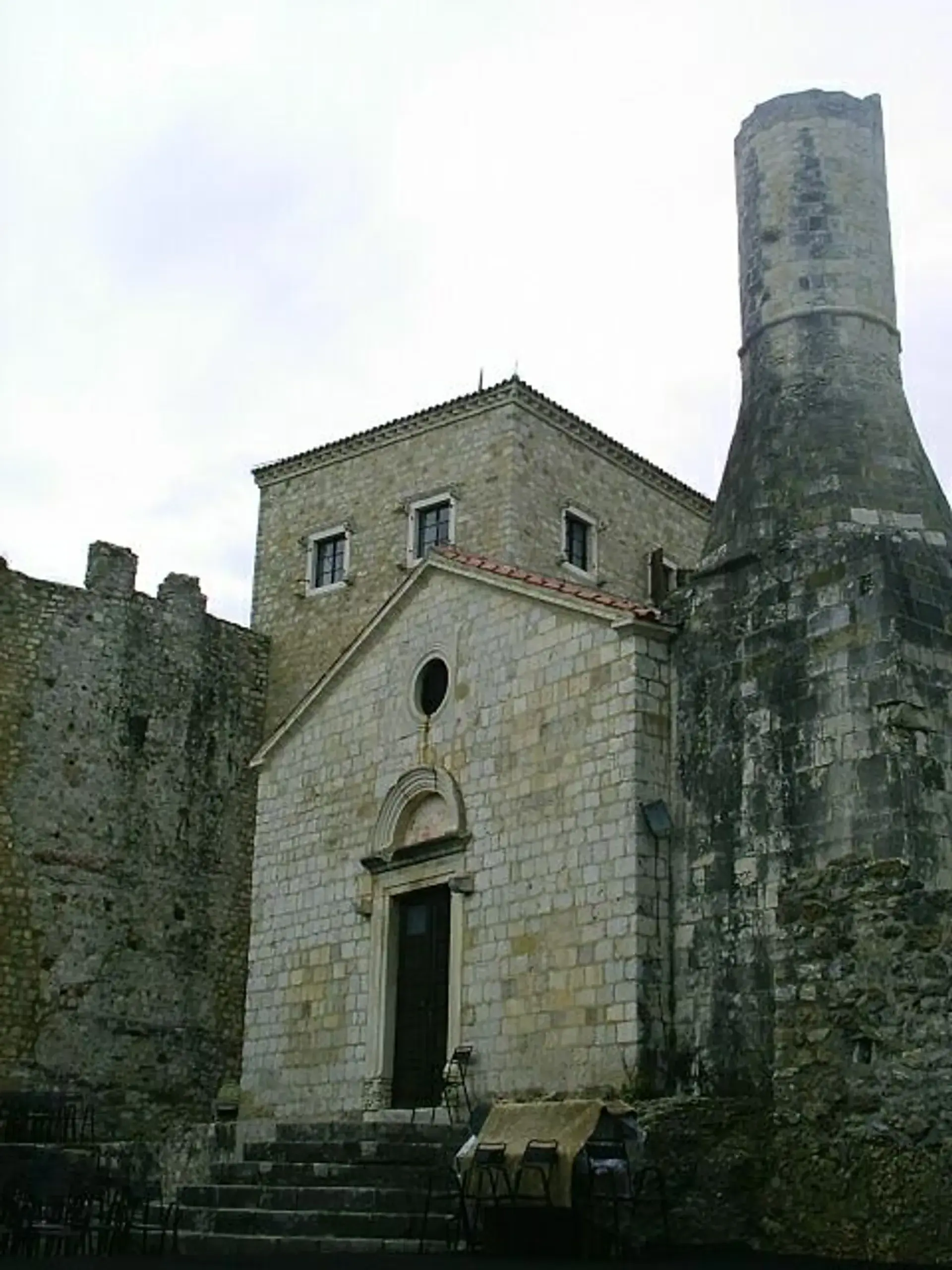
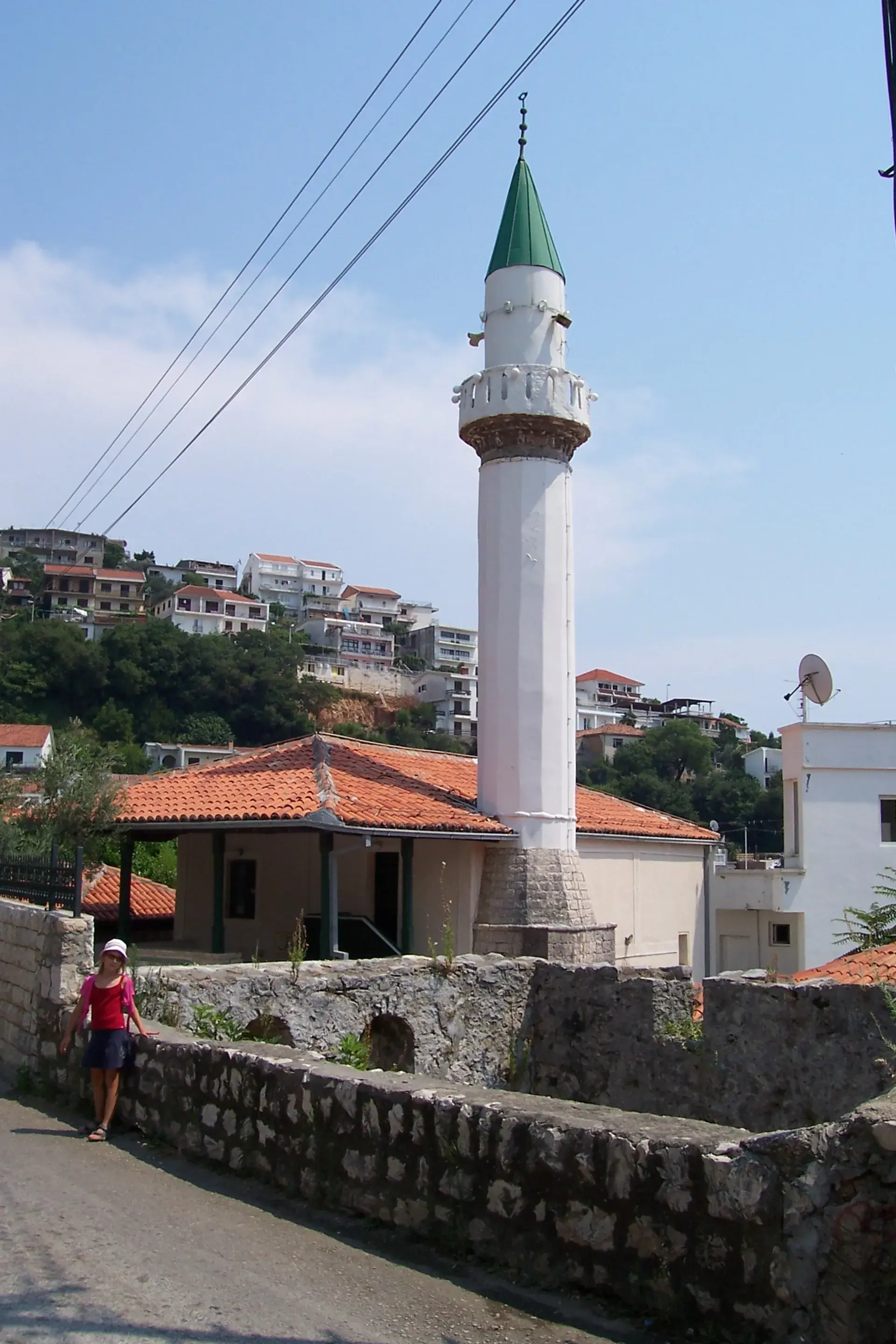
The structure was originally built in 1510 under Venetian rule as the Catholic Church of Saint Mary, erected in a Renaissance limestone design over earlier church foundations. Following the Ottoman conquest of the town in 1571, the building was converted into an Ottoman sanctuary known as the Imperial Mosque (Xhamia Mbretërore), dedicated to Sultan Selim II. In 1693, patron Hajji Halil Skura financed the addition of an exterior minaret featuring a square base that tapers toward its upper segment.
Despite popular misconceptions suggesting simultaneous interfaith worship, historical records confirm that the building experienced sequential repurposing across changing administrations. Public religious worship inside the building ceased entirely in late 1880, after the Treaty of Berlin resulted in Ulcinj being ceded to Montenegro.
The Corsair Assembly and Slave Square
During the Ottoman maritime era, the compound fulfilled important civic and military roles beyond its religious purpose. The mosque and its associated school (maktab) served as the assembly hall where Ulcinj's naval captains and corsairs (reises) met to plan seafaring expeditions and manage town administration.
The museum grounds open directly onto Slave Square. During the 17th and 18th centuries, corsairs utilized this space to negotiate ransoms for captives directly with their families rather than selling them as chattel. Over time, freed individuals remained in the citadel neighborhood, establishing an Afro-Ulcinjian community.
Archaeological Collections
The interior of the former church and mosque displays artifacts charting the region's ancient and medieval history. Notable prehistoric items include two Bronze Age stone axes alongside collections of Illyrian pottery. Antiquity is represented by a Hellenistic pedestal bearing a Greek dedication to the goddess Artemis and an engraved antique cameo.
Medieval and later historical records are displayed through fragments of a 9th-century church ciborium, as well as Latin and Ottoman Arabic stone inscriptions. The collection also preserves local medieval bronze coins (folari) reading CIVITAS DUCIGNI, which depict a three-towered fortress on the obverse and either the Lamb of God or the Virgin Mary on the reverse.
The Museum Complex and Preservation
The archaeological sanctuary forms part of a larger municipal museum precinct managed by the Centre for Culture Ulcinj. The complex includes the Balšić Tower, which operates as an art gallery, an ethnological museum display building, and open-air lapidary exhibits around the adjacent square.
In 2025, Montenegrin state authorities allocated conservation funding dedicated to stabilizing the building's roof and historic fabric. Public operating hours and interior access remain subject to this ongoing maintenance and preservation schedule.
FAQ
Why is the building called the Church-Mosque?
It was built in 1510 as the Venetian Catholic Church of Saint Mary and later converted in 1571 into the Imperial Mosque of Sultan Selim II. It was repurposed sequentially across regimes rather than used by both faiths at the same time.
What historical role did the building play for local corsairs?
During the Ottoman maritime era, naval captains and corsairs used the mosque and its school as an assembly hall to plan seafaring expeditions and handle town governance. It also borders Slave Square, where corsairs negotiated ransoms for captives.
What artifacts are displayed inside the museum?
The archaeological collection includes two Bronze Age stone axes, Illyrian pottery, a Hellenistic pedestal dedicated to Artemis, fragments of a 9th-century church ciborium, and medieval bronze coins stamped with the legend CIVITAS DUCIGNI.