St. Lawrence Church: Rotterdam's Medieval Survivor
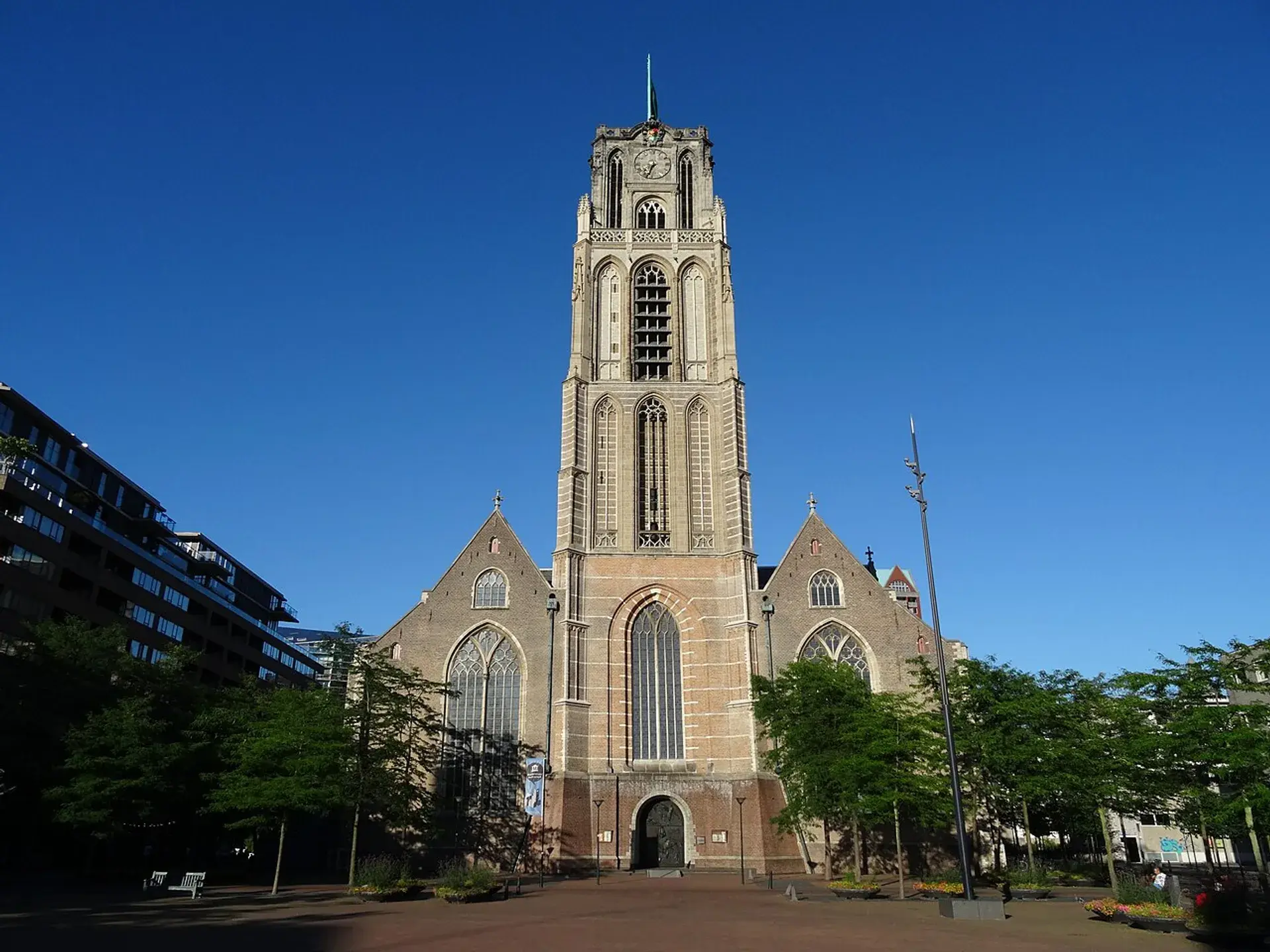
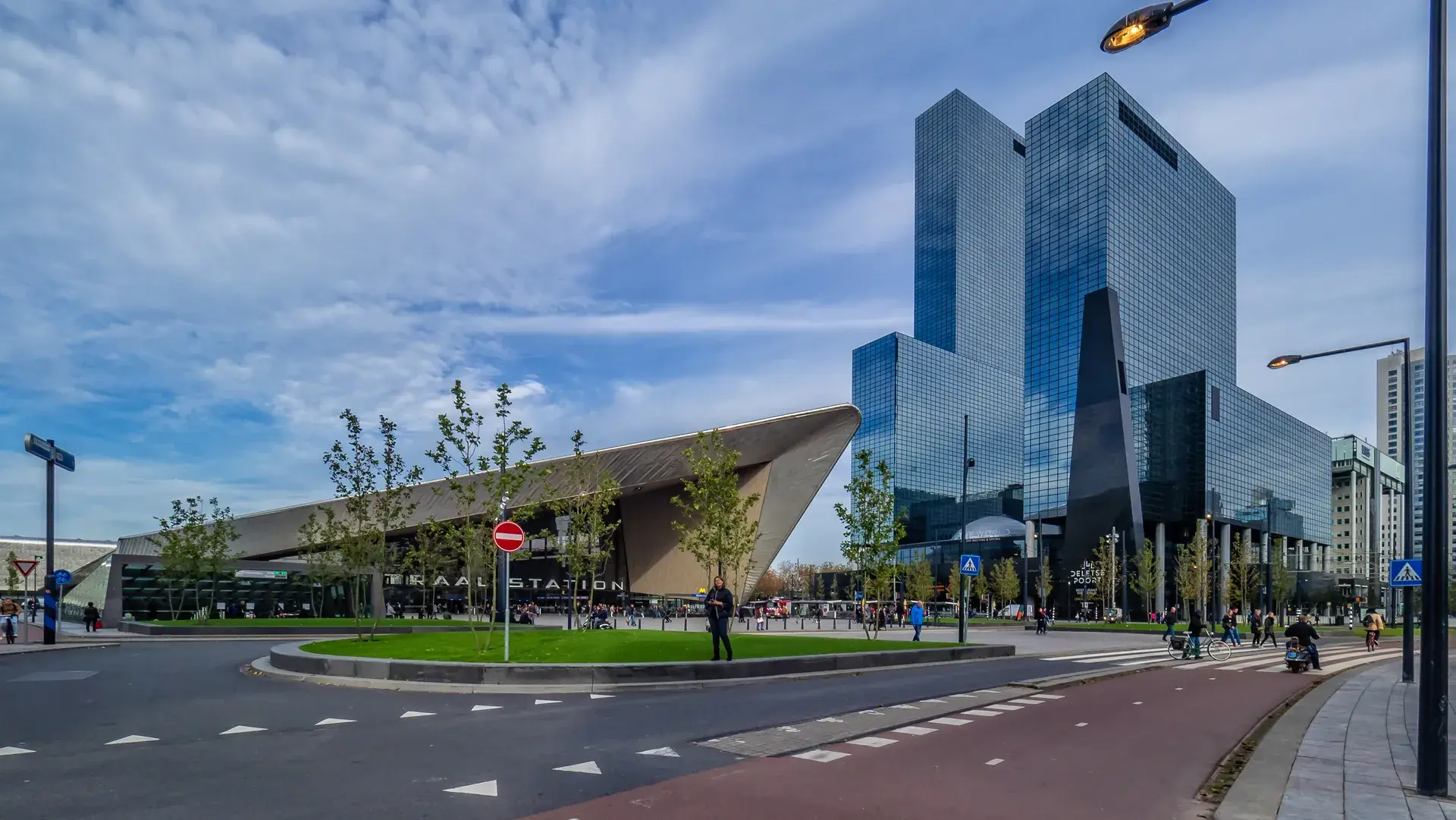
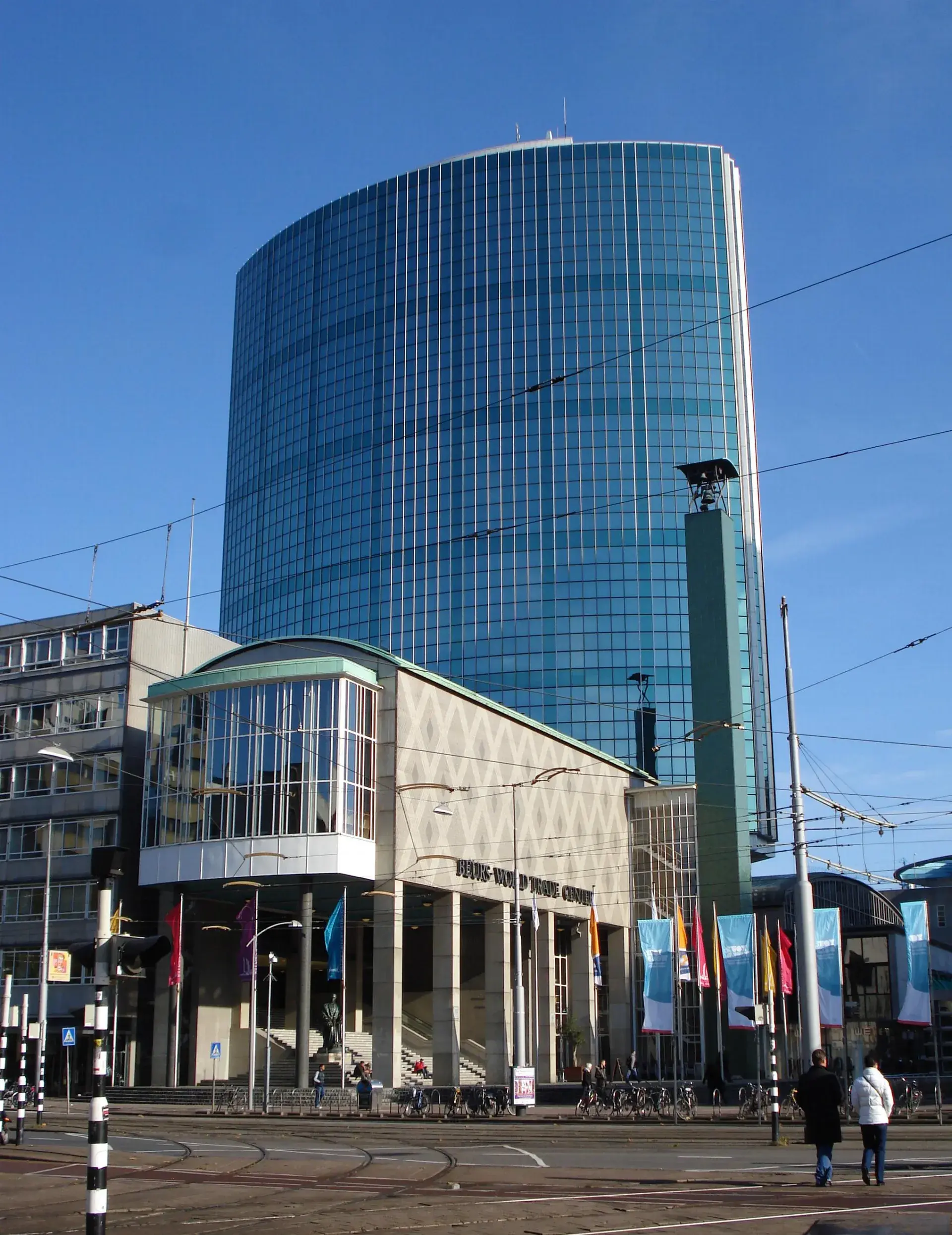
St. Lawrence Church stands as a stark, restored Gothic monument, the city's sole medieval survivor rising defiantly among modern downtown towers. As the only tangible architectural anchor to Rotterdam's pre-1940 roots, it provides a rare historical contrast within a cityscape now defined by avant-garde skyscrapers.
Survival and Restoration
Constructed between 1449 and 1525, this Late Gothic cruciform basilica originally functioned as a Catholic place of worship before peacefully transitioning to a Protestant church during the 1572 Reformation. On May 14, 1940, the Rotterdam Blitz devastated the building. The wooden interior, roof, and vaults were entirely destroyed, leaving only the exterior walls and the towering structure intact.
Following the destruction, modernist planners proposed leaving the ruins as a memorial. However, civic leaders ultimately chose to rebuild the historic landmark. Queen Juliana laid the restoration stone in 1952, and the extensive reconstruction was officially completed in 1968.
Architectural and Musical Marvels
Today, the restored Gothic vaulted stone bays house the largest church organ in the Netherlands. Built by Marcussen & Son, the instrument features roughly 7,600 pipes, creating a massive acoustic resonance during concerts and Sunday worship. Visitors can also observe a 1715 brass choir screen and heavy bronze doors crafted by Italian sculptor Giacomo Manzù.
The interior contains additional historic artifacts, including the marble funerary monuments of 17th-century Dutch maritime commanders Egbert Kortenaer and Witte de With. A replica of the Coventry Cross of Nails, crafted from iron nails retrieved from the blitzed Coventry Cathedral, is also displayed for prayers of reconciliation.
The Leaning Tower and Historic Surroundings
Reaching 63 to 65 meters high, the church tower holds a surprising engineering history. In 1650, after a heavy stone cube was added to replace a decaying wooden spire, the structure began to lean significantly into the soft peat soil. Between 1650 and 1655, engineers successfully drove additional wooden foundation piles underneath to pull the heavy stone tower back to a vertical position.
The tower, which rings with a 17th-century François Hemony carillon, is open for guided climbs. Outside the church stands another historic survivor: a 1622 bronze statue of Desiderius Erasmus. As the oldest freestanding bronze statue in the Netherlands, it survived the 1940 bombing by being hidden in a museum garden. Today, the active Protestant church operates as a dynamic cultural venue featuring an interactive history exhibition.
FAQ
Is St. Lawrence Church the oldest building in Rotterdam?
It is the only surviving medieval building in the Rotterdam city center, originally constructed between 1449 and 1525 as a Late Gothic cruciform basilica.
Was St. Lawrence Church destroyed in World War II?
Yes, the church was severely damaged during the Rotterdam Blitz on May 14, 1940. The wooden interior, roof, and vaults were destroyed, leaving only the exterior walls and tower, which were fully restored by 1968.
What is the massive organ inside St. Lawrence Church?
The church houses the largest church organ in the Netherlands. Built by Marcussen & Son, it contains approximately 7,600 pipes.