Hanseatic Museum Bergen: A Guide to Bryggen's Past
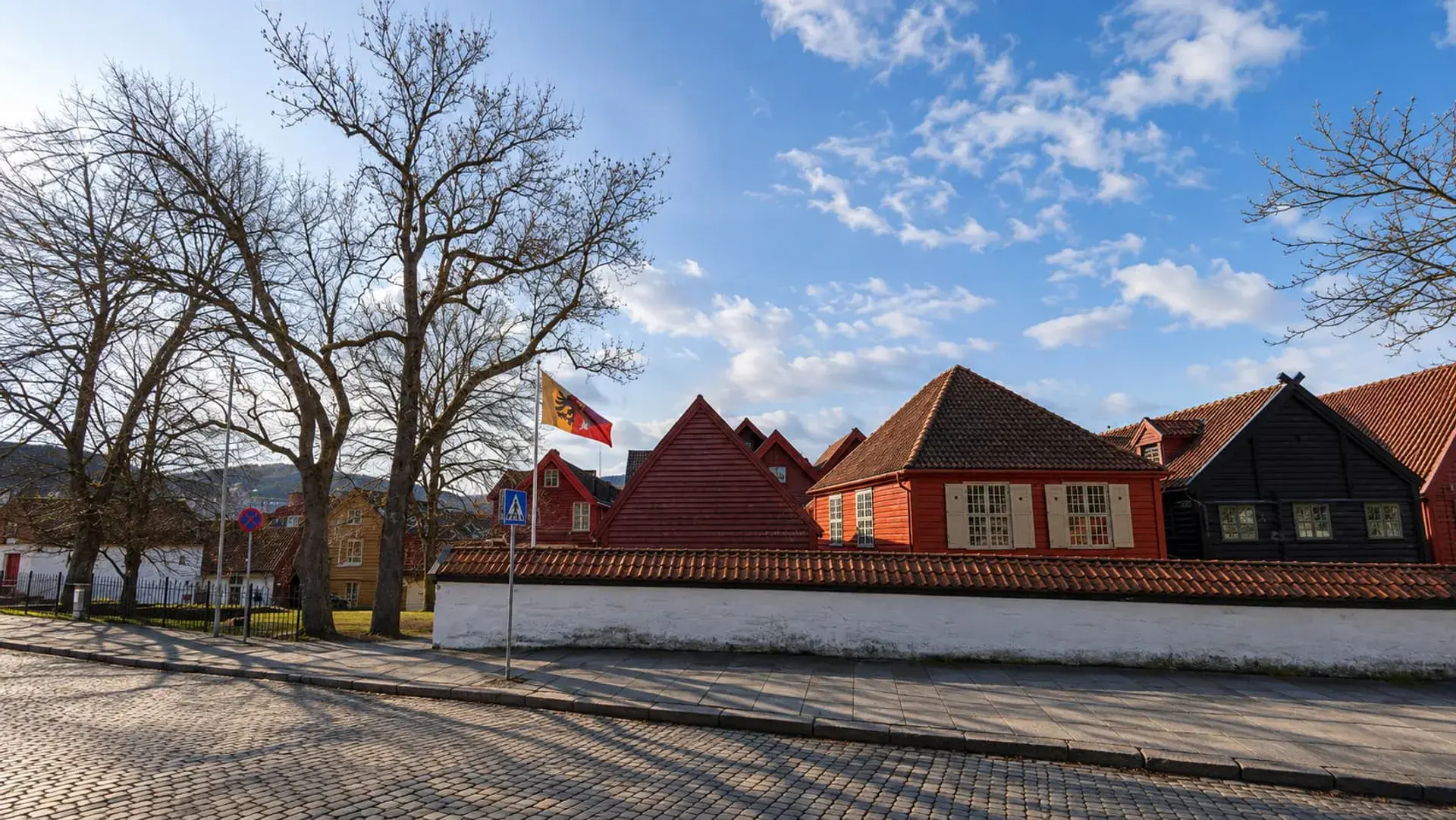
Marvel at the distinctive wooden facade of The Hanseatic Museum, a testament to Bergen's rich trading past and the storied lives of its Hanseatic merchants. Located on the eastern side of Vågen harbour, the historic Bryggen quarter offers a window into a pivotal era of Northern European maritime commerce, with the museum and its associated assembly rooms, the Schøtstuene, at its heart.
A Hanseatic Stronghold in Bergen
Bergen's history as a trading hub dates back over a thousand years, but a significant chapter began around 1350 when the German Hanseatic League established one of its four main overseas trading offices, or 'Kontors', at Bryggen. For nearly 400 years, this area functioned as a largely self-governing German colony within the Norwegian city.
The Hanseatic merchants, numbering up to 2,000 at their peak, operated with their own rules, legal system, and even spoke their own language, Low German. This unique community was largely independent of Norwegian authority, creating a distinct social and political entity on the Bergen wharf.
The Stockfish Trade and Merchant Life
Life in Hanseatic Bryggen revolved around trade, primarily the lucrative export of stockfish (dried and salted cod) from Northern Norway. The powerful scent of tonnes of dried fish would have historically dominated the area, overpowering the smell of the tar used on the wooden buildings. In return for the fish, merchants imported essential goods like grains and salt, as well as luxury items.
The merchants' control extended to daily life, with strict regulations governing the community. Young apprentices, for example, were expected to serve for ten years and were forbidden from marrying, with the hope of one day becoming masters themselves.
Resilience Through Fire and Time
Bryggen's history is marked by numerous fires, with major conflagrations recorded in 1198, 1248, 1476, and most devastatingly in 1702, when the Great Fire reduced the entire area to ashes. Despite this, the quarter was consistently rebuilt on the same medieval foundations, preserving its original urban plan and architectural style.
The Hanseatic era formally ended in 1754 when all properties were transferred to Norwegian citizens. A fire in 1955 led to extensive archaeological excavations, which uncovered a wealth of artifacts, including hundreds of medieval runic inscriptions on wooden sticks that provided insight into daily life. These discoveries helped secure Bryggen's status as a UNESCO World Heritage Site in 1979.
Bryggen Today: A Living Heritage Site
Today, the area behind Bryggen's iconic facade remains a vibrant part of Bergen. The narrow passages and historic buildings now house a lively mix of artisan galleries, jewelers, textile designers, and craft sellers. Visitors and locals can explore small shops, dine in restaurants, and visit museums that illuminate the area's past.
Alongside the Hanseatic Museum and Schøtstuene, which offer deep dives into the merchants' lives, the Bryggens Museum displays archaeological findings from the site, collectively preserving the legacy of this historic trading port.
FAQ
What was the Hanseatic League's role in Bergen?
The Hanseatic League established a major trading office, or 'Kontor', in Bergen around 1350. For nearly 400 years, German merchants controlled the lucrative stockfish trade, creating a self-governing community within the city.
Why is Bryggen a UNESCO World Heritage Site?
Bryggen was designated a UNESCO World Heritage Site in 1979 because of its unique and preserved medieval urban structure. Despite numerous fires, it was consistently rebuilt on its original foundations, showcasing centuries of Hanseatic trading history.
Was Bergen an official Hanseatic city?
No, surprisingly, Bergen was never an official Hanseatic City. It was one of the League's four major overseas trading offices, known as 'Kontors', alongside those in London, Bruges, and Novgorod.
What was the main commodity traded at Bryggen?
The primary commodity traded by the Hanseatic merchants at Bryggen was stockfish (dried and salted cod), which was sourced from Northern Norway and exported throughout Europe.
Gallery