Siete Diablitos: Cusco's Legendary Devil's Lane
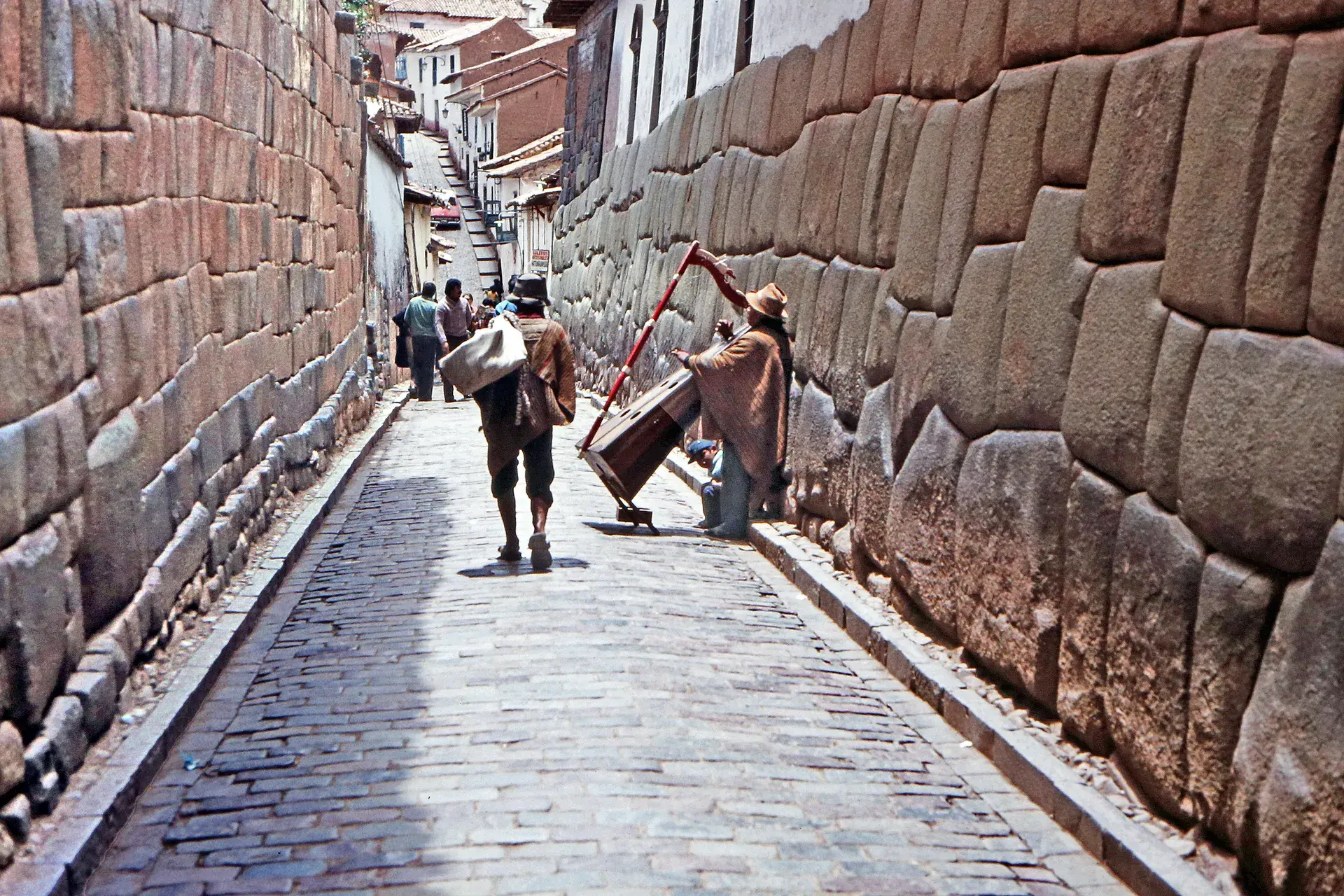
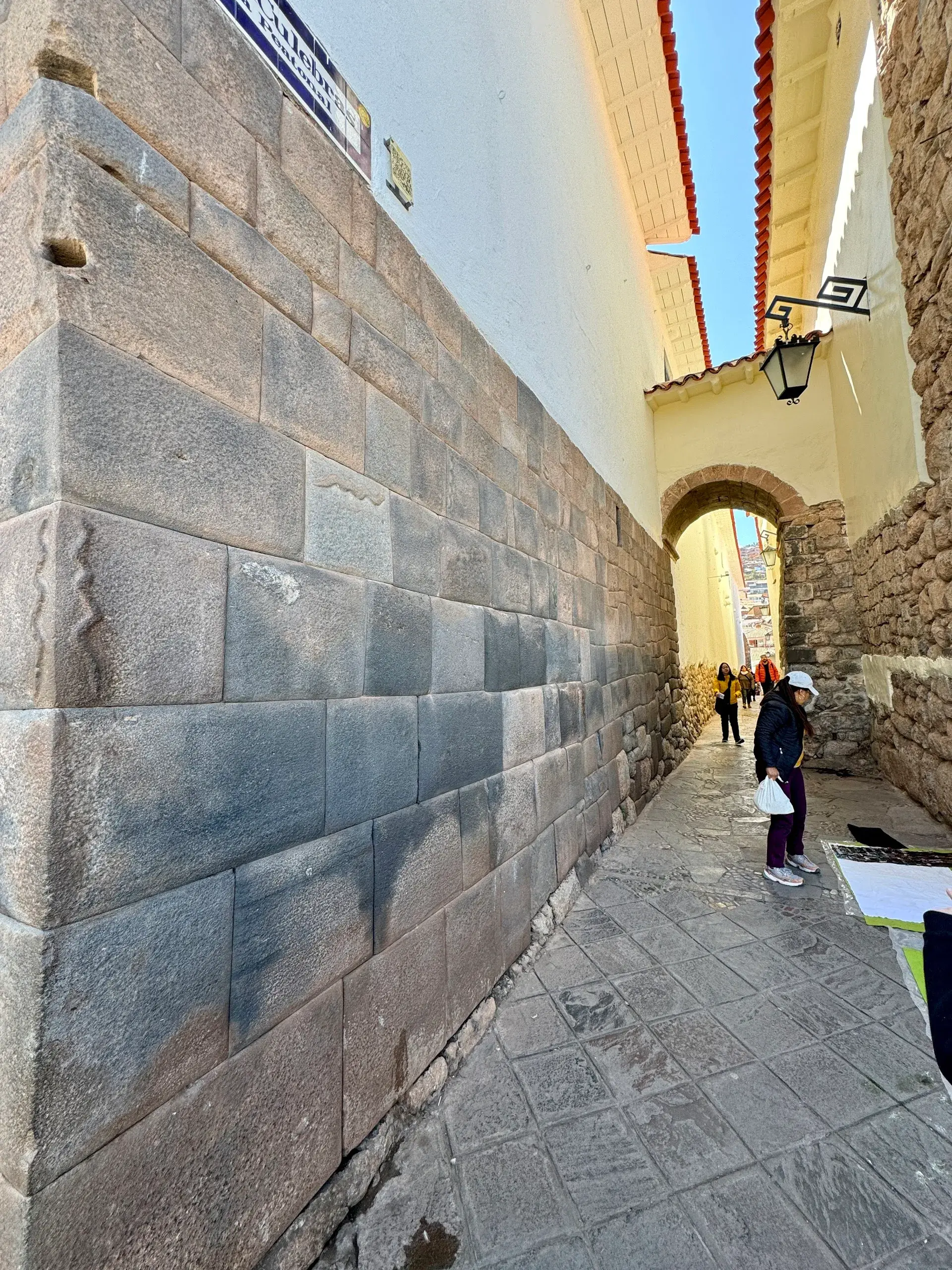
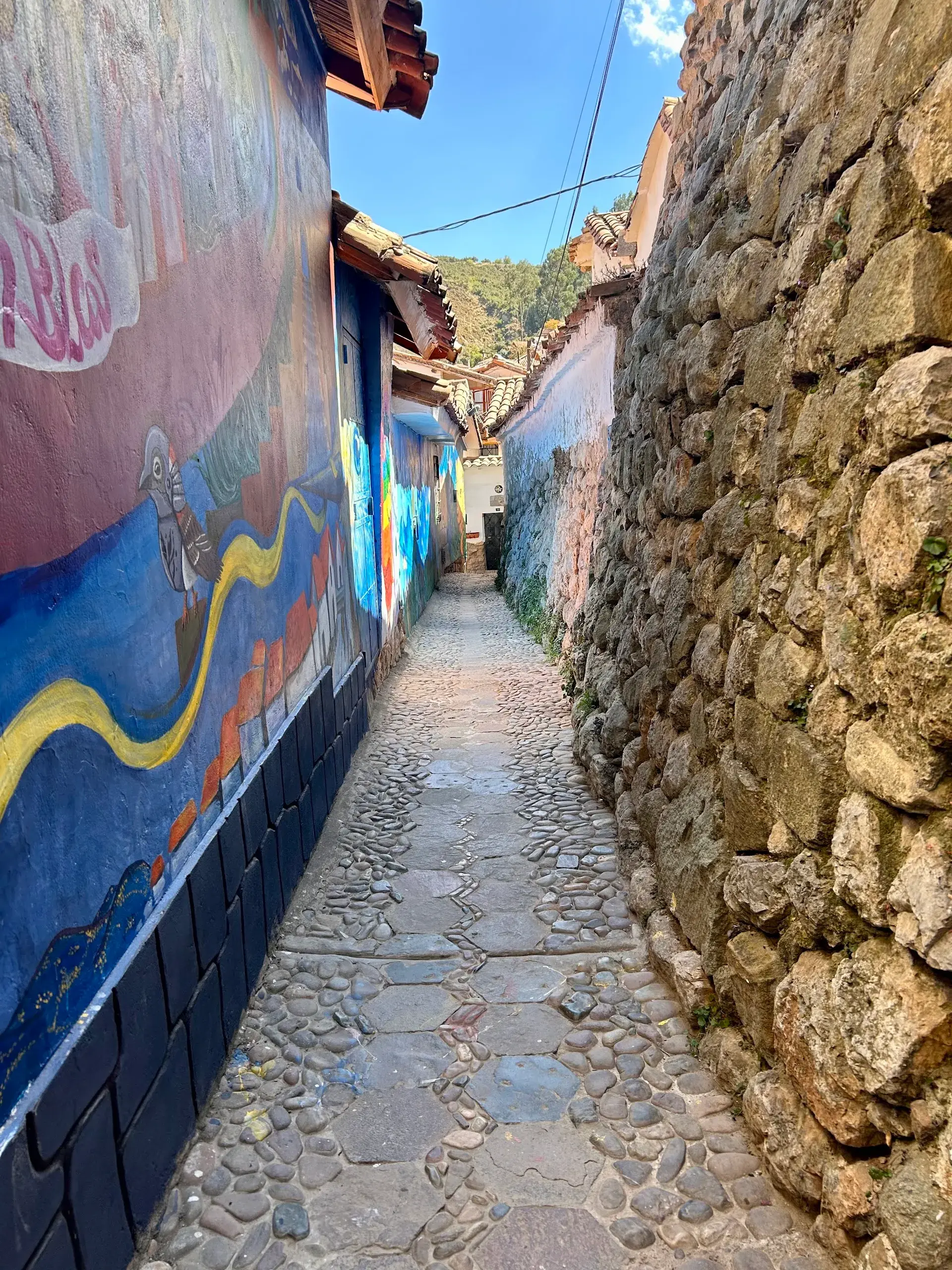
In the heart of Cusco's historic San Blas neighborhood lies Siete Diablitos, a narrow, cobblestone lane known for its picturesque charm and colorful folklore. This street exemplifies the city's unique blend of Inca and Spanish heritage, with colonial-style houses featuring carved wooden balconies and Spanish doors built upon original Inca foundations.
The Legend of the Seven Little Devils
The street's name, meaning "Seven Little Devils," originates from a popular local legend rooted in oral tradition. During the colonial era, the secluded alley became a clandestine meeting place for young couples seeking privacy. According to the story, seven mischievous spirits, or "diablitos," would appear to tempt the lovers, inciting romance and passion.
These figures were not seen as demonic in a religious sense but as roguish spirits representing youth, desire, and human temptation within the Andean worldview. The encounters on the street sometimes led to what locals colloquially termed "domingo 7" (Sunday 7), a euphemism for an unexpected pregnancy.
A Blend of Inca and Colonial History
Siete Diablitos emerged during the colonial period as part of the urban transformation of Cusco. It is located in the San Blas quarter, which was known as T'oqokachi during the Inca Empire. This area was a significant residential hub for artisans and architects. After the Spanish conquest, new colonial structures were built upon the existing Inca stonework, creating the distinct 'mestizo' architecture visible today throughout the neighborhood and along this lane.
The Significance of the Number Seven
Siete Diablitos is one of several streets in Cusco whose name incorporates the number seven, which was considered sacred in Inca cosmovision and is associated with the rainbow. Other similarly named streets include Siete Angelitos (Seven Little Angels), Siete Culebras (Seven Snakes), and Siete Ventanas (Seven Windows), each with its own unique history and legends woven into the city's fabric.
Siete Diablitos Today
Today, Siete Diablitos remains an enigmatic and picturesque corner of Cusco, often included in city tours. The street maintains a bohemian atmosphere and serves as a gathering spot for local artists. Visitors can find art galleries, craft shops, and workshops showcasing both traditional and contemporary art. Small restaurants and cafes along the lane also offer regional dishes, allowing for a unique culinary experience where history and daily life intertwine.
FAQ
Why is the street called Siete Diablitos (Seven Little Devils)?
The name comes from a local legend about seven mischievous, roguish spirits who would appear to tempt young lovers meeting secretly on the lane. These 'devils' represented passion and desire in the Andean worldview, not evil.
What does 'domingo 7' mean in relation to Siete Diablitos?
'Domingo 7' (Sunday 7) was a colloquial phrase used as a euphemism for unexpected pregnancies that sometimes resulted from the secret romantic encounters on the street, which were said to be encouraged by the 'seven little devils.'
What is the architectural style of Siete Diablitos?
The street features a 'mestizo' architectural style, typical of Cusco's San Blas neighborhood. It has colonial-era houses with carved wooden balconies and Spanish doors built upon earlier Inca stone foundations.
Is Siete Diablitos the only street in Cusco with 'seven' in its name?
No, it is one of several streets whose names feature the number seven, which is significant in Inca culture. Other examples include Siete Angelitos (Seven Little Angels), Siete Culebras (Seven Snakes), and Siete Ventanas (Seven Windows).
Discover Cusco like never before
Dive into Cusco hidden stories and secret spots with Ciceru interactive tours.
Explore tour
Audioguide
Quizzes
Maps
Solo
Couples
Groups & families

© Photo by Tela Vicente via Google Maps · Google Places