Twelve Angled Stone: Cusco's Inca Masonry Marvel
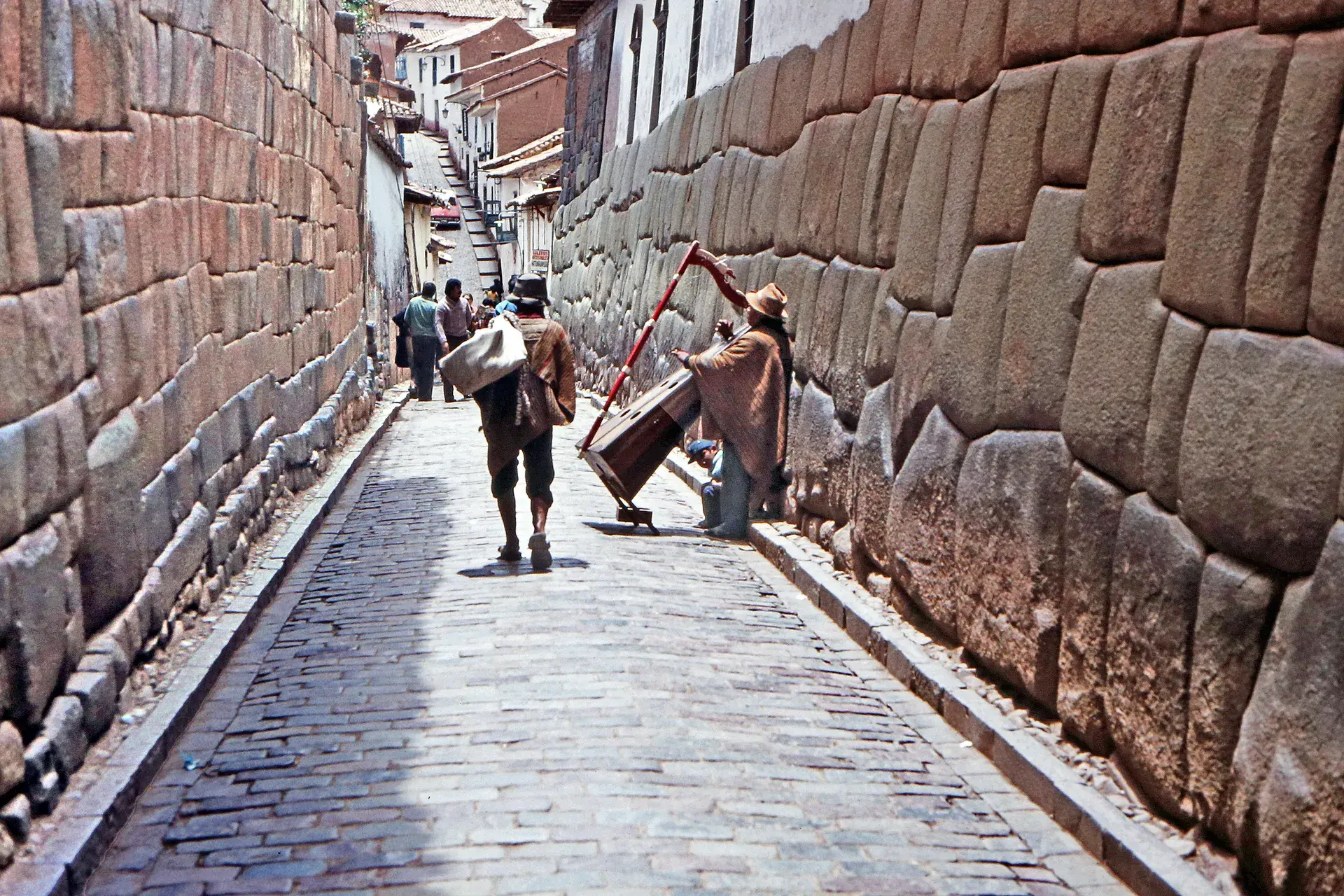
Embedded in an ancient wall on Hatun Rumiyoc street in Cusco, the Twelve Angled Stone stands as a testament to the precision and artistry of Inca stonework. This single, massive block of green diorite is a celebrated example of polygonal masonry and a powerful symbol of Peruvian cultural identity.
A History Carved in Stone
The Twelve Angled Stone was originally part of the Hatun Rumiyoc wall, which formed the palace of Inca Roca, the sixth ruler of the Inca Empire. Carved and placed over 700 years ago during the 14th century, the stone and the palace signified the authority and status of the ruler at a time when Cusco was the political and spiritual heart of the Andes. Following the Spanish conquest in the 16th century, a colonial building was constructed upon the palace's resilient foundations. This structure later became the Archbishop's Palace in the early 20th century.
Masterpiece of Inca Engineering
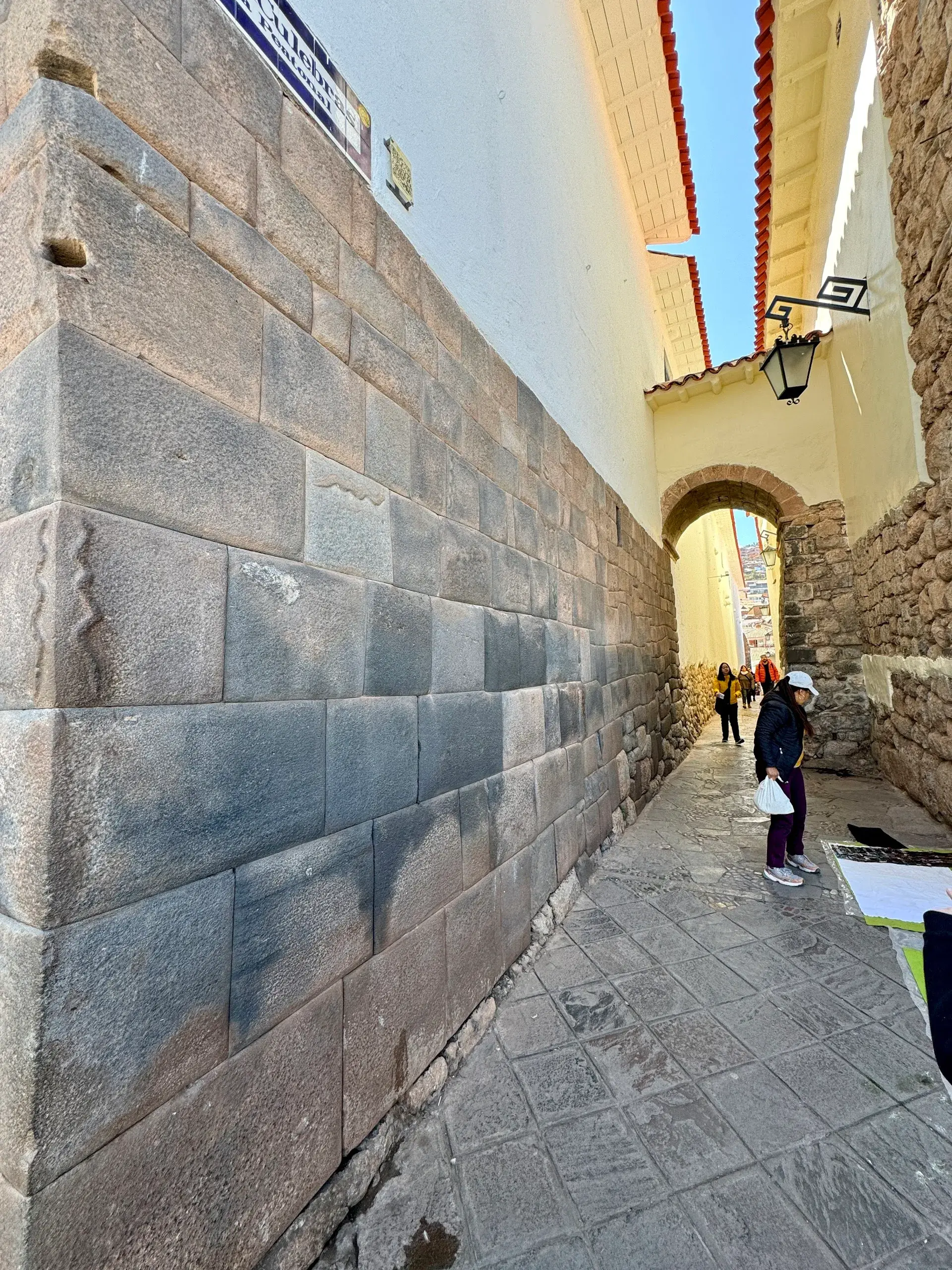
The stone is a monumental block of igneous rock, measuring approximately one meter high and weighing over six tons. It perfectly exemplifies the Inca's mortarless construction technique. Inca masons used hammer stones and abrasion to shape and fit the blocks so tightly that not even a sheet of paper can be inserted between them. This method of dry stone masonry created flexible, earthquake-resistant structures. The Twelve Angled Stone has famously withstood major earthquakes that struck Cusco in 1650, 1950, and 1986 without shifting.
A Symbol of Cusco
Declared a National Cultural Heritage Monument in 1982, the Twelve Angled Stone holds deep cultural and symbolic value. It is believed to represent the division of the 24 noble families of Cusco, embodying the Inca's pursuit of harmony and balance. Today, it is an iconic symbol of local pride, appearing on institutional logos, tourist brochures, and even Peruvian currency. While it is the most celebrated, it is not the only multi-angled stone; others with as many as 32 angles exist elsewhere in the region.
The Stone Today
Currently, the stone is a prominent landmark on the bustling Hatun Rumiyoc street, forming part of the outer wall of the Archbishop's Palace and Museum of Religious Art. It is freely accessible to the public 24 hours a day and is a major tourist attraction. The street itself is a lively area with artisan shops, cafes, and galleries. To ensure its preservation, touching the stone is prohibited, and guards are present to enforce this rule.
FAQ
How did the Incas build the Twelve Angled Stone wall without mortar?
Inca masons used hammer stones and patient abrasion to shape the blocks. They interlocked them with such precision that no mortar was needed, and not even a sheet of paper can fit between them. This technique made the walls resistant to earthquakes.
Where is the Twelve Angled Stone located?
The stone is embedded in an ancient Inca wall on Hatun Rumiyoc street in Cusco, Peru. This wall now forms the foundation of the Archbishop's Palace and Museum of Religious Art.
Why is the Twelve Angled Stone famous?
It is famous as a prime example of Inca polygonal masonry, showcasing incredible precision and engineering. It has also famously withstood major earthquakes and is a powerful symbol of Cusco's cultural heritage.
What is the Twelve Angled Stone made of?
The stone is a massive block of green diorite, a type of igneous rock. It weighs over six tons and is approximately one meter high and six feet deep.