Cusco Cathedral: History, Art, and Inca Foundations
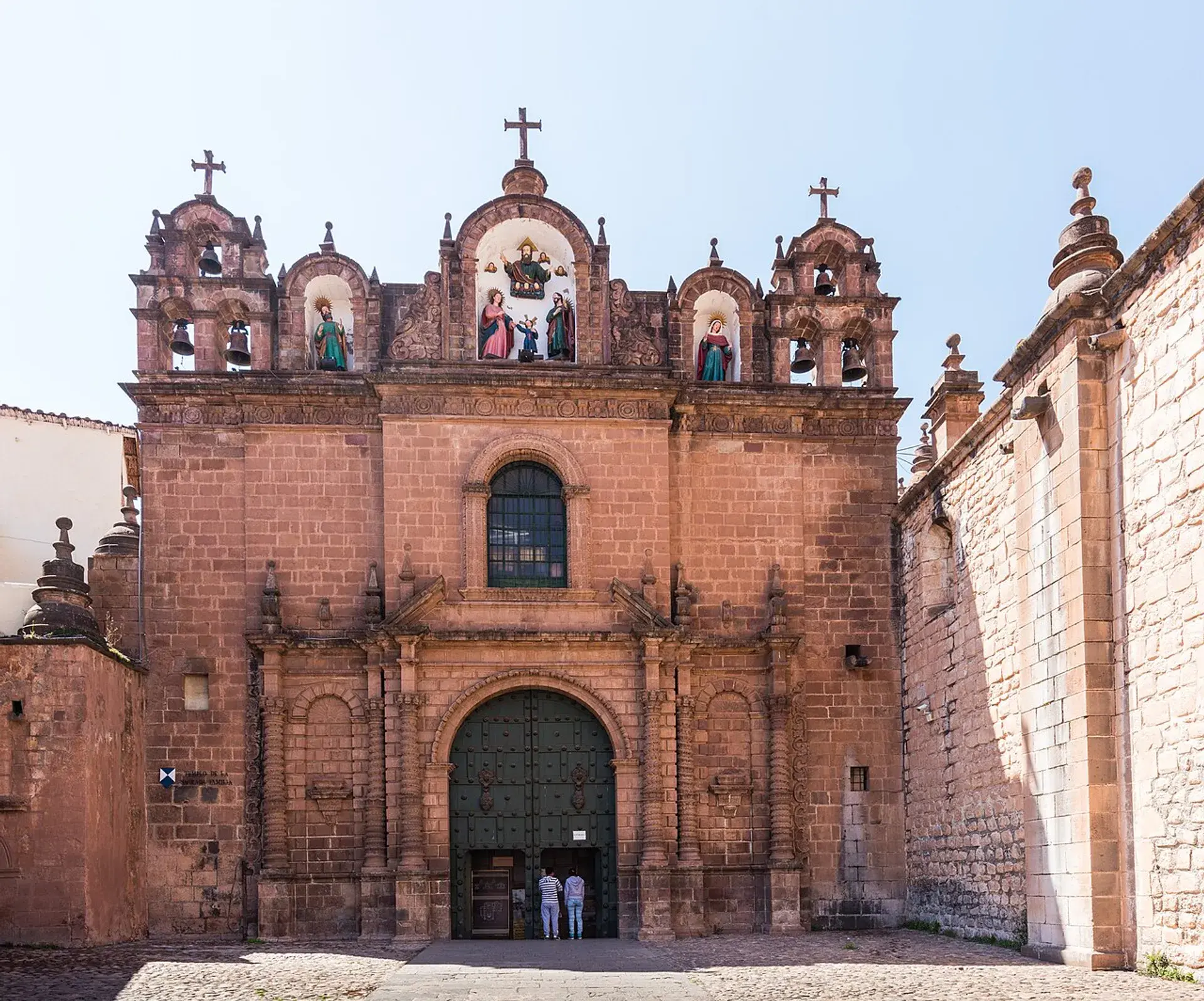
Dominating the Plaza de Armas in Cusco, the Cathedral Basilica of the Virgin of the Assumption stands as a monumental testament to colonial architecture and a symbol of complex cultural history. This magnificent structure was built on the foundations of a sacred Inca site, embodying the fusion and conflict that defined post-conquest Peru.
A History of Conquest and Construction
The origins of the Cusco Cathedral are rooted in the Spanish conquest. Construction began in 1559, deliberately placed upon the ruins of Kiswarkancha, the palace of the Inca Viracocha. This strategic placement was intended to assert Spanish religious and cultural dominance. The cathedral's construction spanned nearly a century, with major work completed by 1654 and its formal consecration in 1668.
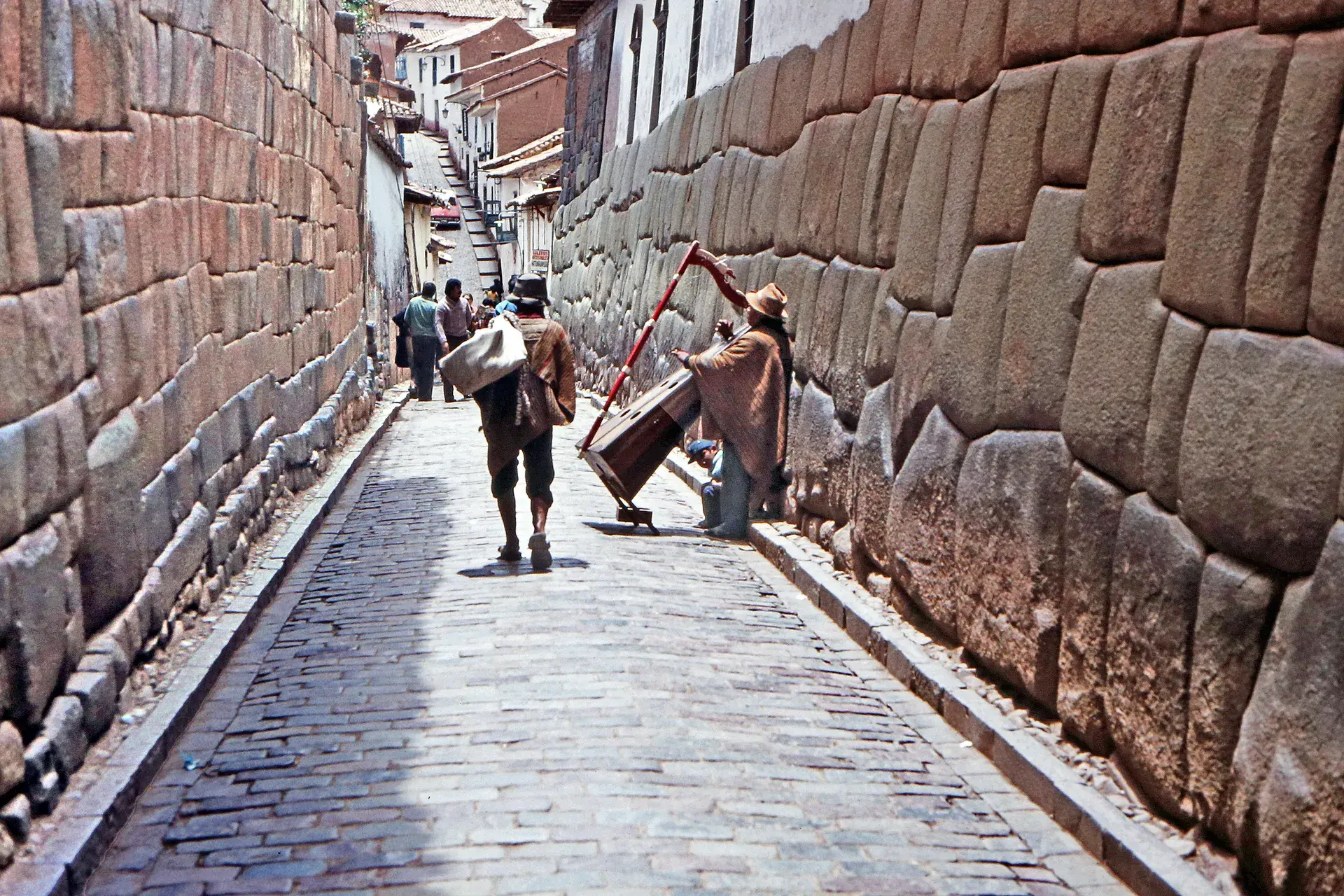
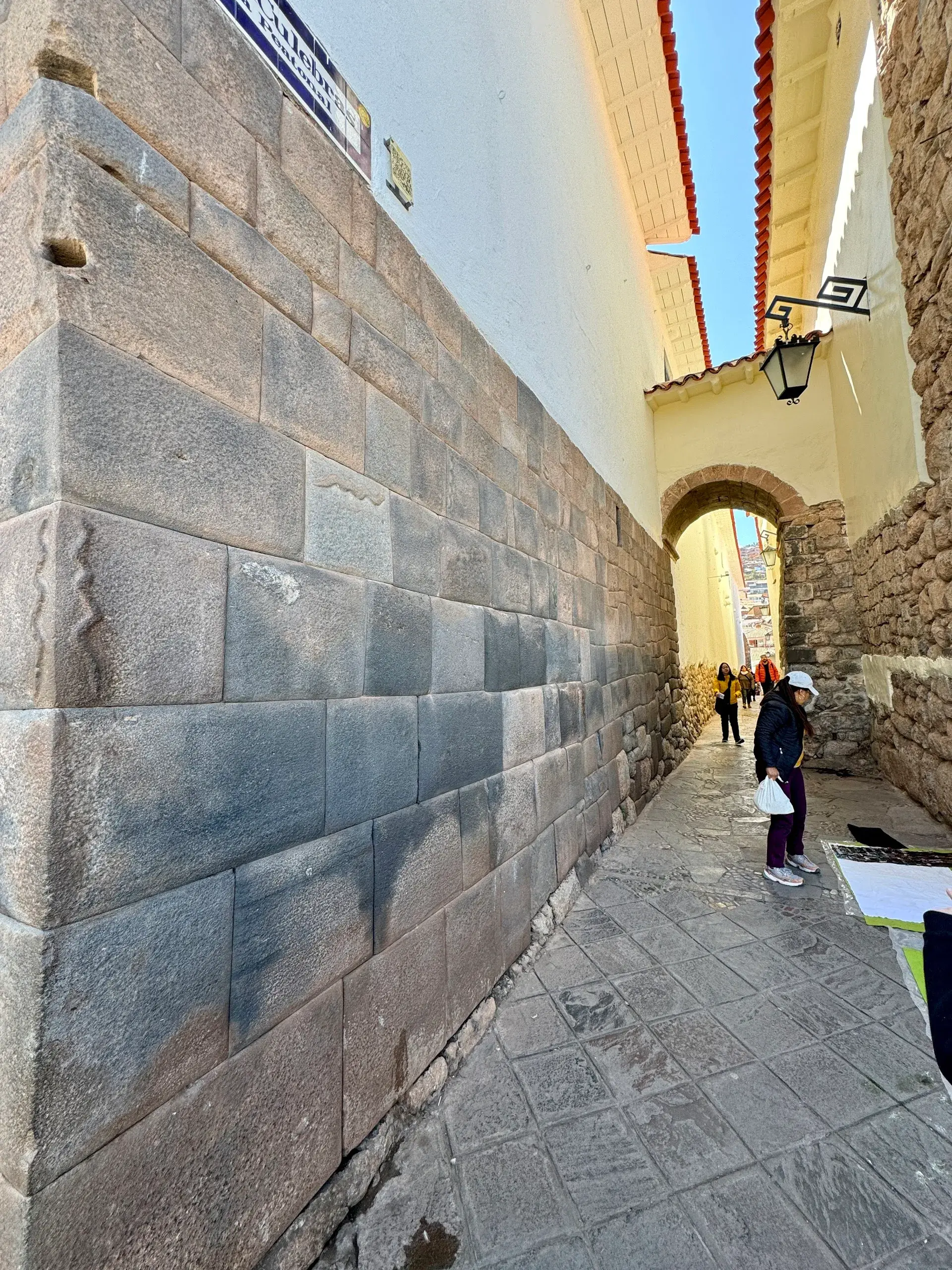
The massive stones used for its walls were taken from the sacred Inca fortress of Sacsayhuamán, transported downhill by forced indigenous Inca and Quechua labor. Despite the turbulent history of its creation, the cathedral's robust construction has allowed it to survive major earthquakes in 1650 and 1950, with its main walls remaining largely intact.
Architectural Grandeur
Covering an area of 3,920 square meters, the cathedral showcases a blend of Gothic-Renaissance style with significant Baroque and Plateresque influences. Its interior is supported by 14 massive cruciform pillars crafted from Andesite stone, which hold up 24 intricate ribbed or star-shaped ceilings. A team of architects, including Juan Miguel de Veramendi and Francisco Becerra, contributed to its design over the decades.
One of the most stunning features is the main altar, which is completely sheathed in silver. More than 1,250 kilograms (2,755 pounds) of silver, donated by a local mine owner, were used to create this opulent centerpiece, showcasing the mastery of colonial goldsmiths.
The Cusco School: A Fusion of Cultures
The cathedral houses an extensive collection of colonial art, much of it from the Cusco School. This artistic movement saw indigenous artists, trained in European techniques, blend their own traditions and motifs into Christian iconography. A prime example is Marcos Zapata's 1753 painting, 'The Last Supper.' It famously depicts Jesus and his disciples dining on a roasted guinea pig (cuy), a traditional Andean delicacy, alongside local papayas, hot peppers, and chicha (corn beer).
This cultural syncretism is also evident in the intricately carved cedar wood pulpit, a masterpiece by the celebrated Quechua woodcarver Juan Tomas Tuyro Tupaq. Other works, like the zodiac-themed paintings by Diego Quispe Tito, merge Quechua cosmology with Christian virtues.
Sacred Artifacts and Notable Features
The cathedral is home to the 'Señor de los Temblores' (Lord of the Earthquakes), a black crucified Christ statue revered as Cusco's patron. It is believed to have miraculously halted the devastating 1650 earthquake. Its distinctive dark color is the result of centuries of accumulated soot from candles and oil lamps.
Within the cathedral complex is the Iglesia del Triunfo, which was built in 1539 and served as Cusco's first cathedral. It holds half the ashes of the renowned chronicler Inca Garcilaso de la Vega. The cathedral also houses the Maria Angola Bell, a giant 17th-century bell whose sound can reportedly be heard from nearly 20 miles away.
The Cathedral Today
Today, the Cusco Cathedral serves as an active Catholic temple and the main seat of the Archdiocese of Cusco. It hosts daily masses and major religious celebrations like Corpus Christi and Holy Week, remaining a vital spiritual center for the local community. It is also a museum and a major tourist attraction, recognized as a Minor Basilica in 1928 and as part of the Historic Center of Cusco, a UNESCO World Heritage Site, since 1983.
FAQ
Why is the 'Last Supper' painting in Cusco Cathedral famous?
The painting, created by Marcos Zapata in 1753, is famous for its unique cultural fusion. It depicts Jesus and his disciples dining on a roasted guinea pig (cuy), a traditional Andean dish, along with other local items like chicha and papayas.
What is the Cusco Cathedral built on?
The Cusco Cathedral was built on the foundations of Kiswarkancha, the former palace of the Inca ruler Viracocha, as a symbol of Spanish dominance after the conquest.
What is the main altar of the Cusco Cathedral made of?
The main altar is a masterpiece of colonial goldsmithing, sheathed in more than 1,250 kilograms (2,755 pounds) of solid silver.
Who is the 'Señor de los Temblores'?
The 'Señor de los Temblores' (Lord of the Earthquakes) is a revered black crucifix statue in the cathedral. It is the patron of Cusco and is believed to have miraculously stopped a powerful earthquake in 1650.